Blog6/7/2026
Building Summer Pet Emergency Kits for Safer Adventures
6 mins Read
The Briefing
Quick takeaways for the curious
Summer introduces heat, humidity, travel, and outdoor activity that elevate the risk of acute pet emergencies and can turn a minor incident into a veterinary crisis in minutes.
Emergency preparedness should shift from disaster-only kits to proactive summer stewardship, using a custom, portable kit as the primary barrier between a fun outing and a trip to the emergency animal hospital.
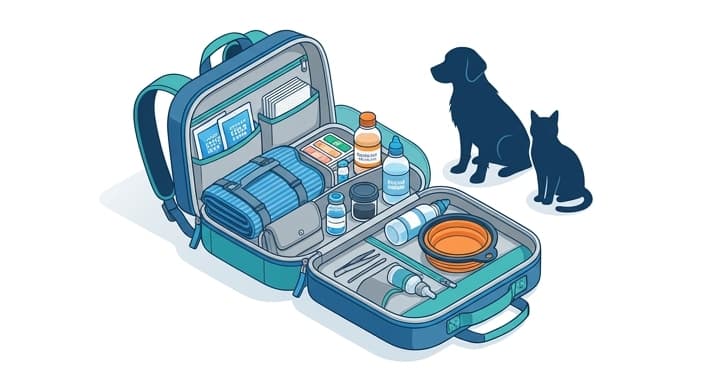
A summer emergency kit must include thermal stabilization tools such as instant-activation cold packs (wrapped to prevent ice burns), a portable collapsible water bowl, and a pet-specific electrolyte solution, plus cooling options like a cooling vest or a reflective blanket.
Toxic exposure is a real summer risk; your kit should have a toxicity management section with an antihistamine (vet-approved for your pet), sterile saline for flushing, and a small sealed container of activated charcoal to provide bridge care before veterinary help arrives.
Outdoor adventures create additional mobility and wound-care needs, so the kit should address injuries from rugged terrain and environmental hazards to keep your pet safer until professional care is available.
There is a pervasive misconception among many pet owners that emergency preparedness is a task reserved for hurricane seasons or blizzards, often overlooking the fact that summer—with its soaring temperatures, increased travel, and outdoor activity—presents the highest risk for acute, life-threatening pet emergencies. As a veterinarian consultant, I frequently see well-meaning pet parents who prioritize packing extra treats for a road trip but fail to realize that the heat, humidity, and environmental hazards of the summer months can turn a minor incident into a veterinary crisis within minutes.
We are moving away from the outdated notion that emergency kits are "just-in-case" boxes for natural disasters, and toward a comprehensive understanding of "proactive summer stewardship," where a custom-built, portable kit serves as the primary barrier between a fun afternoon and a trip to the emergency animal hospital. True safety for a companion animal in the summer is not just about keeping a leash handy; it is about recognizing that their physiology is uniquely vulnerable to heat exhaustion, toxic ingestions, and sharp-object injuries, and that maintaining a specialized, accessible emergency kit is the most compassionate way to ensure their season is defined by adventure rather than acute trauma.
The Thermal Trap: Why Summer Hazards Require Specialized Supplies
The most dangerous myth in the modern pet care world is the "Endurance Fallacy"—the belief that a pet’s natural coat and biology will sufficiently protect them from the unique stresses of the summer heat. In my clinical practice, I see far too many cases of heatstroke that could have been mitigated if the owner had even basic cooling supplies on hand during a hike or beach day. The reality is that pets lack the efficient sweating mechanisms of humans, making them susceptible to rapid core temperature spikes when the mercury rises.
An effective summer emergency kit must go beyond standard bandages. It should prioritize "thermal stabilization" tools. This includes instant-activation cold packs (which must be wrapped in a cloth to prevent ice burns), a portable, collapsible water bowl, and a high-quality electrolyte solution formulated specifically for pets. Furthermore, your kit should contain a "cooling vest" or a reflective thermal blanket, which can be life-saving if your pet becomes lethargic or begins panting excessively in a shaded area away from home. Relying on the hope that you will be near a grocery store or an air-conditioned building is a gamble with your pet’s systemic health.

The Toxin Exposure Reality: Managing Summer Environmental Risks
Beyond the heat, summer brings a specific set of environmental toxins that most pet owners fail to anticipate. During the warmer months, we see a massive spike in cases involving blue-green algae ingestion, toxic plant exposures, and severe allergic reactions to bee or wasp stings. Many owners think a simple "first aid kit" is enough, but they rarely include the specific items needed to stabilize a pet before professional veterinary care can be reached.
Your summer kit must include a specialized "toxicity management" section. This should feature an antihistamine (specifically one recommended by your veterinarian for your pet’s weight), a sterile saline solution for flushing out eyes or wounds contaminated with debris or chemical fertilizers, and a small, sealed container of activated charcoal—which can be a life-saver if a pet ingests a toxic bulb or pesticide while you are away from the clinic. The goal of this kit is not to replace your vet, but to provide critical "bridge care" that prevents a toxin from being absorbed into the bloodstream or causing localized damage to sensitive tissues like the eyes or throat.
The Mobility and Wound Care Component
Summer activities often involve rugged terrain, whether it is a rocky hiking trail, a backyard barbecue with splintered decking, or a trip to the lake where hidden glass or sharp shells may be buried in the sand. I frequently treat lacerated paw pads and deep abrasions during the summer months because owners are often caught off guard by the sheer frequency of these injuries when pets are more active.
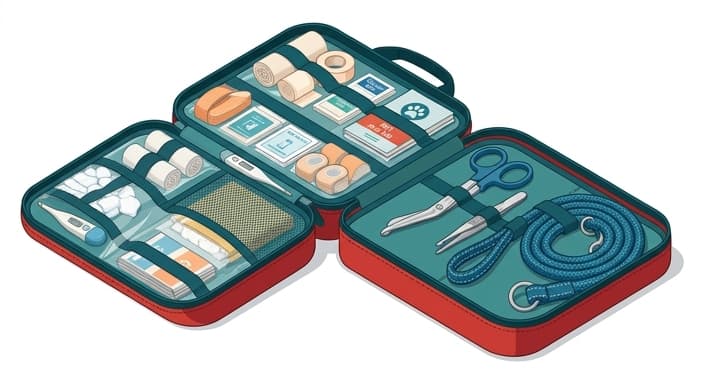
A robust emergency kit must prioritize "immediate wound stabilization." This includes non-stick sterile pads, cohesive bandages (like Vetrap, which sticks to itself but not the fur), and a pet-safe antiseptic spray or chlorhexidine wipes. I always recommend that owners include a pair of blunt-tipped scissors and a pair of tweezers specifically for removing splinters or ticks. Most importantly, ensure your kit includes a spare, sturdy slip-leash. In the event of a limb injury or a state of shock, a pet may be too panicked to follow commands, and a slip-leash provides a secure, non-painful way to guide them to safety or back to your vehicle without needing to wrestle with a complicated harness.
The Digital Safety Net: Documentation in the Palm of Your Hand
While physical medical supplies are the backbone of your emergency kit, the most overlooked component is the "digital repository." In the heat of an emergency, even the calmest pet parent can experience a "cognitive freeze" where critical information—like current medication dosages, vaccination records, or contact info for a local 24-hour emergency clinic—becomes difficult to recall.
Your summer emergency bag should contain a laminated card or a ruggedized USB drive containing your pet’s digital medical history. This should include a clear, recent photo of your pet, their microchip number, a list of known allergies, and a concise summary of any chronic conditions. In the event that you are traveling and need to visit an unfamiliar veterinarian, providing them with this information immediately can shave off precious minutes in the triage process. Remember, in a medical emergency, the speed of information transfer is just as important as the speed of physical intervention.
Maintaining Your Kit: The "Seasonal Refresh" Strategy
Building the kit is only the first half of the battle; maintaining its integrity is where many owners fail. Emergency supplies, particularly those stored in a car trunk or a garage, are subject to extreme temperature fluctuations that can degrade the quality of medications or cause sterile packaging to fail. I advise my clients to perform a "Seasonal Refresh" twice a year—once at the start of summer and once at the start of winter.
During this refresh, check the expiration dates on all medications and antiseptic solutions. If you keep a bottle of hydrogen peroxide or saline, ensure the seal is intact. Check the integrity of your bandages to ensure they haven't been exposed to moisture or pests. This is also the perfect time to replace any single-use items that were "borrowed" for minor household scrapes during the year. Treat your emergency kit like a fire extinguisher: it is a piece of infrastructure that you hope never to use, but when the moment arises, you need it to be in perfect working order. By taking the time to curate and maintain this kit, you aren't just packing supplies; you are building a foundation of safety that allows you and your pet to enjoy the warmth of summer with the confidence that you are prepared for whatever the trail might bring.
In conclusion, effective pet emergency preparedness is not about anxiety—it is about empowerment. By shifting your mindset from reactive panic to proactive planning, you can navigate the unique challenges of the summer season with the assurance that you have the tools necessary to protect your companion. Whether you are hitting the road for a cross-country adventure or simply enjoying the local park, a well-stocked, regularly refreshed emergency kit is the most tangible expression of the care you provide. Take the time this week to organize these supplies, and you will find that the peace of mind you gain is the most valuable piece of gear you carry.
Common Questions
🤔
Frequently Asked Questions
Why is summer specifically risky for pets?▼
Summer poses unique risks because pets cannot cool themselves as efficiently as humans and can rapidly develop heatstroke during outdoor activities or long car trips. The combination of heat, humidity, and activity means a minor incident can escalate within minutes if cooling and fluids are not available. Many owners mistakenly rely on nearby stores or air-conditioned spaces to save the day, which is not always feasible in the moment. A well-stocked kit with thermal stabilization tools provides critical time to seek veterinary care.
What should be in a kit's thermal stabilization section?▼
The thermal stabilization section should include instant-activation cold packs wrapped in a cloth to prevent ice burns, a portable collapsible water bowl, and a pet-specific electrolyte solution. A cooling vest or a reflective thermal blanket can help reduce core temperature if a pet becomes lethargic or starts panting heavily away from home. Do not rely on nearby stores or facilities for cooling; act quickly to stabilize the pet's temperature. All items should be lightweight and readily accessible during outdoor activities.
What toxins should I be prepared to manage?▼
Summer toxins commonly involve blue-green algae exposure, toxic plants, and bee or wasp stings. Your toxicity management section should include an antihistamine dosed by your veterinarian for your pet, a sterile saline solution for flushing eyes or wounds, and a small sealed container of activated charcoal in case ingestion occurs. These tools are meant to bridge care until you can reach a veterinarian and should not replace professional treatment. Having them on hand can help minimize toxin absorption and localized tissue damage while you travel to care.
How can I tailor a kit for outdoor adventures with my pet?▼
Tailor the kit to rugged terrain and outdoor exposure by including a dedicated mobility and wound care component to address cuts, splinters, and abrasions that can arise on hikes or beach days. Keep wound-care basics accessible, and ensure you can quickly clean and dress minor wounds if needed. Practice using the kit before you need it, keep it in an easy-to-reach bag, and know how to contact your veterinarian or an emergency clinic along your typical routes.