Blog6/12/2026
Choosing Sustainable and Eco-Friendly Pet Products for Home
6 mins Read

The Briefing
Quick takeaways for the curious
The shift from disposable pet parenting to conscious guardianship aligns pet care with planetary health.
Durable, non-toxic toys made from regenerative materials like natural rubber, organic cotton, hemp, and jute reduce waste and ingestion risks.
Be cautious with biodegradable claims; prioritize end-of-life solutions such as home-compostable bags and plant-based litters managed correctly.
Waste management choices, including cat litter and dog waste bags, largely determine a product's real eco-footprint and should guide purchasing.
Veterinarian-informed product audits across beds, toys, litter, and waste-management supplies support safer, more sustainable pet care.
The pet industry is undergoing a long-overdue paradigm shift, where the convenience of "disposable" pet parenting is being traded for a more conscientious approach that respects the delicate balance of our planet. As a veterinarian consultant, I am increasingly asked by pet owners how they can reconcile their deep love for their companions with the growing environmental footprint associated with modern pet ownership, from plastic-heavy toy consumption to the carbon-intensive nature of traditional protein sources.
We are moving away from the outdated notion that pet care must prioritize convenience over ecological stewardship, and toward a nuanced understanding of "conscious pet guardianship." Choosing sustainable products is not merely a symbolic gesture; it is a clinical and ethical commitment to ensuring that the world our pets inhabit remains as vibrant and healthy as the companions themselves. By auditing our purchasing habits—from the materials in their beds to the biodegradability of their waste management supplies—we can drastically reduce the environmental burden of our furry friends while often improving the safety and non-toxic quality of their daily environment.
The Lifecycle of Play: Evaluating Toy Durability and Material Safety
When we talk about sustainable pet products, the conversation almost always begins with toys. The average pet store shelf is lined with low-cost, synthetic plastics that are prone to splintering, ingestion, and rapid disposal. From a veterinary perspective, these mass-produced items are not only environmental liabilities; they are frequent contributors to gastrointestinal foreign body obstructions. When a toy is designed for the landfill, it is rarely designed for the durability required by a pet’s natural predatory instincts.
Transitioning to sustainable play requires a focus on regenerative materials like natural rubber, organic cotton, hemp, and jute. Hemp, in particular, is an ecological superstar; it grows rapidly without the need for pesticides and produces fibers that are naturally antimicrobial and incredibly resistant to tearing. By investing in high-quality, sustainably sourced toys, we move away from the "replace and discard" cycle. A durable, non-toxic rubber fetch toy may cost more upfront, but its longevity significantly reduces its per-use carbon footprint, and more importantly, it minimizes the risk of your pet ingesting harmful microplastics or phthalates often found in cheaper, mass-market alternatives.

The Waste Paradox: Navigating Biodegradable Claims in Pet Sanitation
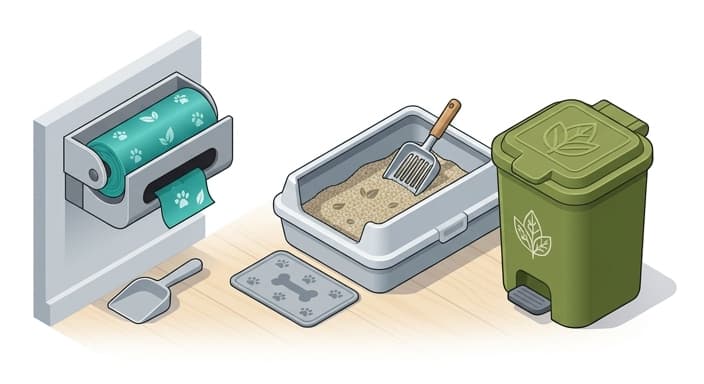
Perhaps the most challenging aspect of eco-conscious pet ownership is waste management. Whether it is cat litter or dog waste bags, the amount of refuse generated by our pets is staggering. Many owners are misled by labels promising "biodegradable" or "compostable" materials, failing to realize that these labels are often subject to minimal regulation. In many municipal landfills, even "biodegradable" bags are trapped in anaerobic environments where they cannot actually break down, effectively negating their environmental benefit.
As your veterinarian consultant, I urge you to look beyond the marketing jargon. For cat owners, the shift toward sustainable litter is a major win for both the planet and respiratory health. Traditional clay litters are strip-mined, a process that destroys habitats, and the fine silica dust can exacerbate feline asthma or chronic respiratory irritation. Instead, consider plant-based, renewable alternatives like wood pellets, wheat, or corn-based litters. These options are not only compostable (when managed correctly) but are often free from the chemical fragrances and clumping agents that can cause skin and urinary tract irritation in sensitive cats. For dog owners, prioritizing certified home-compostable bags—rather than just "biodegradable" ones—is the gold standard for reducing the plastic burden in our parks and landfills.
Veterinary-Approved Bedding and the Comfort of Organic Textiles
The sanctuary of a pet’s bed is where they spend a significant portion of their lives, yet these items are frequently manufactured using synthetic foams, chemical flame retardants, and petroleum-based dyes. These materials are notorious for off-gassing volatile organic compounds (VOCs), which can contribute to indoor air pollution and potentially trigger allergies or skin sensitivities in our pets. When we choose bedding, we must think about the "total health" of the product—not just its comfort, but its chemical composition and its end-of-life cycle.
Selecting beds made from organic cotton, natural wool, or recycled polyester fills provides a healthier, hypoallergenic sleeping environment. Wool, in particular, is an exceptional material for pet bedding because it is naturally temperature-regulating, moisture-wicking, and resistant to dust mites. By choosing beds with removable, washable covers made from organic fibers, you extend the life of the product significantly. Replacing the cover is far more sustainable than replacing the entire bed, and choosing materials that are biodegradable or easily recycled ensures that when the bed finally reaches the end of its useful life, it doesn't become a permanent fixture in a landfill.
Conscious Consumables: Beyond the Bowl
Sustainability extends far beyond the physical items we purchase; it includes the very essence of how we nourish our companions. The pet food industry is a major driver of global agricultural impact, largely due to the reliance on traditional, land-heavy livestock. However, the emergence of alternative proteins—such as insect-based, plant-forward, or sustainably sourced fish-based diets—is changing the game. These diets are not just about "going green"; they are often superior for pets with chronic inflammatory conditions, such as atopic dermatitis or inflammatory bowel disease (IBD), as they rely on novel proteins that the pet’s immune system has not yet identified as a threat.
Furthermore, consider the packaging of your pet’s food. Single-use plastic bags for kibble are almost impossible to recycle due to their multi-layered composition. Some forward-thinking companies are now offering bulk-buy programs or moving toward compostable packaging. Even making small adjustments, such as buying larger bags to reduce plastic-to-food ratios or choosing brands that utilize renewable energy in their manufacturing, creates a ripple effect of demand that forces the industry to improve its standards. As pet parents, our collective buying power is the strongest tool we have to advocate for a more sustainable, transparent, and ethical supply chain.
Building a Sustainable Future, One Paw Print at a Time
Adopting a sustainable lifestyle for your pet does not require an overnight, radical overhaul of your home. It is a journey of incremental changes: swapping a synthetic toy for a hemp one, moving to a plant-based litter, or choosing food brands that prioritize ethical sourcing and eco-friendly packaging. Each of these decisions contributes to a broader ecosystem of care that protects the planet while simultaneously fostering a safer, cleaner environment for your pet’s long-term health. As you navigate these choices, always prioritize your veterinarian’s advice regarding your pet’s specific dietary or health needs; a sustainable product is only truly "good" if it serves the biological requirements of the individual animal. By making intentional, informed choices today, we ensure that our pets can continue to thrive in a world that is as clean and sustainable as the love they give us every day.
Common Questions
🤔
Frequently Asked Questions
How can I evaluate toy durability and material safety from a veterinary perspective?▼
From a veterinary perspective, avoid mass-market chewed toys made of cheap plastics that can splinter or be ingested. Look for durable options built from natural rubber, hemp, or jute, and ensure there are no small detachable parts. Check for safety certifications or material disclosures, and replace worn toys promptly to prevent hazards. Investing in durable toys often lowers waste and reduces per-use environmental impact.
What should I know about biodegradable labels on pet waste bags and litter?▼
Biodegradable and compostable labels can be misleading, especially in municipal landfills where conditions prevent decomposition. In practice, many so-called biodegradable bags do not break down, and some litters generate dust or fragrances that irritate pets. When possible, choose certified home-compostable bags and plant-based litters, and use them in accordance with local guidelines. For cats, select low-dust litters free of added fragrances to protect respiratory health.
How can I audit my pet product purchases to minimize environmental impact?▼
Auditing purchases starts with mapping product life cycles from sourcing to disposal. Favor durable, repairable items over single-use products and prefer brands that publish ingredient lists and third-party certifications. Look for packaging reductions, recycling compatibility, and transparent end-of-life programs. Consider your local waste streams and opt for products that align with how you compost or recycle.
What role does veterinary guidance play in adopting eco-friendly products?▼
Veterinary guidance grounds eco-friendly choices in safety, efficacy, and animal welfare. A vet can help you interpret claims, compare alternatives, and identify non-toxic materials that suit your pet’s needs. This support helps you avoid greenwashing and make informed trade-offs between performance and planet-friendly design. In turn, it supports a broader ethic of responsible pet guardianship.