Blog6/9/2026
Personalized Nutrition Plans for Senior Dogs: Precision Longevity
7 mins Read
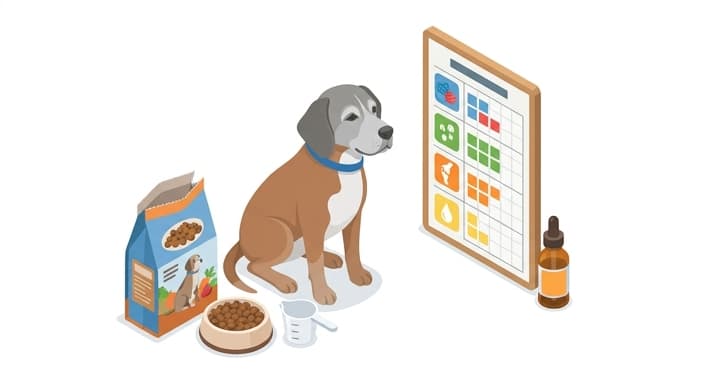
The Briefing
Quick takeaways for the curious
Senior dogs need more than a generic 'senior' label; their aging physiology requires a personalized, veterinarian-guided nutrition plan.
Calories alone do not determine health in aging dogs; metabolic shifts, inflammation, and nutrient absorption demand precise adjustments.
Precision longevity nutrition emphasizes nutrient density and high-quality, bioavailable protein to support muscle mass without fueling obesity.
Protein quality and amino acid balance, especially leucine, are critical for preventing sarcopenia in older dogs.
Because organ health varies with age, plans must be tailored to each dog’s kidney, liver, and digestive status rather than applying blanket recommendations.
There is a pervasive misconception among many pet owners that "senior nutrition" is simply a marketing label found on bags of kibble, often overlooking the fact that the physiological shifts of an aging dog are as complex and individual as those of a human entering their golden years. As a veterinarian consultant, I frequently see well-meaning pet parents who continue to feed their senior dogs the same high-calorie, generic maintenance diet they provided during their prime years, failing to realize that metabolic slowdown, chronic inflammation, and altered nutrient absorption require a precise, personalized approach to sustain long-term vitality.
We are moving away from the outdated notion that senior pet care is a "one-size-fits-all" nutritional strategy, and toward a comprehensive understanding of "precision longevity nutrition," where a custom-built dietary plan serves as the primary barrier between a comfortable, active retirement and a decline marked by lethargy, weight fluctuations, and secondary organ stress. True health for an aging companion is not just about counting calories; it is about recognizing that their physiology is uniquely vulnerable to protein degradation, micronutrient deficiencies, and digestive sensitivities, and that maintaining a veterinarian-guided, personalized nutrition plan is the most compassionate way to ensure their twilight years are defined by comfort rather than metabolic struggle.
The Metabolic Trap: Why Senior Dogs Require Specialized Fuel
The most dangerous myth in the modern pet care world is the "calorie-is-a-calorie" mentality. As dogs transition into their senior years—typically around age seven for large breeds and age ten for smaller ones—their basal metabolic rate (BMR) shifts significantly. Muscle mass begins a natural decline, a process known as sarcopenia, which is often exacerbated by reduced physical activity. When we continue to feed a caloric load appropriate for a vigorous adult, the excess energy is stored as adipose tissue, which is not merely "extra weight." In senior dogs, fat cells act as active endocrine organs that secrete pro-inflammatory cytokines, directly exacerbating the pain of osteoarthritis and placing undue stress on an already aging cardiovascular system.
Personalized nutrition targets this metabolic trap by shifting the focus from gross caloric intake to nutrient density. A senior dog requires high-quality, highly bioavailable protein to combat muscle loss, but they often require a reduction in overall energy density to prevent obesity. This is the delicate "longevity balance"—providing enough building blocks for tissue repair without overwhelming the system with excess carbohydrates that spike insulin and contribute to systemic inflammation. By shifting the macro-nutrient profile to favor lean proteins and controlled fats, we can stabilize blood glucose levels and reduce the metabolic burden on the kidneys and liver.
The Role of Bioavailable Protein and Sarcopenia Prevention
When we talk about personalized plans, the conversation must start with protein quality. In a senior dog, the efficiency of protein digestion and amino acid absorption often decreases. If the protein source is of low quality—such as those high in connective tissue or animal by-products with low digestibility—the dog may suffer from muscle wasting regardless of the amount of food consumed. I always advise pet parents to look for "complete" proteins that provide the full spectrum of essential amino acids, particularly leucine, which is critical for muscle protein synthesis.
Furthermore, personalized nutrition considers the specific organ health of the individual dog. A dog with early-stage kidney insufficiency, for example, requires a very different protein profile than a dog with a healthy renal system. While older advice suggested drastic protein restriction for all seniors, modern veterinary science suggests we should be more nuanced. We need enough high-quality protein to maintain muscle mass—because muscle is the primary storage site for the amino acids required for immune function—but we must source it carefully to ensure the metabolic waste products are easily filtered. This is why a "personalized" approach often involves moving away from commercial mass-market diets toward fresh, whole-food diets that allow for precise adjustments in protein-to-phosphorus ratios.

Micronutrient Synergy: Beyond Basic Vitamins
Personalized nutrition for aging dogs isn't just about the "Big Three" (protein, fats, and carbs); it is about the targeted use of micronutrients to manage the oxidative stress that accumulates with age. As cells age, they produce more free radicals, leading to DNA damage and cellular dysfunction. A precision plan incorporates high-potency antioxidants like Vitamin E, Vitamin C, and selenium, which help neutralize these threats. However, the personalization comes into play when we look at joint-specific supplementation. Omega-3 fatty acids, particularly EPA and DHA derived from cold-water fish oil, are non-negotiable in a senior protocol. Unlike plant-based sources like flaxseed, marine-based Omega-3s provide the immediate anti-inflammatory benefits that soothe arthritic joints and improve cognitive function.
I often work with clients to incorporate specific nutraceuticals into their dog's daily meals. For instance, a dog exhibiting signs of cognitive dysfunction syndrome might benefit from the addition of medium-chain triglycerides (MCTs), which provide an alternative energy source for the brain. Another dog might need chelated minerals, which are more easily absorbed by the aging gut. By customizing the supplementation strategy based on the individual dog’s clinical history—whether that includes heart murmurs, joint stiffness, or sensitive digestion—we create a nutritional safety net that supports their specific physiological weaknesses rather than just providing a generic multivitamin.
Navigating Digestive Sensitivity and Gut Microbiome Health
As our dogs age, their gut health often becomes the "canary in the coal mine." The microbiome, that complex ecosystem of bacteria in the digestive tract, begins to shift, often leading to reduced nutrient absorption and increased sensitivity to food allergens. A personalized plan for a senior dog often requires a "gentle-on-the-gut" approach. This means choosing proteins that are hypoallergenic or novel—such as venison, duck, or rabbit—to reduce the immune system's workload.
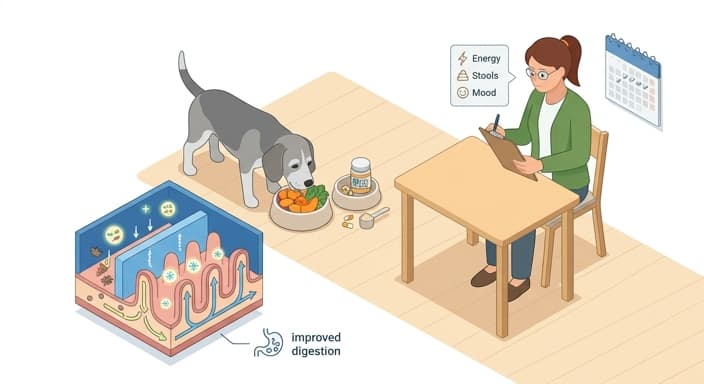
Prebiotics and probiotics are also essential components of a personalized senior diet. Fiber, particularly soluble fiber like beet pulp or psyllium, can help regulate bowel movements and stabilize blood sugar, but the type and amount must be carefully titrated. Too much fiber can inhibit the absorption of vital minerals, which is the last thing an aging dog needs. By analyzing the dog’s stool quality, energy levels, and skin health, we can fine-tune the fiber and probiotic content to maintain a healthy gut barrier. A healthy gut is the foundation of the immune system, and in the senior years, maintaining a robust immune response is our best defense against the opportunistic infections that often plague older companions.
Implementing the Plan: Monitoring and Iterative Adjustments
The most critical aspect of any personalized nutrition plan is that it must be dynamic. A nutrition plan created at age seven should not look the same at age twelve. Your dog’s needs will evolve as their activity level changes and as new age-related conditions potentially emerge. I encourage my clients to keep a "Senior Vitality Journal." This is a simple tool where you track your dog's weight, body condition score (BCS), stool quality, energy levels, and any changes in coat health. If you notice a sudden drop in weight, it may not be time to simply "feed more"; it may be time for a veterinary check-up to rule out endocrine issues like diabetes or hyperthyroidism.
Personalized nutrition requires a partnership between the owner and the veterinarian. We should be performing routine blood work—specifically looking at renal and liver values—every six months for a senior dog. These numbers act as the compass that guides our nutritional adjustments. If we see a slight rise in liver enzymes, we might increase antioxidants. If we see a decrease in kidney function, we might adjust the phosphorus intake. This iterative process ensures that your dog is always receiving the exact fuel they need to thrive, not just survive. Remember, your dog cannot tell you how they feel, but their physical response to their diet is a language they speak fluently. Listen to what their body is telling you, and be prepared to pivot when necessary.
Conclusion
The journey into a dog’s senior years is a profound opportunity to deepen our bond through intentional, compassionate care. By moving away from the convenience of generic kibble and embracing the precision of a personalized nutrition plan, we are doing more than just feeding a dog; we are actively managing their cellular longevity and quality of life. Whether it is sourcing high-quality protein to combat muscle loss, incorporating targeted Omega-3s for joint health, or managing the delicate balance of their aging microbiome, every detail matters. The goal is to provide your companion with the best possible defense against the ravages of time, ensuring their golden years are characterized by the same joy, movement, and vitality that defined their youth. With a proactive, veterinarian-supported approach, you aren't just adding years to their life—you are adding life to their years.
Common Questions
🤔
Frequently Asked Questions
What is precision longevity nutrition for senior dogs?▼
Precision longevity nutrition is a veterinarian-guided, individualized dietary plan that accounts for a dog's metabolic rate, muscle mass, organ health, and digestive tolerance. It shifts the focus from merely counting calories to optimizing nutrient density and protein quality. By tailoring macronutrients and micronutrients to the individual, owners can support sustained vitality and comfort in retirement.
Why can't you just feed the same high-calorie maintenance diet to senior dogs?▼
In aging dogs, sarcopenia and endocrine signaling change how energy is used. Excess calories tend to be stored as adipose tissue that can drive inflammation and pain from osteoarthritis and stress the kidneys and liver. A senior diet should balance protein, fats, and carbohydrates to preserve lean mass while preventing obesity.
What role does protein quality play in senior nutrition?▼
Low-quality proteins fail to deliver essential amino acids, which can accelerate muscle loss despite eating enough quantity. Complete proteins with balanced amino acids, particularly leucine, support muscle protein synthesis in older dogs. Digestibility matters; consider sources with high bioavailability and low anti-nutritional factors. Additionally, protein planning should account for each dog's kidney and liver health.
How can owners start implementing a personalized plan at home?▼
Consult a veterinarian to obtain a tailored assessment and plan. Monitor body weight and condition, adjusting portions based on a consistent body condition score. Schedule regular check-ups and blood work to catch renal or hepatic issues early and refine protein and energy targets. If transitioning to new diets, do so gradually to minimize GI upset.