Blog6/10/2026
Personalized Nutrition Plans for Senior Pets: Precision Care
6 mins Read
The Briefing
Quick takeaways for the curious
Senior nutrition is not just a marketing label; aging pets require a precise, personalized plan tailored to their unique metabolic and digestive changes.
Relying on a static, high-calorie diet for a sedentary senior can promote obesity and organ strain, while some pets need calorie-restricted or high-protein strategies to preserve lean mass.
Managing protein quality and bioavailability is crucial; prioritize easily digestible, high-quality proteins and targeted nutraceuticals to support muscle, kidneys, and overall vitality.
Micronutrient balance and anti-inflammatory support are essential, as chronic inflammation drives cognitive decline, arthritis, and organ dysfunction; plan should include forms and dosages that the aging gut can absorb.
A veterinarian-guided, ongoing reassessment using body condition scoring and regular tests is essential to adapt the plan as the pet's needs shift over time.
There is a pervasive misconception among many pet owners that "senior nutrition" is simply a marketing label found on bags of kibble, often overlooking the fact that the physiological shifts of an aging pet are as complex and individual as those of a human entering their golden years. As a veterinarian consultant, I frequently see well-meaning pet parents who continue to feed their senior cats and dogs the same high-calorie, generic maintenance diet they provided during their prime, failing to realize that metabolic slowdown, chronic inflammation, and altered nutrient absorption require a precise, personalized approach to sustain long-term vitality.
We are moving away from the outdated notion that senior pet care is a "one-size-fits-all" nutritional strategy, and toward a comprehensive understanding of "precision longevity nutrition," where a custom-built dietary plan serves as the primary barrier between a comfortable, active retirement and a decline marked by lethargy, weight fluctuations, and secondary organ stress. True health for an aging companion is not just about counting calories; it is about recognizing that their physiology is uniquely vulnerable to muscle wasting, micronutrient deficiencies, and digestive sensitivities, and that maintaining a veterinarian-guided, personalized nutrition plan is the most compassionate way to ensure their twilight years are defined by comfort rather than metabolic struggle.
The Metabolic Trap: Why Aging Changes Everything
The most dangerous myth in the modern pet care world is the "static requirement" theory—the idea that because your pet has eaten the same brand of food for eight years, they should continue to do so until the end. In reality, the aging process triggers a cascade of internal changes. Most notably, the basal metabolic rate (BMR) of a senior pet typically decreases by 20% to 30% as their activity levels drop and their lean muscle mass begins to atrophy.
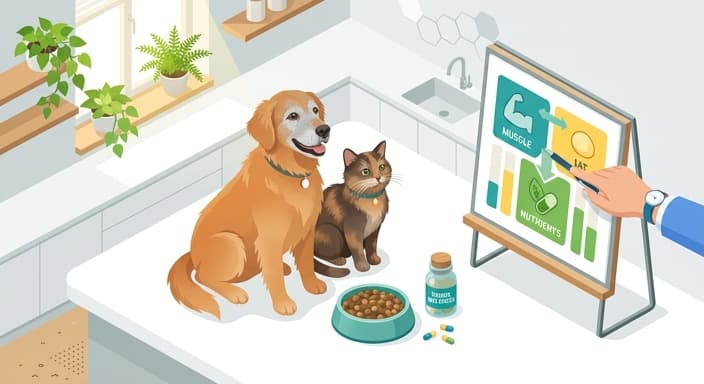
When we maintain a high-calorie diet for a sedentary senior, we are essentially fueling a fire that the body can no longer regulate, leading to obesity, which in turn exacerbates joint pain and puts unnecessary strain on the heart and liver. Conversely, some seniors experience "sarcopenia"—the involuntary loss of skeletal muscle—which can lead to weakness and frailty. A personalized plan accounts for these opposing risks. By performing a body condition score (BCS) assessment, we can determine whether your pet needs a calorie-restricted weight management diet or a nutrient-dense, high-protein intake to preserve muscle integrity. This isn't just about weight; it is about metabolic equilibrium.
The Role of Bioavailability and Protein Quality
As our pets age, their gastrointestinal tract often loses the efficiency it once possessed. The digestion of proteins and the absorption of essential vitamins and minerals—such as Vitamin B12, Zinc, and Omega-3 fatty acids—can become compromised. This is why "guaranteed analysis" labels on mass-market pet food can be misleading; it tells you what is in the food, but not how much your pet can actually utilize.
Personalized nutrition focuses on high-bioavailability proteins. For a senior, this means sourcing proteins that are easy to digest, such as hydrolyzed proteins or fresh, high-quality animal tissues, rather than heavy reliance on plant-based fillers or low-quality byproducts. We are looking for high amino acid profiles that minimize the workload on aging kidneys. When we customize a diet, we often look for specific "nutraceutical" additions—like glucosamine for joint health or prebiotics for gut flora—that are delivered in a form the senior digestive system can actually process.
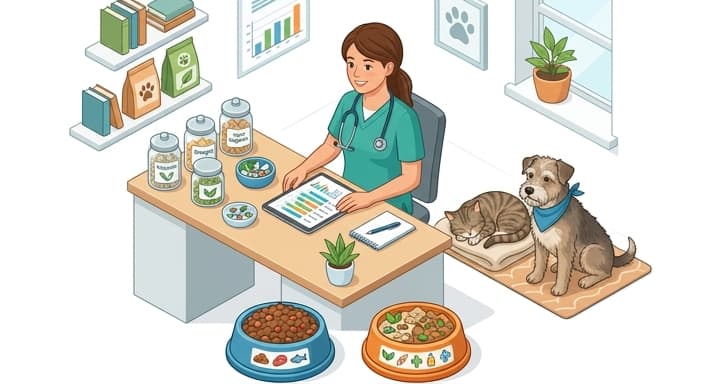
Managing Chronic Inflammation Through Targeted Micronutrients
Chronic, low-grade inflammation is the silent thief of vitality in senior pets. It contributes to cognitive decline, arthritis, and organ dysfunction. A generic "senior" kibble often lacks the therapeutic levels of anti-inflammatory compounds necessary to combat this. Personalized nutrition plans allow us to introduce specific, evidence-based supplements that act as metabolic stabilizers.
For example, increasing the concentration of Omega-3 fatty acids (specifically EPA and DHA from marine sources) is a cornerstone of my senior protocols. These fatty acids serve as natural anti-inflammatories that protect joint cartilage and support brain health in aging cats and dogs. Furthermore, antioxidants such as Vitamin E, Vitamin C, and selenium help neutralize the free radicals that accumulate as cells age. By tailoring these levels to the specific health markers of your pet—such as their bloodwork results—we can create a "buffer" that slows the progression of age-related conditions, effectively turning nutrition into a form of medicine.
The Hydration Factor and Kidney Support
One of the most overlooked aspects of senior nutrition is water intake. As pets age, their thirst drive often blunts, and their kidneys become less efficient at concentrating urine. This creates a state of chronic, low-level dehydration, which manifests as lethargy and increased risk of urinary tract infections or kidney stress.
In a personalized plan, we address this not just by providing water, but by integrating moisture directly into the diet. For many of my senior patients, I strongly advocate for a transition to wet food or the addition of filtered water/low-sodium bone broth to their meals. This simple, personalized adjustment can significantly reduce the workload on the kidneys and improve the pet's overall energy levels. Furthermore, we monitor phosphorus levels closely. In older pets, keeping dietary phosphorus within a specific, restricted range is one of the most clinically proven ways to extend lifespan and maintain renal health. A personalized plan ensures that these numbers are kept in check before they ever show up as elevated values on a blood test.
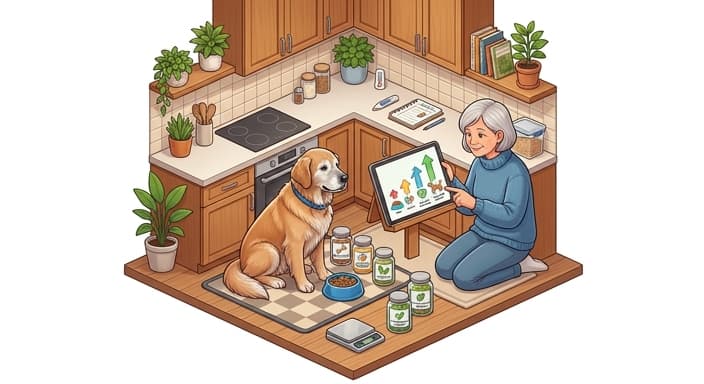
Implementing the Plan: From Consultation to Bowl
Transitioning your senior pet to a personalized nutrition plan should never be a "cold turkey" event. Their digestive systems are more sensitive to change than they were in their youth. The process should be a gradual, multi-week transition, with close monitoring of stool quality, energy levels, and appetite.
The first step is always a comprehensive geriatric panel performed by your veterinarian. We need to know where your pet stands regarding kidney values, liver enzymes, and blood glucose. Once we have this baseline, we can create a "recipe" for their health. This might involve a commercial diet that meets specific high-quality criteria, or it may involve a home-prepared, veterinarian-formulated diet if your pet has complex allergies or advanced health issues. The key is consistency. Once we find the "sweet spot" for their caloric intake and nutrient balance, it acts as a foundation. You will likely notice improvements within four to six weeks: a brighter coat, increased mobility, and a return of that youthful "spark" in their eyes.
Embracing the Twilight Years with Proactive Care
Personalized nutrition is not a luxury; it is the most effective tool we have for extending the quality of life for our aging companions. By moving away from generic labels and embracing a science-backed, individualized approach, we shift our role from passive observers of the aging process to active participants in our pets' health. Whether it is adjusting protein levels for kidney support, balancing fatty acids for inflammation, or simply ensuring optimal hydration, these small, calculated changes add up to significant longevity.
Your pet has given you years of unconditional love and companionship; the greatest way to honor that bond is to ensure their final chapters are written with the same care and attention they deserve. If you are noticing the signs of aging in your dog or cat, don't wait for a crisis to occur. Reach out to your veterinary team, discuss a geriatric nutritional assessment, and take the first step toward a precision plan that celebrates their past while protecting their future.
Common Questions
🤔
Frequently Asked Questions
What does precision longevity nutrition mean for senior pets, and how is it different from generic 'senior' diets?▼
Precision longevity nutrition means tailoring a plan to your individual pet's metabolism, inflammation status, digestion, and nutrient absorption, with veterinary guidance. It moves beyond the one-size-fits-all 'senior' label and uses regular assessments such as body condition scoring and, when needed, laboratory tests to adjust macro- and micronutrients. The goal is to maintain muscle, cognitive health, and organ function through a customized balance of calories, protein quality, and targeted supplements.
How can I tell if my senior dog or cat needs fewer calories or more protein?▼
Start with a body condition score and monitor weight trends over time, ideally with your veterinarian. Aging pets often have a lower metabolic rate but may also lose muscle mass, so some require calorie restriction to prevent obesity while others need higher protein to preserve lean tissue. Your vet can guide the exact targets and adjust the diet based on activity level, health status, and bloodwork, ensuring the plan supports metabolic balance rather than just weight loss.
Why focus on protein quality and bioavailability in older pets?▼
As pets age, digestion and nutrient absorption can decline, so the source and digestibility of protein matter more than total protein grams alone. High-quality proteins or hydrolyzed options are easier to digest and place less strain on aging kidneys, while providing essential amino acids for muscle maintenance. This approach, often combined with gut-friendly nutraceuticals, supports vitality without overloading the digestive system.
What role do micronutrients and anti-inflammatory components play, and how should they be delivered?▼
Micronutrients such as B vitamins, zinc, and omega-3 fatty acids, along with anti-inflammatory additives like glucosamine, may help cognitive function, joints, and organ health in seniors. They should be chosen for bioavailability and delivered in forms that your pet’s aging gut can absorb, often under veterinary supervision. Doses and combinations should be tailored to the pet's needs and regularly re-evaluated as health status changes.