Blog6/8/2026
Personalized Nutrition Plans for Senior Dogs: Precision Longevity
6 mins Read

The Briefing
Quick takeaways for the curious
Senior nutrition is not a marketing label; aging dogs require a personalized approach that accounts for metabolic slowdown, chronic inflammation, and altered nutrient absorption.
A precision longevity nutrition plan, guided by a veterinarian, serves as the primary tool to maintain vitality and prevent weight fluctuations and organ stress in the twilight years.
One size does not fit all: focus on protein quality and bioavailability to combat sarcopenia while keeping fat at a heart-healthy level, and choose easily digestible, nutrient-dense ingredients.
A thorough nutritional audit that reviews medical history, blood work, and activity levels is essential before tailoring a diet to address conditions like kidney issues or mobility limitations.
The big three pillars of senior nutrition are joint support, cognitive function, and gut health, achieved through targeted omega-3s, antioxidants, and gut-friendly ingredients.
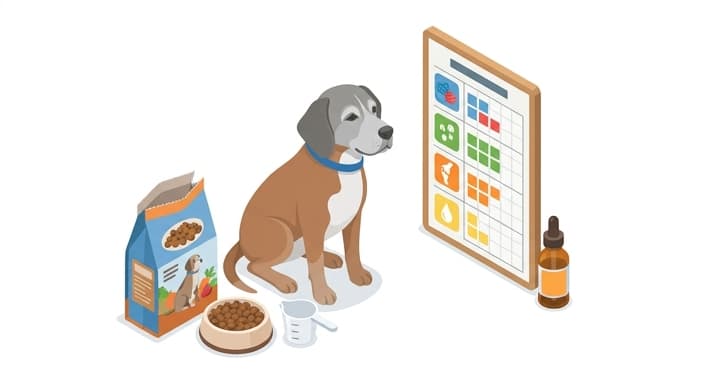
There is a pervasive misconception among many pet owners that "senior nutrition" is simply a marketing label found on bags of kibble, often overlooking the fact that the physiological shifts of an aging dog are as complex and individual as those of a human entering their golden years. As a veterinarian consultant, I frequently see well-meaning pet parents who continue to feed their senior dogs the same high-calorie, generic maintenance diet they provided during their prime years, failing to realize that metabolic slowdown, chronic inflammation, and altered nutrient absorption require a precise, personalized approach to sustain long-term vitality.
We are moving away from the outdated notion that senior pet care is a "one-size-fits-all" nutritional strategy, and toward a comprehensive understanding of "precision longevity nutrition," where a custom-built dietary plan serves as the primary barrier between a comfortable, active retirement and a decline marked by lethargy, weight fluctuations, and secondary organ stress. True health for an aging companion is not just about counting calories; it is about recognizing that their physiology is uniquely vulnerable to protein degradation, micronutrient deficiencies, and digestive sensitivities, and that maintaining a veterinarian-guided, personalized nutrition plan is the most compassionate way to ensure their twilight years are defined by comfort rather than metabolic struggle.
The Metabolic Trap: Why Senior Dogs Require Specialized Fuel
The most dangerous myth in the modern pet care world is the "Maintenance Fallacy"—the belief that if a dog is still eating their usual portion with enthusiasm, their nutritional needs remain unchanged. In reality, the aging process triggers a significant reduction in the basal metabolic rate (BMR), meaning that the same amount of food that kept a dog at a healthy weight at age five will almost inevitably lead to obesity by age ten. Obesity in senior dogs is not merely an aesthetic concern; it is a clinical precursor to systemic inflammation, exacerbating arthritic pain, increasing the workload on the heart, and placing undue stress on the kidneys and liver.
Beyond caloric density, we must look at protein quality and bioavailability. As dogs age, their bodies become less efficient at synthesizing muscle mass, a condition known as sarcopenia. Simply reducing the total amount of food can lead to muscle wasting if the protein source is poor or insufficient. A personalized plan prioritizes high-biological-value proteins—such as lean poultry, fish, or specific plant-based proteins—to maintain lean muscle mass while keeping fat levels at a moderate, heart-healthy percentage. Furthermore, senior dogs often deal with sub-clinical digestive changes, such as reduced gastric acid secretion, which makes easily digestible, nutrient-dense ingredients essential for preventing malnutrition.
Mapping the Biological Blueprint: Beyond the Bag
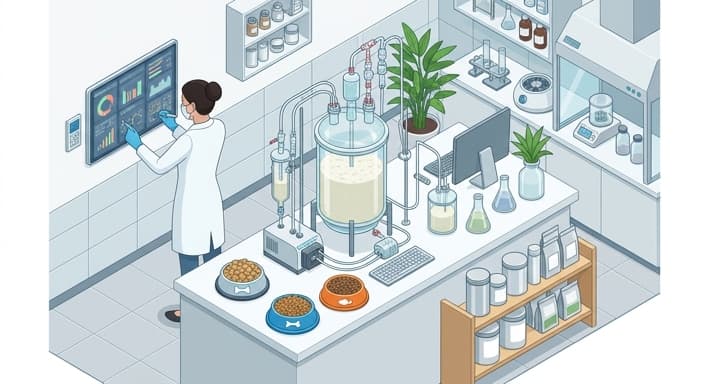
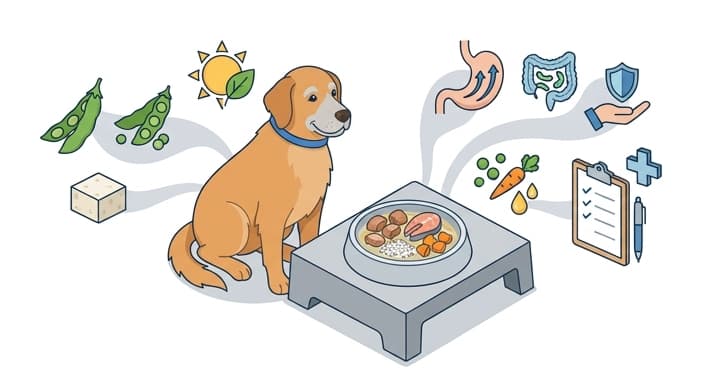
Transitioning to a personalized nutrition plan begins with a comprehensive "nutritional audit." As your veterinarian, I don’t just look at the dog in front of me; I look at their medical history, blood chemistry panels, and activity levels. A dog with early-stage renal insufficiency requires a drastically different phosphorus and protein profile than a dog struggling with mobility issues due to osteoarthritis. If we treat every senior dog the same, we ignore the specific biochemical "fingerprint" of their aging process.
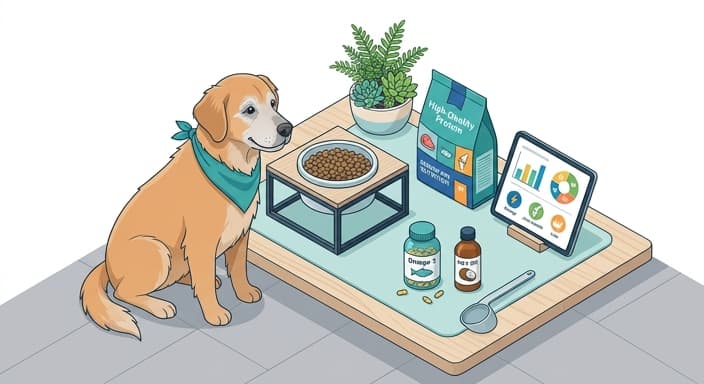
To build an effective plan, we must consider the "Big Three" of senior nutrition: Joint Support, Cognitive Function, and Gut Health. For joint support, look for diets enriched with Omega-3 fatty acids (specifically EPA and DHA from fish oil) to reduce systemic inflammation. For cognitive function, antioxidants like Vitamin E, Vitamin C, and specialized botanical compounds can help combat oxidative stress in the brain, potentially slowing the onset of Canine Cognitive Dysfunction (CCD). Finally, gut health—often overlooked—is paramount. Prebiotics and probiotics tailored for senior systems can improve nutrient absorption and immune function, which naturally wanes as a dog ages. You aren’t just feeding a dog; you are fueling a complex, aging biological machine.
The Hydration-Nutrition Link: Addressing Sub-Clinical Dehydration
A critical, yet often ignored, component of senior nutrition is the hydration factor. Aging dogs are prone to "silent dehydration," as their thirst response tends to diminish, and their kidneys may become less efficient at concentrating urine. Dry kibble, while convenient, contains very little moisture. When we design a personalized plan, we often advocate for a "blended diet" approach—incorporating high-quality, moisture-rich wet food or fresh, vet-approved toppers to ensure that every meal provides a hydration boost.
Hydration is not just about thirst; it is about organ perfusion. Well-hydrated tissues are better at flushing out metabolic waste, which reduces the toxic load on a senior dog’s filtering organs. If you notice your senior dog is becoming pickier or seems lethargic after eating, it may not be a loss of appetite, but a symptom of digestive fatigue exacerbated by a lack of moisture. Adding warm, low-sodium bone broth (free of onions and garlic) or rehydrating dry food with warm water can significantly enhance the palatability and digestibility of their meals, turning a routine feeding into a therapeutic intervention.

Implementing the Plan: Transitioning and Monitoring
Implementing a personalized diet is a marathon, not a sprint. The most common mistake pet parents make is switching a senior dog to a new diet overnight, which can lead to gastrointestinal distress and a negative association with the new food. A proper transition should be gradual, spanning 7 to 10 days, where you slowly decrease the old food while increasing the new, personalized formulation. During this time, keep a "Nutrition Journal"—tracking not just stool quality and appetite, but energy levels, joint stiffness in the morning, and skin/coat condition.
Furthermore, these plans are not static. A personalized nutrition plan for a senior dog should be reviewed every six months. As your dog ages, their needs will evolve; a diet that works perfectly for an eleven-year-old may need to be adjusted for a thirteen-year-old as their mobility decreases or their organ function changes. Regular blood work—specifically checking kidney values (SDMA and creatinine) and liver enzymes—is the only way to ensure that the nutrition we are providing is actually supporting their internal health rather than just filling their stomach.
The Compassionate Choice: Investing in Longevity
Ultimately, personalized nutrition is an act of love that extends the time we have with our companions. By moving away from generic feeding habits and embracing a medical-grade, individualized approach, we provide our senior dogs with the building blocks they need to age with dignity. Whether it is managing weight, supporting arthritic joints, or simply making their daily meals more palatable and digestible, the effort we put into their food is directly reflected in the quality of their golden years.
Remember that you are the primary advocate for your pet’s health. If you feel that your senior dog is slowing down, losing muscle, or struggling with their appetite, don't wait for a crisis to occur. Reach out to your veterinary team to discuss a nutritional strategy that considers their unique history and future needs. When we prioritize high-quality, personalized nutrition, we are choosing to invest in our pets’ comfort, mobility, and happiness, ensuring that their final chapters are just as vibrant and full of life as their very first.
Common Questions
🤔
Frequently Asked Questions
What is precision longevity nutrition for senior dogs and why is it important?▼
Precision longevity nutrition treats each aging dog as a unique case. It requires a veterinarian guided plan that goes beyond calories, tailoring protein, micronutrient balance, and digestibility to individual physiology. This approach helps sustain vitality, limit weight swings, and reduce the risk of secondary organ stress as dogs age.
How do aging and sarcopenia influence protein and calorie needs in senior dogs?▼
As dogs age, their basal metabolic rate often declines, which lowers caloric needs but increases the risk of obesity if portions are not adjusted. Sarcopenia means muscle mass can shrink if protein quality or availability is poor, so the plan emphasizes high biological value proteins and easy-to-digest sources. Balancing calories with quality protein supports lean mass while maintaining heart and joint health.
What does a veterinarian-guided nutritional audit include before creating a plan?▼
A nutritional audit reviews the dog's medical history, recent blood work, and activity level to map the biochemical fingerprints of aging. It helps decide appropriate protein, phosphorus, and micronutrient targets for conditions such as renal insufficiency or osteoarthritis. This audit ensures the planned diet addresses the dog's truly individual needs rather than generic guidelines.
What are the Big Three pillars of senior nutrition and how should they be supported?▼
The Big Three are joint support, cognitive function, and gut health. Joint health is supported with omega-3 fatty acids from fish oil to reduce inflammation; cognitive function benefits from antioxidants and brain-supportive compounds; gut health is aided by easily digestible, nutrient-dense ingredients. Together, these elements help aging dogs retain mobility, mental sharpness, and comfortable digestion.