Blog6/9/2026
Sustainable Lab-Grown Protein for Pets: A Cleaner Future
6 mins Read
The Briefing
Quick takeaways for the curious
Lab-grown protein offers a sustainable alternative to traditional livestock by dramatically reducing land use and water consumption in pet food production.
Relying on conventional factory farming for pet protein is increasingly unsustainable, and cultivated protein provides a path to decouple pet nutrition from high-impact farming.
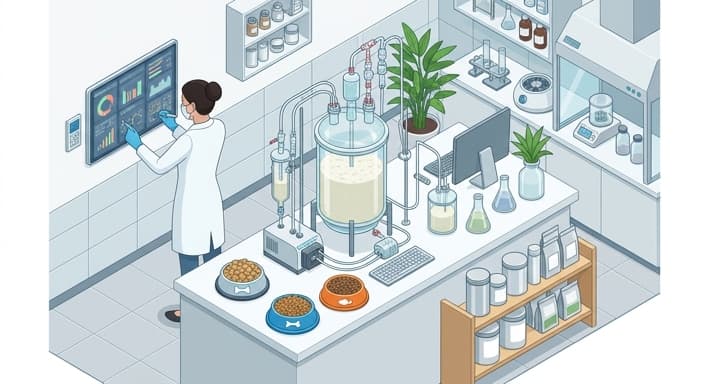
Cultivated protein is produced in sterile bioreactors, minimizing pathogen exposure and reducing the need for antibiotics in pet diets.
Because production is controlled, the nutrient profile of cultivated protein can be precisely calibrated for dogs and cats, potentially improving protein quality and bioavailability.
Adopting cellular agriculture for pets aligns animal health with environmental stewardship, supporting high-protein diets without compromising planetary health.
There is a pervasive misconception among many pet owners that the sustainability of our pets’ diets is an abstract concern for environmentalists, often overlooking the fact that the carbon footprint of global pet food production is a significant contributor to the ecological challenges facing our planet today. As a veterinarian consultant, I frequently see pet parents who are deeply invested in the health of their own families’ food sources but fail to realize that the resource-heavy reliance on traditional livestock for pet protein is a primary driver of land degradation, water scarcity, and greenhouse gas emissions.
We are moving away from the outdated notion that pet nutrition must come at the cost of environmental integrity, and toward a comprehensive understanding of "cellular agriculture," where lab-grown, or "cultivated," protein serves as the primary barrier between a high-impact traditional diet and a future of sustainable, nutritionally superior pet care. True stewardship for a companion animal is not just about feeding them a protein-rich meal; it is about recognizing that their physiological protein requirements can be met through innovative, sterile, and highly controlled processes that eliminate the risks of pathogens and antibiotic overuse while preserving our planet for the next generation of pets and people alike.
The Protein Paradox: Why Traditional Livestock Isn't Sustainable
The most dangerous myth in the modern pet care world is the "Infinite Resource Fallacy"—the belief that we can continue to scale global pet food production using conventional factory farming without causing irreparable harm to our ecosystem. As our global pet population grows, the demand for high-quality meat-based diets has surged, creating a massive logistical and ethical burden. Conventional livestock farming is notoriously inefficient; it requires vast swaths of land for grazing and feed-crop production, consumes staggering amounts of potable water, and contributes significantly to the methane emissions that accelerate climate change.
From a veterinary perspective, the issue is twofold: we must balance the essential amino acid profiles our pets require with the reality of supply chain volatility. Lab-grown protein, or cultivated meat, is produced by taking a small sample of cells from an animal and allowing them to multiply in a bioreactor under controlled conditions. This process creates genuine animal muscle tissue without the need to raise, slaughter, or process an entire animal. By bypassing the "middleman" of the livestock animal, we drastically reduce the land and water footprint of each bowl of kibble, offering a path forward that preserves the high-protein intake our carnivores and omnivores need while aligning with the environmental values of the modern pet parent.
Beyond the Lab: Nutritional Purity and Bioavailability
One of the most frequent questions I receive in my consulting practice is whether cultivated protein can truly match the nutritional density of traditional meat. The answer is not just a simple "yes"—it is often a "better." In the traditional meat industry, the quality of the protein can fluctuate based on the health of the animal, its diet, and the processing methods used. Cultivated protein, however, is produced in a sterile, clinical environment where the nutrient profile can be precisely calibrated.
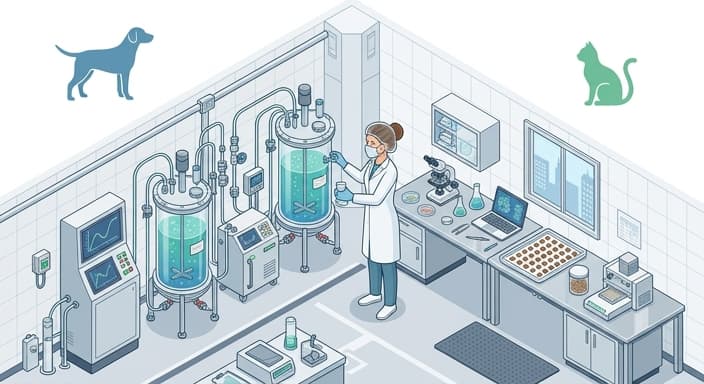
By controlling the growth medium, scientists can ensure that the final product contains the exact amino acid ratio, fatty acid content, and mineral density that a dog or cat requires for optimal health. Furthermore, because cultivated meat is produced in a closed system, it is fundamentally free from the common contaminants that plague the industrial meat supply. We are talking about the elimination of salmonella, E. coli, and campylobacter, which are persistent risks in raw and traditional meat sourcing. Additionally, because the animals are never raised in crowded feedlots, there is no need for the prophylactic use of antibiotics, effectively removing the pet food supply chain as a contributor to the global crisis of antibiotic resistance.
The Digestibility Advantage for Sensitive Pets
Many of the pets I see in my clinic suffer from chronic gastrointestinal distress, food allergies, or inflammatory skin conditions, many of which are exacerbated by low-quality animal by-products found in lower-tier pet foods. The "protein source" is often the primary suspect in these cases. Cultivated protein offers a unique advantage here: it is "clean" protein in the truest sense.
Because we can cultivate specific cell lines, we can avoid the inflammatory proteins that are common in heavily processed meats. For a dog with a sensitive gut, a diet built on a highly refined, consistent, and pure source of lab-grown chicken or beef can be a game-changer. It provides the essential building blocks—taurine, L-carnitine, and essential fatty acids—without the "noise" of additives, growth hormones, or environmental pollutants that can trigger immune responses in hypersensitive pets. Feeding a pet a consistent, lab-verified protein source allows us to manage their health with a degree of precision that was previously impossible, essentially allowing us to "dial in" their nutrition to support a healthy microbiome and a robust immune system.
Transitioning Your Pet to Sustainable Alternatives
Transitioning a pet to a novel, sustainable protein source should be approached with the same care as any other dietary change. I always recommend a gradual transition over 7 to 10 days, slowly introducing the new cultivated diet while phasing out the old, to allow the pet’s gut flora to adapt. Start by mixing 25% of the new sustainable food with 75% of the current diet, and observe your pet for any changes in stool quality, energy levels, or skin health.

It is also important to look for brands that prioritize transparency. As this technology enters the market, look for companies that publish their third-party testing results and are clear about their sourcing and bioreactor processes. When you choose a sustainable protein, you aren't just buying food; you are casting a vote for a more efficient and humane food system. As a veterinarian, I am encouraged by the data surrounding these products, as they represent the perfect intersection of high-end clinical nutrition and ethical environmental stewardship. If your pet has a history of allergies or if you are simply looking to reduce your household's carbon footprint, testing a cultivated protein diet is one of the most proactive steps you can take.
The Future of Veterinary Nutrition: A Holistic Shift
We are standing at the threshold of a new era in pet nutrition. Just as we have moved toward personalized longevity plans for our aging companions, we are now evolving toward a model of "planetary-aware nutrition." The transition to lab-grown protein is not merely a trend; it is a fundamental shift in how we understand our responsibility to our pets and the world they inhabit. By prioritizing protein sources that are grown rather than harvested, we reduce the burden on our planet without compromising the health or longevity of the animals we love.
As pet parents, we are the gatekeepers of our companions' health. Choosing sustainable, cultivated proteins is a profound way to align our love for our pets with our desire for a healthier, more sustainable planet. As this technology continues to mature and becomes more accessible, I encourage you to consult with your veterinarian about incorporating these innovative, high-quality proteins into your pet's life. It is, quite simply, the most compassionate and forward-thinking way to ensure that your companion thrives today, while the world they walk upon remains vibrant and healthy for all the days to come.
Common Questions
🤔
Frequently Asked Questions
What is cellular agriculture and how does cultivated protein work for pets?▼
Cellular agriculture refers to producing animal proteins directly from living cells rather than raising and slaughtering animals. For pets, cultivated protein is produced by harvesting a small sample of cells and growing them in a controlled bioreactor, forming muscle tissue that can be processed into pet food. This approach eliminates the need for traditional ranching, reducing land, water use, and greenhouse gas emissions. In practice, it can deliver the same amino acids and texture pets expect with fewer ecological drawbacks.
How does cultivated protein compare nutritionally and in bioavailability to traditional meat in dogs and cats?▼
Cultivated protein can be tailored for precise amino acid profiles, fatty acids, and minerals, offering a consistency that is often hard to achieve with traditional meat. Because production occurs in a sterile facility, the risk of contamination can be reduced compared with traditional meat. Early evidence suggests comparable or even improved digestibility and nutrient bioavailability when the product is properly formulated for dogs and cats. Diet formulation and veterinary oversight remain essential to ensure balance and palatability.
What are the environmental and health benefits of switching to lab-grown pet protein?▼
Environmental benefits include dramatically reduced land and water use, lower methane emissions, and less waste associated with slaughter and processing. The closed production system minimizes pathogen risks and antibiotic use. For pet health, consistent protein quality and controlled nutrient profiles support meeting species-specific needs. Together, these factors position cultivated protein as a compatible option for pet owners seeking both animal welfare and planetary stewardship.
What challenges remain for adoption of lab-grown pet protein and how are they being addressed?▼
Challenges include regulatory approvals, consumer acceptance, and the need for scalable, cost-effective manufacturing. Ongoing research aims to optimize taste, texture, and nutrient composition to match or exceed conventional products. Supply chains and labeling standards are being developed to help veterinarians and pet parents compare options. Education and transparent communication about safety, ethics, and environmental impact are essential for broad adoption.