Blog6/10/2026
Personalized Nutrition Plans for Senior Dogs: Precision Longevity
6 mins Read
The Briefing
Quick takeaways for the curious
Senior dogs require a personalized nutrition plan that accounts for aging physiology rather than a generic senior label.
Precision longevity nutrition uses veterinarian guided adjustments to protein density, phosphorus, and other nutrients to support lean muscle, kidney health, and overall vitality.
Regular biomarker monitoring through comprehensive blood work and urinalysis informs dietary changes and helps catch renal, inflammatory, or metabolic shifts early.
Functional ingredients such as EPA and DHA omega-3 fatty acids and targeted joint and cognitive supports become central to managing Canine Cognitive Dysfunction and Osteoarthritis in a personalized plan.
Smart portion control paired with nutrient-dense calories and protein-to-calorie balance prevents obesity while protecting muscle mass and organ function.
There is a pervasive misconception among many pet owners that "senior nutrition" is simply a marketing label found on bags of kibble, often overlooking the fact that the physiological shifts of an aging dog are as complex and individual as those of a human entering their golden years. As a veterinarian consultant, I frequently see well-meaning pet parents who continue to feed their senior dogs the same high-calorie, generic maintenance diet they provided during their prime years, failing to realize that metabolic slowdown, chronic inflammation, and altered nutrient absorption require a precise, personalized approach to sustain long-term vitality.
We are moving away from the outdated notion that senior pet care is a "one-size-fits-all" nutritional strategy, and toward a comprehensive understanding of "precision longevity nutrition," where a custom-built dietary plan serves as the primary barrier between a comfortable, active retirement and a decline marked by lethargy, weight fluctuations, and secondary organ stress. True health for an aging companion is not just about counting calories; it is about recognizing that their physiology is uniquely vulnerable to protein degradation, micronutrient deficiencies, and digestive sensitivities, and that maintaining a veterinarian-guided, personalized nutrition plan is the most compassionate way to ensure their twilight years are defined by comfort rather than metabolic struggle.
The Metabolic Trap: Why Senior Dogs Require Specialized Fuel
As dogs age, their basal metabolic rate typically declines by 15% to 20%. This physiological shift means that the "maintenance" diet they thrived on at age five is now a recipe for obesity at age twelve. However, simply reducing the volume of food can be a dangerous error. When we restrict portion sizes without adjusting nutrient density, we risk creating deficiencies in essential vitamins, minerals, and amino acids that an aging body needs even more urgently than a younger one.
The "metabolic trap" occurs when we equate weight management with calorie restriction alone. Senior dogs often suffer from sarcopenia—the age-related loss of skeletal muscle mass. To combat this, we need to focus on high-quality, highly digestible proteins that provide the necessary building blocks for muscle maintenance without overwhelming the kidneys or liver. Personalized nutrition allows us to adjust the protein-to-calorie ratio, ensuring the dog feels satiated while maintaining the lean muscle mass required to support arthritic joints and mobility.
Decoding the Biomarkers of Aging
To truly personalize a nutrition plan, we must look beyond the surface. Every senior dog has a unique internal "map" defined by their medical history, genetic predispositions, and current organ function. As a consultant, I recommend that every owner of a senior dog invest in comprehensive blood chemistry panels and urinalysis at least every six months. These tests act as a compass for nutritional adjustments.
For instance, if blood work reveals early-stage renal markers, we might pivot toward a diet with restricted phosphorus levels and high-quality, lower-volume protein to reduce the workload on the kidneys. If we see elevated inflammatory markers, we can increase the inclusion of Omega-3 fatty acids, specifically EPA and DHA, which have been shown to modulate systemic inflammation and improve cognitive function in aging canines. Personalized nutrition isn't just about what we put in the bowl; it’s about responding to the silent, internal signals our dogs are sending us through their biological data.
The Role of Functional Ingredients in Cognitive and Joint Support
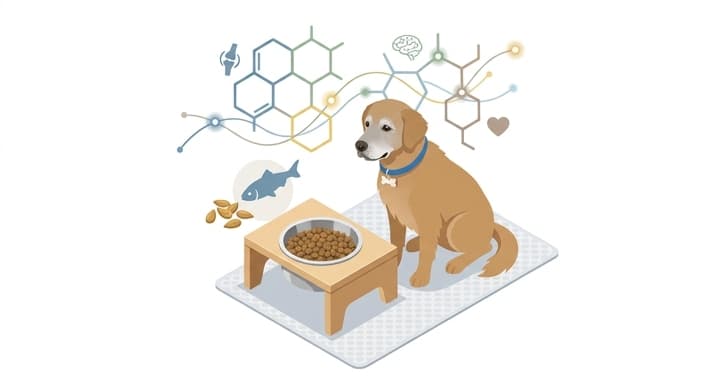
When we discuss precision longevity, we must talk about functional ingredients—nutrients that go beyond basic sustenance to provide therapeutic benefits. Senior dogs face two primary hurdles: cognitive decline (Canine Cognitive Dysfunction) and joint degradation (Osteoarthritis). A personalized plan should incorporate targeted nutraceuticals that are tailored to the dog's specific needs.
For joint health, glucosamine and chondroitin are staples, but for the senior dog, we should be looking at the inclusion of undenatured type II collagen and green-lipped mussel, which offer superior bioavailability. For cognitive health, medium-chain triglycerides (MCTs) have shown remarkable potential in providing an alternative energy source for the aging brain, helping to reduce the "brain fog" often associated with senior years. By incorporating these into a custom-balanced diet, we are essentially providing "nutritional medicine" that helps preserve our dogs' personality and zest for life.
Navigating Digestive Sensitivity and Nutrient Absorption
As dogs enter their golden years, the gut microbiome often shifts, leading to decreased efficiency in nutrient absorption. You may notice your dog becoming more sensitive to certain ingredients that they tolerated perfectly when they were younger. A personalized nutrition plan takes these digestive hurdles into account by focusing on "bioavailability."
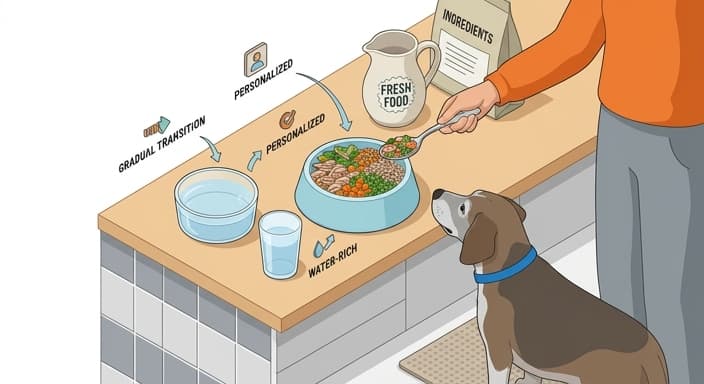
This often means shifting toward diets that utilize prebiotics and probiotics to support gut flora, as well as choosing ingredients that are easily broken down, such as hydrolyzed proteins or specific complex carbohydrates. Furthermore, texture matters. Many seniors suffer from dental issues, making hard kibble painful to chew. Transitioning to a personalized fresh-food diet—or even a high-quality canned format—can improve caloric intake and hydration levels simultaneously. Proper hydration is the unsung hero of senior health; it supports kidney function and keeps the digestive tract moving smoothly, which is crucial for preventing the constipation that often plagues older, less active dogs.
Implementing a Sustainable Feeding Routine for Seniors
Transitioning to a personalized plan should never be an abrupt overhaul. Your dog’s digestive system needs time to adapt to new nutrient profiles. When working with a veterinarian to develop this plan, start by identifying the "non-negotiables": what is the dog’s weight goal, what are the specific clinical concerns (e.g., heart health, joint health), and what are their food preferences?
Practical tips for implementation include:
- The "Slow Transition" Method: Over 7–10 days, gradually increase the new, specialized food while decreasing the old, mixing them together to avoid GI upset.
- Small, Frequent Meals: Instead of one or two large meals, offer three or four smaller ones. This minimizes post-prandial blood sugar spikes and helps keep the metabolism steady throughout the day.
- Precision Measurement: Ditch the scoop. Use a digital scale to measure food by weight rather than volume. A few extra grams of kibble per meal can add up to significant weight gain over a month for a sedentary senior.
- Monitor the "Gold Standard": Keep a log of your dog’s energy levels, stool quality, and body condition score (BCS). If you notice a decline in coat health or energy, it’s a cue to re-evaluate the nutrient ratios with your vet.
The Compassionate Choice for the Twilight Years
Ultimately, precision nutrition is one of the most effective tools we have to extend the "healthspan" of our dogs—the period of their lives spent in good health, free from chronic disease. By moving away from generic senior bags and toward a data-driven, personalized approach, we are essentially gifting our companions more quality time.
It is an investment of time and resources, yes, but the return is immeasurable: a dog that can still enjoy his daily walks, a mind that remains sharp enough to greet you at the door, and a body that isn't constantly fighting against inflammatory, poorly balanced fuel. As you embark on this journey of tailoring your senior dog’s diet, remember that you are not just feeding them; you are providing the foundation for their comfort, their happiness, and their continued presence in your life. Consult with your veterinarian today to begin the transition toward a truly personalized nutritional future for your aging best friend.
Common Questions
🤔
Frequently Asked Questions
What is precision longevity nutrition for senior dogs?▼
Precision longevity nutrition treats each aging dog as a unique case, using the dog's medical history, organ function, and current biomarker data to tailor the diet. It is veterinarian-guided and adjusts protein density, phosphorus, and micronutrients to support lean muscle and organ workload. This approach moves beyond generic 'senior' bags and targets the specific aging processes at play in the individual dog.
How should protein and calories be balanced for aging dogs to prevent sarcopenia and obesity?▼
A senior dog's diet should emphasize high-quality, highly digestible proteins and an adjusted protein-to-calorie ratio rather than simply reducing food volume. This helps preserve lean muscle mass and supports arthritic joints while avoiding micronutrient deficiencies. The goal is to satisfy appetite and energy needs without promoting obesity or overloading the kidneys and liver.
How often should owners check their dog's biomarkers, and which tests matter most?▼
Owners should aim for comprehensive blood chemistry panels and urinalysis at least every six months, or more often if health changes occur. Key markers include renal indicators such as creatinine and phosphorus, liver enzymes, inflammatory markers, and nutrient levels that inform dietary adjustments. Regular testing turns owner observations into data that guides personalized nutrition.
Which functional ingredients are most beneficial for cognition and joints in senior dogs, and how should they be incorporated?▼
Functional ingredients often include EPA and DHA omega-3 fatty acids to modulate inflammation and support brain health, as well as joint-supporting nutrients like glucosamine and chondroitin where appropriate, and antioxidants to aid cellular resilience. The incorporation should be guided by a veterinarian within the overall nutrition plan, usually through diet formulation or targeted supplements adjusted to the dog's biomarker data and tolerance. The result is a tailored mix that supports Canine Cognitive Dysfunction and Osteoarthritis while fitting the dog's kidney and liver workload.