Blog6/11/2026
Personalized Nutrition Plans for Senior Dogs: Precision Longevity
7 mins Read
The Briefing
Quick takeaways for the curious
Senior nutrition requires personalization beyond marketing labels and should account for the dog's unique aging physiology and health history.
A veterinarian-guided precision longevity nutrition plan is the best way to prevent metabolic decline and protect organs during retirement.
When adjusting for aging, dogs typically need fewer calories but higher quality, highly digestible protein to combat sarcopenia and preserve muscle mass.
Digestive efficiency declines with age, so choosing bioavailable ingredients and gentle nutrition, including prebiotics and omega-3 fatty acids, can support gut health and reduce inflammation.
Energy density should be balanced with nutrient density, and weight targets should be guided by body condition and muscle condition scores at each vet visit, especially if appetite declines.
There is a pervasive misconception among many pet owners that "senior nutrition" is simply a marketing label found on bags of kibble, often overlooking the fact that the physiological shifts of an aging dog are as complex and individual as those of a human entering their golden years. As a veterinarian consultant, I frequently see well-meaning pet parents who continue to feed their senior dogs the same high-calorie, generic maintenance diet they provided during their prime years, failing to realize that metabolic slowdown, chronic inflammation, and altered nutrient absorption require a precise, personalized approach to sustain long-term vitality.
We are moving away from the outdated notion that senior pet care is a "one-size-fits-all" nutritional strategy, and toward a comprehensive understanding of "precision longevity nutrition," where a custom-built dietary plan serves as the primary barrier between a comfortable, active retirement and a decline marked by lethargy, weight fluctuations, and secondary organ stress. True health for an aging companion is not just about counting calories; it is about recognizing that their physiology is uniquely vulnerable to protein degradation, micronutrient deficiencies, and digestive sensitivities, and that maintaining a veterinarian-guided, personalized nutrition plan is the most compassionate way to ensure their twilight years are defined by comfort rather than metabolic struggle.
The Metabolic Trap: Why Senior Dogs Require Specialized Fuel
As dogs transition into their senior years—typically around age seven for large breeds and age ten for smaller ones—their bodies undergo a significant metabolic shift. The most immediate change is a reduction in Basal Metabolic Rate (BMR). If you continue feeding the same caloric density as you did when your dog was a puppy or young adult, those surplus calories have nowhere to go but to the waistline. Obesity in senior dogs is not merely a cosmetic issue; it is a primary driver of systemic inflammation that exacerbates arthritis, strains cardiac function, and places undue stress on the liver and kidneys.
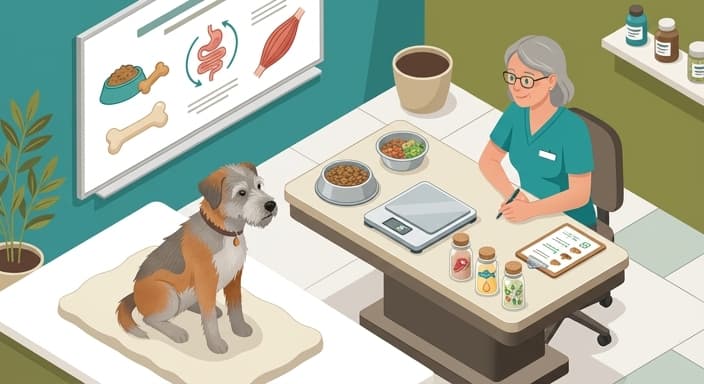
However, the "trap" lies in the oversimplification of "low-calorie" diets. Many commercial senior foods achieve lower calories by drastically reducing protein, which is often a mistake. As dogs age, their ability to synthesize muscle protein diminishes, leading to sarcopenia—the age-related loss of muscle mass. A personalized plan recognizes this paradox: the dog needs fewer calories, but often requires higher quality, highly digestible protein to maintain that vital muscle tone. Precision nutrition involves auditing your dog’s specific body condition score (BCS) and muscle condition score (MCS) during every vet visit to determine if you need to adjust for weight loss, weight maintenance, or muscle preservation.
The Role of Bioavailability and Digestive Efficiency
Aging is often accompanied by a decline in gastrointestinal efficiency. The gut microbiome of an elderly dog is less resilient to sudden dietary changes, and their ability to absorb fat-soluble vitamins and essential minerals can be compromised by subtle changes in digestive enzyme production. When designing a personalized plan, we must prioritize bioavailable ingredients—proteins that are easily broken down and utilized by the body without causing excessive waste or inflammation in the digestive tract.
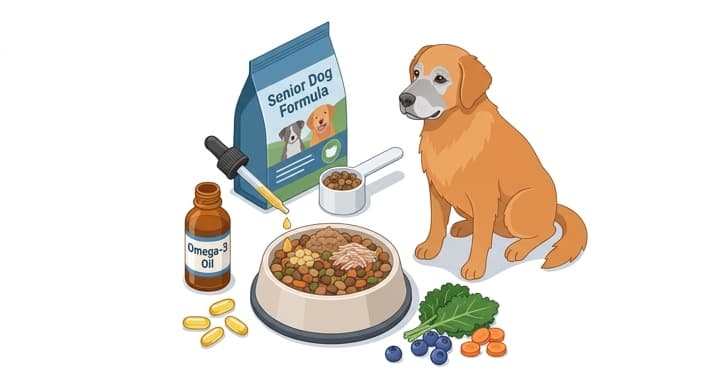
For many of my senior patients, this means moving toward "gentle nutrition." This involves incorporating functional fibers that support a healthy gut biome, such as prebiotics and moderate levels of fermentable fiber, which help regulate blood sugar and maintain stool quality. We also look for diets that are nutrient-dense rather than just caloric-dense. If your senior dog has a lower appetite, every bite must count. A personalized plan might introduce cold-pressed oils rich in Omega-3 fatty acids, specifically EPA and DHA, which have been clinically shown to reduce the inflammatory markers associated with joint pain and cognitive decline.
Addressing Chronic Inflammation Through Targeted Supplementation
Inflammation is the silent architect of most age-related diseases in dogs. By the time a dog reaches seniority, chronic, low-grade systemic inflammation often contributes to the degradation of cartilage in the joints and the oxidative stress that impacts brain health. A personalized nutrition plan goes beyond the bowl; it integrates specific nutraceuticals that act as a buffer against these processes.
When I consult with pet owners, I rarely recommend a generic "senior multivitamin." Instead, we look at the individual. Does the dog have early-onset cognitive dysfunction? We might add medium-chain triglycerides (MCTs) to support brain metabolism. Is the dog struggling with mobility? We prioritize therapeutic levels of glucosamine, chondroitin, and green-lipped mussel extract, which are more effective when introduced in a diet specifically formulated to support joint health. The key to precision nutrition is the synergy between the food and the supplement—ensuring that the nutrients work together to neutralize free radicals and support cellular repair. We must be vigilant about the balance of minerals as well; for instance, dogs with sub-clinical kidney issues require strict monitoring of phosphorus levels, which can be found in varying concentrations even in "premium" foods.
Navigating Organ Health: The Kidney and Heart Connection
As we age, our organ function naturally declines, and our dogs are no exception. The kidneys, responsible for filtering waste products from protein metabolism, can become less efficient over time. Personalized nutrition plans for seniors often involve a "renal-aware" approach. This does not mean putting a healthy senior on a restrictive kidney diet, but it does mean being mindful of protein quality and phosphorus intake. High-quality protein sources produce fewer metabolic waste products, which eases the burden on the kidneys while still providing the amino acids necessary for health.
Heart health is another pillar of senior longevity. Taurine, L-carnitine, and specific antioxidants like Vitamin E and selenium play critical roles in cardiac muscle function. In breeds prone to heart conditions, such as Cavalier King Charles Spaniels or Dobermans, a personalized plan might involve cardiac-supportive nutrients long before a murmur is detected. By adjusting the dietary sodium-to-potassium ratio and ensuring adequate hydration, we can support long-term cardiovascular resilience. This is why a personalized plan must always start with blood work; we need to know the baseline of your dog’s organ function to decide whether their diet needs to be restrictive, supportive, or simply optimized for their current level of health.

The Importance of Monitoring and Iterative Adjustments
One of the greatest mistakes a pet owner can make is to assume that a nutrition plan, once set, is permanent. Precision longevity nutrition is, by definition, a living, breathing process. Your dog’s requirements at age ten may be drastically different from their requirements at age thirteen. As a veterinarian, I recommend a "re-evaluation cycle" every six months for senior dogs. This involves a physical exam, a review of their mobility, and a discussion about their energy levels and appetite.
If your dog begins to struggle with movement, we might increase the concentration of anti-inflammatory fatty acids. If they lose weight despite eating, we might need to investigate malabsorption issues or dental pain that makes chewing difficult. Personalized plans are not just about what is in the bowl; they include how the food is delivered. For dogs with dental disease, we might transition to soft, nutrient-dense fresh food or hydrating stews. For dogs that are picky, we might use healthy, vet-approved toppers to encourage intake. The plan must be sustainable for you as an owner, too. If the regimen is too complex or costly, it won't be followed. Finding the "sweet spot" between clinical efficacy and your lifestyle is the true goal of veterinary nutrition consulting.
Crafting a Legacy of Vitality
The final years of a dog’s life should not be viewed as a period of inevitable decline, but as a phase of life that deserves its own specific standard of care. By shifting the focus from generic maintenance to personalized, data-driven nutrition, we can significantly influence the quality of our pets' golden years. It is about honoring the history of your companion by providing them with the exact tools they need to stay engaged, comfortable, and present.
When you invest in a personalized nutrition plan, you are doing more than managing calories; you are slowing the clock. You are reducing the pain of inflammation, supporting the clarity of their mind, and providing the internal strength required to enjoy their favorite walks and belly rubs for as long as possible. Consult with your veterinarian to move beyond the label on the bag and create a blueprint for longevity that is as unique as your dog. Their comfort, their health, and their happiness—the essence of their twilight years—are worth the effort of precision care.
Common Questions
🤔
Frequently Asked Questions
Why is senior dog nutrition not the same as simply feeding less?▼
Senior dogs require a careful balance of calories and nutrients because aging reduces metabolism while muscle mass declines. Simply cutting calories can worsen sarcopenia and compromise immune function. A personalized plan uses body condition scoring, lean protein, and nutrient-dense foods to maintain muscle and vitality.
How do veterinarians determine the right protein and calorie targets for an aging dog?▼
They assess body condition and muscle condition scores, monitor weight trends, and review kidney and liver function as part of a medical history. They also consider activity level, comorbidities, and appetite. Based on this, they select high-quality, easily digestible protein and set calorie targets to maintain weight and lean mass while supporting overall health.
What role do gut health and bioavailability play in a senior dog's diet?▼
The aging gut absorbs nutrients less efficiently, so choosing easily digestible proteins, fats, and micronutrients improves uptake and reduces waste. Fiber and prebiotics help regulate the gut microbiome, support stool quality, and stabilize blood sugar. Omega-3 fatty acids also help modulate inflammation and support overall digestive health.
What practical steps can owners take to start a personalized nutrition plan at home?▼
Schedule a veterinary visit to assess body condition, muscle mass, and relevant lab work. Work with your vet to select a nutrient-dense diet, appropriate protein levels, and proper portion sizes, then monitor weight and appetite over time. Make gradual transitions between foods, track daily intake, and adjust the plan based on periodic rechecks.