Blog6/11/2026
Sustainable Insect Protein for Pet Diets: Benefits and Adoption
6 mins Read

The Briefing
Quick takeaways for the curious
Insect protein, using black soldier fly larvae and crickets, offers a sustainable alternative to traditional livestock with a fraction of land, water, and carbon footprint.
Insect-based diets provide complete, bioavailable protein with essential amino acids such as taurine and methionine, supporting feline heart health and canine muscle maintenance.
The fats from black soldier fly larvae are rich in lauric acid, contributing antimicrobial and anti-inflammatory properties that support immune health and skin barrier function.
Insect ingredients preserve micronutrients like zinc, iron, and B-vitamins, delivering a cleaner nutrient profile compared with highly processed conventional diets.
Because insects are a relatively novel protein source in pet foods, they can serve as effective hypoallergenic options for many pets with food sensitivities and inflammation-related issues.
The global pet food industry is currently undergoing a silent revolution, one that challenges the traditional reliance on beef, chicken, and lamb in favor of a source that is as sustainable as it is biologically efficient: insect protein. As a veterinarian consultant, I am frequently approached by environmentally conscious pet parents asking if shifting their companions to a "six-legged" diet is just a passing trend or a genuine leap forward in canine and feline health. The reality is that insect-based nutrition offers a unique profile of hypoallergenic amino acids and high-quality fats that may actually outperform conventional livestock, proving that the future of pet wellness is as much about planetary health as it is about individual vitality.
We are moving away from the outdated notion that a high-protein diet must necessarily involve large-scale factory farming, and toward a nuanced understanding of "alternative protein optimization." By utilizing black soldier fly larvae and crickets, we can provide our pets with a complete, bioavailable protein source that requires a fraction of the land, water, and carbon footprint of traditional animal proteins. This shift is not merely an exercise in environmental stewardship; it is a clinical opportunity to address common food sensitivities and inflammation-related issues that have become increasingly prevalent in the modern domestic pet population.
The Biological Advantage: Why Insects Are Nutrient Powerhouses
There is a persistent myth that insects are a "filler" or a low-grade source of nutrition, yet the scientific data tells a far more compelling story. Insect protein is not only highly digestible—often exceeding the bioavailability of common poultry or beef—but it is also exceptionally rich in essential amino acids, including taurine and methionine, which are critical for feline heart health and canine muscle maintenance. Furthermore, the fats derived from black soldier fly larvae are rich in lauric acid, a medium-chain fatty acid known for its potent antimicrobial and anti-inflammatory properties, which can help support a robust immune system and a healthy skin barrier.
When we analyze the nutrient density of insect-based ingredients, we find a treasure trove of vitamins and minerals, particularly zinc, iron, and B-vitamins. For the average pet, these nutrients are often the first to be compromised in highly processed, heat-treated conventional diets. Because insects can be processed in a way that preserves these delicate micronutrients, they provide a cleaner, more targeted delivery system for the essential building blocks of pet health.
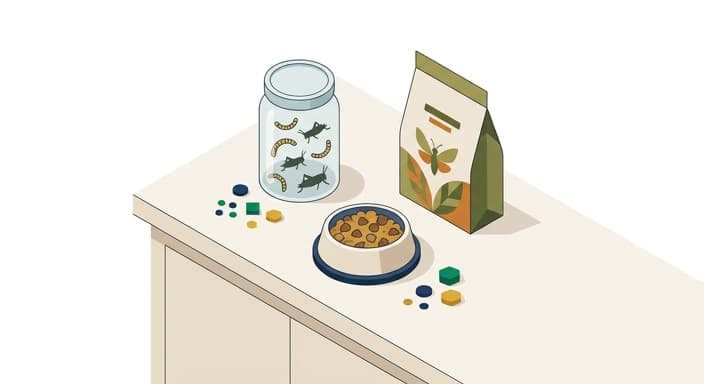
Managing Food Sensitivities Through Novel Proteins
As a clinician, one of the most frequent challenges I face is managing pets with chronic skin issues, gastrointestinal distress, and inflammatory bowel conditions—symptoms that are almost always rooted in a reaction to common, highly processed animal proteins. Many pets have spent years consuming the same chicken- or beef-based diets, which can lead to the development of acquired food allergies. This is where insect protein shines as a "novel" protein source. Because it is rarely found in standard pet foods, the immune system often views it as a neutral or safe ingredient, significantly reducing the risk of allergic reactions.
For dogs and cats struggling with recurrent ear infections, itchy paws, or loose stools, transitioning to an insect-based diet can be a transformative experience. By eliminating the inflammatory triggers found in conventional meat sources, we allow the gut microbiome to stabilize and the immune system to reset. In my practice, I have seen patients who have spent years on expensive prescription diets finally find relief through the hypoallergenic properties of insect-based meal, proving that sometimes the best solution for chronic health issues is a return to a more primitive, simplified, and biologically appropriate protein profile.
Environmental Stewardship: The Ethics of Pet Nutrition
The carbon footprint of pet ownership is a topic that many of us prefer to overlook, yet the reality is that the meat consumption of our furry companions accounts for a significant portion of the global environmental impact. Traditional livestock production is resource-intensive, requiring vast amounts of water, grain, and land, while simultaneously contributing to greenhouse gas emissions. Transitioning to insect-based nutrition is one of the most impactful choices a pet owner can make to reduce their household’s environmental footprint without sacrificing the nutritional quality of their pet’s meals.
Insects are arguably the most sustainable protein source on the planet. They require minimal water, can be grown on organic waste streams—effectively closing the loop in the food production cycle—and can be farmed vertically, which saves immense amounts of space. When you choose an insect-based diet for your pet, you are not just feeding them; you are participating in a circular economy that prioritizes resource efficiency. It is a rare win-win scenario where the health of the individual pet is bolstered by the health of the planet, making it an easy recommendation for any eco-conscious pet parent looking to make a positive impact.
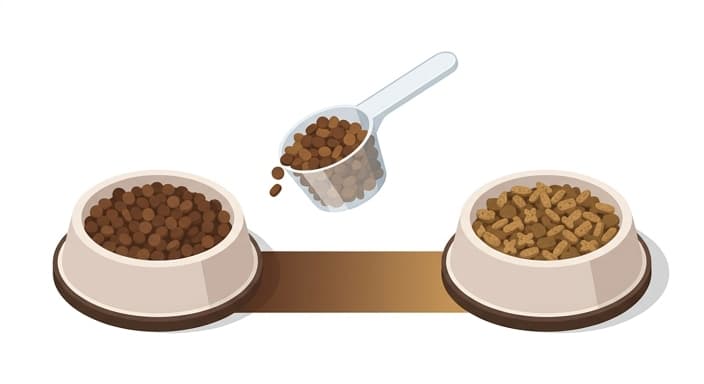
Navigating the Transition: How to Safely Switch Your Pet
Transitioning your pet to an insect-based diet should never be a abrupt shift, as even the most high-quality proteins can cause temporary digestive upset if introduced too quickly. The key is a slow, gradual transition over a 7-to-10-day period. Begin by replacing 25% of your pet's current food with the new insect-based formula, monitoring their stool quality, energy levels, and appetite closely. Over the next week, incrementally increase the ratio until the transition is complete. If you notice any signs of discomfort, such as gas or loose stools, simply slow down the process and extend the transition period.
It is also important to remember that not all insect-based foods are created equal. As you explore your options, look for brands that are transparent about their sourcing and testing. You want a product that utilizes whole-insect meal and is formulated by a veterinary nutritionist to ensure it meets the AAFCO standards for complete and balanced nutrition. Don't be afraid to read the ingredient label; high-quality insect diets should feature recognizable whole ingredients rather than a long list of synthetic additives. If your pet has a history of severe health issues, always consult with your primary veterinarian before making a major dietary change to ensure the new food aligns with their specific medical needs.
The Future of Precision Pet Longevity
As we look toward the future of veterinary nutrition, it is clear that insect protein is not a temporary trend, but a cornerstone of a more sustainable and effective approach to pet wellness. By focusing on bioavailability, hypoallergenic properties, and environmental sustainability, we are setting a new standard for what it means to care for our companions. The goal is no longer just to keep our pets fed; it is to provide them with the highest quality, most ethical nutrition possible to ensure they live long, vibrant lives by our side.
Ultimately, the choice to feed insect protein is a testament to the evolving relationship between humans and their pets. It reflects a growing awareness that our pets' health is intricately tied to the world they live in. By embracing innovation, prioritizing high-quality ingredients, and staying informed about the latest nutritional research, we can continue to provide our dogs and cats with the care they deserve. The shift to sustainable protein is a bold step forward, but one that promises a healthier, more compassionate future for every pet in your home.
Common Questions
🤔
Frequently Asked Questions
What are the main nutritional benefits of insect protein for pets?▼
Insect protein from black soldier fly larvae and crickets is highly digestible and provides a complete amino acid profile, including taurine and methionine critical for cats and dogs. The fats are rich in lauric acid, which has antimicrobial and anti-inflammatory effects that support immune health and skin barrier function. Insects also deliver micronutrients such as zinc, iron, and B-vitamins, often preserved through processing better than some conventional diets. Overall, they offer a nutrient-dense alternative that can be tailored to individual pet needs.
How does insect protein help with food sensitivities and allergies?▼
Insects are rarely found in standard pet foods, making them a novel protein source that reduces the risk of immune reactions. For pets with chronic skin issues and GI distress, this can lead to reduced inflammation and stabilization of the gut microbiome. Clinically, some patients on prescription diets have improved after transitioning to insect-based meals. This makes insect protein a promising option for managing food sensitivities.
Are there environmental advantages to using insect protein in pet diets?▼
Yes. Insect production requires a fraction of land, water, and energy compared with traditional livestock, resulting in a lower carbon footprint. This aligns with broader environmental stewardship goals and represents an approach to alternative protein optimization in pet nutrition. The shift toward insect protein supports both pet health and planetary health.
What should pet owners look for when choosing insect-protein-based pet foods?▼
Look for products that use black soldier fly larvae or crickets as the primary protein source and ensure the formulation is complete and balanced for your pet's life stage. Check for transparent ingredient sourcing, appropriate feeding guidelines, and certifications that support quality and safety. If your pet has known sensitivities, consider a supervised trial with an insect-based diet to monitor skin, GI, and inflammatory responses.