Blog3/13/2026
Gearing Up for Your First Dog: A Vet's Complete Prep Guide
7 mins Read
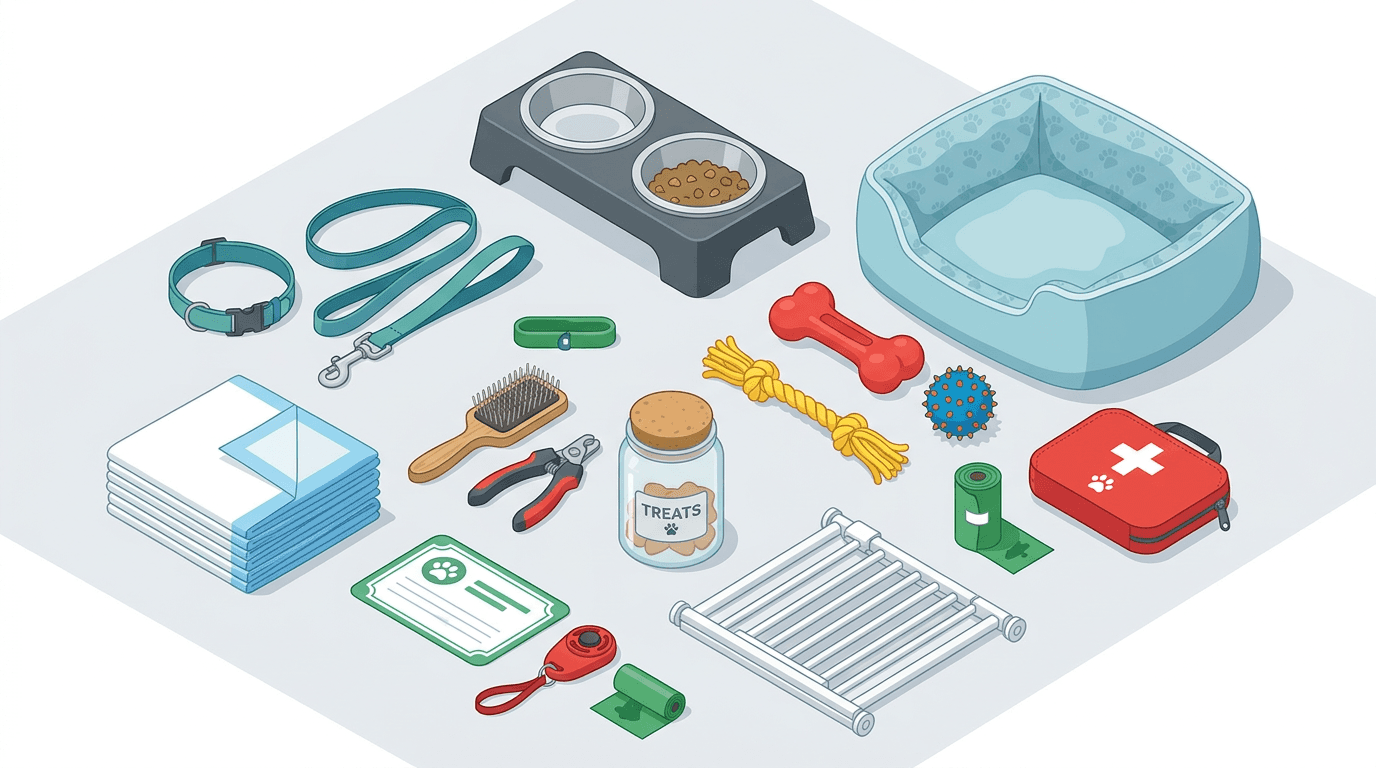
The Briefing
Quick takeaways for the curious
Understanding a dog's genetic legacy helps align expectations with energy, instincts, and temperament, reducing frustration by matching the dog’s inherent traits to the owner’s lifestyle.
Researching a breed’s historical function informs training priorities and enrichment needs, ensuring the dog’s activities and environment support its natural drives rather than clash with them.
Environmental enrichment and a dedicated safe space are essential in the early weeks to prevent home-based trauma, manage anxiety, and support healthy coping strategies.
Puppy-proofing and careful supervision during the first weeks lay the foundation for safety, toxin prevention, and structured socialization that is paced to the dog’s comfort level.
Welcoming a dog is a multi-year partnership that benefits from proactive veterinary guidance, consistent routines, and ongoing education to maintain harmony and well-being.
Paws, Presence, and Preparation: A Veterinarian’s Essential Guide to Welcoming Your First Dog
The moment you decide to bring a dog into your life, the air in your home shifts, vibrating with the anticipation of a thousand future wagging tails and quiet evening cuddles. As a veterinarian, I’ve seen this spark in the eyes of countless first-time owners, but I’ve also seen the overwhelm that follows when the reality of a living, breathing soul meets the unpreparedness of a busy modern life. This transition is more than a lifestyle change; it is the beginning of a multi-year biological and emotional partnership that requires a foundation of knowledge, patience, and proactive care.
The Genetic Blueprint: Understanding Your Dog’s Biological Legacy
Before you even bring your new companion through the front door, it is vital to understand that every dog carries a "genetic resume" shaped by centuries of selective breeding. Whether you are adopting a high-energy Border Collie or a serene Greyhound, you are not just bringing home a "pet," but a descendant of specialized workers. In my years of clinical practice, the most common source of owner frustration stems from a mismatch between a dog’s innate instincts and their new environment.
For instance, many first-time owners are drawn to the neoteny—the retention of juvenile features—seen in breeds like the Cavalier King Charles Spaniel. These dogs were bred primarily for companionship, meaning their "job" is to be near you. Conversely, a Terrier mix may possess a high prey drive, a trait meticulously honed over generations to hunt vermin. Understanding this history allows you to manage expectations; you cannot "train out" a Beagle’s desire to follow a scent, but you can provide healthy outlets for it. When selecting your first dog, research the breed’s historical function to ensure their energy levels and behavioral tendencies align with your daily rhythm.
Environmental Engineering: Creating a Sensory Sanctuary
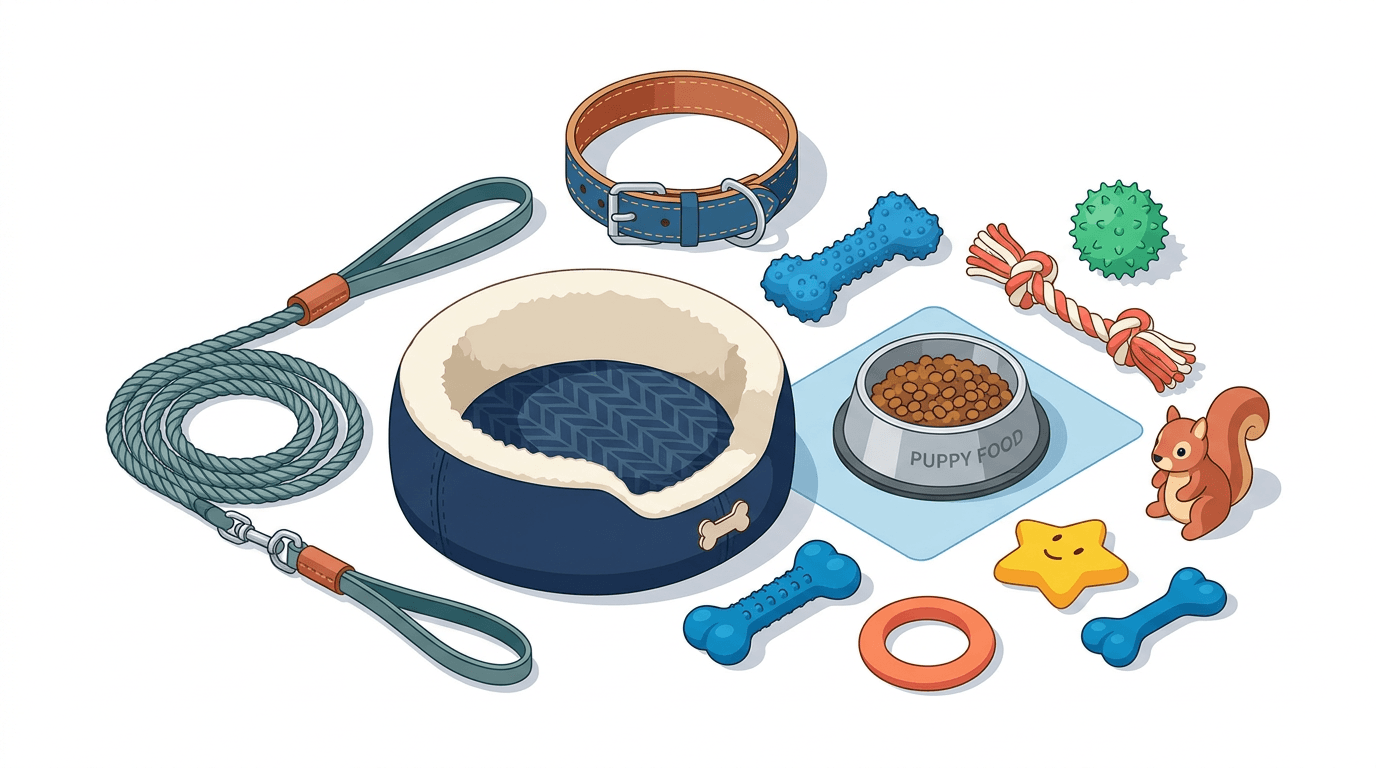
To a dog, your home is not just a layout of furniture; it is a complex landscape of scents, textures, and sounds. Preparing for your first dog involves "puppy-proofing" (or dog-proofing) through a lens of environmental enrichment. From a veterinary perspective, the first few weeks are critical for preventing "home-based trauma," which includes everything from ingesting toxins to developing anxiety due to a lack of a "safe space."
Start by viewing your home from six inches off the floor. Are there exposed electrical cords that look like chew toys? Are there common houseplants like Sago Palms or Lilies that are highly toxic to canines? Beyond safety, you must establish a denning area. Dogs are naturally den-dwelling animals; providing a crate or a dedicated corner with a high-quality orthopedic bed offers them a neurological "reset" point. This is where they can retreat when the stimulation of a new home becomes overwhelming. By engineering their environment to be predictable and safe, you significantly lower their baseline levels of cortisol, the stress hormone, making the transition smoother for everyone.
The Veterinary Roadmap: Navigating the First 72 Hours
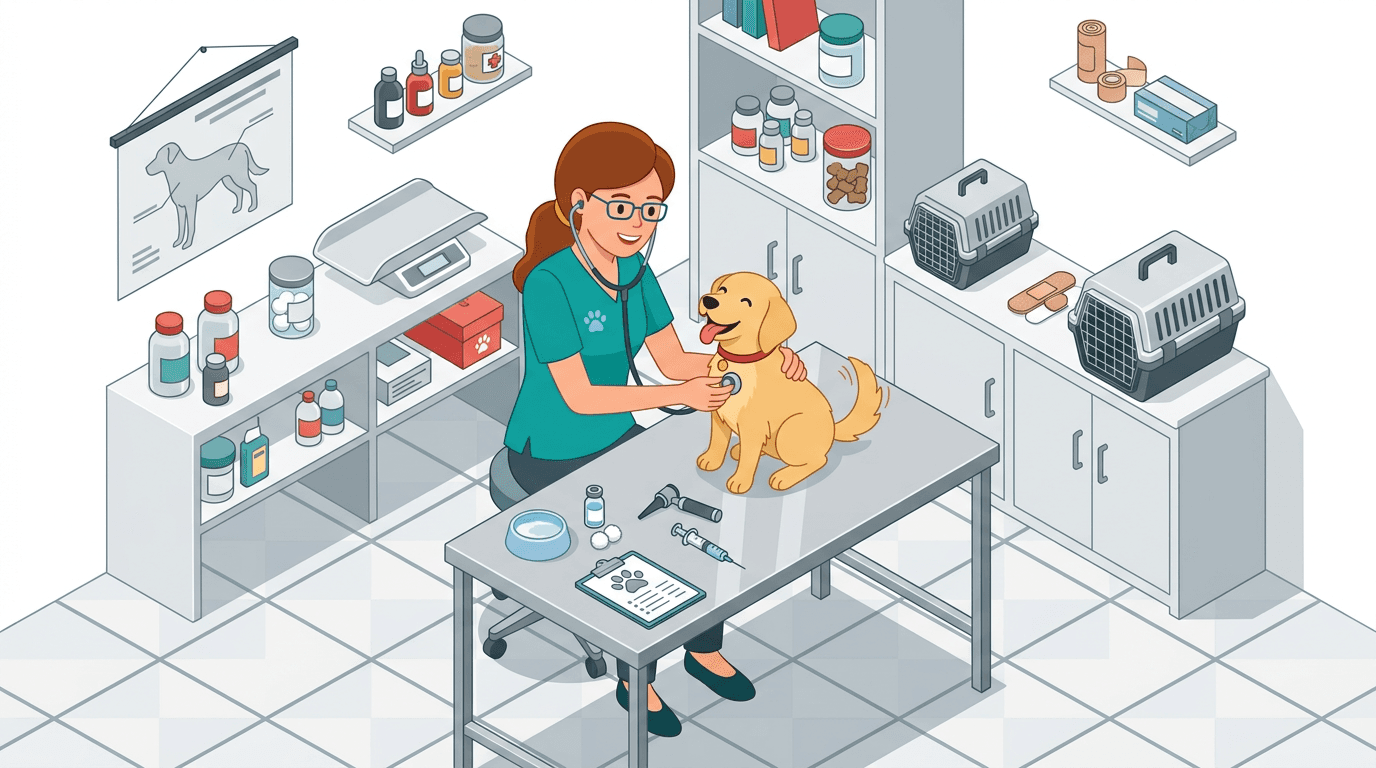
The first three days with your new dog are the most formative. During this period, I always recommend a "Wellness Baseline" visit to a veterinarian. This isn't just about vaccinations; it’s about establishing a clinical history. We look for parasitic loads (like roundworms or giardia) that are common in shelter environments, and we assess the gut microbiome, which is often disrupted by the stress of moving.
During this initial exam, we focus on the preventative triad: heartworm prevention, flea/tick control, and core vaccinations (Distemper, Parvovirus, and Rabies). However, as a first-time owner, you should also discuss microchipping. A collar can slip off, but a microchip is a permanent digital tether back to you. We also evaluate the dog's body condition score (BCS) to determine if they are underweight from the stress of the shelter or overweight from a previous home’s overindulgence. Establishing this medical baseline early ensures that you aren't playing "catch-up" with your dog's health six months down the line.
The Psychology of Connection: Training and Socialization
One of the biggest misconceptions first-time owners have is that training is about "dominance." In modern veterinary behavioral science, we have moved far away from the "alpha dog" myths. Instead, we focus on positive reinforcement and force-free communication. Your dog doesn't want to rule your house; they want to understand the rules of the house.
The "Socialization Window" in puppies typically closes around 16 weeks of age. If you are getting a puppy, this is the time to expose them to a variety of surfaces, sounds, and people in a controlled, positive way. If you are adopting an adult dog, you are working with desensitization. Use high-value treats (like small pieces of boiled chicken or freeze-dried liver) to reward "calm" behaviors. Remember, dogs are masters of reading human non-verbal cues. If you are tense during a walk, your dog will perceive a threat via the leash. Training is as much about teaching you how to communicate as it is about teaching the dog how to sit.
Nutritional Foundations: Fueling the Mammalian Engine
The pet food aisle is perhaps the most confusing place for a new owner. To cut through the marketing jargon, focus on biologically appropriate nutrition. A dog’s dietary needs change drastically based on their life stage (puppy, adult, or senior) and their activity level. For a first-time owner, the goal is to find a diet that meets the AAFCO (Association of American Feed Control Officials) standards for "complete and balanced" nutrition.
Look for a high-quality protein source as the first ingredient, but don't fear grains unless your dog has a medically diagnosed allergy. Recent veterinary research has highlighted the importance of Taurine and the potential risks of certain grain-free diets linked to heart conditions like Dilated Cardiomyopathy (DCM). Furthermore, consider the "Dental Diet." Periodontal disease is the most common ailment I treat; providing crunchy kibble or specific dental chews can help mechanically scrape away plaque, but nothing replaces the gold standard of daily tooth brushing. Starting this habit on Day 1 will save you thousands in veterinary dental cleanings later in your dog’s life.
Key Takeaways for the First-Time Owner
- Research the Breed History: Understand the "why" behind your dog's behaviors (herding, hunting, or lap-sitting).
- Safety First: Conduct a "floor-level" sweep of your home to remove toxins and choking hazards.
- Establish a "Den": Give your dog a dedicated, quiet space where they feel safe and undisturbed.
- The 72-Hour Vet Rule: Schedule a baseline wellness exam within three days of arrival to check for parasites and start preventatives.
- Prioritize Microchipping: Ensure your contact information is up to date in a national database.
- Positive Reinforcement Only: Build trust through rewards rather than fear-based discipline.
- Invest in Quality Nutrition: Choose foods that meet AAFCO standards and match your dog’s specific life stage.
- Start Dental Care Early: Introduce tooth brushing and dental chews immediately to prevent long-term health issues.
The Beginning of a Beautiful Journey
Welcoming your first dog is a profound act of optimism. It is a promise to care for a creature that perceives the world through a spectrum of scents and sounds we can barely imagine. While the logistics—the vaccines, the crates, the premium kibble—are essential, they are merely the framework for the real magic: the bond.
In the coming weeks, you will learn the specific tilt of your dog’s head when they hear the word "walk," the rhythmic sound of their breathing as they sleep at your feet, and the unconditional forgiveness they offer after you’ve had a long, stressful day. You are not just becoming a "pet owner"; you are becoming a guardian, a teacher, and a best friend. Embrace the learning curve, be patient with the accidents, and cherish the quiet moments of connection. Your life is about to become much louder, a bit more chaotic, and infinitely more meaningful. Welcome to the wonderful world of dog parenthood.
Common Questions
🤔
Frequently Asked Questions
What should I know before bringing a dog home for the first time?▼
Bringing a dog home starts a multi-year partnership shaped by the dog's genetic legacy, including energy, instincts, and temperament. Research the breed’s historical function to ensure its energy level and behavioral tendencies align with your daily rhythm. Expect that some traits can’t be trained out, but you can channel them with appropriate outlets and structure. Begin with a veterinarian-guided plan for nutrition, socialization, and preventive care to establish healthy routines from day one.
How do I puppy-proof and create a safe, enriching home for a new dog?▼
Start by puppy-proofing or dog-proofing your home to remove toxins and hazards and to create a dedicated safe space where your dog can retreat. Use environmental enrichment—scent-rich toys, puzzle feeders, varied textures—to keep the dog mentally engaged and reduce anxiety. Block hazards like cords, small objects, and certain plants, and supervise during the first weeks while you establish routines. A calm, enriched environment supports healthy socialization and reduces stress.
How can I choose a breed that fits my lifestyle as a first-time dog owner?▼
Look beyond appearance and consider the breed’s historical function and typical temperament to gauge compatibility with your daily life. Match the dog’s energy level, noise tolerance, and exercise needs to your schedule and living situation. Be aware that traits such as neoteny (juvenile features) or high prey drive influence daily routines and training priorities. Select a breed whose natural tendencies align with how you live, and plan to provide appropriate outlets and consistent training.
What steps can I take in the first weeks to prevent home-based trauma and promote proper socialization?▼
Prioritize safety by establishing a predictable routine, a safe space, and puppy-proofed areas to reduce risk and anxiety. Introduce positive, gradual social experiences while controlling exposure to new people, places, and stimuli to avoid overwhelming the dog. Collaborate with a veterinarian or trainer to build a vaccination, enrichment, and behavior plan that supports gradual socialization and healthy coping skills. Early proactive care lays the groundwork for long-term well-being.