Blog3/23/2026
Functional Toppers for Personalized Pet Nutrition in Practice
6 mins Read

The Briefing
Quick takeaways for the curious
Functional toppers transform a static kibble routine into a dynamic, personalized nutrition strategy that can adapt to a pet’s changing needs.
The idea of bio-individual nutrition emphasizes that "complete and balanced" is the floor, not the ceiling, because genetics, stress, and environment vary among pets.
Bioavailability matters: nutrients from toppers are often better absorbed when they come from real foods and are paired with healthy fats and the right matrix.
Toppers can be categorized into structural integrity, metabolic health, and cognitive longevity, each addressing different physiological systems.
When using toppers, start with small amounts, monitor responses, and adjust over time to avoid over- or under-supplementation and to respect the base diet.
There is a persistent, outdated myth in the veterinary world that a pet’s nutritional needs are fully satisfied by a single, static bag of kibble served on a strict schedule. As a veterinarian, I frequently consult with pet parents who feel they are "doing it right" because their pet eats the same commercial diet every day, yet they wonder why their dog has lackluster fur, or why their cat seems to lack that playful spark of youth. We are moving toward a new, more nuanced standard of care where nutrition is viewed as a dynamic, personalized tool—and functional food toppers are the bridge between basic survival and true, vibrant thriving.
Beyond the Bowl: The Philosophy of Bio-Individual Nutrition
In clinical practice, I often remind my clients that "complete and balanced" is merely the floor, not the ceiling, of nutritional health. While AAFCO standards ensure our pets don't suffer from acute deficiencies, they do not account for the individual stressors, genetics, and environmental factors that make every dog and cat unique. Functional food toppers are not merely "gourmet" additions or high-calorie treats to entice a picky eater; they are targeted, bioavailable interventions that allow us to customize a pet's nutrient profile in real-time.
When we introduce functional toppers, we shift from a "one-size-fits-all" approach to a strategy of precision nutrition. Think of your pet’s base diet as their daily foundation—the bricks and mortar—and functional toppers as the specialized finishings that make a house a home. Whether it’s adding a splash of bone broth for hydration and joint support, or sprinkling freeze-dried green-lipped mussels to modulate inflammatory responses, these toppers allow us to address specific physiological needs without the daunting task of formulating a complete home-cooked diet from scratch.
The Role of Bioavailability in Nutrient Absorption
One of the most critical aspects of functional nutrition is the concept of bioavailability—the degree to which a nutrient is absorbed and utilized by the body. Many commercial diets rely on synthetic vitamins and minerals added during the processing phase. While these meet legal requirements, they are often less effectively assimilated by the body than nutrients sourced from whole, functional foods. By incorporating toppers like fresh, lightly steamed vegetables, organ meats, or fermented goat’s milk, you are introducing nutrients in their "food matrix."
This matrix approach is essential because nutrients rarely work in isolation. For example, the fat-soluble vitamins found in a topper of chopped kale or pumpkin are more effectively absorbed when paired with the healthy fats present in a drizzle of wild-caught salmon oil. By adding these toppers, you are not just "topping off" a meal; you are creating a synergistic environment in your pet's digestive tract that facilitates better nutrient uptake. This is the difference between simply filling a stomach and truly nourishing a system.

Targeted Toppers for Systemic Health Support
When selecting functional toppers, it is helpful to categorize them based on the specific system you aim to support. As a veterinarian, I often categorize these interventions into three primary pillars: structural integrity, metabolic health, and cognitive longevity.
For structural integrity, we look to the building blocks of joints and connective tissue. Toppers rich in chondroitin, glucosamine, and collagen—such as poultry-based bone broth or dehydrated trachea—are game-changers for large-breed dogs or aging pets. For metabolic health, we lean toward fiber-rich, low-glycemic options. A spoonful of plain, unsweetened pumpkin or steamed green beans can act as a prebiotic, feeding the beneficial bacteria in the gut and helping to regulate blood sugar levels, which is vital for pets prone to weight gain or diabetes.
Finally, we cannot overlook the "brain-gut" axis. Ingredients rich in Omega-3 fatty acids, like cold-pressed sardine oil or crushed flax seeds, provide the necessary DHA and EPA to support neurological function. This is particularly important for aging pets who may be experiencing cognitive decline. By rotating these toppers into your pet's routine, you are providing a diverse array of phytonutrients that keep their biological systems firing on all cylinders.
The Safety Protocol: How to Introduce Toppers Responsibly
While the benefits of functional toppers are immense, it is essential to approach their introduction with the same caution you would use with any new dietary change. A common mistake I see in my clinic is the "everything-at-once" approach. If you dump five different superfoods into your pet’s bowl overnight, you run the risk of causing digestive upset, and more importantly, you won't know which ingredient is the culprit if your pet develops a sensitivity or loose stool.
Start by introducing one topper at a time, in small quantities—perhaps just a teaspoon for a small dog or cat, or a tablespoon for a larger dog. Monitor your pet for 48 to 72 hours for any signs of gastrointestinal distress, such as gas, vomiting, or changes in stool consistency. Once they have tolerated an ingredient well, you can gradually increase the portion or rotate in a new topper.
Additionally, be mindful of the "10% rule." Generally, treats and toppers combined should not exceed 10% of your pet’s total daily caloric intake to ensure you aren't diluting the balanced nutrients in their base diet. If you are dealing with a pet that has chronic health conditions, such as kidney disease or pancreatitis, always consult with your veterinarian before adding new, potent ingredients, as certain high-phosphorus or high-fat foods may be contraindicated.
Creating a "Nutritional Rotation" for Long-Term Resilience
Variety is the spice of life, and it is also the secret to a resilient immune system. In the wild, animals consume a diverse diet based on seasonal availability, which naturally exposes them to a wide spectrum of antioxidants, enzymes, and microorganisms. By creating a rotation of functional toppers, you can mimic this natural diversity within the home environment.
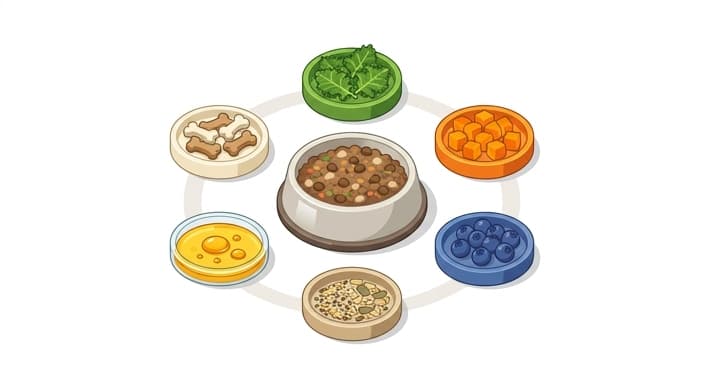
Consider keeping a "pantry" of three to four functional toppers and rotating them throughout the week. For example, you might provide bone broth on Monday and Wednesday for hydration and joint support, a sprinkle of fermented kefir on Tuesday and Thursday for gut health, and a dash of wild-caught fish oil on the weekends for skin, coat, and cognitive health. This rotational approach prevents the "boredom" that many pets experience with a static diet and ensures that their body is constantly receiving a varied supply of protective compounds.
Beyond the physical benefits, there is a profound psychological component to this practice. Preparing a thoughtful, personalized bowl for your pet is an act of bonding. It forces us to slow down, look at our pet’s physical condition, and engage with their daily well-being. It transforms the act of feeding from a chore into a ritual of care.
Ultimately, functional food toppers are more than just a trend; they are a sophisticated, compassionate way to honor the evolutionary needs of our companions. By moving away from the rigid, one-size-fits-all model of pet nutrition and embracing the power of fresh, targeted ingredients, we can significantly improve our pets' quality of life. Whether it is a dash of turmeric for inflammation or a spoonful of fiber for digestive regularity, every small addition contributes to a cumulative effect of vitality. As you begin to experiment with these functional additions, keep an eye on your pet’s energy levels, coat sheen, and overall enthusiasm for life—you will likely find that they are the best indicators of your success.
Common Questions
🤔
Frequently Asked Questions
What are functional toppers and how do they differ from traditional supplements?▼
Functional toppers are edible additions that sit atop the base diet and deliver targeted nutrients in a form pets naturally recognize as food. They leverage real ingredients and the food matrix to improve palatability and nutrient absorption compared to isolated supplements. They are not meant to replace a complete diet but to tailor nutrition for changing health needs, activity levels, or life stages. By design, toppers offer a practical, real-world way to customize a pet’s nutrient profile without reformulating the entire diet.
Why is bioavailability critical in pet nutrition toppers?▼
Bioavailability is the degree to which a nutrient is absorbed and used by the body. Nutrients from toppers often perform better when provided as part of a whole-food matrix rather than in isolated synthetic forms. Pairing fat-soluble vitamins with healthy fats, and including complementary foods like vegetables or fermented products, enhances absorption. In practice, toppers that introduce real foods can create a synergistic digestive environment that supports overall nutrition.
How do I choose toppers for my pet's specific health goals?▼
To choose toppers, start by identifying your pet’s most relevant health goals—joint support, metabolic health, or cognitive longevity. Review toppers for key ingredients supported by evidence, such as glucosamine or omega-3-rich foods for joints and brain health. Ensure the topper uses whole-food sources and avoids artificial additives, and always consider your pet’s allergies and medical conditions. Implement gradually and monitor performance, adjusting types and amounts under veterinary guidance.
What practical steps can I take to start using toppers safely?▼
Start with a small amount and gradually increase over 7–14 days to monitor tolerance and palatability. Introduce one topper at a time to clearly attribute any benefits or adverse reactions. Keep records of appetite, stool quality, energy, coat condition, and any health changes, and share them with your veterinarian. Always align topper use with the base diet and life stage, and stop if there are signs of intolerance or disease.