Blog4/2/2026
Functional Probiotic Treats for Pet Gut Health and Wellness
6 mins Read
The Briefing
Quick takeaways for the curious
Functional probiotic treats shift pet care from reactive to proactive by supporting systemic health rather than merely aiming for normal stools.
The pet gut hosts trillions of microorganisms and serves as the immune system's command center, with about 70% of immune cells in the gut-associated lymphoid tissue (GALT).
The gut-brain axis links digestion to mood and behavior, so probiotic-rich diets can support anxious pets beyond appetite and digestion.
Not all probiotic treats are equal; choose shelf-stable formulations with a guaranteed analysis of CFUs at expiration to ensure live cultures reach the gut.
Look for evidence-based strains and dosing in functional treats, such as Enterococcus faecium, Lactobacillus acidophilus, and Bifidobacterium animalis, to support both gut and systemic health.
There is a persistent, outdated myth in the pet wellness industry that a "healthy" digestive system is merely one that produces consistent stools, leaving many pet owners to assume that as long as there is no visible diarrhea or vomiting, their pet’s microbiome is thriving. As a veterinarian consultant, I frequently consult with devoted pet parents who are surprised to learn that the vast majority of our pets—even those appearing "healthy"—are navigating a state of sub-clinical gut dysbiosis that impacts everything from immune resilience to behavioral stability. We are finally moving toward a more sophisticated, proactive standard of digestive care that leverages functional probiotics not as a reactive "fix" for an upset stomach, but as a foundational pillar of systemic health, effectively closing the gap between basic dietary maintenance and the complex, invisible ecosystem of the canine and feline gut.
The Biological Reality of the Pet Microbiome
To understand why functional probiotic treats have become a clinical recommendation rather than a wellness trend, we must look at the biological reality of the mammalian gut. The gastrointestinal tract is home to trillions of microorganisms—bacteria, viruses, fungi, and protozoa—collectively known as the microbiome. This ecosystem is not just for digestion; it is the "command center" of the immune system. Approximately 70% of a pet’s immune cells reside within the gut-associated lymphoid tissue (GALT). When the balance of beneficial bacteria (probiotics) is compromised by stressors like processed diets, environmental toxins, antibiotic use, or even separation anxiety, the gut lining becomes permeable—a condition often referred to as "leaky gut."
When this barrier is breached, undigested food particles and endotoxins can enter the bloodstream, triggering systemic inflammation. This is why many skin allergies, chronic ear infections, and even unexplained mood swings in pets can often be traced back to a microbial imbalance. Probiotics act as the "peacekeepers" of this environment, outcompeting pathogenic bacteria for resources and producing short-chain fatty acids (SCFAs) like butyrate, which nourish the cells lining the colon and maintain the integrity of the gut barrier.
Beyond "Tummy Troubles": The Gut-Brain Axis
One of the most fascinating areas of recent veterinary research is the gut-brain axis, the bidirectional communication network between the enteric nervous system and the central nervous system. We now know that the gut is often called the "second brain" because it produces over 90% of the body’s serotonin—a neurotransmitter responsible for mood regulation, sleep, and appetite. For anxious pets, a probiotic-rich diet isn't just about digestion; it’s a form of behavioral support.
When a dog or cat experiences chronic stress, their gut flora shifts, potentially leading to increased inflammation that can exacerbate anxiety. By introducing high-quality probiotic strains—such as Enterococcus faecium, Lactobacillus acidophilus, and Bifidobacterium animalis—through functional treats, we can help stabilize this internal chemistry. Unlike probiotic powders that can be messy and difficult to dose, functional treats are formulated to be palatable and consistent, ensuring that your pet receives a therapeutic dose of live, active cultures that survive the harsh environment of the stomach to reach the intestines where they are most needed.
Evaluating Quality: What to Look for in a Probiotic Treat
Not all probiotic treats are created equal, and as a consultant, I often find owners wasting money on products that contain "dead" or ineffective bacteria. When shopping for these supplements, the label is your most important tool. First, look for a "guaranteed analysis" that specifies the Colony Forming Units (CFUs) at the time of expiration, not at the time of manufacture. Bacteria are fragile; if a treat is not shelf-stable or has been exposed to extreme heat during production, the probiotics will likely be inactive by the time your pet eats them.
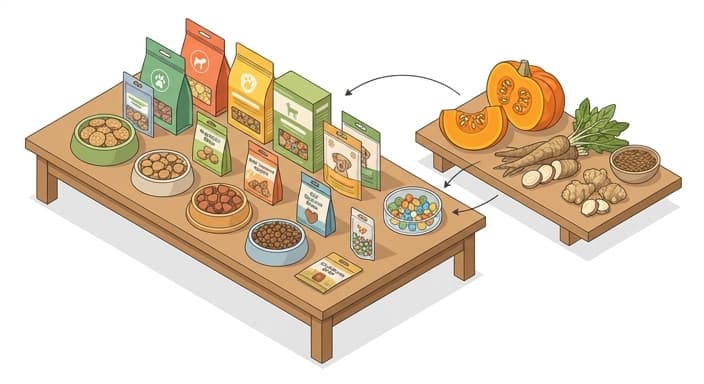
Second, prioritize "multi-strain" formulas. A diverse microbiome is a resilient one. Just as a forest is more stable with a variety of tree species, a gut is more stable with a variety of bacterial strains. Avoid treats that are loaded with fillers, artificial preservatives, or high-glycemic starches like corn or wheat, which can actually feed the "bad" bacteria you are trying to suppress. Instead, look for treats that use prebiotics—such as chicory root, inulin, or pumpkin—which act as "fuel" for the probiotics, allowing them to colonize more effectively.
Implementing a Probiotic Protocol for Your Pet
Integrating functional probiotics into your pet’s routine should be a gradual, deliberate process. For most healthy adult pets, a high-quality probiotic treat serves as an excellent maintenance tool to prevent seasonal digestive upsets or to support them during periods of stress, such as boarding, travel, or moving homes. However, if your pet has a history of chronic inflammatory bowel disease (IBD) or is currently taking antibiotics, you should always consult your veterinarian before starting a new supplement. Antibiotics are indiscriminate; they kill both the bad bacteria causing the infection and the good bacteria we want to protect. In these cases, your vet may recommend administering the probiotic treat at least two hours apart from the medication to minimize the interaction.
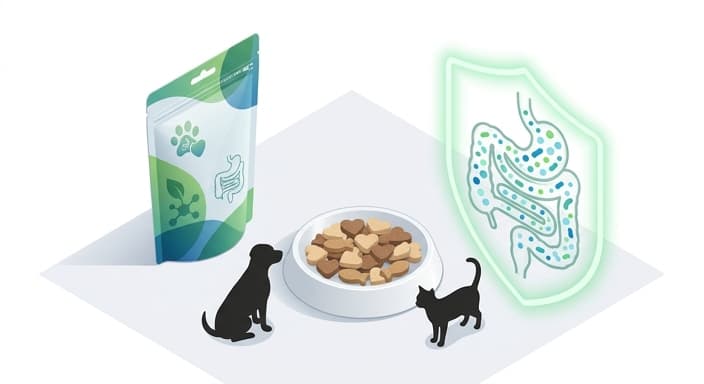
Start by offering half the recommended dose for the first week to allow your pet's system to adjust. Some pets may experience mild gas or loose stools during the first few days as the population of gut flora shifts—this is a normal "adjustment phase." Once they are comfortable, move to the full dose as outlined on the packaging. Consistency is the true secret to success here; probiotics are not a one-time "cure," but a lifestyle investment. By maintaining a steady influx of beneficial microbes, you are essentially creating a biological shield that protects your pet from the inside out.
The Long-Term Benefits of Proactive Gut Health
When we prioritize gut health through functional treats, we are doing more than just preventing occasional bouts of diarrhea. We are investing in our pets' longevity. A pet with a balanced microbiome typically exhibits better nutrient absorption, which means they get more value out of every meal, leading to healthier skin, a shinier coat, and more stable energy levels throughout the day. Furthermore, by keeping the immune system primed and the inflammatory response in check, we reduce the likelihood of developing secondary health issues as our pets age.
It is time to shift our perspective on digestive health from a reactive concern to a proactive priority. By choosing high-quality, scientifically backed probiotic treats, you are taking a vital step in "future-proofing" your pet’s health. In a world of environmental stressors and processed nutrition, these small, functional additions to their diet represent a powerful way to honor the biological complexity of our companions. Your pet may not be able to tell you how they feel, but their balanced energy, clear skin, and healthy digestion will be the loudest, most appreciative indicators that you’ve made the right choice for their long-term well-being.
Common Questions
🤔
Frequently Asked Questions
What makes functional probiotic treats different from traditional probiotics?▼
Functional probiotic treats are designed for consistent, therapeutic dosing and palatability, so pets reliably receive live cultures in every serving. They are formulated to survive stomach acid and reach the intestines where they provide benefits beyond temporary digestion support. In practice, these treats aim to support systemic health, immune resilience, and even behavior through the gut-brain axis rather than reacting only to upset stomachs.
Why is gut dysbiosis a concern even in pets that appear healthy?▼
Gut dysbiosis refers to an imbalance in the gut microbiome that can undermine immune function and barrier integrity, leading to systemic inflammation. Subtle changes in the microbiome can influence skin health, allergies, ear infections, and mood, long before obvious digestive symptoms appear. Addressing this imbalance with functional probiotics can strengthen resilience and overall well-being.
Which probiotic strains are commonly recommended in functional treats?▼
Common strains include Enterococcus faecium, Lactobacillus acidophilus, and Bifidobacterium animalis, which have a history of supporting gut health and barrier integrity. A quality product will specify these strains and provide a therapeutic dose that survives gastric conditions. It is also important that the strains are appropriate for dogs or cats and backed by veterinary guidance.
How should I judge the quality of a probiotic treat by its label?▼
Look for a guaranteed analysis that lists CFUs at the time of expiration, not just at manufacture, because live bacteria can decline over time. The product should be shelf-stable and clearly state storage requirements; beware treats that degrade under normal conditions. Additional quality signals include third-party testing, minimal fillers, and evidence of stability across the product’s shelf life.