Blog3/24/2026
Functional Probiotic Treats for Pet Digestion and Immunity
6 mins Read
The Briefing
Quick takeaways for the curious
Probiotic treats are part of a proactive functional nutrition approach rather than a luxury, built to support long-term wellness.
The gut microbiome is an invisible engine that influences immunity, vitamin synthesis, and barrier function, and disturbances can show up as dull coats, ear infections, itchy skin, or anxiety.
To evaluate probiotic treats, look for an explicit CFU count at expiration and specific, research-backed bacterial strains; avoid products with no CFU listing and filler-first ingredients.
A product’s efficacy depends on its bacteria surviving stomach acidity so they can colonize the intestines; choose strains proven to endure gastric conditions.
Synbiotics and postbiotics enhance gut health by providing prebiotic fuel and other bioactive compounds that work alongside live bacteria toward a healthier gut ecosystem.
There is a persistent, outdated myth in the veterinary world that a pet’s digestive health is a binary state: they are either perfectly fine, or they are in need of a trip to the emergency clinic. As a veterinarian, I frequently consult with pet parents who have accepted chronic loose stools, intermittent gas, or "sensitive stomachs" as just the way their dog or cat is wired, when in reality, these are often subtle cries for a more balanced microbiome. We are finally moving toward a new, proactive standard of care where functional nutrition—specifically probiotic treats—is no longer viewed as a luxury, but as a foundational pillar of long-term wellness.
The Microbiome: The Invisible Engine of Pet Health
When we talk about digestion, we are really talking about the complex, microscopic ecosystem living in your pet's gastrointestinal tract. This microbiome is home to trillions of bacteria, fungi, and viruses that do far more than just digest dinner. These "good" bacteria are the primary architects of your pet’s immune system, the synthesisers of essential vitamins, and the gatekeepers that prevent harmful pathogens from colonizing the gut.
In my clinical practice, I see the downstream effects of a compromised microbiome daily. It’s rarely just a "stomach ache." It manifests as dull coats, chronic ear infections, itchy skin, and even behavioral anxiety. When the delicate balance of the gut flora is disrupted—whether by processed diets, environmental stressors, or the overuse of antibiotics—the body struggles to maintain systemic homeostasis. This is where functional probiotic treats bridge the gap. Unlike standard treats that provide empty calories, these formulations are designed to deliver targeted, shelf-stable, and biologically active beneficial bacteria directly to the source, helping to restore the internal equilibrium that keeps our pets thriving.
Beyond the Label: What to Look for in Probiotic Treats
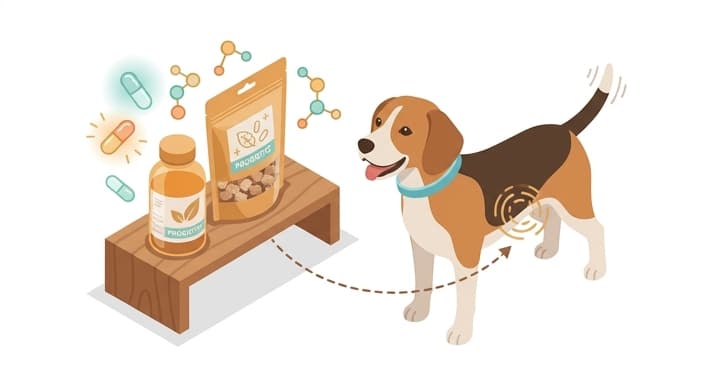
Not all probiotic treats are created equal, and the pet supplement industry is unfortunately rife with "marketing fluff." As a consultant, the first thing I tell pet parents is to look past the front of the packaging and turn straight to the ingredient panel. You are looking for two critical indicators: a guaranteed colony-forming unit (CFU) count and a list of specific, research-backed bacterial strains.
A quality probiotic treat should explicitly state the CFU count—the number of live, active bacteria—at the time of expiration, not just at the time of manufacture. If a company doesn't list the CFU count, you should assume the product has little to no clinical efficacy. Furthermore, look for strains like Enterococcus faecium, Bacillus coagulans, or various species of Lactobacillus and Bifidobacterium. These strains have been extensively studied in veterinary literature for their ability to survive the harsh, acidic environment of the canine or feline stomach. If the probiotic doesn't survive the stomach, it cannot colonize the intestines, rendering the treat essentially useless. Avoid products that prioritize "flavor-first" ingredients like corn syrup or artificial fillers, as these can actually feed the "bad" bacteria you are trying to displace.
The Synergy of Prebiotics and Postbiotics
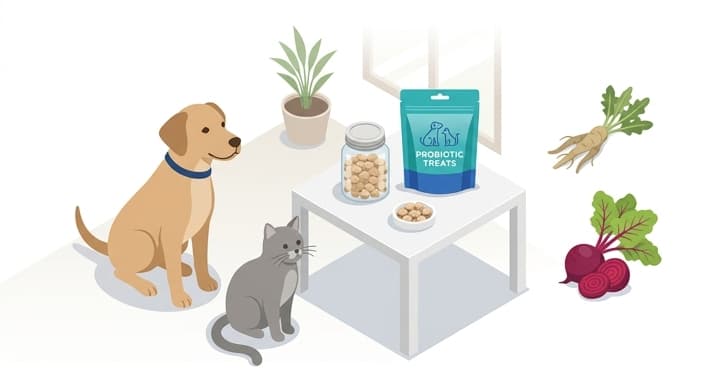
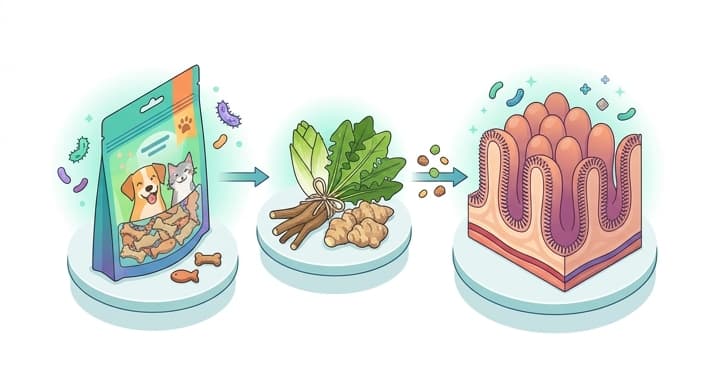
One of the most exciting advancements in veterinary nutrition is the shift toward synbiotics—a synergistic combination of probiotics and prebiotics. If probiotics are the "good guys" coming to work in the gut, prebiotics are the lunchbox they bring with them. Prebiotics, such as inulin, chicory root, or beet pulp, are non-digestible fibers that act as fuel for beneficial bacteria. By providing this fuel, you are essentially creating a thriving environment where the good bacteria can multiply and outcompete the harmful strains.
We are also seeing the emergence of postbiotics, which are the bioactive compounds produced by probiotics during fermentation. Think of these as the "after-effects" of a healthy gut; they help modulate the immune response and strengthen the lining of the intestinal wall. When choosing a functional treat, a formula that includes a prebiotic fiber alongside the probiotic is almost always superior to a single-strain probiotic supplement. It is this "three-pronged" approach—adding the bacteria, feeding the bacteria, and supporting the gut lining—that yields the most dramatic improvements in stool quality and nutrient absorption.
Implementing Probiotics into Your Pet's Routine
Transitioning to a functional supplement routine should be a gradual, thoughtful process. Even the most beneficial probiotic can cause temporary gastrointestinal upset if introduced too quickly, as the sudden shift in the microbial landscape can cause a spike in gas production. I always recommend a "low and slow" approach: start with half the recommended dose for the first week, monitoring your pet’s stool consistency and appetite closely.
Consistency is the real secret sauce. Probiotics are transient, meaning they do not take up permanent residence in the gut forever; they need to be replenished regularly to maintain their beneficial effects. Think of it like watering a garden: if you stop for a week, the weeds will inevitably start to take over. I advise my clients to pair the treat with a daily ritual, such as right after the morning walk or during their evening grooming session. By making it a positive, reward-based experience, you ensure that you aren't just improving their digestion, but also reinforcing the human-animal bond. If you notice persistent diarrhea or vomiting after starting a new supplement, always pause and consult your veterinarian, as this may indicate an underlying sensitivity to one of the secondary ingredients in the treat.
Managing Expectations: When to See the Vet
While functional treats are a powerful tool for wellness, they are not a substitute for veterinary diagnostics. If your pet is experiencing acute, severe symptoms—such as blood in the stool, lethargy, loss of appetite, or signs of abdominal pain—probiotic treats are not the solution. These can be indicators of more serious conditions like pancreatitis, parvovirus, dietary indiscretion, or inflammatory bowel disease (IBD).
I encourage pet parents to use probiotic treats as a proactive "insurance policy" for the gut, not as a reactive treatment for illness. If your pet has a history of mild, recurring digestive issues, start a high-quality probiotic and keep a simple journal of their energy levels and stool quality for 30 days. Most of my clients see a marked improvement within two to three weeks: a shinier coat, less "doggy" breath, and significantly firmer, more predictable bathroom habits. If you don't see these changes after a month of consistent use, it may be time to pivot to a different strain or discuss a diagnostic workup with your primary veterinarian.
The health of your pet truly begins in the gut. By making the conscious choice to incorporate science-backed, functional probiotic treats into their daily diet, you are doing more than just giving a reward; you are investing in their longevity and vitality. A healthy microbiome is the foundation upon which all other aspects of your pet’s health are built, and with the right approach, you can help them feel their absolute best for years to come.
Common Questions
🤔
Frequently Asked Questions
How do functional probiotic treats support a pet's digestion and overall health?▼
Functional probiotic treats deliver targeted, shelf-stable beneficial bacteria directly to the gut, helping restore the microbial balance that underpins digestion. A healthy microbiome also supports the immune system, essential vitamin synthesis, and a strong gut barrier, which can reduce downstream issues beyond GI upset. In practice, this makes digestive comfort and overall wellness less of a binary 'fine or emergency' and more about proactive, long-term management.
What should I look for on the probiotic treat label?▼
Look for two key details: the CFU count at the time of expiration and a list of specific, research-backed strains such as Enterococcus faecium, Bacillus coagulans, Lactobacillus, and Bifidobacterium. If the CFU is not listed, assume the product has little to no clinical efficacy. Avoid flavor-first ingredients and artificial fillers like corn syrup, which can feed harmful bacteria and undermine the probiotic’s effect. Also ensure the product is designed to survive stomach acid so the bacteria can reach the intestines.
What are synbiotics and postbiotics, and why do they matter?▼
Synbiotics combine probiotics with prebiotics, non-digestible fibers such as inulin, chicory root, or beet pulp that feed beneficial bacteria. Postbiotics are the bioactive compounds produced by probiotics during fermentation, offering health effects even beyond live bacteria. Together, synbiotics and postbiotics can enhance the efficacy of probiotic treats by fostering a robust gut environment and providing additional mechanisms for gut health.
How should I choose and use probiotic treats as part of a long-term plan?▼
Choose products with clinically supported strains and verifiable expiration CFU counts, and prefer shelf-stable formulations for convenience. Start with a consistent dosing schedule and monitor changes in stool, coat, ears, and behavior, adjusting as advised by your veterinarian. Consult your vet if your pet has chronic GI signs, is on antibiotics, or has immune concerns, to tailor the approach. Introduce gradually to avoid GI upset and maintain ongoing use as part of a balanced nutrition plan.