Blog3/22/2026
Functional Nutrition for Senior Pet Longevity: Optimized Care
6 mins Read
The Briefing
Quick takeaways for the curious
Functional nutrition shifts senior care from mere maintenance calories to targeted, therapeutic nutrition that supports vitality, mobility, and cognitive function.
As pets age, digestion, inflammation, and cellular repair change, so diets must provide higher bioavailability and nutrient density rather than just lower calories.
Key ingredients include EPA and DHA for anti-inflammatory support, plus antioxidants like vitamins E and C and selenium to combat oxidative stress.
The gut-brain axis becomes a central focus, with prebiotic fibers, probiotics, and MCTs helping protect cognitive function and mental sharpness.
Managing inflammation and energy supply through targeted functional ingredients—such as curcumin with black pepper and, where appropriate, green-lipped mussel extracts—can improve quality of life in senior pets.
There is a persistent, outdated myth in the veterinary world that a senior pet’s nutritional needs are adequately met by simply reducing their caloric intake to account for a slower metabolism. As a veterinarian, I frequently see "silver-muzzled" patients who are technically within a healthy weight range but are suffering from the subtle, systemic erosion of vitality—a decline often masked as "just getting old." Functional nutrition is the bridge between merely extending a pet’s lifespan and ensuring those final years are defined by quality, comfort, and cognitive sharpness.
The Shift from Maintenance to Therapeutic Support
When our pets enter their senior years—generally considered age seven or eight for most dogs and cats—their internal physiology undergoes a complex transformation. Digestion becomes less efficient, the inflammatory response becomes more reactive, and the cellular ability to repair DNA damage begins to wane. Relying on a "maintenance" diet at this stage is akin to fueling a vintage car with low-grade gasoline; it might keep the engine running, but it fails to address the wear and tear on the pistons and gaskets.
Functional nutrition moves beyond the basic AAFCO guidelines of "complete and balanced" and into the realm of therapeutic intervention. We aren't just looking for protein and fat percentages anymore; we are looking for bioavailable compounds that target specific aging markers. This means prioritizing ingredients like high-quality Omega-3 fatty acids (specifically EPA and DHA) to manage chronic, low-grade inflammation, and supplemental antioxidants like Vitamin E, C, and selenium to combat oxidative stress. By shifting our focus from simple caloric management to nutrient density, we can mitigate the systemic "rusting" that occurs during the aging process.
The Gut-Brain Axis and Cognitive Resilience
One of the most heart-wrenching aspects of working with geriatric patients is witnessing the onset of cognitive dysfunction. We often notice it first as a change in nighttime pacing, a loss of house-training, or a failure to recognize family members. Emerging research in veterinary medicine is increasingly pointing toward the gut-brain axis as a primary target for intervention. A senior pet’s microbiome is often less diverse than that of a younger animal, which can lead to increased intestinal permeability—or "leaky gut"—allowing toxins to circulate and potentially cross the blood-brain barrier.
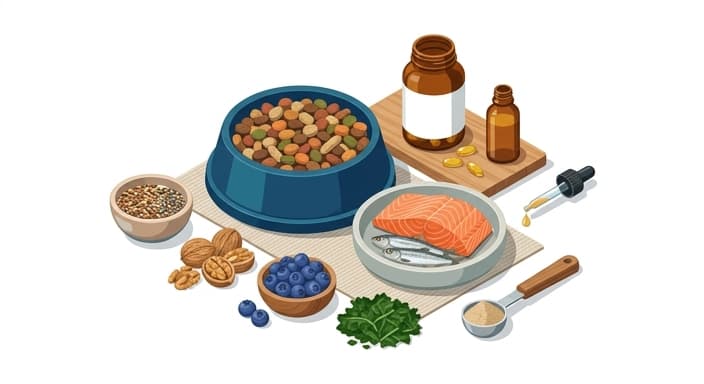
To support cognitive longevity, we must feed the gut to protect the brain. Incorporating prebiotic fibers like chicory root or beet pulp, alongside fermented foods or targeted probiotics, can help stabilize the microbiome. Furthermore, Medium-Chain Triglycerides (MCTs), such as those found in high-quality coconut oil, have shown promising results in providing an alternative energy source for the aging canine brain. These "brain fuels" can help clear the mental fog and improve alertness in older pets, proving that nutrition is not just about the body—it is about keeping the mind engaged with the world they love.
Managing Chronic Inflammation: The Silent Thief
Inflammation is the silent architect of almost every major senior health issue, from osteoarthritis and degenerative joint disease to kidney decline and cardiovascular stress. In my clinic, I often discuss the "inflammatory load" that a pet carries. This load is the sum total of environmental stressors, dental disease, and, most importantly, the diet. High-carbohydrate, ultra-processed diets can trigger spikes in blood glucose and insulin, which are inherently pro-inflammatory.
For the senior pet, the goal is to lower this baseline inflammation through anti-inflammatory "functional" ingredients. Curcumin (the active compound in turmeric), when paired with black pepper for bioavailability, can act as a potent natural support for joint comfort. Similarly, green-lipped mussel extract is a gold-standard supplement I recommend for senior patients, as it provides a unique profile of Omega-3s and glycosaminoglycans that are essential for maintaining cartilage health. By strategically integrating these anti-inflammatory building blocks into your pet’s daily routine, you are effectively turning down the "volume" on the pain signals that often keep our older companions from moving comfortably.
Hydration as a Functional Strategy
We often overlook the most basic nutrient of all: water. As pets age, their thirst drive often becomes less acute, and their kidneys lose the ability to concentrate urine as effectively as they once did. A senior pet can become mildly dehydrated without the owner ever realizing it, leading to sluggishness, constipation, and reduced kidney clearance of metabolic waste. Functional nutrition in the senior years must prioritize moisture as a primary vehicle for health.
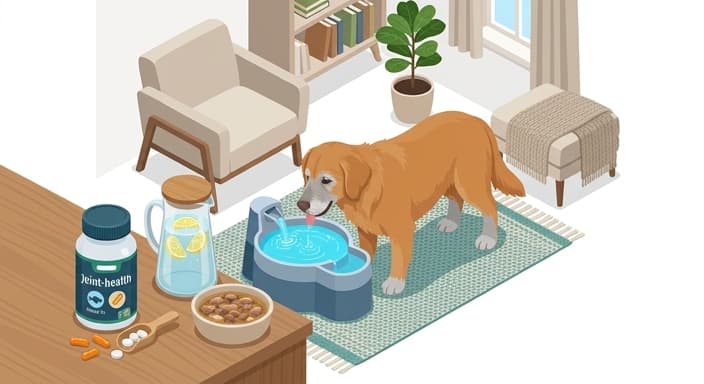
If your senior pet is on a strictly dry kibble diet, you are missing a critical opportunity to support renal health. Integrating fresh, high-moisture foods—such as bone broth (without onions or garlic), pureed steamed vegetables, or human-grade fresh toppers—is a simple, high-impact strategy. Bone broth, in particular, is a functional powerhouse; it provides collagen, amino acids like glycine and proline, and essential minerals in a highly digestible form that is gentle on the senior digestive tract. Think of every meal as a hydration event. By increasing the water content of their diet, you are helping their kidneys flush toxins more efficiently, supporting joint lubrication, and maintaining the elasticity of their skin and coat.
Tailoring the Protocol: A Practical Approach
Implementing a functional nutrition plan doesn't have to be overwhelming or require a complete overhaul of your pet’s life. Start by auditing the "extras" you provide. Instead of processed treats filled with dyes and fillers, opt for functional snacks like blueberries (a source of anthocyanins for brain health) or small pieces of lean, lightly cooked fish. When introducing new supplements or dietary changes, always follow the "low and slow" rule—introduce one new element at a time and monitor your pet for any digestive sensitivity over a 7-to-10-day period.
It is also crucial to consult with your veterinarian to establish a baseline blood panel before making significant changes, especially if your pet has pre-existing conditions like chronic kidney disease or pancreatitis. What works for a healthy senior dog may not be appropriate for one with compromised organ function. Your veterinarian can help you determine the right therapeutic dose for supplements and ensure that the "functional" additions you choose are not interacting with any medications your pet may be taking. Remember, the goal is to build a supportive, sustainable framework that respects the delicate balance of their aging body, allowing them to remain the vibrant family member you have always known.
Ultimately, functional nutrition for senior pets is an act of profound kindness. By moving away from a "one-size-fits-all" approach and embracing the power of targeted, nutrient-dense, and hydrating food, we provide our aging companions with the best possible chance to live with vitality and comfort. While we cannot stop the clock, we can certainly influence the quality of the time that remains, ensuring that every meal serves as a foundation for their continued happiness and well-being.
Common Questions
🤔
Frequently Asked Questions
What is functional nutrition for senior pets and why does it matter?▼
Functional nutrition for senior pets means tailoring the diet beyond basic 'complete and balanced' labels to deliver bioavailable nutrients that target aging processes. Aging pets often experience reduced digestion, higher inflammatory load, and diminished cellular repair, so nutrients should be chosen for bioavailability and potency. This approach aims to support vitality, mobility, and cognitive function, not just calorie control.
Which nutrients or ingredients are most important for cognitive longevity in senior pets?▼
Key nutrients include high-quality EPA and DHA to modulate chronic inflammation and support brain health. Supporting the gut-brain axis with prebiotic fibers (like chicory root or beet pulp) and targeted probiotics can stabilize the microbiome and reduce gut permeability. Medium-Chain Triglycerides (MCTs) provide an alternative brain energy source, potentially improving alertness in older pets. Antioxidants such as Vitamin E, Vitamin C, and selenium help combat oxidative stress that contributes to cognitive decline.
How can pet owners reduce inflammatory load through diet?▼
Reducing inflammatory load starts with minimizing high-carbohydrate, ultra-processed diets that spike blood glucose and insulin. Incorporate anti-inflammatory ingredients such as curcumin (paired with black pepper for bioavailability) to support joint comfort, alongside other anti-inflammatory options like green-lipped mussel extract. Additionally, prioritize nutrient-dense foods and appropriate protein to support tissue repair while avoiding excessive calories.
What is the role of the gut-brain axis and how can I apply it at home?▼
The gut-brain axis links the intestinal microbiome to cognitive function, and aging often reduces microbial diversity and increases gut permeability. To support it at home, include prebiotic fibers such as chicory root or beet pulp and consider fermented foods or targeted probiotics to stabilize the microbiome. Use MCTs, like those in some coconut oil products, as a readily available energy source for the aging brain. This approach aims to keep the mind engaged and reduce episodes of cognitive decline.