Blog3/19/2026
Functional Mushroom Supplements for Pet Wellness: Immune Support
5 mins Read
The Briefing
Quick takeaways for the curious
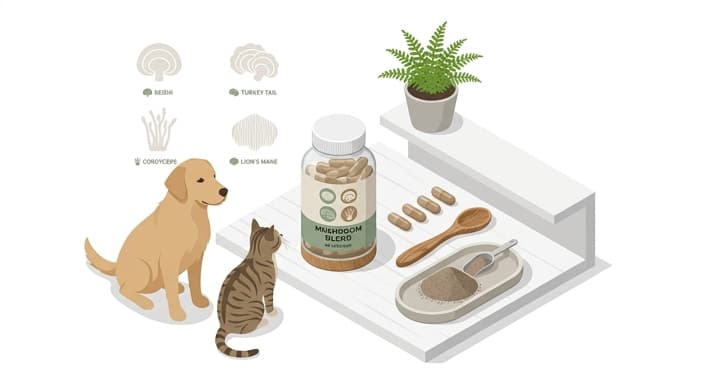
Functional mushrooms like Turkey Tail, Reishi, Cordyceps, and Lion's Mane act as adaptogens, modulating the immune system rather than simply stimulating it.
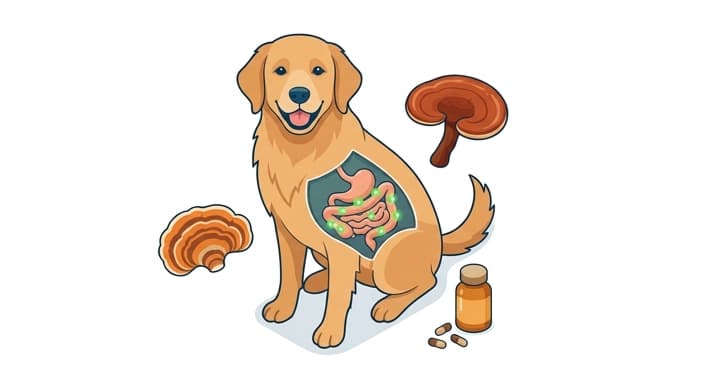
The bioactive beta-glucans and other polysaccharides in fungal cell walls interact with the gut-associated lymphoid tissue to support the gut microbiome and systemic immune signaling.
Turkey Tail is highlighted for immune modulation and provides a gentle, preventive boost for senior pets to help reduce opportunistic illnesses.
Reishi helps calm the nervous system and may support stress management by influencing cortisol levels and reducing systemic inflammation.
Cordyceps boosts energy and stamina by supporting cellular energy production, while Lion's Mane supports cognitive health and neurological function.
There is a quiet, profound wisdom in the ancient forests that is finally finding its way into the modern pet wellness cabinet, shifting how we view preventative care for our dogs and cats. As a veterinarian, I am often asked about the "next big thing" in pet health, but I find myself increasingly pointing clients back to the oldest allies we have: functional mushrooms. These aren't the fungi you find in a grocery store salad; they are potent, bioactive powerhouses that offer a bridge between ancestral nutrition and the complex immune challenges of modern pet life.
The Biological Intelligence of Fungi: Beyond Basic Nutrition
To understand why functional mushrooms—like Reishi, Turkey Tail, and Cordyceps—are gaining such traction in veterinary medicine, we have to look at the concept of "biological response modification." Unlike pharmaceutical drugs that often have a singular, targeted action, mushrooms are adaptogens. In the body of a dog or cat, these fungi act as a biological thermostat, helping to modulate the immune system rather than just stimulating it. If a pet’s immune system is hyperactive, as seen in cases of allergies or autoimmune flare-ups, certain mushrooms can help dial down that inflammatory response. Conversely, if the immune system is sluggish or failing to identify threats, others can help "wake up" the body’s natural defenses.
The secret lies in the complex polysaccharides, specifically beta-glucans, found within the cell walls of these fungi. When ingested, these compounds interact with the gut-associated lymphoid tissue (GALT), which makes up a massive portion of the immune system. By supporting the gut microbiome and providing precursors for healthy cellular signaling, we aren't just treating a symptom; we are training the body to maintain its own internal equilibrium. It is a slow, steady, and holistic approach to longevity that respects the complexity of our pets' physiology.
Turkey Tail and Reishi: The Pillars of Immune and Stress Support
When I consult with clients whose pets are battling chronic issues, my first recommendation is often to look at the specific "star power" of Turkey Tail (Trametes versicolor). In the veterinary world, this mushroom is a legend for its role in immune modulation. It contains polysaccharopeptides that have been studied extensively for their ability to support the body’s natural resistance to cellular stressors. I often recommend it for senior pets as a preventative measure, as it seems to provide a gentle, consistent boost to the immune system that helps keep opportunistic illnesses at bay.
Then there is Reishi (Ganoderma lucidum), often called the "Mushroom of Immortality." If Turkey Tail is the immune builder, Reishi is the nervous system calmer. Many of my patients suffer from "noise anxiety" or the restlessness that comes with aging. Reishi contains triterpenoids, which have shown promise in promoting a state of calm and reducing the systemic inflammation caused by chronic stress. By helping the pet’s body manage its cortisol levels more effectively, Reishi can be a transformative addition for the anxious dog or the cat that struggles with the stressors of a multi-pet household.
Cordyceps and Lion’s Mane: Energy and Cognitive Vitality
As our pets enter their golden years, we see two common declines: a loss of physical stamina and a foggy, cognitive "slowing down." This is where Cordyceps and Lion’s Mane shine. Cordyceps (Cordyceps militaris) is a remarkable mushroom for respiratory and cardiovascular support. It is known for its ability to increase ATP production—the fuel our cells use for energy. I’ve seen older, arthritic dogs regain a bit of their "puppy spark" after a consistent course of Cordyceps, as it helps their bodies utilize oxygen more efficiently during physical activity.
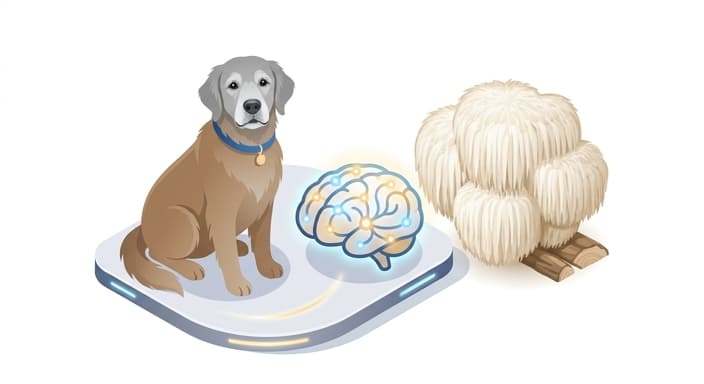
Lion’s Mane (Hericium erinaceus), on the other hand, is the gold standard for neurological health. It contains compounds called hericenones and erinacines, which stimulate the production of Nerve Growth Factor (NGF). In a clinical setting, I recommend this for senior cats and dogs who show signs of cognitive dysfunction—that vacant staring, pacing at night, or confusion in familiar environments. While it isn't a "cure" for aging, it provides the structural support the brain needs to maintain sharper pathways. It is akin to providing the "building blocks" for a more alert, responsive senior pet.
Navigating Quality: The "Mycelium vs. Fruiting Body" Debate
If you decide to incorporate mushroom supplements into your pet’s diet, you must be a detective at the label. Not all mushroom supplements are created equal, and the difference usually comes down to "mycelium on grain" versus "fruiting body." In nature, the mushroom is the fruit of the fungal network; it is where the dense, bioactive compounds are concentrated. Many budget-friendly supplements are actually just the mycelium (the root-like structure) grown on rice or oats, which is then ground up, filler and all.
When you look for a product, ensure it is a "fruiting body" extract. Furthermore, look for "dual-extraction" on the label. Some beneficial compounds in mushrooms are water-soluble, while others are alcohol-soluble. A dual-extraction ensures that you are getting the full spectrum of benefits. Always opt for organic sources to avoid heavy metals—mushrooms are bio-accumulators and will soak up whatever is in the soil they are grown in. Finally, start slow. Begin with a quarter of the recommended dose and monitor your pet’s stool and energy levels for a week before working up to the full dosage.
A Holistic Partnership for Longevity
Integrating functional mushrooms into your pet’s wellness routine is not about chasing the latest trend; it is about providing the body with the complex, evolutionary tools it needs to thrive in a modern environment. Whether you are aiming to soothe a nervous temperament, boost the immune system of a senior, or simply provide a nutritional edge for your best friend, these forest allies offer a gentle and effective path forward. By choosing high-quality, fruiting-body extracts and maintaining a consistent daily ritual, you are investing in a future where your pet isn't just surviving, but vibrant and resilient at every stage of their life. Always remember to clear any new supplement with your primary veterinarian, especially if your pet is already on medication, to ensure a safe and harmonious transition to their new, mushroom-powered wellness plan.
Common Questions
🤔
Frequently Asked Questions
What are functional mushroom supplements and why consider them for pets?▼
Functional mushroom supplements are not just nutrition; they contain bioactive compounds like beta-glucans that help modulate the immune system and support the body's natural defenses. In pets, these mushrooms can complement preventive care by promoting immune balance and reducing chronic stress responses. They are typically used as part of a holistic wellness plan alongside proper diet, exercise, and veterinary guidance.
Which mushrooms are most commonly used for immune and stress support in dogs and cats?▼
Turkey Tail is renowned for immune modulation and gentle support for senior pets. Reishi is valued for calming effects on the nervous system and for reducing systemic inflammation associated with chronic stress. Cordyceps supports energy and stamina, while Lion's Mane is studied for cognitive and neurological health.
How do beta-glucans and gut health relate to immune support in pets?▼
Beta-glucans from fungal cell walls interact with the gut-associated lymphoid tissue and help shape the gut microbiome, which is closely tied to immune function. A healthy gut supports better cellular signaling and immune responses throughout the body. This holistic mechanism means benefits may emerge over time with consistent, appropriate use.
What safety considerations should I keep in mind when starting my pet on functional mushroom supplements?▼
Always consult with a veterinarian before starting any supplement, especially for pets with chronic illness or on other medications. Use high-quality, species-appropriate products and follow dosing recommendations from a veterinary professional. Start with a conservative dose and monitor for any changes in appetite, energy, or behavior, and report adverse effects promptly.