Blog3/22/2026
Functional Food Toppers for Pets' Digestive Health Care
5 mins Read
The Briefing
Quick takeaways for the curious
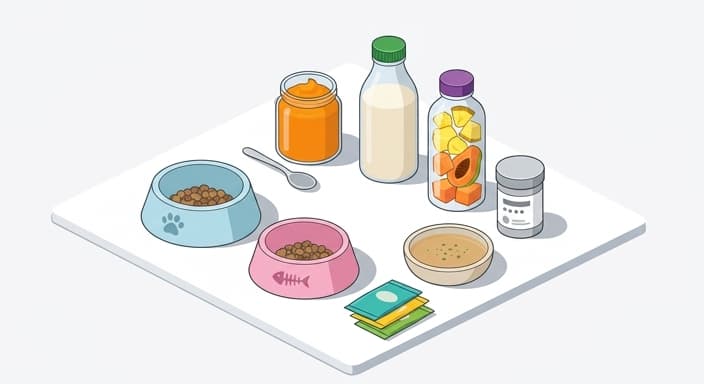
Functional toppers deliver targeted nutrients and prebiotics to the pet's meal, enhancing digestion beyond simple calorie content.
The gut is the largest immune organ, so supporting a healthy microbiome helps systemic health and can reduce inflammation-related symptoms like itchy skin or dull coat.
Beyond fiber, toppers should include digestive enzymes, probiotics or postbiotics, and gut-soothing botanicals to actually support digestion and barrier integrity.
Red flags such as chronic gas, soft stools, excessive paw licking, or persistent tummy rumbles signal that the microbiome may need support.
Choose toppers made from whole-food ingredients with minimal processing to avoid fillers and maximize bioavailability.
There is a persistent, outdated myth in the veterinary world that a pet’s digestive health is a binary state: your pet either has "normal" stools or they have clinical diarrhea. As a veterinarian, I frequently consult with pet parents who believe their dog or cat is "fine" simply because they aren't vomiting, even as their pets suffer from chronic flatulence, inconsistent stool quality, or that lingering, low-level lethargy that stems from poor nutrient absorption. We are moving toward a new standard of care where digestive health isn't just the absence of disease, but the cultivation of a thriving, resilient gut microbiome through functional food toppers.
The Gut-Immune Connection: Why Digestion is the Foundation
To understand the power of functional food toppers, we must first recognize that the gastrointestinal (GI) tract is the largest immune organ in your pet’s body. Approximately 70% of a pet's immune system resides in the gut-associated lymphoid tissue (GALT). When the gut is compromised by inflammation, poor dietary choices, or an imbalance of bacteria, the entire systemic health of the animal is dragged down. This is where the concept of "functional" nutrition comes into play. Unlike standard fillers or treats, functional toppers act as targeted interventions that provide bioavailable nutrients, bioactive compounds, and prebiotics that a pet’s base diet may lack.
When we view food as information rather than just calories, we begin to see how specific ingredients can modulate the gut environment. By adding small, nutrient-dense enhancements to a meal, we can support the mucosal lining of the intestines, encourage the growth of beneficial commensal bacteria, and decrease the systemic inflammation that often manifests as itchy skin, dull coats, or behavioral irritability.
Beyond Fiber: The Role of Bioactive Toppers
Many pet owners are familiar with the idea of adding pumpkin for digestion, but functional nutrition goes much deeper. While soluble fiber is excellent for stool consistency, we need to focus on the "architects" of the gut: enzymes, probiotics, and gut-soothing botanicals.
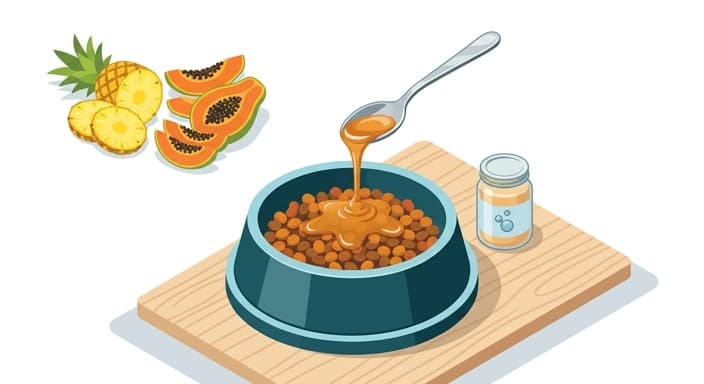
Digestive enzymes, for instance, are often depleted in pets eating highly processed, heat-treated kibble. Adding a topper rich in plant-based enzymes—like those derived from pineapple (bromelain) or papaya (papain)—can alleviate the workload on a pet's pancreas. Similarly, postbiotics and fermented foods provide the building blocks necessary for a robust intestinal barrier. By incorporating these into a daily routine, we aren't just treating symptoms; we are proactively reinforcing the biological integrity of the digestive tract.
Common Digestive "Red Flags" You Should Not Ignore
In my clinic, I often hear pet parents say, "Oh, he’s always had a bit of a gassy stomach; that’s just how he is." In reality, chronic gas is a classic sign of fermentation issues in the lower gut, usually caused by undigested proteins or a bacterial imbalance. If your pet is experiencing frequent soft stools, excessive licking of their paws, or persistent "tummy rumbles," they are signaling that their microbiome is struggling to maintain homeostasis.
Another subtle marker is "dietary pickiness" that seems to fluctuate. Often, what we interpret as a pet simply being a "fussy eater" is actually their body attempting to self-regulate against foods that cause them low-level gastric distress. By introducing gut-supporting toppers—such as bone broth for hydration and amino acid support, or goat’s milk for gentle, easy-to-digest probiotics—we often see these "picky" eaters become much more enthusiastic about their meals. When the gut feels good, the appetite naturally stabilizes.
Selecting the Right Toppers for Your Pet’s Profile
Not all toppers are created equal, and the "functional" label can sometimes be a marketing ploy. As a veterinarian, I advise my clients to look for whole-food ingredients with minimal processing. When choosing a topper for digestive health, prioritize these three categories:
- Prebiotic Sources: Ingredients like ground flaxseed, dandelion root, or pureed pumpkin provide the "fuel" that beneficial gut bacteria need to flourish.
- Soothing Botanicals: Slippery elm bark and marshmallow root act as a soothing balm for the intestinal lining, which is particularly helpful for pets prone to irritation.
- Fermented Superfoods: Fermented veggies or raw goat’s milk are powerhouses of natural probiotics and enzymes that are far more bioavailable than synthetic supplements.
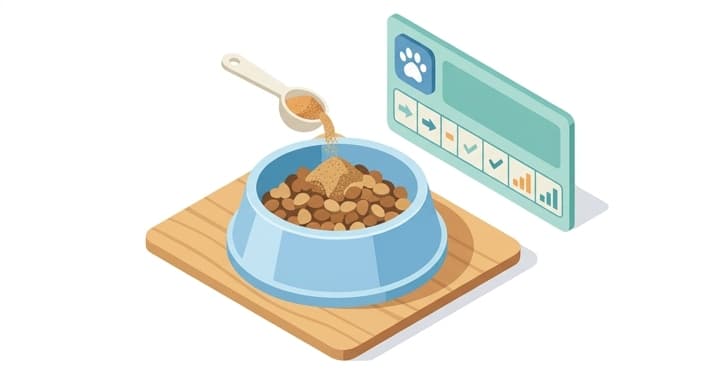
When introducing these to your pet’s bowl, remember the "low and slow" rule. Even the healthiest topper can cause a temporary disruption if introduced too quickly. Start with a teaspoon for smaller pets or a tablespoon for larger breeds, and monitor their stool quality over the course of a week.
Practical Implementation: Building the "Bowl of Wellness"
Integrating functional nutrition into your pet's life doesn't require a culinary degree or a massive time commitment. It’s about creating a consistent rhythm. For a dog, this might mean a drizzle of warm, low-sodium bone broth over their morning kibble to kickstart digestion. For a cat, it could be a small dollop of plain, unsweetened kefir or a sprinkle of freeze-dried organ meat and green tripe.
Green tripe, in particular, is a "holy grail" for digestive health. It is packed with natural digestive enzymes and probiotics that are essentially pre-digested by the ruminant animal, making it incredibly easy for your pet to assimilate. By rotating these toppers, you provide a wider spectrum of nutrients, preventing the "boredom" of a static diet and building a more diverse microbiome. The goal is to create a bowl that is not only nutritionally dense but also biologically appropriate for a carnivore’s or omnivore’s digestive system.
The Long-Term Impact of Digestive Proactivity
The beauty of functional food toppers lies in their ability to prevent the "senior decay" we discussed earlier. By supporting the gut today, you are effectively slowing down the inflammatory processes that lead to chronic disease tomorrow. A healthy, well-functioning gut means better nutrient absorption, a more robust immune response, and a pet who simply feels better in their own skin.
Ultimately, your pet’s digestive health is a reflection of the care you put into their bowl. Moving away from the "maintenance" mindset and embracing functional, real-food additions is one of the most impactful decisions you can make as a pet owner. Whether it’s a sprinkle of probiotics or a spoonful of healing broth, these small, daily acts of nourishment add up to a longer, more vibrant life for your furry companion. When you heal the gut, you nourish the whole animal—and that is the heart of veterinary wellness.
Common Questions
🤔
Frequently Asked Questions
What is a functional food topper and how does it work?▼
A functional food topper is a small addition to a pet's regular meal that delivers targeted nutrients such as enzymes, probiotics or postbiotics, and soothing botanicals. It works by supporting the gut's enzymatic workload, nourishing the mucosal lining, and encouraging growth of beneficial bacteria. By delivering bioavailable components, these toppers can help improve stool quality, reduce gas, and support immune health via the gut-associated lymphoid tissue. Look for toppers made from whole foods with minimal processing rather than heavily synthetic fillers.
Are toppers suitable for all pets or are there risks?▼
Most pets tolerate toppers well, but they are not universally appropriate for every animal. Introduce any new topper gradually and watch for signs of intolerance, such as worsening gas or loose stools. Pets with pancreatitis, diabetes, or on specific medications should consult a veterinarian before adding toppers. Avoid toppers containing harmful ingredients and choose vet-approved, evidence-informed options.
How do I choose the right topper for my pet's profile?▼
Start with toppers that use whole-food ingredients and have minimal processing. Consider your pet's digestive pattern, such as chronic gas, intermittent soft stools, or appetite changes, and choose formulas designed for those issues. Check for transparency about ingredients and sourcing, and prefer products with veterinary guidance or backing. Introduce the topper slowly and monitor stool quality, energy, and hydration.
When should I consult a veterinarian about digestive health?▼
If your pet has persistent vomiting, diarrhea, weight loss, lethargy, or signs of systemic illness, seek veterinary care promptly. A topper can support digestion, but it should not replace veterinary diagnosis or treatment for serious conditions. Early evaluation helps identify chronic issues and tailor nutrition to your pet's specific needs. The gut-immune connection underscores the importance of professional guidance for long-term gut health.