Blog3/21/2026
Fresh Food Toppers for Pet Digestive Health and Gut Microbiome
5 mins Read
The Briefing
Quick takeaways for the curious
Fresh food toppers deliver bioactive compounds, enzymes, and fibers that nourish a pet's gut microbiome rather than just adding calories.
Think of the gut as a living garden that benefits from dietary variety and prebiotic, probiotic, and fiber-rich toppers to repair the lining and stabilize stool.
Functional toppers like pumpkin and kefir or plain unsweetened goat's milk provide targeted digestive benefits beyond flavor by supporting stool consistency and microbial balance.
Introduce toppers gradually, limiting them to about 10-15% of daily calories and monitoring stool for 48-72 hours before expanding variety.
A rotating selection of simple, whole-food toppers is safer and more effective than large, abrupt dietary changes and avoids replacing the base diet.
There is a persistent misconception that a pet’s digestive health is entirely dependent on the quality of the kibble poured into their bowl at 7:00 AM and 5:00 PM. As a veterinarian, I see the result of this "set it and forget it" mentality daily: chronic soft stools, intermittent bouts of vomiting, and a microbiome that is essentially starving for diversity. Nutrition is not just about meeting caloric requirements; it is about providing the bioactive compounds, enzymes, and fibers that fuel a thriving gut ecosystem.
The Microbiome: A Garden, Not a Machine
To understand why fresh food toppers are transformative, we must first shift our perspective on the digestive tract. The gut is not merely a pipeline for processing waste; it is a complex, living ecosystem—a microscopic garden populated by trillions of bacteria, fungi, and viruses. In a healthy pet, this "gut flora" helps digest food, synthesize vitamins, and train the immune system. However, when a pet eats the exact same ultra-processed dry food every single day for years, this "garden" loses its biodiversity.
Think of it this way: if you only ate the same brand of cereal for every meal for a decade, your own internal health would likely suffer from a lack of phytonutrients and microbial variety. Adding fresh, whole-food toppers acts as a prebiotic, feeding the beneficial bacteria and creating a robust barrier against pathogens. When we introduce fresh ingredients, we aren't just adding flavor; we are providing the raw materials necessary for the gut to repair its lining and maintain a healthy, consistent stool.
The Power of "Functional" Toppers: Beyond Just Flavor
Many pet owners worry that adding toppers will create a "picky eater," but when chosen correctly, these additions are actually therapeutic. The key is to focus on functional foods—ingredients that provide a specific health benefit beyond basic nutrition.
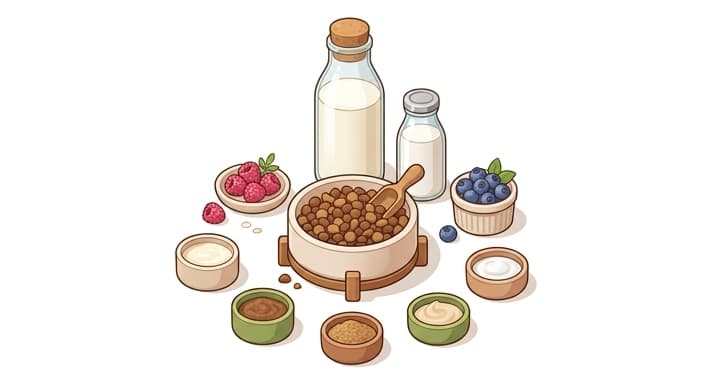
For digestive support, look to ingredients that offer natural enzymes and soothing properties. Pumpkin, for instance, is a classic for a reason. It is rich in soluble fiber, which absorbs excess water in the intestines, making it a gold-standard remedy for both diarrhea and mild constipation. Another powerhouse is kefir or plain, unsweetened goat’s milk. These are rich in probiotics—the live "good" bacteria that directly replenish your pet's microbiome after a period of stress or antibiotic use. By rotating these simple, whole-food additions, you are essentially "weeding and seeding" your pet's gut, ensuring that the beneficial bacteria have the upper hand.
How to Introduce Freshness Without Upsetting the Apple Cart
One of the most common mistakes I see in clinical practice is the "all-or-nothing" approach to dietary changes. A pet owner reads that blueberries are great for antioxidants, so they dump a whole cup into their dog’s bowl, resulting in a messy case of gastrointestinal distress. The digestive system is highly sensitive to abrupt changes; it prefers a gradual, measured transition.
Start slow. For most pets, a "topper" should constitute no more than 10% to 15% of their daily caloric intake to ensure you aren't unbalancing a complete and balanced diet. Begin with a teaspoon for smaller pets or a tablespoon for larger breeds. Monitor their stool quality for 48 to 72 hours. If the stool remains firm and the pet is excited for mealtime, you can slowly increase the variety. Remember, the goal is not to replace their base diet, but to "top" it with the micronutrients that processing heat often destroys.
The Best Toppers for Gut Resilience
If you are looking to curate a "digestive pharmacy" in your own kitchen, these are the top-tier additions I recommend most frequently to my clients:
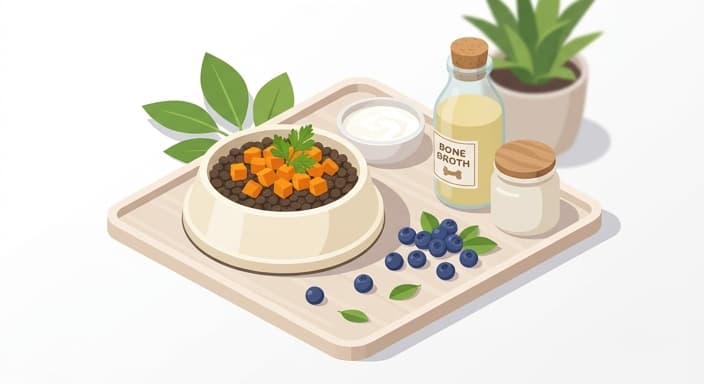
- Bone Broth: Not the store-bought variety with onions or garlic (which are toxic to pets), but a simple, homemade, or pet-specific broth. It is rich in glycine and proline, amino acids that help "seal" the gut lining and reduce inflammation.
- Steamed Leafy Greens: Small amounts of finely chopped, steamed kale or spinach provide essential fiber and phytonutrients that act as fuel for the colon cells.
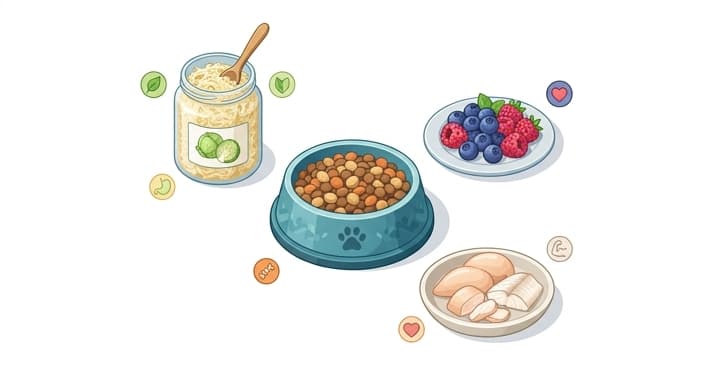
- Fermented Vegetables: A tiny pinch of raw, unpasteurized sauerkraut (no salt or spices added) provides a massive dose of probiotics.
- Blueberries and Raspberries: These berries are packed with antioxidants and fiber, which help modulate inflammation throughout the digestive tract.
- Freshly Cooked Lean Proteins: A small portion of poached chicken or white fish provides highly digestible proteins that are easy on an inflamed GI tract.
When to Consult Your Vet: Knowing the Difference
While fresh food toppers are a powerful tool for wellness, it is crucial to understand when they are no longer enough. There is a fine line between a "sensitive tummy" and a medical condition. If your pet experiences chronic weight loss, blood in the stool, persistent lethargy, or repeated vomiting, these are red flags that require a physical exam and diagnostics, such as fecal testing or blood work.
Toppers are for optimization and maintenance. They are the "preventative medicine" that helps keep a healthy pet thriving. However, they cannot replace treatment for underlying issues like Inflammatory Bowel Disease (IBD), food allergies, or parasitic infections. Always consult your veterinarian before adding new foods if your pet has a history of pancreatitis, as high-fat toppers can trigger a life-threatening flare-up in vulnerable patients.
Cultivating a Lifetime of Digestive Health
Incorporating fresh food toppers into your pet's routine is one of the most proactive steps you can take as a pet parent. It signals a move away from the convenience-first mentality and toward a model of care that prioritizes long-term vitality. By diversifying the nutrients your pet consumes, you are effectively strengthening their immune system, improving their stool quality, and quite possibly adding "healthy years" to their lifespan. Start with one simple ingredient, observe your pet’s response, and enjoy the satisfaction of knowing you are nourishing them from the inside out. Your pet’s digestive health is a reflection of their overall well-being, and with a little bit of fresh, whole-food love, you can ensure they feel their best every single day.
Common Questions
🤔
Frequently Asked Questions
What makes fresh toppers different from traditional kibble for digestive health?▼
Fresh toppers are not just flavor enhancers; they provide bioactive compounds, enzymes, and fibers that support a thriving gut ecosystem. By acting as prebiotics and delivering live or easily digested nutrients, toppers help feed beneficial bacteria and can aid in repairing the gut lining. They should complement, not replace, the base diet and are most effective when used as part of a varied, whole-food approach. Rotating simple ingredients helps maintain microbiome diversity and digestive resilience.
Which toppers are most beneficial for digestive resilience?▼
Pumpkin offers soluble fiber that can absorb excess water and help regulate stool, making it a go-to for both diarrhea and mild constipation. Kefir or plain unsweetened goat's milk provides probiotic bacteria that replenish the gut after stress or antibiotic use. Bone broth provides glycine and proline that support gut lining integrity. Rotate these with other simple, whole-food options to maintain balance.
How should I introduce a topper without upsetting my pet's digestion?▼
Start slowly and use toppers as a small proportion of the daily intake—about 10-15% of calories. Begin with a teaspoon for small pets or a tablespoon for larger ones, and watch for 48-72 hours for changes in stool and appetite. If the stool remains firm and interest stays high, gradually increase variety while keeping the total topper portion within the target range. Avoid abrupt, large changes that can disrupt the gut microbiome.
What are common pitfalls or things to avoid when using toppers?▼
Avoid the all-or-nothing mindset and abrupt dietary shifts; introduce new ingredients gradually. Do not use store-bought bone broth with onions or garlic, which are toxic to pets, and be mindful of added salts or sugars in some toppers. Don't rely on toppers alone to meet nutritional needs or replace the base diet; they are a supplement to support gut health. Finally, be mindful of individual sensitivities, and rotate ingredients to prevent new intolerances.