Blog3/18/2026
Freeze-Dried Organ Meat Treats for Pets: Nutritious Crunch
8 mins Read
The Briefing
Quick takeaways for the curious
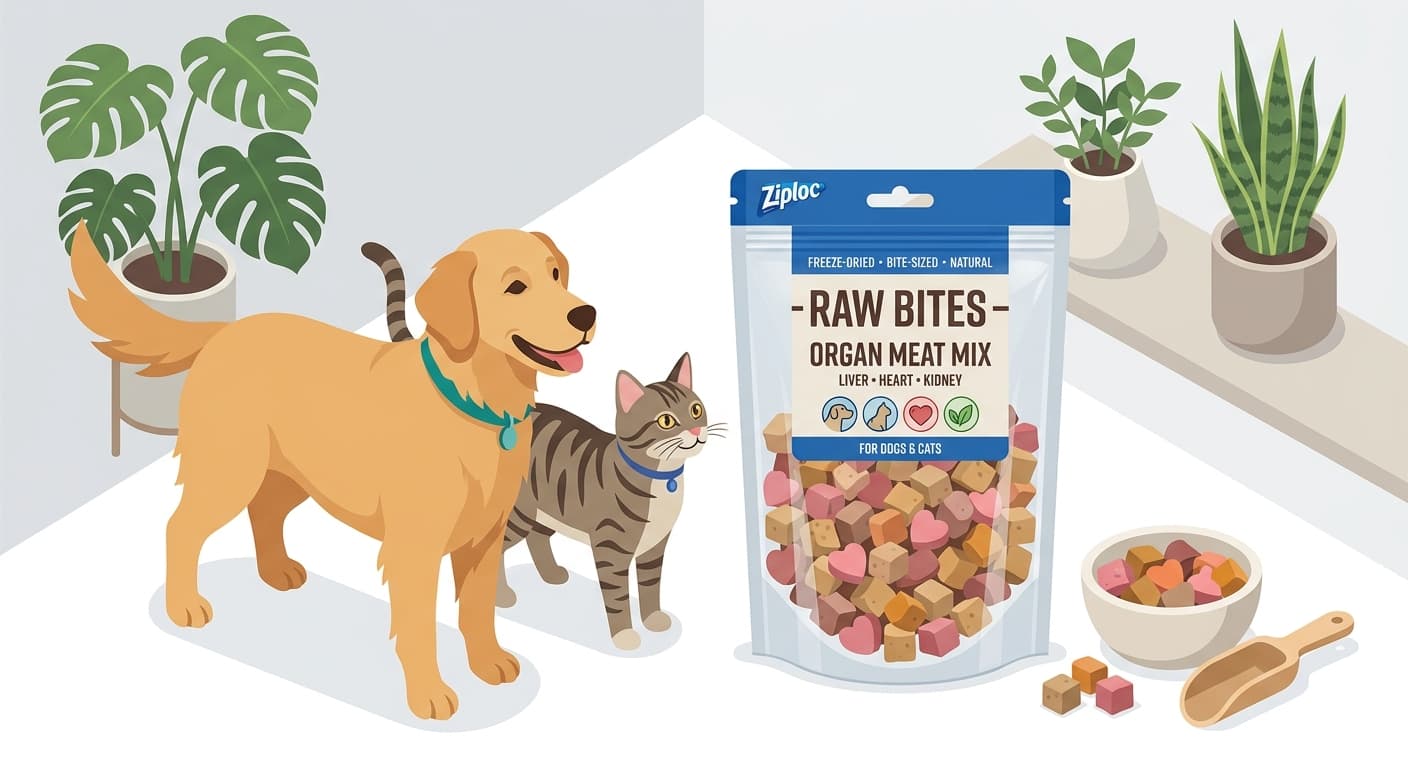
Freeze-dried organ meats deliver a concentrated nutrient punch compared with muscle meat.
Organs are nutrient-dense, housing vitamins and minerals far more densely than skeletal muscle.
Freeze-drying preserves roughly 97% of the original nutrient profile, while avoiding chemical preservatives and high salt.
Heart tissue provides taurine and CoQ10, supporting cardiovascular function, which is especially important for cats.
Used strategically, freeze-dried organ treats can bridge modern convenience with evolutionary nutrition to support overall vitality.
There is a specific, unmistakable vibrance in a pet’s eyes when they realize a high-value reward is coming—a primal focus that transcends the typical "sit" and "stay" routine. As a veterinarian, I’ve spent years analyzing the intricate labels of commercial pet snacks, often finding a disappointing array of fillers and synthetic additives, which is why the shift toward freeze-dried organ meats represents such a profound homecoming to ancestral nutrition. The goal of a truly great treat isn't just to provide a momentary distraction or a reward for a trick; it is to offer a concentrated "nutritional spark" that supports the body’s complex biological systems from the inside out.
The Biological Powerhouse: Why Organs Outshine Muscle Meat
In the wild, the hierarchy of consumption is telling: when a predator makes a kill, the organ meats are often the first parts consumed. This isn't a matter of preference, but a biological imperative. While muscle meat—the chicken breast or beef chuck we often feed our pets—is an excellent source of protein and amino acids, it is relatively "quiet" in terms of micronutrient density. Organ meats, by contrast, are the storage units for the body’s most vital nutrients. Often referred to as "nature’s multivitamins," organs like the liver, heart, and kidneys contain concentrations of vitamins and minerals that are exponentially higher than those found in skeletal muscle.
Take the liver, for instance. It is perhaps the most nutrient-dense organ on the planet, packed with preformed Vitamin A (retinol), B vitamins (specifically B12 and folate), iron, and copper. These are not just "nice-to-have" additions; they are the fundamental building blocks for healthy vision, robust immune function, and efficient red blood cell production. Similarly, the heart is an extraordinary source of taurine and Coenzyme Q10 (CoQ10). For my feline patients, who are obligate carnivores and have a high requirement for taurine to prevent dilated cardiomyopathy, heart meat isn't just a treat—it’s a targeted health intervention. By incorporating these "offal" cuts into your pet's diet through freeze-dried treats, you are effectively bridging the gap between modern convenience and evolutionary requirement.
The Science of the Snap: Why Freeze-Drying Wins Over Dehydration
One of the most frequent questions I receive in the clinic is whether there is a meaningful difference between "dehydrated" and "freeze-dried" treats. To the naked eye, they might look similar, but at a molecular level, the difference is staggering. Traditional dehydration uses heat to evaporate moisture. While effective for preservation, heat is the enemy of many sensitive nutrients. High temperatures can denature proteins and destroy heat-labile vitamins like Vitamin C and certain B vitamins, essentially "cooking" the nutritional value right out of the organ.
Freeze-drying, or lyophilization, is a sophisticated three-step process: freezing, primary drying (sublimation), and secondary drying (desorption). Because the moisture is removed while the meat is frozen, the structural integrity of the cells remains intact. This process preserves roughly 97% of the original nutrient profile. Furthermore, because the moisture is removed so thoroughly, freeze-dried organ meats are shelf-stable without the need for chemical preservatives, humectants, or high levels of salt. When you snap a freeze-dried liver treat, that "crunch" is the sound of preserved cellular architecture. For a veterinarian, this is the gold standard; it allows us to provide the benefits of raw feeding—bioavailable enzymes and intact vitamins—with the safety and convenience of a dry, portable snack.
Targeted Vitality: Matching Organs to Your Pet’s Needs
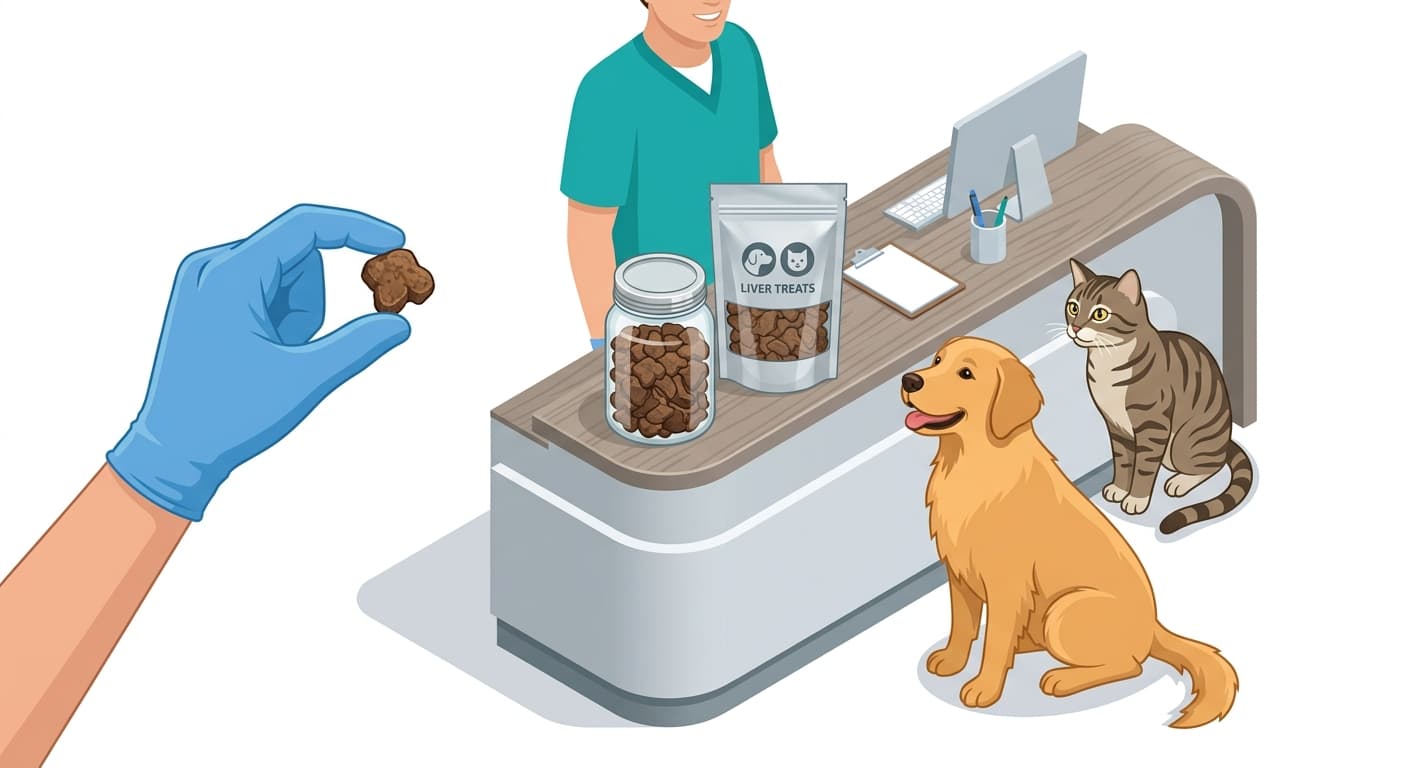
Not all organs are created equal, and as a pet owner, you can actually use freeze-dried treats to support specific health goals. When I consult with clients on preventative care, we often "prescribe" specific organ types based on the pet's life stage or health challenges.
- Liver for Growth and Immunity: Because of its high Vitamin A and iron content, liver is excellent for growing puppies and kittens whose immune systems are still "learning." It provides the fuel for rapid cellular turnover.
- Heart for Senior Vitality: The heart is essentially a concentrated muscle that is rich in CoQ10, an antioxidant that supports mitochondrial health. As pets age, their natural production of CoQ10 can decline, making freeze-dried heart an excellent choice for supporting cardiac function and cognitive health in senior dogs and cats.
- Kidney for Skin and Coat: Kidneys are an underrated powerhouse of selenium and B12. Selenium is a trace mineral that plays a vital role in thyroid function and skin health. If you have a pet struggling with a dull coat or seasonal allergies, the unique mineral profile of kidney meat can provide much-needed support.
- Spleen for Blood Health: Spleen is one of the highest natural sources of heme iron. For pets recovering from illness or those prone to anemia, small amounts of freeze-dried spleen can act as a natural "blood tonic," supporting the oxygen-carrying capacity of the blood.
By rotating these different organs, you ensure your pet receives a broad spectrum of nutrients that no single muscle-meat treat could ever provide. It mimics the "nose-to-tail" eating habits of their ancestors, providing a balanced intake of the fat-soluble vitamins (A, D, E, and K) that are so critical for long-term health.
The Golden Rule of Moderation: Navigating Nutrient Density Safely
Because freeze-dried organ meats are so concentrated, it is vital to remember the clinical adage: "The dose makes the poison." In my practice, I have seen well-meaning owners overdo it with liver treats, leading to a condition called hypervitaminosis A. Unlike water-soluble vitamins (like Vitamin C), fat-soluble vitamins like Vitamin A are stored in the liver and can build up to toxic levels if consumed in excess. Symptoms of Vitamin A toxicity in dogs and cats can include joint pain, skin dryness, and even bone spurs.
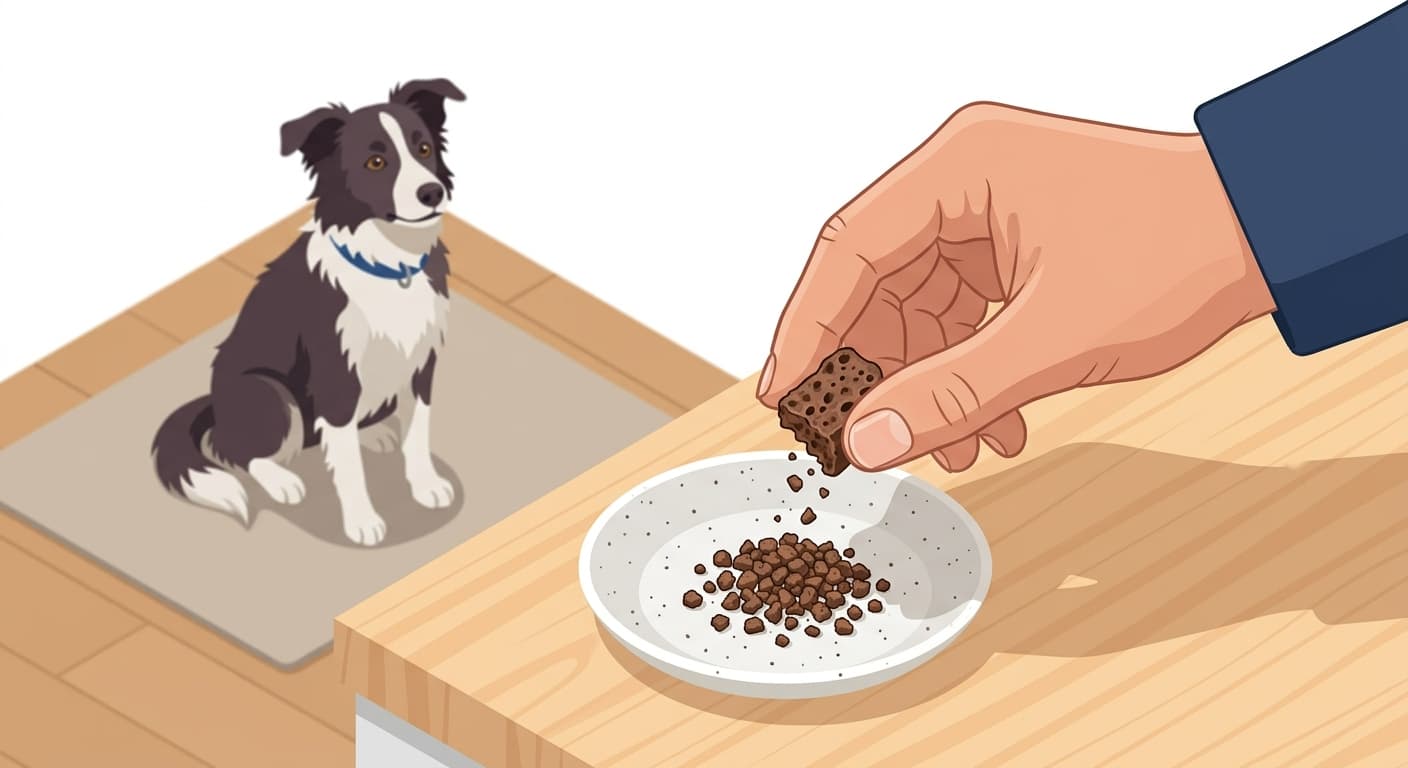
The general veterinary guideline is that treats—including these high-potency organ meats—should make up no more than 10% of your pet’s daily caloric intake. However, with organs, I often suggest being even more conservative. A small "button-sized" piece of liver or heart is a massive nutritional payload. For a 20-pound dog, two to three small pieces of freeze-dried liver per day is usually the "sweet spot." If you are using them for high-stakes training sessions, I recommend breaking the treats into tiny, pea-sized crumbs. This keeps the motivation high without overwhelming their metabolic system or causing digestive upset. Always remember that organ meats are rich; introducing them too quickly can lead to "rich-food diarrhea," so start with a single piece and monitor your pet’s stool over the next 24 hours.
Sourcing and Integrity: How to Read Beyond the Marketing
As the popularity of freeze-dried treats has surged, the market has become crowded with products of varying quality. As a veterinarian, I look for three specific markers of integrity when recommending a brand. First, the ingredient list should be "single-source." If you are buying freeze-dried beef liver, the only ingredient on the bag should be "Beef Liver." Avoid products that include "natural flavors," glycerin, or tocopherols; the freeze-drying process itself is the preservative, so any additives are unnecessary fillers.
Second, consider the origin of the livestock. Organs are the filtration system of the body; the liver and kidneys, in particular, process toxins. Therefore, the health of the animal the organ came from matters immensely. I prioritize treats sourced from grass-fed, pasture-raised animals from countries with stringent agricultural standards, such as New Zealand, the USA, or Canada. Grass-fed organs typically have a superior Omega-3 to Omega-6 fatty acid ratio, which helps reduce systemic inflammation in your pet.
Third, look for "human-grade" labeling or brands that practice transparent batch testing. While "pet grade" meat can sometimes include "4D" meat (Dead, Dying, Diseased, or Disabled animals), human-grade standards ensure the meat was handled and processed in a facility that meets the same safety requirements as the food on your own dinner table. This significantly reduces the risk of bacterial contamination, such as Salmonella or Listeria, which is a primary concern in raw or minimally processed pet foods.
From Training to Toppers: Maximizing the Utility of Organ Meats
The versatility of freeze-dried organ treats is one of their greatest clinical advantages. For the "picky eaters"—those dogs and cats who turn their noses up at their standard kibble or canned food—freeze-dried organs are a secret weapon. You can easily crumble a piece of freeze-dried liver or heart over their regular meal. The intense, natural aroma acts as a powerful olfactory stimulant, triggering the "hunting" drive and encouraging them to eat. This is especially helpful for senior pets with a declining sense of smell or those undergoing medical treatments that may suppress their appetite.
Furthermore, these treats are the ultimate tool for positive reinforcement training. In the veterinary clinic, we call these "high-value" treats. For a dog that is fearful of the vet or struggling with leash reactivity, a standard biscuit often isn't enough to override their anxiety. However, the primal scent and taste of freeze-dried organ meat can often break through that "fear threshold," allowing us to create new, positive associations with stressful environments. Because they are dry and non-greasy, they are easy to keep in a pocket or training pouch without making a mess, making them as convenient for the owner as they are delicious for the pet.
In the grand journey of pet ownership, we are constantly looking for ways to extend the quality and length of the lives of our companions. While there is no "magic bullet" for health, the transition toward biologically appropriate, nutrient-dense rewards like freeze-dried organ meats is one of the simplest and most impactful changes you can make. By respecting their ancestral needs and providing these concentrated bursts of "nature’s multivitamins," you aren't just giving them a treat—you are investing in their longevity, one crunch at a time. Always consult with your veterinarian to tailor the specific organ rotation to your pet's unique health profile, and watch as their coat, energy, and spirit reflect the power of real, whole-food nutrition.
Common Questions
🤔
Frequently Asked Questions
What is the difference between freeze-dried and dehydrated organ treats?▼
Freeze-dried treats are created by freezing and sublimation, which removes moisture while preserving cellular structure. Dehydration uses heat and can degrade heat-sensitive nutrients. Freeze-drying preserves roughly 97% of the original nutrient profile, whereas dehydration can reduce vitamins and enzymes. So freeze-dried organs deliver more bioavailable nutrients with a safer shelf-life and less risk of nutrient loss.
Why are organ meats more nutrient-dense than muscle meat for pets?▼
Organ meats are storage units for the body's most vital nutrients, offering vitamins A, B12, iron, copper, and other minerals in higher concentrations than skeletal muscle. Liver, in particular, is exceptionally rich in retinol, B vitamins, and minerals that support vision and immune function. The heart provides taurine and CoQ10, nutrients that are harder to obtain from muscle alone. Together, they support systems from immune health to cardiac function, aligning with evolutionary nutrition.
How can freeze-dried organ treats support specific health goals?▼
Owners can tailor treats by organ type to target different needs, such as liver for immune support and vision, or heart for taurine and CoQ10 benefits. For pets that require cardiovascular support, heart-based treats are particularly relevant. Use these as a supplement to a balanced diet, not as a sole nutrition source, and consult a veterinarian for a plan. Strategic use helps bridge modern convenience with evolutionary requirements.
Are freeze-dried organ treats safe for pets with dietary restrictions or allergies?▼
Like any organ-based product, there is potential for allergies to offal, so introduce gradually and watch for reactions. Choose high-quality sources and limit ingredients to minimize exposure to unwanted additives. If your pet has known dietary restrictions, discuss with a veterinarian before adding organ treats to the regimen. Treats should complement a complete, balanced diet, not replace it.