Blog3/17/2026
Eco-Friendly Spring Cleaning for a Pet-Safe Home Guide
6 mins Read
The Briefing
Quick takeaways for the curious
Eco-friendly spring cleaning reduces exposure to VOCs, phthalates, and synthetic fragrances that can irritate pets' airways and skin.
Pets' unique biology—close contact with floors, fur, and even grooming tongues—makes them particularly vulnerable to chemical cleaners, underscoring the need for non-toxic options.
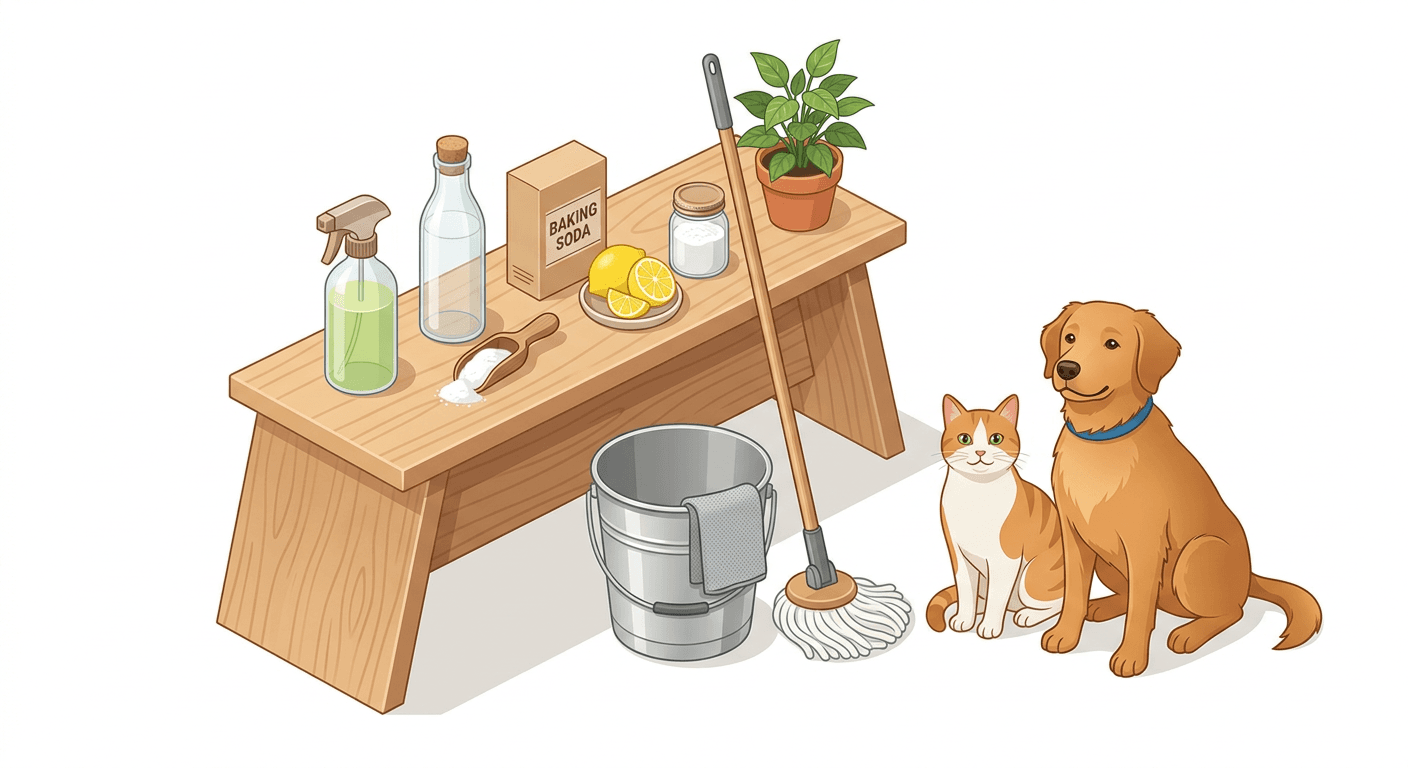
The vet-recommended DIY toolkit—distilled white vinegar, baking soda, and lemon juice—offers biodegradable, inexpensive cleaning power without harsh residues.
A simple, pet-safe universal floor cleaner is one part vinegar to four parts warm water; vinegar acts as a mild disinfectant and degreaser while drying odorlessly.
For odors and stains, a baking soda paste can lift pollutants from fabrics, providing mechanical removal rather than masking with heavy fragrances, which benefits indoor air quality.
There is a specific, rejuvenating energy that arrives with the first thaw of spring, a collective sigh of relief from both humans and their four-legged companions as windows are cracked open for the first time in months. As a veterinarian, I’ve spent years observing how our pets' health is intricately tied to the micro-environments we create within our four walls, often seeing a spike in respiratory irritations and skin sensitivities the moment the "deep cleaning" supplies come out of the cupboard. Transitioning to an eco-friendly spring cleaning routine isn't just a win for the planet; it is a vital step in protecting the delicate biological systems of the animals who share our floor space.
The Ground-Level Perspective: Why Pets are More Vulnerable to Chemicals
To understand the necessity of green cleaning, we must first look at the world from your pet’s height. Unlike humans, who navigate the world several feet above the floor and spend most of our time in shoes, our dogs and cats are in constant, intimate contact with every surface in the home. They walk across the floor with porous paw pads, they nap on the carpet with their faces pressed against the fibers, and, perhaps most importantly, they use their tongues as their primary grooming tools. When you mop with a traditional chemical cleaner, you aren’t just cleaning the floor; you are coating your pet’s paws in a film of synthetic detergents that they will inevitably ingest during their next grooming session.
Furthermore, a pet’s respiratory rate is often much higher than ours, especially in smaller breeds or high-energy dogs. This means they are inhaling a greater volume of air relative to their body weight, making them hypersensitive to Volatile Organic Compounds (VOCs) and synthetic fragrances. Many conventional cleaners contain phenols, phthalates, and formaldehyde—substances that can lead to chronic feline asthma, canine bronchitis, or even long-term organ stress as the liver works to process these foreign toxins. By shifting to eco-friendly, non-toxic alternatives, we are essentially "detoxing" their immediate environment and reducing the invisible burden on their immune systems.
The Vet’s Green Toolkit: Safe and Effective DIY Alternatives
In my clinical experience, the most effective cleaning agents are often the ones already sitting in your pantry. The "big three" of pet-safe cleaning are distilled white vinegar, baking soda (sodium bicarbonate), and lemon juice. These ingredients are biodegradable, incredibly inexpensive, and, most importantly, possess natural antimicrobial properties without the lingering "chemical cloud" of industrial sprays.
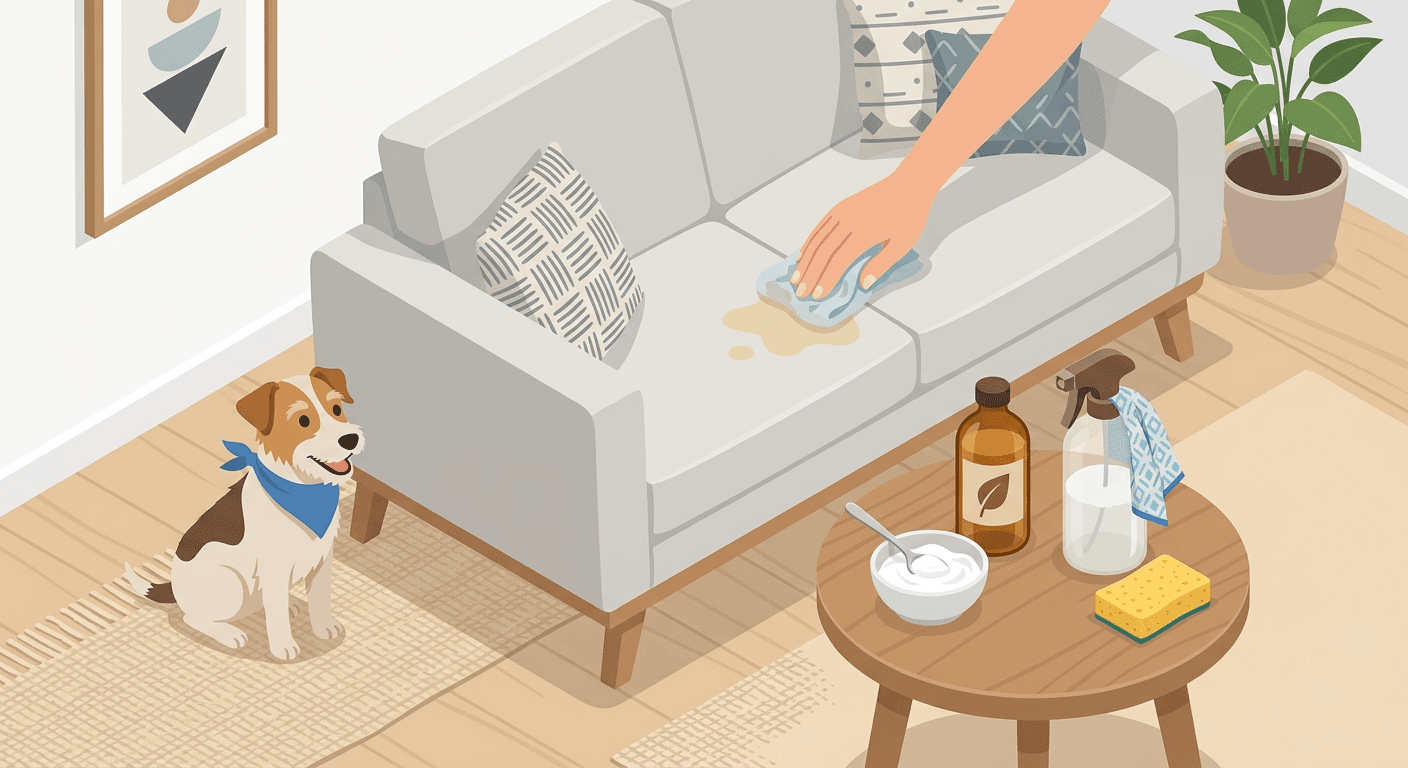
For a universal floor cleaner that is safe for both hardwood and tile, a mixture of one part vinegar to four parts warm water is the gold standard. The acetic acid in the vinegar acts as a mild disinfectant and a powerful degreaser, breaking down the oils from pet fur and the occasional "accident" residue. If you are worried about the scent, don't be—the vinegar smell dissipates completely as it dries, leaving behind nothing but a neutral, clean surface. For stubborn stains on carpets or upholstery, a paste made of baking soda and a small amount of water can lift odors and pigments through a process of adsorption, physically pulling the particles out of the fabric rather than just masking them with a heavy floral perfume.
Beyond the Surface: Managing Allergens and Air Quality
Spring cleaning is as much about what you remove from the air as what you scrub off the baseboards. This season is the peak of "shedding season," where pets lose their heavy winter undercoats to make room for lighter summer fur. This process releases a massive amount of dander and trapped outdoor allergens into your home. As a veterinarian, I often see pets suffering from "atopy"—environmental allergies that manifest as itchy skin, red paws, and ear infections. A deep spring clean should prioritize the mechanical removal of these triggers.
Instead of using synthetic air fresheners or "fabric refreshers" that rely on cyclodextrins and heavy scents, focus on physical filtration. If you haven't changed your vacuum’s HEPA filter in the last six months, now is the time. A high-quality HEPA filter captures 99.97% of particles as small as 0.3 microns, including the microscopic dander that triggers most pet-related allergies. When cleaning soft surfaces like dog beds or cat towers, skip the chemical sprays and opt for a high-heat steam cleaner. The temperature of the steam is sufficient to kill dust mites and bacteria without the need for a single drop of detergent. For a "fresh" scent that won't irritate a dog’s sensitive nose, consider simmering a pot of water on the stove with a few slices of orange and a sprig of rosemary—a natural aromatherapy that is safe for even the most sensitive feline lungs.
The Sustainable Grooming Transition: Mud, Paws, and Earth-Friendly Suds
Spring cleaning isn't limited to the house; it extends to the pets themselves. The "mud season" that accompanies spring thaws brings a unique set of challenges. Traditional pet shampoos often contain sulfates and parabens that strip the natural oils from a pet’s coat, leading to dry, itchy skin that is more susceptible to allergens. When selecting grooming products for your spring refresh, look for "pH-balanced" formulas that use plant-derived surfactants like coconut or oat-based cleansers.
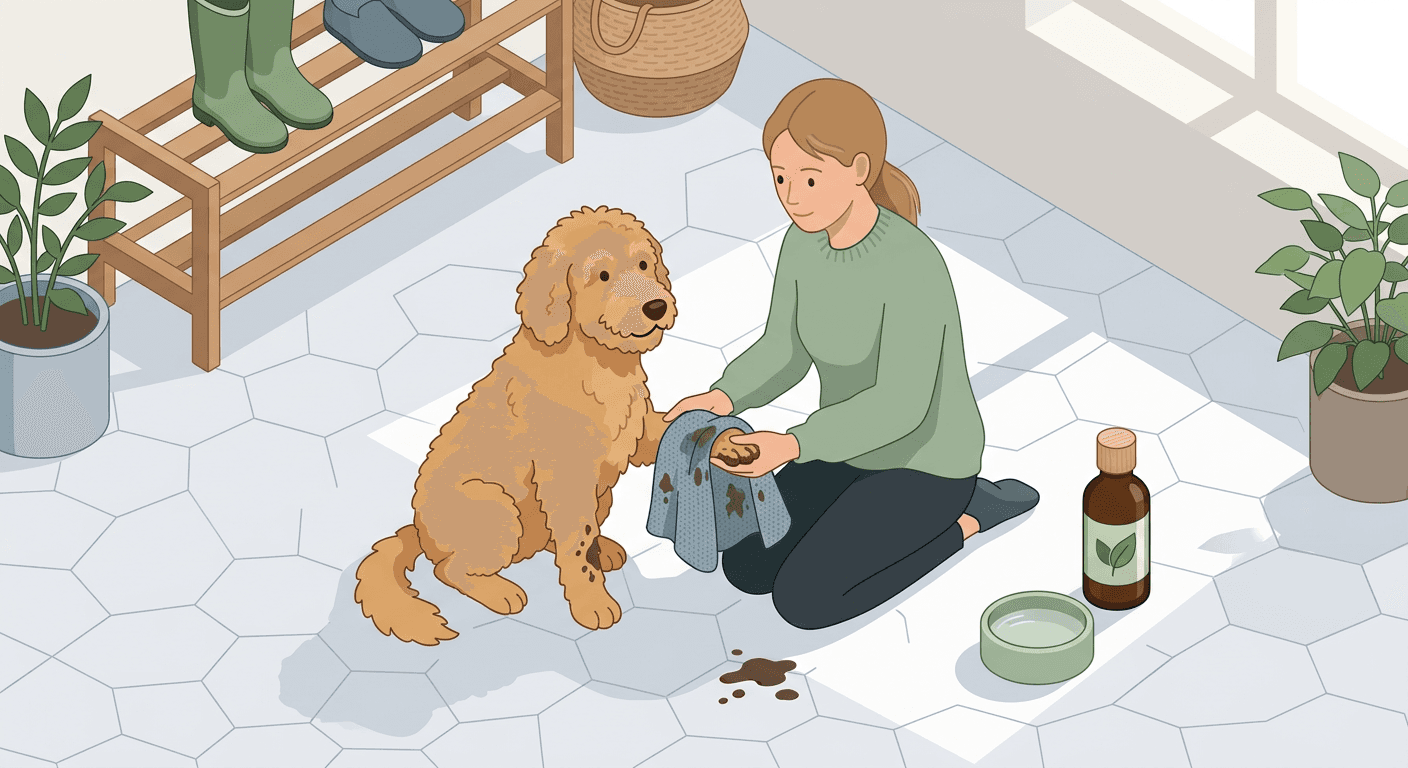
Eco-friendly grooming also means being mindful of the water we use. Consider using a "waterless" foam shampoo for quick paw cleanups after walks, which reduces water waste and prevents the over-drying of the paw pads. If you use grooming wipes, ensure they are compostable or biodegradable; the standard plastic-based wipes take centuries to break down in landfills and often contain preservatives like methylisothiazolinone, which can be a skin irritant for many dogs. A simple micro-fiber towel dampened with warm water and a drop of organic jojoba oil is often more than enough to remove spring mud while conditioning the skin's natural barrier.
The Spring Audit: Decluttering for Safety and Sustainability
A comprehensive spring cleaning is the perfect opportunity to perform a safety audit of your pet’s belongings. Over the winter, toys may have become frayed, leashes might have developed structural weaknesses, and the medicine cabinet may have accumulated expired products. From a veterinary perspective, this "clutter" can be a hidden health hazard. Frayed rope toys can shed fibers that, if swallowed, lead to dangerous linear foreign bodies in the intestines, while old plastic toys may begin to leach phthalates as the material breaks down.
Go through your pet’s toy box and discard anything that is falling apart. Instead of replacing them with more plastic, look for toys made from sustainable materials like hemp, natural rubber, or recycled cotton. When it comes to the medicine cabinet, check the expiration dates on heartworm preventatives, flea treatments, and ear cleaners. Do not flush expired medications down the toilet, as they can contaminate local water systems; instead, look for a local "drug take-back" program. Finally, take an inventory of your pet’s food storage. If you use plastic bins, ensure they are BPA-free and scrub them thoroughly with hot water and vinegar to remove rancid fats that can accumulate in the corners and cause digestive upset.
Creating a Healthier "Foresight" for the Year Ahead
Spring cleaning is more than just a seasonal chore; it is a recalibration of your home’s ecosystem. By choosing eco-friendly methods, you are acknowledging that your pet's health is inseparable from the environment they inhabit. As we clear out the dust of winter and the chemicals of the past, we create a space where our companions can breathe easier, itch less, and live longer. Remember, a truly clean home doesn't smell like a "mountain breeze" in a bottle; it smells like nothing at all—just fresh air, a happy pet, and the quiet peace of a sustainable sanctuary.
Common Questions
🤔
Frequently Asked Questions
Why are pets more vulnerable to cleaning chemicals?▼
Pets are in constant contact with cleaned surfaces through paw pads, fur, and grooming. They also have a higher respiratory rate relative to body size, meaning they inhale more air and potential toxins per kilogram of body weight. Many conventional cleaners contain substances like phenols, phthalates, and formaldehyde that can irritate airways, skin, and liver over time. Switching to eco-friendly, non-toxic alternatives helps reduce this invisible chemical load and protects your pet’s health.
What are the core DIY cleaners and how should I use them safely around pets?▼
The core DIY cleaners highlighted are distilled white vinegar, baking soda, and lemon juice. For a universal floor cleaner, mix one part vinegar with four parts warm water; this provides mild disinfection and degreasing without harsh residues. For odors and stains, a baking soda paste (mixed with a small amount of water) can lift pollutants from fabrics through adsorption. Always test on a small, inconspicuous area, avoid mixing cleaners with bleach, and keep all mixtures out of reach of curious pets until surfaces are fully dry.
How can I manage allergens and improve indoor air quality during spring cleaning?▼
Spring brings increased shedding and dander, which can trigger environmental allergies in pets. Prioritize mechanical removal of dander and dust—vacuum with a HEPA filter, wash pet bedding regularly, and wipe down surfaces to reduce settled allergens. Improve air quality with good ventilation and, if possible, air purifiers with pet-safe filters. Reducing clutter and using non-scented cleaners helps minimize fragrance exposure that can irritate sensitive pets.
How can I transition to eco-friendly cleaning without sacrificing cleanliness?▼
Start by adopting the core pet-safe toolkit and gradually replace traditional cleaners one by one. Build a simple cleaning routine: daily quick wipe-downs, weekly floor cleaning with the vinegar-water solution, and monthly deep cleans using baking soda for odors. Read product labels, avoid mixing cleaners, and store them securely away from pets. With consistent use of non-toxic options, you can maintain cleanliness and protect your pet’s health without resorting to harsh chemicals.