Blog3/26/2026
Eco-Friendly Cat Litter Alternatives for a Cleaner Home
5 mins Read
The Briefing
Quick takeaways for the curious
There is an outdated myth in veterinary care that a cat's litter box is simply a logistical chore, and sustainability should be ignored; shifting to eco-friendly options supports both feline health and the planet.
Conventional clay litters (sodium bentonite) have hidden costs including habitat destruction from strip mining and long-lasting non-biodegradable waste, plus indoor air quality concerns from silica dust that can irritate both cats and people.
Eco-friendly litters fall into three main categories—wood-based, paper-based, and grain-based—each offering benefits such as strong absorbency, softer textures for sensitive paws, and reduced chemical perfumes.
Grain-based litters can provide clumping similar to clay while offering compostability and potential flushability, depending on local regulations, making them a practical transition option for many households.
A careful, gradual transition using a percentage pivot (starting with a small blend of eco-friendly litter over existing clay) helps cats adapt without triggering a rejection phase or house-soiling.
There is a persistent, outdated myth in the veterinary world that a cat’s litter box experience is merely a logistical necessity—a "set it and forget it" chore involving the heaviest, most chemically-laden clay available at the local supermarket. As a veterinarian, I frequently consult with pet parents who are deeply concerned about their cat’s environmental footprint and the potential respiratory irritants lingering in their home, yet they feel trapped by the convenience of traditional clumping litter. We are moving toward a new, more conscious standard of care where sustainability is not just an environmental goal, but a proactive choice for the respiratory and systemic health of our feline companions.
The Hidden Cost of Conventional Clay: Beyond the Carbon Footprint
To truly grasp the importance of switching to sustainable litter, we must first look at what we are actually bringing into our homes. Most conventional cat litters are made of sodium bentonite, a clay mined through strip mining—a process that destroys habitats, consumes massive amounts of energy, and results in a non-biodegradable waste product that sits in landfills for centuries. But beyond the environmental damage, there is the issue of "silica dust."
In clinical practice, I often treat cats with chronic upper respiratory issues or feline asthma. While genetics and allergies play a role, I cannot ignore the plumes of fine, crystalline silica dust that billow into the air every time a cat scratches or covers their waste. When a cat—or a human—inhales these particles daily, it can lead to localized inflammation in the airways. By moving away from clay, we aren't just helping the planet; we are actively reducing the particulate matter load in your home’s indoor air quality.
Decoding the Natural Alternatives: Wood, Paper, and Grain
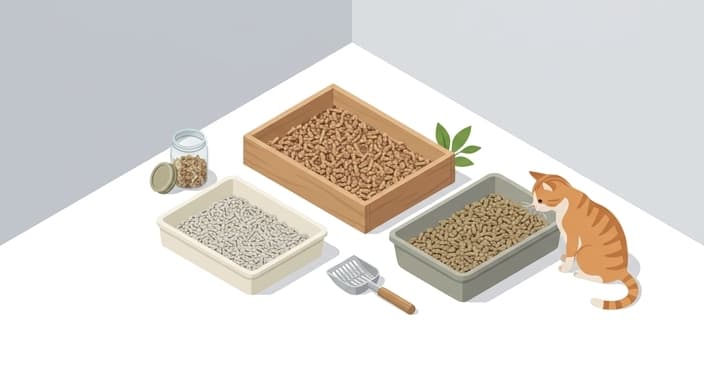
The market for eco-friendly litter has exploded in recent years, offering materials that are not only biodegradable but often perform better than their clay counterparts. When advising my clients on making the switch, I categorize alternatives into three primary buckets: wood-based, paper-based, and grain/plant-based.
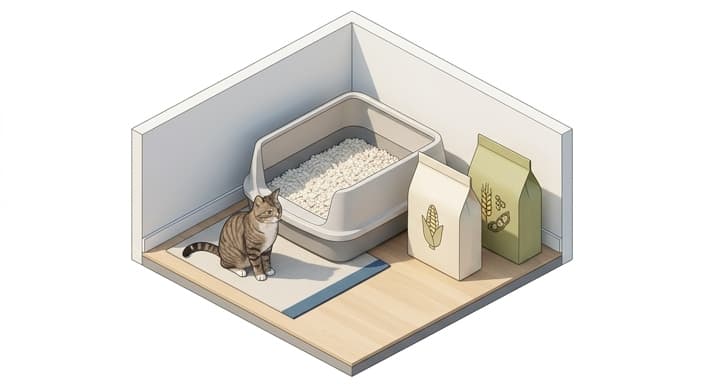
Wood-based litters, often made from reclaimed pine or cedar, are highly absorbent and naturally antimicrobial. They offer a pleasant, woody scent that masks odors without the need for synthetic perfumes. Paper-based litters, typically made from recycled newspaper or cardboard pellets, are arguably the softest option for cats with sensitive paws, particularly those recovering from declaw surgery or dealing with arthritis. Finally, grain-based litters—made from corn, wheat, or even soy—are often the most "natural" transition for a cat, as they offer a clumping mechanism similar to traditional clay but are entirely compostable and flushable (depending on local regulations).
The Transition Protocol: Mastering the "Slow Pivot"
One of the most common reasons pet parents fail to switch to eco-friendly litter is the "rejection phase." Cats are creatures of extreme habit; their sense of smell is roughly 14 times stronger than ours, and they rely heavily on the scent profile of their litter box to feel secure. If you swap the entire contents of their box overnight, you risk creating a behavioral aversion that leads to house-soiling.
The secret to a successful transition is the "percentage pivot." Start by leaving the existing clay litter in the box as the base. In a separate container, mix a small amount of your chosen eco-friendly litter—perhaps 10%—and sprinkle it over the top. Every few days, gradually increase the ratio of the new material while decreasing the old. This allows your cat to acclimate to the change in texture and scent at their own pace. If your cat is particularly stubborn, try placing a "decoy" box nearby with the new litter to see if they investigate it voluntarily before you fully commit to the switch.
Evaluating Performance: Absorbency, Tracking, and Clumping
As a veterinarian, I look at litter through the lens of hygiene. A good litter must manage three things: moisture absorption, odor neutralization, and tracking. Eco-friendly litters are generally lighter than clay, which is a blessing for your back, but it can lead to more tracking if you choose a very fine-grained texture.
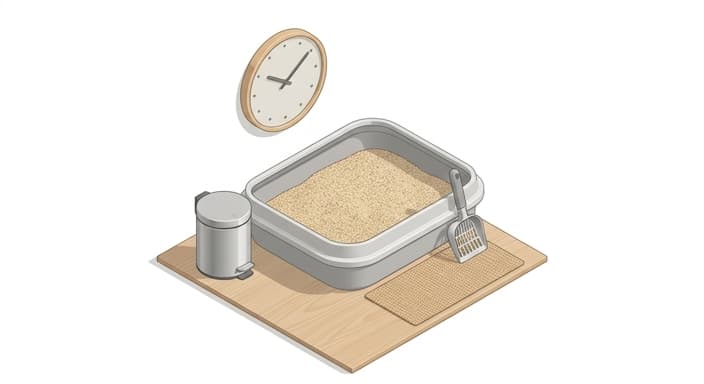
For high-traffic homes, I recommend choosing a pellet-style wood or paper litter, as the larger granules are less likely to get caught in your cat’s toe fur. If your primary concern is odor, look for grain-based options like corn or wheat, which utilize starch-based clumping to lock in moisture quickly, preventing the bacterial growth that creates that telltale ammonia smell. Always remember that regardless of the material, the "health" of the litter box is maintained by daily scooping. Natural litters may break down faster than chemical-heavy clays, making daily maintenance non-negotiable for a sanitary home environment.
Health Considerations and When to Consult Your Vet
While switching to eco-friendly litter is a positive step, it is important to observe your cat for any changes in urination habits. Occasionally, a cat may develop an aversion to a specific texture—for example, a cat accustomed to fine sand may find chunky wood pellets uncomfortable to stand on. If you notice your cat perching on the edge of the box rather than stepping inside, or if they begin urinating outside the box, these are clear signs that the transition is too drastic or the texture is physically unappealing to them.
Additionally, always check the source of your plant-based litters. Ensure they are free from unnecessary additives like synthetic fragrances or bleaching agents. While the base material might be eco-friendly, added chemicals can still cause contact dermatitis on your cat’s paw pads. If your cat has a history of allergies or skin sensitivities, opt for "unscented" and "hypoallergenic" versions of these natural products.
Sustainability as a Lifestyle Choice
Making the shift to an eco-friendly litter is more than just a purchase decision; it is an extension of the care you provide your feline companion. By eliminating the demand for strip-mined clay and reducing the amount of non-biodegradable waste we send to landfills, we are acting as stewards of the environment. Simultaneously, by choosing cleaner, dust-free, and chemical-free options, we are investing in the long-term respiratory health of our pets.
Transitioning might take a little patience and a few trial runs, but the reward—a cleaner, safer home for you and a more natural experience for your cat—is well worth the effort. Start small, observe your cat’s preferences, and take pride in knowing that your daily chores are now part of a larger commitment to a healthier, more sustainable future for the animals we love.
Common Questions
🤔
Frequently Asked Questions
What are the main eco-friendly litter options and their benefits?▼
Wood-based litters, often from reclaimed pine or cedar, are highly absorbent and naturally antimicrobial and typically scented with a natural wood aroma rather than synthetic perfumes. Paper-based litters, made from recycled newspapers or cardboard pellets, are among the softest options for cats with sensitive paws or postoperative recovery. Grain-based litters—made from corn, wheat, or soy—offer familiar clumping and are often compostable, with flushability depending on local regulations.
How can I transition my cat to eco-friendly litter without triggering a rejection phase?▼
Begin by leaving the existing clay litter as the base and add a small amount of eco-friendly litter on top (about 10%). Every few days, gradually increase the new material's proportion while decreasing the old litter. If your cat is hesitant, place a decoy box nearby with the new litter to encourage voluntary exploration before full replacement. This slow percentage pivot helps your cat acclimate to changes in texture and scent.
Do eco-friendly litters improve indoor air quality and reduce respiratory issues?▼
Yes. Moving away from clay reduces exposure to crystalline silica dust, which can cause airway inflammation in both cats and humans. Eco-friendly options typically generate less airborne dust, contributing to better indoor air quality. This can be especially beneficial for cats with asthma or chronic rhinitis, as part of a broader environmental management strategy.
What should I consider regarding odor control and flushability of eco-friendly litters?▼
Eco-friendly options aim to control odors without relying on synthetic perfumes, with wood- and grain-based choices often providing natural odor masking. Clumping performance varies by product, but many grain-based litters offer clay-like clumping. Regarding disposal, grain-based litters are generally compostable and, in some areas, flushable; always check local regulations to determine the appropriate method of disposal.