Blog3/24/2026
Choosing Sustainable Cat Litter: Eco-Friendly Options
6 mins Read
The Briefing
Quick takeaways for the curious
Traditional clay litters are mined and processed in ways that harm habitats and create long-lasting waste while releasing silica dust that can irritate feline airways.
Switching to sustainable litter reduces mining waste and landfill burden and often lowers exposure to respiratory irritants for cats and household members.
Wood-based litters can offer natural odor control, but choosing kiln-dried options helps minimize irritants from residual oils.
Paper-based litters are typically virtually dust-free and hypoallergenic, making them ideal for cats with respiratory sensitivities or post-surgical recovery.
Grain-based litters (wheat or corn) turn agricultural by-products into biodegradable, clumping options, but consider allergies, scent preferences, and performance.
There is a persistent, outdated myth in the veterinary world that a cat’s litter box experience is merely a logistical necessity—a "set it and forget it" chore involving the heaviest, most chemically-laden clay available at the local supermarket. As a veterinarian, I frequently consult with pet parents who are deeply concerned about their cat’s environmental footprint and the potential respiratory irritants lingering in their home, yet they feel trapped by the convenience of traditional clumping litter. We are moving toward a new, more conscious standard of care where sustainability is not just an environmental goal, but a proactive choice for the respiratory and systemic health of our feline companions.
The Hidden Cost of Conventional Clay: Beyond the Carbon Footprint
To truly grasp the importance of switching to sustainable litter, we must first look at what we are actually bringing into our homes. Most conventional cat litters are made of sodium bentonite, a clay mined through strip mining—a process that destroys habitats, consumes massive amounts of energy, and results in a non-biodegradable waste product that sits in landfills for centuries. But beyond the environmental damage, there is the issue of "silica dust."
In clinical practice, I often treat cats with chronic upper respiratory issues or feline asthma. While genetics and allergies play a role, I cannot ignore the plumes of fine, crystalline silica dust that billow into the air every time a cat scratches or burrows into their box. This dust, when inhaled, can settle deep into the delicate tissues of a cat’s lungs. Since cats spend a significant portion of their day grooming their paws—which are often coated in this fine, residual dust—they are also ingesting these particles, potentially leading to gastrointestinal irritation or systemic inflammation. By moving away from strip-mined clay, we aren't just saving the planet; we are creating a cleaner, more breathable sanctuary for our pets.
Evaluating Renewable Materials: Wood, Paper, and Beyond
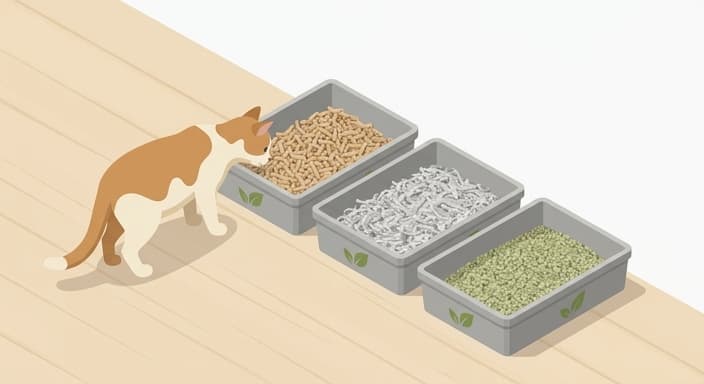
When we transition away from traditional clay, the sheer variety of eco-friendly options can feel overwhelming. However, not all "natural" litters are created equal. As a veterinarian, I categorize these alternatives based on their composition and performance, helping you find the right balance between sustainability and your cat’s specific preferences.
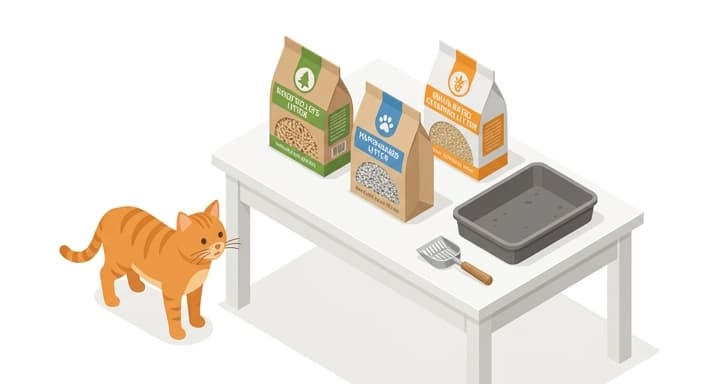
Wood-based litters, often made from reclaimed pine or cedar, are a fantastic starting point. These are typically processed into pellets or granules that offer excellent natural odor control through the presence of terpenes. However, a word of caution: if your cat is particularly sensitive to scents, ensure the wood litter is kiln-dried to remove excessive oils, which can sometimes be irritating to feline respiratory tracts.
Paper-based litters, usually derived from recycled newspaper, are another excellent, hypoallergenic choice. These are generally the safest option for cats recovering from surgery or those with severe respiratory sensitivities because they are virtually dust-free. While they may not clump as tightly as clay, their ability to absorb moisture is quite impressive. For the eco-conscious owner, wheat and corn-based litters are also rising in popularity. These utilize agricultural by-products—materials that would otherwise be discarded—and turn them into effective, clumping, and biodegradable solutions. The starch in these grains creates a firm clump, making the daily scooping ritual much easier to manage.
The Science of Transition: Navigating Feline Pickiness
One of the most common reasons pet parents revert to conventional clay is the "litter box strike." Cats are creatures of habit, and their paws are incredibly sensitive. A sudden, drastic change in the texture of their litter can feel like walking on gravel or sand for the first time, leading to anxiety or, worse, house-soiling.
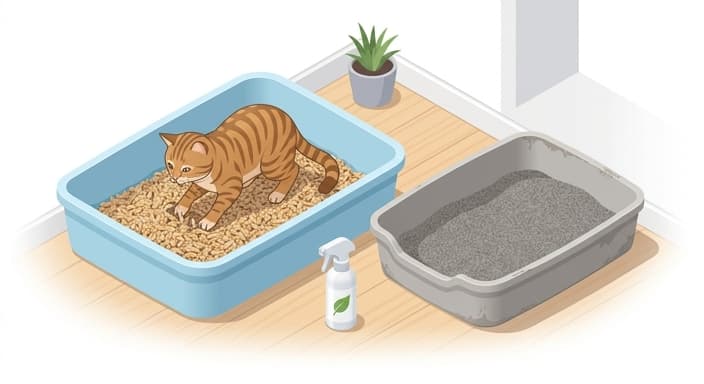
To ensure success, I always recommend the "transition method." Start by keeping your cat’s current litter box set up as usual, but place a second, smaller box nearby filled with the new sustainable option. Sprinkle a small amount of the old litter on top of the new one to provide a familiar scent marker. Over the course of 7 to 10 days, gradually decrease the amount of clay litter and increase the ratio of the sustainable alternative. This allows your cat to adjust to the new texture and odor profile at their own pace. If your cat is particularly hesitant, consider adding a feline pheromone spray near the box to encourage a positive association with the new environment. Remember, patience is your best tool during this transition; forcing a change rarely works with feline psychology.
Odor Control and Maintenance: Practical Tips for a Sustainable Box
A common misconception is that sustainable litter lacks the odor-masking power of chemical-laden clay. In reality, most natural litters manage odors better because they neutralize them at the source rather than simply masking them with heavy artificial fragrances. However, because many eco-friendly litters are plant-based, they do require a slightly different maintenance protocol.
To maintain a fresh environment, I suggest the "daily scoop and top-up" approach. Because natural litters are often more porous than clay, removing clumps immediately prevents the breakdown of organic material. If you are using a non-clumping variety, such as wood pellets, you may need to stir the litter daily to allow air circulation and absorb moisture more effectively. Additionally, I recommend a full box scrub-down every two to four weeks using a mild, non-toxic soap. Avoid heavy bleach or ammonia-based cleaners, as the residual scent can deter your cat from returning to the box. If you find that odors persist, try adding a thin layer of baking soda to the bottom of the clean box before pouring in the fresh litter; it is a safe, non-toxic, and incredibly effective way to keep the box smelling fresh.
Making the Final Choice: Aligning Your Values with Your Cat’s Needs
Choosing a sustainable litter is ultimately an act of advocacy for both your cat and the wider world. Whether you opt for a compostable corn-based formula, a recycled paper pellet, or a renewable wood source, you are making a conscious decision to reduce your household’s reliance on extractive industries. As you evaluate different brands, look for certifications such as "FSC-certified" for wood products or "USDA BioPreferred" labels, which guarantee that the product meets high standards for renewability.
Beyond the label, listen to your cat. Does their behavior change? Are they scratching more or less? Are they lingering in the box? By observing these cues, you become a partner in their care rather than just a caretaker. When we align our environmental ethics with the biological needs of our companions, we create a home environment that is not only healthier but also more deeply connected to the natural world. Transitioning to sustainable litter is a small step, but it is one that ripples outward, improving the air quality in your home and reducing your footprint on our planet—a true win-win for you, your cat, and the environment.
Common Questions
🤔
Frequently Asked Questions
What are the environmental and health benefits of switching to sustainable cat litter?▼
Switching to sustainable litters reduces mining waste, lowers landfill burden, and minimizes non-biodegradable byproducts. Many sustainable options generate far less silica dust than traditional clay, which can improve indoor air quality and reduce respiratory irritants for both cats and people. Individual cats may respond differently, so monitor litter box use during any transition and adjust as needed.
Which sustainable litter options should I consider for my cat?▼
Consider wood-based litters made from reclaimed timber for odor control, but ensure you choose kiln-dried varieties to reduce potential irritants from oils. Paper-based litters are virtually dust-free and hypoallergenic, making them great for sensitive cats or post-surgical recovery. Wheat and corn-based litters use agricultural by-products and can provide solid clumping and biodegradability, but weigh potential grain sensitivities and scent preferences.
How can I transition my cat from clay to a sustainable litter without causing a litter box aversion?▼
Plan a gradual transition by mixing increasing amounts of the new litter with the old clay over 1–3 weeks, while keeping the box size, depth, and cleaning routine consistent. Observe your cat’s behavior for signs of discomfort, and offer positive reinforcement when they use the box with the new material. If resistance persists, try a different sustainable option or adjust scent intensity and texture to better match your cat’s preferences.
What factors should I weigh when choosing between wood, paper, and grain-based litters?▼
Consider dust level, clumping performance, and odor control; wood litters can odor-control well but may require kiln-dried variants to avoid irritants. Paper litters are nearly dust-free and hypoallergenic, but may clump less and could require more frequent scooping. Wheat or corn litters offer biodegradable, clumping options but may raise concerns about allergies and scent; assess your cat’s preferences, your home environment, and disposal options.