Blog3/11/2026
Common Reasons Why Dogs Bark, Dig, and Chew: A Vet's Guide
8 mins Read
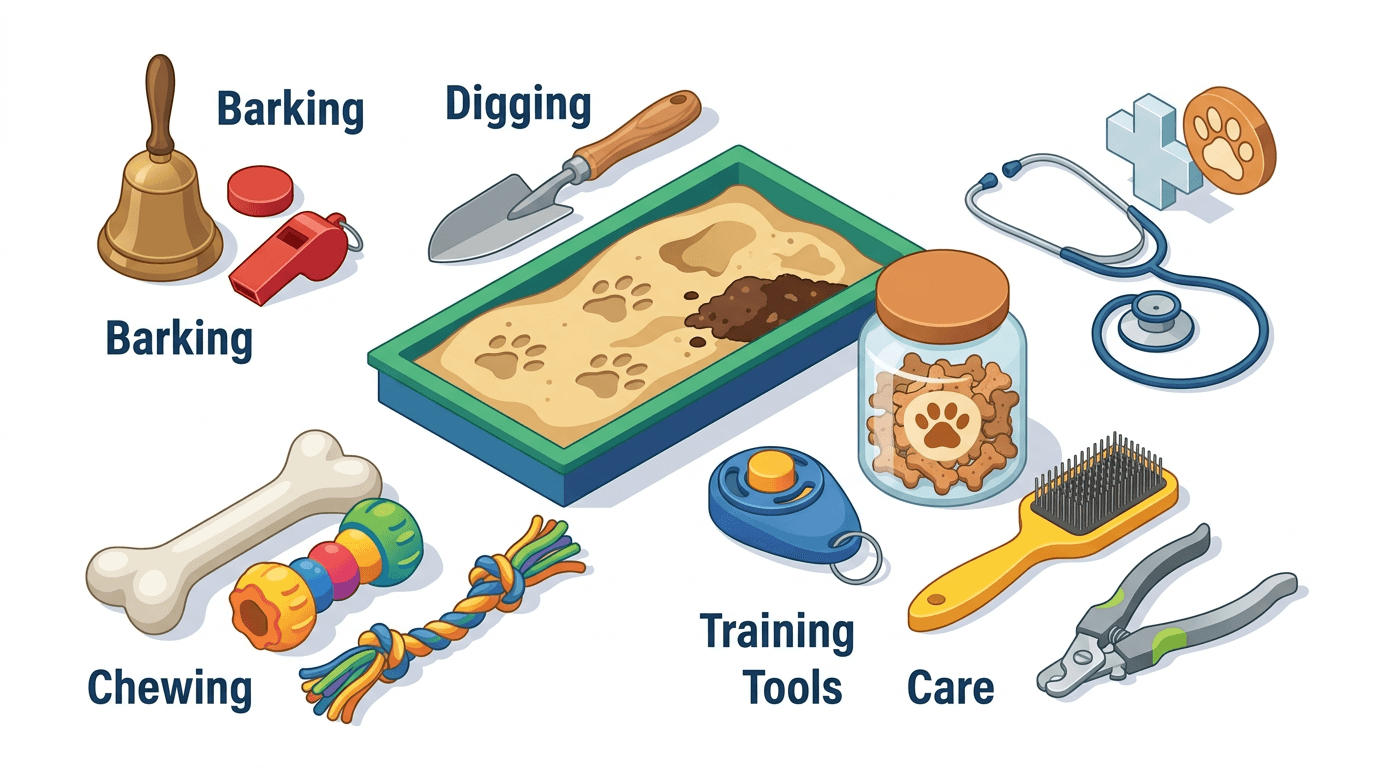
The Briefing
Quick takeaways for the curious
Dogs' behaviors are purposeful communications that reflect their emotional and physical states and are shaped by genetics and environment, not random acts.
Barking comes in distinct flavors such as alert or warning barking, boredom-induced vocalization, and attention-seeking barking; understanding the flavor helps tailor management.
A dog's response to human reactions can reinforce barking; using calm, consistent responses and rewards can reduce unwanted barking and reframe barking as communication.
Digging is a natural canine behavior rooted in survival, temperature regulation, and hunting, with breed ancestry influencing how likely a dog is to dig, notably terrier types that were bred to go to ground.
A collaborative approach with a veterinarian that includes enrichment, training, and environment adjustments helps translate barking and digging into tailored plans that improve welfare and the human-dog bond.
Title: Deciphering the Canine Code: A Veterinarian’s Guide to Common Reasons Why Dogs Bark, Dig, and Chew
As a veterinarian, I often tell my clients that a dog’s behavior is never truly "random"; rather, it is a sophisticated, non-verbal dialogue designed to bridge the gap between their ancient instincts and our modern living rooms. When we understand that every persistent bark, every hole in the garden, and every shredded slipper is a data point in their emotional and physical health, we stop being mere owners and become true partners in their well-being. Understanding the "why" behind these common canine actions is the first step in transforming frustration into a deeper, more empathetic bond with our four-legged companions.
The Symphony of the Bark: Communication Beyond Noise
To humans, barking can often feel like a nuisance, especially when it occurs at 3:00 AM. However, from a clinical and evolutionary perspective, vocalization is one of the most versatile tools in the canine toolkit. While their ancestors, the grey wolves, tend to be much quieter to avoid alerting prey or rivals, thousands of years of domestication have selected for dogs that "speak" to their human guardians.
There are several distinct reasons why dogs bark, and identifying the specific "flavor" of the bark is key to managing it. Alert or Warning Barking is perhaps the most common; this is a deeply ingrained survival mechanism. When your dog barks at the mail carrier, they aren’t just being "loud"—their amygdala is processing a perceived threat to the pack’s territory. Interestingly, when the mail carrier leaves, the dog receives "positive reinforcement" for their behavior: in their mind, they barked, and the intruder fled.
Beyond guarding, we see Boredom-Induced Vocalization. Dogs are social, cognitive beings that require mental "work." When a dog is left in a backyard for hours with no stimulation, they may bark simply to hear their own voice or to trigger a response from a neighbor’s dog—a phenomenon known as social facilitation. In the clinic, we also frequently diagnose Attention-Seeking Barking. This is a learned behavior where the dog realizes that any response from the human—even a frustrated "Quiet!"—counts as a social interaction. To a lonely dog, negative attention is often better than no attention at all.
The Garden Architect: Why Dogs Dig Into the Past
Few things are as frustrating to a homeowner as a freshly landscaped garden turned into a lunar landscape of craters. Yet, digging is a foundational canine behavior with roots in survival, temperature regulation, and hunting. When I consult with clients about "problem diggers," we first look at the dog’s breed ancestry.
For members of the Terrier group (from the Latin terra, meaning earth), digging is a genetic mandate. Breeds like the Jack Russell or the Dachshund were specifically bred to "go to ground" to hunt vermin or badgers. For these dogs, the act of digging releases a cocktail of "feel-good" neurotransmitters like dopamine. They aren't trying to destroy your petunias; they are fulfilling a biological blueprint that has been refined over centuries.
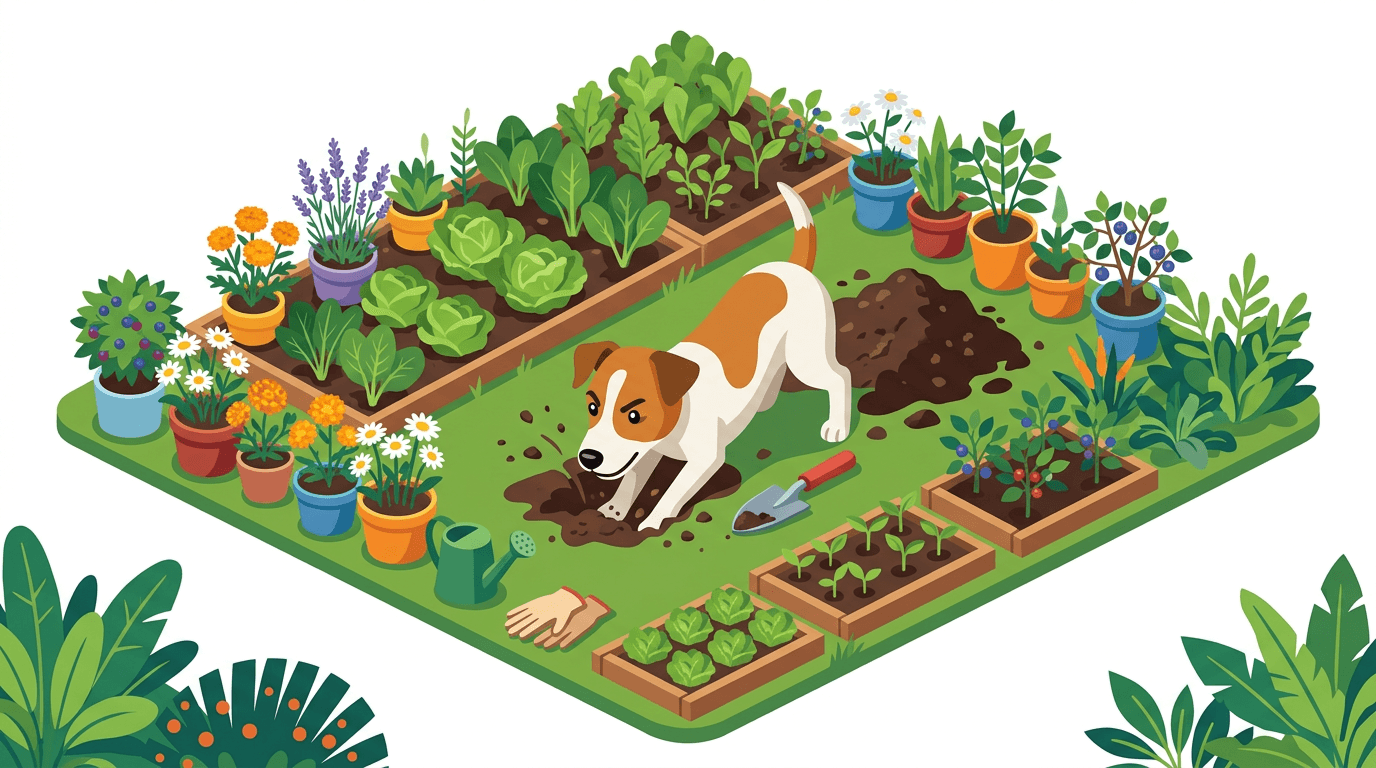
However, digging isn't always about hunting. Many dogs dig to find thermal relief. If you notice your dog digging a shallow depression and then lying in it, they are likely trying to reach the cooler soil beneath the surface to regulate their body temperature. This is especially common in double-coated breeds like Huskies or Malamutes. Furthermore, denning instincts can drive a pregnant female or even an anxious dog to create a "nest." If the digging is focused near fences or boundaries, it may be a sign of escape behavior, often driven by isolation distress or the drive to find a mate in intact animals.
The Power of the Jaw: Understanding Destructive Chewing
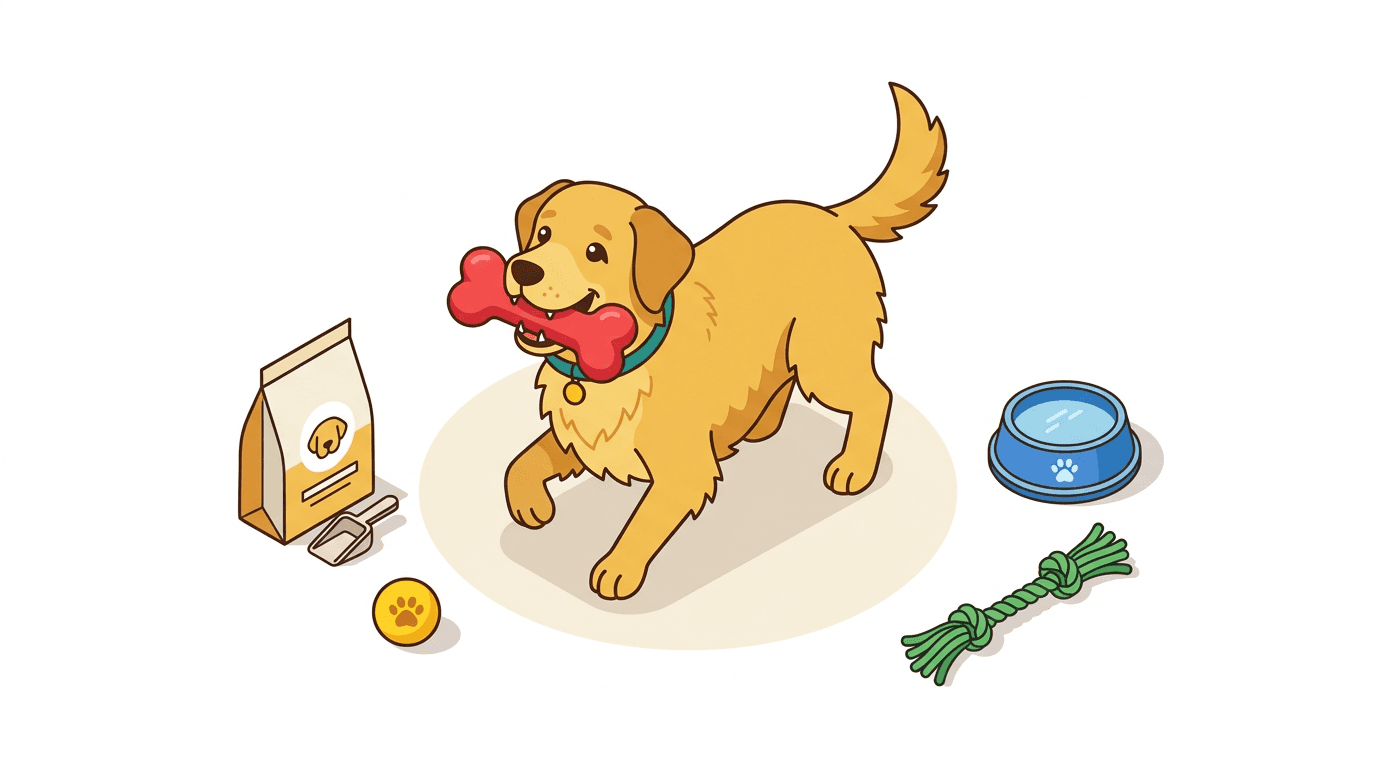
In the veterinary world, we view the mouth as a dog’s primary tool for exploration—it is essentially their "hands." Chewing is a natural, healthy, and necessary behavior, but it becomes a problem when it is directed at your favorite pair of leather boots or the drywall. To address this, we must distinguish between developmental chewing and behavioral chewing.
Puppies go through a rigorous teething phase between three and six months of age. As their deciduous (baby) teeth fall out and permanent adult teeth erupt, their gums become inflamed and painful. Chewing provides mechanical pressure that numbs the discomfort. However, in adult dogs, chewing often serves as a powerful stress-relief mechanism. The act of gnawing triggers the release of endorphins in the brain, helping the dog self-soothe during periods of anxiety or confinement.
If a dog is chewing inappropriately, we must also rule out nutritional deficiencies or gastrointestinal upset. Some dogs engage in pica—the consumption of non-food items—which can sometimes indicate an underlying medical issue like anemia or malabsorption. More commonly, however, it is a result of neophilia, the love of new things. A dog might chew a remote control because it smells intensely of their human and has an interesting, "crunchy" texture that provides high sensory feedback.
The Shadow of Separation: When Behavior Signals Distress
One of the most heartbreaking reasons behind common dog behaviors like barking, digging, and chewing is Separation Anxiety. This is not simply a case of a "naughty" dog; it is a clinical panic disorder. When a dog with separation anxiety is left alone, their body undergoes a massive cortisol spike, and they enter a "fight or flight" state.
Destructive behavior focused on exit points—such as chewing door frames or digging at the carpet by the front door—is a classic red flag. This is the dog’s desperate attempt to reunite with their "secure attachment figure" (you). In these cases, the behavior is an external manifestation of internal agony. As a vet, I emphasize that punishment is never the answer here; punishing a dog for anxiety-based destruction only increases their stress levels, creating a vicious cycle of fear and reactivity.
Managing these behaviors requires a multi-modal approach, often involving desensitization and counter-conditioning. We teach the dog that your departure cues (like picking up keys or putting on shoes) don't always mean you are leaving, and we provide high-value rewards to create a positive association with being alone.
Enrichment as Medicine: Healing Through Play and Purpose
The solution to most "common" dog behaviors lies in the concept of Environmental Enrichment. If we do not give our dogs a "job," they will self-employ—and usually, their chosen career is "Interior Decorator" (shredding pillows) or "Landscape Architect" (digging up the lawn).
To curb these behaviors, I recommend three pillars of enrichment:
- Sensory Enrichment: Use "nose work" games. A dog's sense of smell is 10,000 to 100,000 times more acute than ours. Hiding treats around the house forces them to use their brain and nose, which is more exhausting than a two-mile walk.
- Occupational Enrichment: Use puzzle feeders. Instead of feeding your dog from a bowl, use a device that requires them to work for their kibble. This mimics the natural "foraging" behavior of their ancestors.
- Physical Enrichment: Ensure the exercise matches the breed. A Border Collie needs more than a stroll; they need "herding" substitutes like Frisbee or agility drills.
By providing appropriate outlets for their natural instincts, we see a dramatic reduction in "nuisance" behaviors. A dog that has spent thirty minutes solving a puzzle and ten minutes sniffing out treats is much more likely to spend the afternoon napping than barking at the window.
Key Takeaways
- Barking is communication: Identify if it is alert-based, boredom-based, or attention-seeking before trying to correct it.
- Digging is instinctual: Breeds like Terriers have a genetic drive to dig. Provide a "legal" digging pit with sand or loose soil to protect your garden.
- Chewing is a stress-reliever: Ensure your dog has a variety of textures to chew on (hard rubber, soft plush, natural chews) to satisfy their oral fixations.
- Rule out medical issues: Sudden changes in behavior can sometimes be linked to pain, dental disease, or metabolic imbalances.
- Separation Anxiety is a panic disorder: Destructive behavior at exit points requires a compassionate, training-focused approach rather than discipline.
- Enrichment is essential: Mental stimulation is just as important as physical exercise in preventing unwanted behaviors.
Conclusion: The Language of Love
At the end of the day, the behaviors we find challenging are often just our dogs’ ways of navigating a world that was built for humans, not for canines. When your dog barks at a squirrel or digs a hole in the backyard, they aren't trying to be "bad"—they are simply being dogs. Our responsibility as their guardians is to listen to what those behaviors are telling us about their needs, their fears, and their joys.
The bond between a human and a dog is one of the most unique relationships in the animal kingdom. By taking the time to understand the biological and emotional drivers behind their actions, we move beyond being "owners" and become true advocates for their happiness. Whether it’s through a game of fetch, a specialized chew toy, or simply a quiet moment on the sofa, every interaction is an opportunity to strengthen that invisible thread of trust. After all, they give us their whole lives; the least we can do is try to understand their language.
Common Questions
🤔
Frequently Asked Questions
Why does my dog bark at night and how can I stop it?▼
Night barking often falls into distinct flavors, with alert or warning barking being common. It is driven by the dog’s amygdala processing perceived threats or social needs, and owners’ reactions can unintentionally reinforce it. To reduce it, establish a predictable nighttime routine, ensure sufficient daytime exercise and mental stimulation, and respond calmly. Consider ignoring attention-seeking barks and rewarding quiet moments.
What does digging in the yard mean for dogs, and how can I manage it?▼
Digging is a foundational canine behavior linked to survival, temperature regulation, and hunting. Breed ancestry matters, with terrier-type dogs especially predisposed to go to ground to chase vermin or prey. To manage, provide appropriate outlets such as a designated digging area or enrichment activities, ensure the dog has ample physical and mental stimulation, and supervise to protect landscaping.
Why do dogs bark for attention and how can I train them to stop?▼
Attention-seeking barking is a learned behavior where any human response—even a corrective cue—counts as social interaction. To break the cycle, teach a reliable quiet cue, reward calm behavior, and avoid reinforcing barking with attention. Consistency and structured training using positive reinforcement helps your dog learn that quiet yields better outcomes than barking.
Are certain breeds more prone to digging, and how does breed ancestry affect this behavior?▼
Yes. Digging has deep roots in breed history, with terrier breeds specifically bred to go to ground for hunting vermin. This means some breeds are more prone to digging, though environment and enrichment also shape behavior. Provide safe outlets, enrichment, and boundaries to manage this instinct without damaging your yard.