Blog3/12/2026
Calming Strategies for Pet Anxiety: A Vet's Guide Today
7 mins Read
The Briefing
Quick takeaways for the curious
Understanding the HPA axis and the resulting cortisol and adrenaline surges reframes pet anxiety as a physiological process that requires medical-informed intervention rather than a simple behavioral fix.
Creating a Sensory Sanctuary by prioritizing scent, sound, and space in the home is a frontline strategy that can substantially lower baseline anxiety for households with multiple pets.
Pheromone therapies—such as dog DAP and cat facial pheromones—offer a non-invasive, evidence-aligned way to signal safety and reduce chronic stress when used consistently.
Choosing species-appropriate soundscapes, like classical music for dogs or frequencies matching feline vocalization for cats, can physiologically calm heart rate and promote relaxation.
A holistic calming plan blends biological insight, environmental design, and ongoing behavioral management into a sustainable home routine rather than relying on quick hacks.
Tranquil Tails: A Veterinarian’s Comprehensive Guide to Navigating Pet Anxiety and Cultivating Calm
In the quiet corners of our homes, away from the bustling streets and digital noise, our pets are often navigating a silent storm of sensory input that their wild ancestors never could have imagined. As a veterinarian, I have witnessed the profound impact that chronic stress has on the mammalian body, manifesting not just as a tucked tail or a frantic meow, but as a complex physiological cascade that affects every organ system. To understand calming strategies is to move beyond mere "hacks" and instead embrace a holistic approach to our companions' mental well-being, ensuring that their home remains the sanctuary they deserve.
The Neurobiology of Fear: Understanding the "Invisible" Stressor
To effectively calm a pet, we must first appreciate the intricate biological machinery that governs their emotional state. In the clinical world, we focus heavily on the Hypothalamic-Pituitary-Adrenal (HPA) axis. When a dog hears a firework or a cat sees a carrier, this axis is triggered, resulting in a flood of cortisol and adrenaline (epinephrine). This "fight-or-flight" response is an evolutionary gift designed to keep animals alive in the wild, but in a domestic setting, it can become a chronic burden.
Unlike humans, who can rationalize that a thunderstorm is a meteorological event, pets experience these triggers as existential threats. Chronic elevation of stress hormones leads to a weakened immune system, gastrointestinal distress, and even dermatological issues like psychogenic alopecia (over-grooming). By recognizing that anxiety is a physiological event rather than a "behavioral problem," we can approach calming strategies with the medical and emotional urgency they require. We are not just changing a behavior; we are resetting a nervous system.
Designing the Sensory Sanctuary: Environmental Modifications
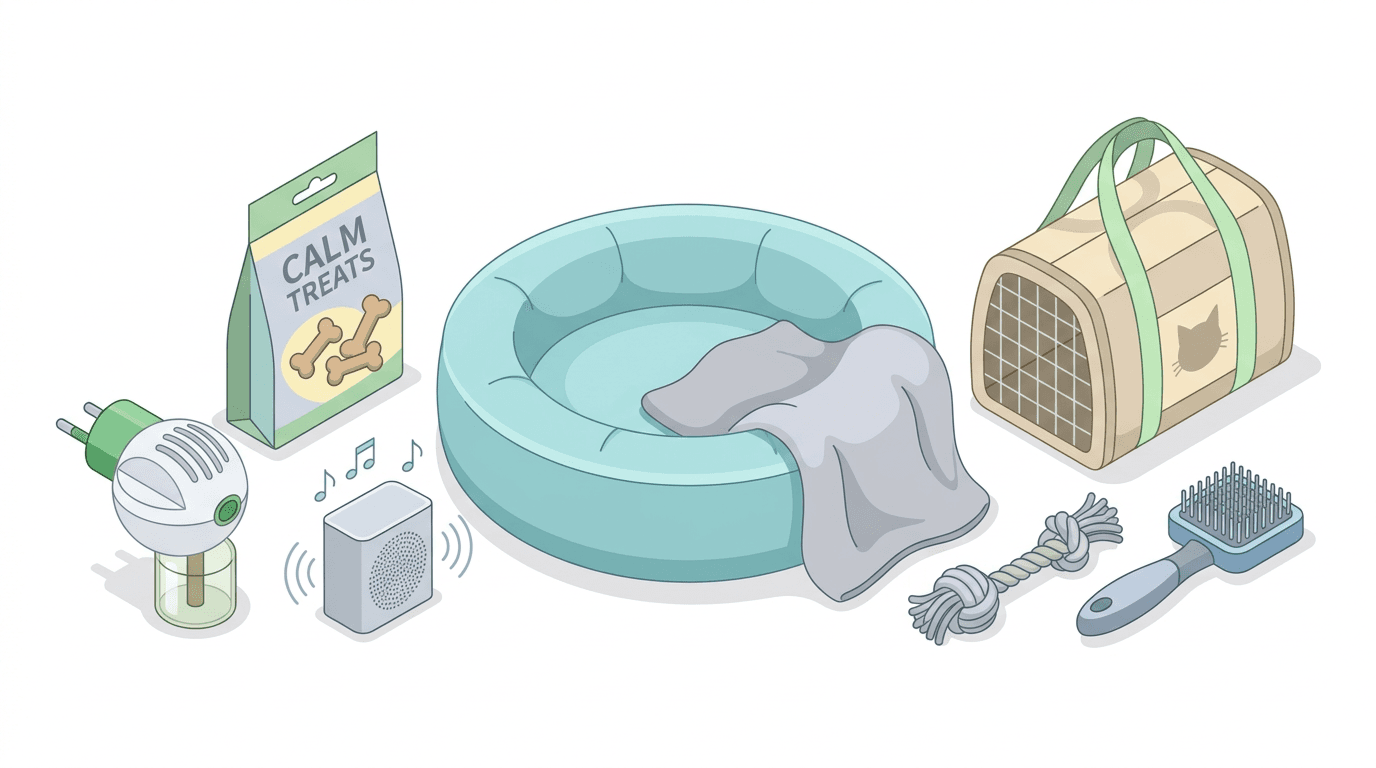
The first line of defense against pet anxiety is the environment. We often view our homes through a human lens—focusing on aesthetics and convenience—but our pets perceive the world through a heightened sensory array. To create a "Sensory Sanctuary," we must address the three pillars of environmental calm: scent, sound, and space.
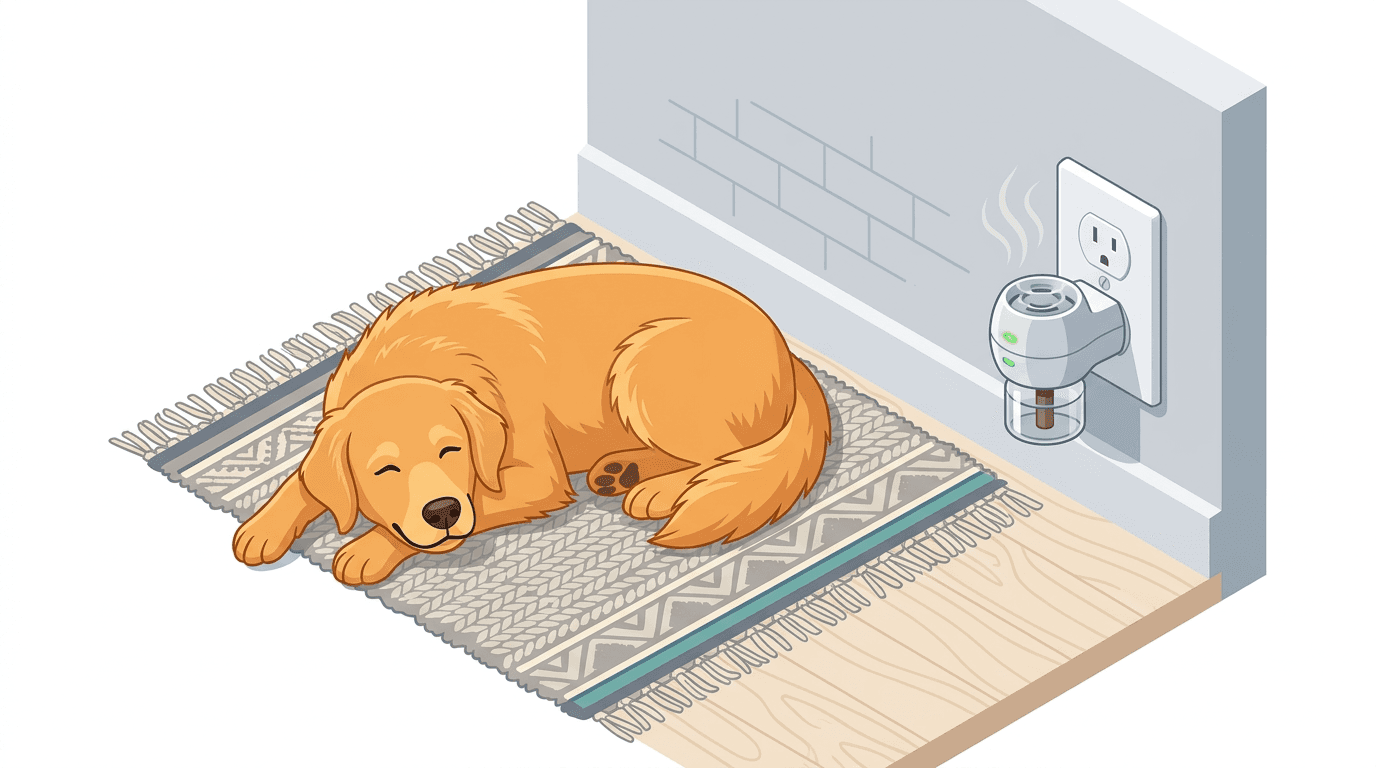
Pheromone Therapy is one of the most effective, non-invasive tools at our disposal. Synthetic versions of the appeasing pheromones secreted by nursing mothers (such as DAP for dogs or facial pheromones for cats) send a chemical signal to the brain that the area is safe. These are available as diffusers, sprays, or collars and can significantly lower the baseline anxiety of a multi-pet household.
Additionally, sound plays a pivotal role. Research in canine and feline audiology suggests that pets respond best to "species-specific" music. For dogs, studies have shown that classical music or reggae can lower heart rates, while cats prefer frequencies that mimic the range of feline vocalizations and purring. Utilizing white noise machines or specialized pet music playlists can mask the unpredictable "trigger sounds" from the outside world, such as sirens or delivery trucks.
Nutriceuticals and the Gut-Brain Axis: Feeding the Calm
In recent years, the veterinary community has pivoted toward the gut-brain axis—the bidirectional communication between the central nervous system and the enteric nervous system. What our pets eat directly influences how they feel. When a pet is chronically stressed, we can utilize specific nutriceuticals to provide the chemical building blocks for relaxation.
L-Theanine, an amino acid found in green tea, is a staple in my clinical recommendations. It promotes alpha wave production in the brain, which is associated with a state of "alert relaxation" without sedation. Similarly, L-Tryptophan serves as a precursor to serotonin, the "feel-good" neurotransmitter. By supplementing these through high-quality calming chews or specialized diets, we can help bridge the gap for pets who struggle to self-regulate.
We must also discuss probiotics, specifically strains like Bifidobacterium longum. Clinical trials have demonstrated that certain "psychobiotics" can actually reduce anxious behaviors in dogs by modulating the gut microbiome. However, always consult your veterinarian before starting a supplement regimen, as the purity and concentration of these products vary wildly in the over-the-counter market.
The Art of Desensitization: Training the Mind to Relax
While environmental changes and supplements provide a foundation, long-term success often requires Behavioral Modification. This isn't about teaching "sit" or "stay"; it's about changing the pet's emotional response to a stimulus. The gold standard in veterinary behavior is Systematic Desensitization paired with Counter-Conditioning.
Desensitization involves exposing the pet to a low-level version of their trigger—such as a very quiet recording of a vacuum—at a distance where they remain calm. Gradually, the intensity is increased. Counter-conditioning involves pairing that trigger with something the pet loves, like a high-value treat (think freeze-dried liver or plain yogurt). Over time, the brain rewires: the sound of the vacuum no longer predicts "danger," it predicts "snacks."
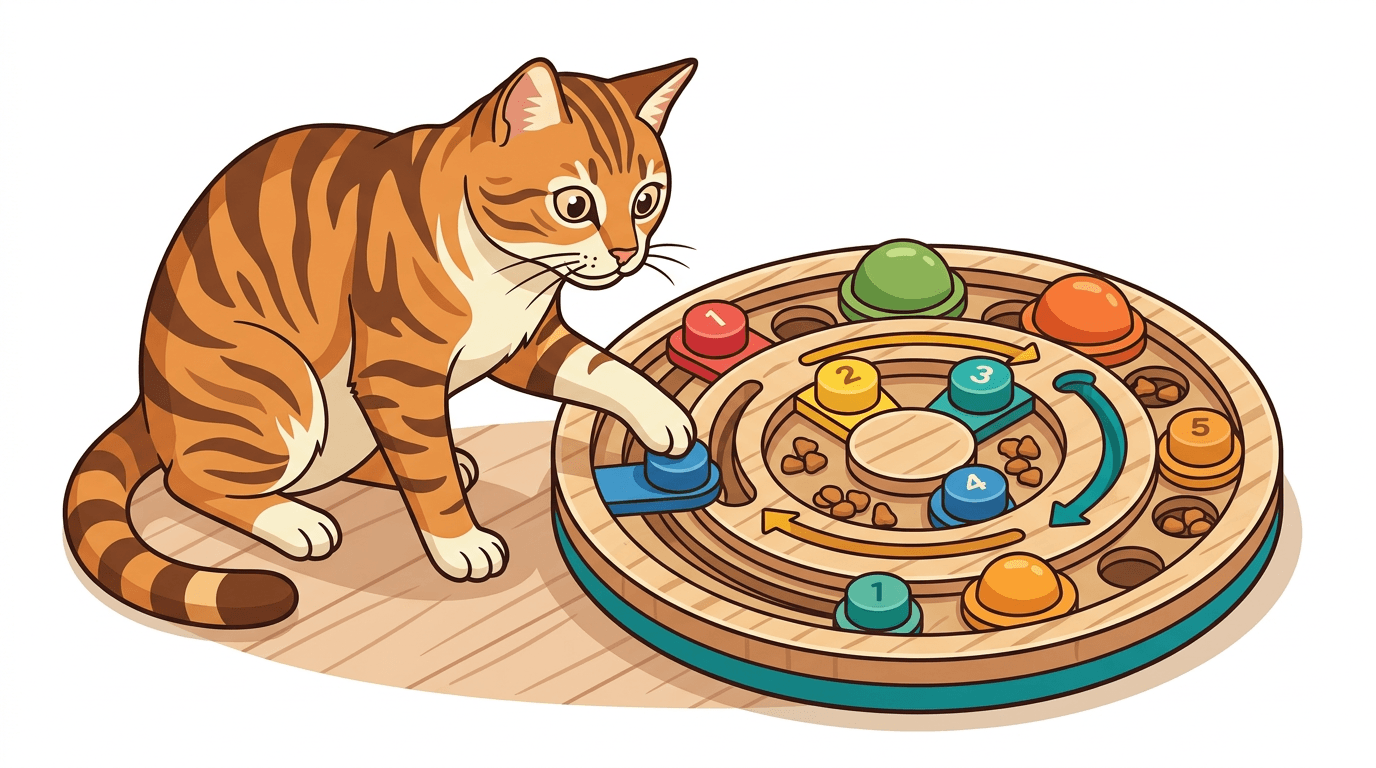
For high-energy or working breeds like Border Collies or German Shepherds, calming strategies must also include mental enrichment. A bored mind is an anxious mind. Interactive puzzles, "snuffle mats," and scent work games allow pets to utilize their natural instincts, which releases dopamine and provides a healthy outlet for energy that might otherwise manifest as destructive anxiety.
The Mirror Effect: How Your Energy Shapes Their Reality
One of the most profound, yet often overlooked, calming strategies is the management of our own emotional state. Pets are masters of reading non-verbal cues. They monitor our pupil dilation, our heart rate, and the cortisol levels in our sweat. This phenomenon, known as emotional contagion, means that if we are frantic and stressed about our pet's anxiety, we inadvertently validate their fear.
When a storm rolls in or a guest arrives, your role is to be the "calm captain" of the ship. Deep, rhythmic breathing and a soft, low-pitched voice can signal to your pet that there is no reason for alarm. In my practice, I often tell owners: "Your calm is their cure." This doesn't mean ignoring a frightened pet—comforting a scared dog does not reinforce the fear—but it does mean providing that comfort from a place of grounded stability rather than shared panic.
Key Takeaways for a Calm Companion
To help you implement these strategies effectively, keep these core principles in mind:
- Pheromones First: Use diffusers (DAP for dogs, Feliway for cats) to create a chemical baseline of safety in the home.
- Audio Insulation: Implement white noise or species-specific music to mask external triggers.
- The Power of L-Theanine: Consider vet-approved supplements that support serotonin and GABA production.
- Denning Instincts: Provide a "safe zone," such as a covered crate or a quiet closet, where the pet is never disturbed.
- Incremental Exposure: Use desensitization to slowly build tolerance to known stressors.
- Mental Enrichment: Replace one bowl-fed meal a day with a puzzle toy to reduce "boredom-induced" anxiety.
- Check the Gut: Discuss specialized probiotics with your vet to support the gut-brain axis.
- Watch Your Energy: Practice "calm captain" behavior to avoid the pitfalls of emotional contagion.
The journey toward a calm pet is rarely a straight line. It is a path paved with patience, observation, and a willingness to see the world through their eyes. By combining the precision of clinical science with the warmth of a dedicated pet parent, we can transform a home from a place of hidden stressors into a true sanctuary.
Our pets give us their absolute trust, navigating a human-centric world that can often feel loud, fast, and confusing. When we take the time to implement these calming strategies, we are doing more than just stopping a bark or a scratch; we are honoring that trust. We are telling them, in a language they can finally understand, that they are safe, they are seen, and they are loved. There is no greater gift we can give our companions than the peace of a quiet mind.
Common Questions
🤔
Frequently Asked Questions
What is the best way to calm a stressed dog at home?▼
Begin by acknowledging that canine anxiety is often driven by a physiologic stress response, not a willful misbehavior. Create a quiet, safe space and maintain a predictable daily routine to minimize triggers like storms or fireworks. Consider integrating pheromone products (e.g., DAP diffusers or collars) and low-stimulation music to establish a calming baseline. For persistent anxiety, consult a veterinarian to assess medical contributors and discuss a comprehensive, evidence-based plan.
Do pheromone diffusers help cats and dogs reduce anxiety?▼
Yes, synthetic appeasing pheromones can signal safety to the brain and often reduce baseline anxiety when used consistently. For dogs, products mimicking the dog appeasing pheromone (DAP) are available as diffusers, sprays, or collars, and for cats, facial pheromone analogs serve a similar purpose. They are non-invasive and work best as part of a broader calming plan that includes environmental tweaks and predictable routines. They are not a cure for severe anxiety, but they can substantially ease everyday stress and improve response to gradual behavior modification.
Can music or sound therapy reliably reduce pet anxiety during storms or fireworks?▼
Music and sound therapy can help reduce arousal, especially when using species-specific selections that align with canine or feline hearing ranges. For dogs, classical or specially composed relaxing tracks may lower heart rate, while cats may respond to frequencies that mimic feline vocalizations. Use these tools as part of a broader plan (environmental enrichment, safe space, and gradual exposure) and apply them consistently before triggering events like storms. They are supportive but not a standalone cure for severe anxiety.
What is the HPA axis and how does it relate to pet anxiety?▼
Understanding the HPA axis helps explain why pets become anxious when repeatedly exposed to triggers. It describes how the hypothalamus, pituitary gland, and adrenal glands release cortisol and adrenaline to initiate the fight-or-flight response. Chronic activation of this axis can weaken immune function, disrupt digestion, and contribute hair loss or skin problems, which reinforces the importance of medical and environmental interventions. Treating anxiety as a physiological process guides a comprehensive plan that includes veterinary input, behavior modification, and environmental changes.