Blog5/3/2026
Calming Enrichment for Anxious Dogs: Therapeutic Approaches
6 mins Read
The Briefing
Quick takeaways for the curious
Calming enrichment shifts the focus from physical exhaustion to mental regulation and emotional resilience in anxious dogs.
Traditional high-intensity exercise can keep a dog in a high-arousal state by elevating cortisol and adrenaline; calming enrichment engages the parasympathetic nervous system to promote regulation.
Olfactory regulation, especially sniffing and scent-based activities, is a powerful, natural way to slow heart rate and help dogs stay grounded in the present.
Sniffaris and indoor scent games allow dogs to explore at their own pace, which is often more beneficial for anxious dogs than power-walking.
Licking and chewing provide endorphin-driven self-soothing; purposeful chewing and structured, frozen enrichment can create reliable calm and emotional resilience.
There is a persistent, outdated myth in the modern pet care community that an anxious dog is simply a "high-strung" animal that needs more exercise to burn off excess adrenaline. As a veterinarian consultant, I frequently speak with frustrated pet parents who are surprised to learn that for many dogs, the traditional "tire them out" approach actually exacerbates anxiety by keeping the dog in a constant state of physiological arousal. We are finally moving toward a more sophisticated, holistic standard of pet wellness that views calming enrichment as a critical therapeutic tool, effectively shifting the focus from physical exhaustion to mental regulation and emotional resilience.
The Physiology of Calm: Why Enrichment Must Be Therapeutic
To understand why traditional high-intensity exercise—like endless games of fetch or long-distance jogging—can be counterproductive for an anxious dog, we must look at the endocrine system. When a dog is anxious, their body is often flooded with cortisol and adrenaline, the primary "stress hormones." High-impact, repetitive physical activity can keep these levels elevated, effectively training the dog to maintain a high-arousal state.
Calming enrichment, by contrast, is designed to tap into the parasympathetic nervous system, which governs the "rest and digest" functions. When a dog engages in activities that require steady focus, slow-paced sniffing, or tactile satisfaction, their heart rate naturally lowers and their brain chemistry shifts toward a state of homeostasis. This isn’t about making your dog "tired" in the traditional sense; it is about providing them with a neurological outlet that reinforces safety, confidence, and internal regulation. By choosing activities that promote sustained, rhythmic focus, we help our pets transition from a state of reactive hyper-vigilance to a state of calm, quiet confidence.
The Power of Olfactory Regulation: Harnessing the Nose
The most effective tool we have for calming an anxious dog is located right at the front of their face: their nose. A dog’s olfactory bulb is roughly forty times larger than ours, and a significant portion of their brain is dedicated to processing scent. Engaging this sense is not just a form of "fun"; it is the most natural, instinctual way for a dog to process their environment and feel secure.
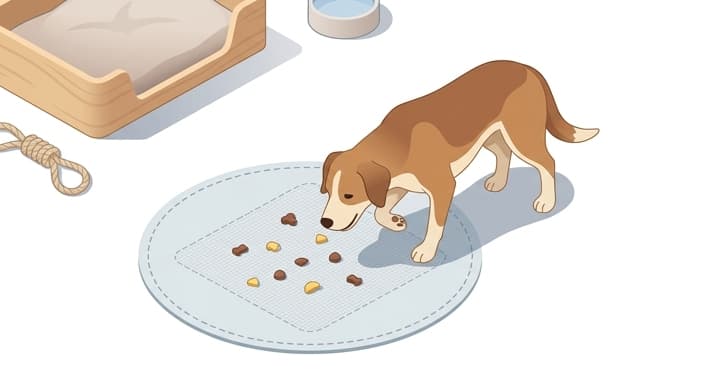
When a dog sniffs, their heart rate slows down and they become deeply grounded in the present moment. This is why "sniffaris"—walks where the dog is allowed to lead and investigate at their own pace—are far superior to power-walking for anxious dogs. For indoor environments, you can replicate this by implementing "scent games." Try hiding small, high-value treats around a designated area and encouraging your dog to find them. This activity forces the brain to shift from a "fight or flight" reactive state into a "scavenge and solve" cognitive state. The shift is almost immediate; you will often see the dog’s posture relax, their ears soften, and their breathing pattern stabilize as they tune into their natural foraging instincts.
Licking and Chewing: The Biological Soothers
If your dog is prone to anxiety, you have likely noticed them engaging in displacement behaviors like obsessive paw licking or destructive chewing. These are not attempts to be "naughty"; they are physiological attempts to self-soothe. The rhythmic action of licking or gnawing on a textured surface releases endorphins in a dog’s brain, providing a natural sedative effect.
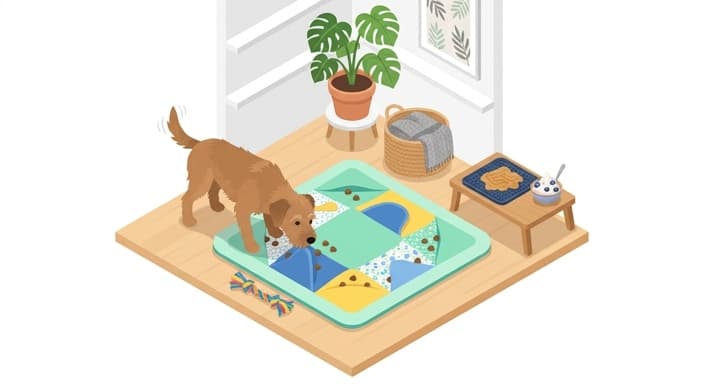
As a veterinarian, I encourage pet parents to provide "purposeful chewing" opportunities as part of a daily routine. This means moving beyond generic squeaky toys to functional enrichment tools like lick mats or stuffed, frozen enrichment toys. When a dog spends 15 to 20 minutes steadily licking a frozen base of plain Greek yogurt, pumpkin purée, or peanut butter (ensure it is xylitol-free), they are engaging in a repetitive motor task that is inherently calming. The tongue’s movement against the ridges of a mat acts as a sensory-motor feedback loop that lowers blood pressure and helps the dog settle into a state of "flow." This is an invaluable tool for managing anxiety during high-stress triggers, such as thunderstorms, delivery arrivals, or the departure of their favorite human.
Tactile Grounding and Proprioceptive Enrichment
For many dogs, anxiety manifests as a feeling of being "unmoored" or physically restless. Proprioceptive enrichment—activities that help the dog become more aware of where their body is in space—can be incredibly grounding. This is the physiological equivalent of a human using a weighted blanket.
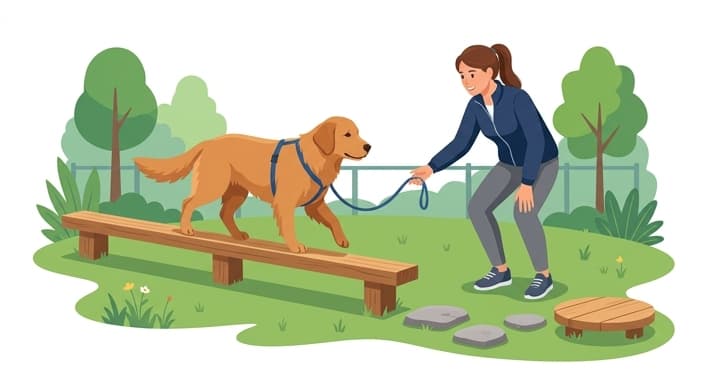
Activities like "slow-motion" training or navigating a simple, low-level obstacle course can work wonders for an anxious nervous system. You don’t need agility equipment to do this. Simply encouraging your dog to walk slowly over a series of different textures—such as a yoga mat, a piece of cardboard, or a soft rug—forces them to engage their core muscles and pay attention to their foot placement. This deliberate, controlled movement encourages the dog to "get out of their head" and into their body. When they have to focus on where to place their paws, the racing thoughts that drive anxiety are effectively interrupted. Incorporating this into your daily routine helps build body confidence, which directly translates to a more stable, less reactive demeanor in the face of environmental stressors.
Creating a "Safe Haven" Enrichment Routine
Consistency is the cornerstone of healing anxiety. If we only offer enrichment when the dog is already spiraling, we are treating the symptom rather than building the foundation. The goal is to integrate these calming activities into the daily schedule so that the dog’s "baseline" state is naturally more relaxed.
I recommend creating a "calm-down" window each day, perhaps in the early afternoon or shortly after a walk, where the environment is quiet and the dog is provided with a specific enrichment task. This might be a snuffle mat filled with their evening meal or a long-lasting chew that requires focus and patience. By making these activities a predictable part of their routine, you provide the dog with a sense of agency and predictability, two things that are almost always lacking in an anxious animal’s life. When a dog knows that a period of quiet, rewarding, and sensory-rich activity follows their morning exercise, they are less likely to remain in a state of high-alert waiting for the next "trigger."
Remember that every dog is an individual. Some will prefer the intensity of a scent game, while others will find peace in the rhythmic motion of a lick mat. Observe your dog’s response—watch for the "soft eye," the relaxed tail, and the eventual sleepy sprawl. Those are the signs that you have successfully bypassed the anxiety cycle and tapped into their innate, biological capacity for calm. By prioritizing these gentle, sensory-based interventions, you aren't just helping your dog survive their anxiety—you are giving them the tools to thrive in a world that can often feel overwhelming. With patience and a shift toward these mindful, enrichment-based practices, you can foster a deeper connection and a much more peaceful home environment for your beloved companion.
Common Questions
🤔
Frequently Asked Questions
What is calming enrichment and why is it important for anxious dogs?▼
Calming enrichment refers to activities designed to engage a dog’s nervous system in ways that reduce physiological arousal and promote mental regulation. It focuses on steady focus, scent processing, and tactile satisfaction rather than exhausting exercise. This approach helps shift dogs from reactive hyper-vigilance to calmer, more confident states, supporting long-term emotional resilience.
How does olfactory regulation help, and what are practical sniffing activities?▼
Olfactory regulation leverages a dog’s powerful sense of smell to slow the heart rate and ground them in the present moment. Practical sniffing activities include sniffaris, where the dog can roam and investigate at their own pace, and indoor scent games that hide treats for the dog to find. These activities provide cognitive engagement and a neurological shift toward calm rather than forced exertion.
What role do licking and chewing play in self-soothing, and how should I implement them safely?▼
Licking and chewing trigger endorphin release, offering a natural sedative effect that calms anxious dogs. Provide purposeful chewing tools such as lick mats or frozen enrichment treats made from dog-safe ingredients, ensuring foods are free of xylitol and other potentially harmful substances like chocolate or grapes. Start with 15–20 minutes of steady, supervised chewing to establish a reliable calming routine.
How can I structure a calming enrichment routine, and what should I avoid?▼
Create a daily routine that alternates scent-based, chew-based, and gentle interactive activities to promote consistent neural regulation. Keep sessions at a moderate pace, tailor activities to your dog’s preferences, and minimize sudden loud stimuli or chaotic environments. Avoid relying solely on high-intensity exercise or punishment-based approaches, which can amplify anxiety and hinder learning.