Blog5/4/2026
Benefits of Lick Mats for Dogs: Calm, Digestion, Behavior
5 mins Read
The Briefing
Quick takeaways for the curious
Licking on a textured mat triggers the dog's natural endorphin release, promoting a calm, self-soothing state that lowers heart rate and cortisol rather than causing a rushed feeding experience.
Spreading food across a lick mat slows consumption and fosters cognitive regulation, helping reduce barking at stressors and encouraging a more focused, calm demeanor during meals.
The licking process increases saliva and initiates early enzymatic digestion, easing the digestive workload and providing a gentler jaw exercise, especially beneficial for seniors or dogs with dental discomfort.
Lick mats serve as effective behavioral training tools, redirecting attention during stressful tasks and supporting counter-conditioning when paired with neutral or positive contexts.
Consistency matters: use the mat in neutral times to build positive associations and prevent the mat from becoming a cue for stress during grooming or other handling.
There is a persistent, outdated myth in the modern pet care community that a dog’s feeding time is merely a functional necessity—a quick caloric deposit to be finished in under thirty seconds. As a veterinarian consultant, I frequently speak with frustrated pet parents who are surprised to learn that the "gulp and go" feeding style is not only a missed opportunity for enrichment but a potential health risk that contributes to digestive distress and unchecked behavioral anxiety. We are finally moving toward a more sophisticated, holistic standard of pet wellness that views the lick mat not as a simple accessory, but as a vital therapeutic tool, effectively shifting the focus from passive consumption to active, meditative engagement.
The Neurobiology of Licking: Why It Matters
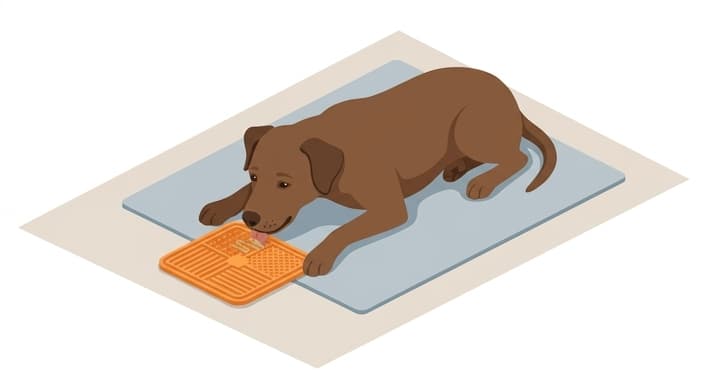
To understand why a lick mat is a game-changer for your dog’s mental health, we must first look at the neurological impact of the licking action itself. When a dog engages in repetitive, rhythmic licking, their brain triggers the release of endorphins—the body’s natural "feel-good" chemicals. This process is functionally similar to the soothing effect of a pacifier for an infant or the meditative state achieved through repetitive movement. From a veterinary perspective, this is a powerful, self-soothing mechanism that helps lower a dog’s heart rate and reduces the production of cortisol, the primary stress hormone.
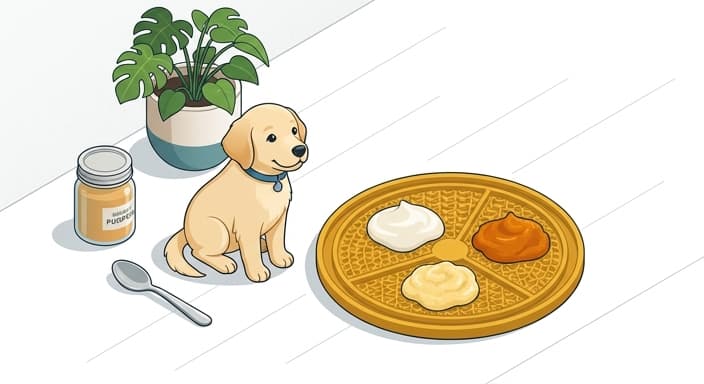
By spreading food—such as plain Greek yogurt, pumpkin puree, or mashed banana—across the textured surface of a lick mat, you are forcing your dog to slow down. This isn't just about digestion; it is about cognitive regulation. A dog that is intently focused on extracting a treat from the nooks and crannies of a mat is a dog that is not barking at the delivery driver, pacing the floor, or fixating on a thunderstorm. You are effectively teaching your dog how to settle, rewarding them for choosing a calm, stationary activity over a hyper-aroused one.
Digestive Benefits and the "Slow Feeder" Advantage
Beyond the mental health benefits, lick mats serve as an excellent tool for promoting healthy digestion. Many dogs, particularly those prone to "scarfing" their meals, suffer from gastrointestinal issues like bloat (GDV) or simple indigestion caused by swallowing large amounts of air. While slow-feeder bowls are a common solution, lick mats take the concept of "paced consumption" to the next level.
Because the food must be licked off rather than scooped up, the dog is required to produce more saliva. Saliva is rich in enzymes that begin the chemical breakdown of carbohydrates and fats before the food even hits the stomach, which can significantly ease the workload on the digestive tract. Furthermore, the act of licking is a low-impact exercise for the jaw and tongue muscles. For senior dogs or those with minor dental discomfort, the gentle pressure of licking against a soft, textured mat can be more comfortable than chewing on hard kibble or heavy rubber toys. It turns mealtime into a sensory experience that is both nourishing for the body and soothing for the gut.
Behavioral Training: Using Mats for Desensitization
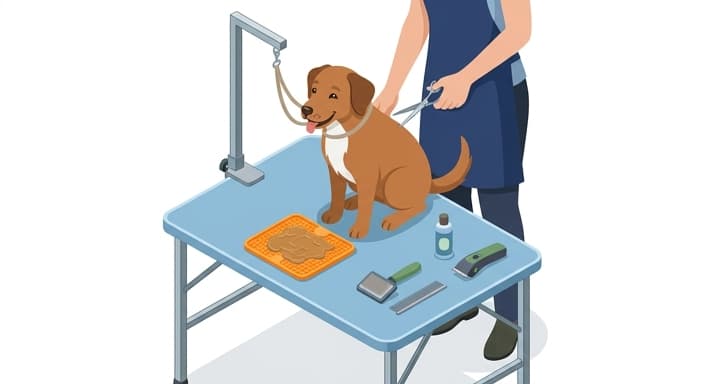
One of the most effective ways to use a lick mat is as a "counter-conditioning" tool during stressful events. Many of my clients struggle with routine husbandry tasks—nail trims, ear cleanings, or even the dreaded bath time. When a dog is focused on a high-value treat on a lick mat, their focus is redirected away from the perceived "threat" of the grooming tool and toward the positive sensory input of the treat.
The key here is consistency and association. If you introduce the lick mat only during times of extreme stress, the dog may eventually associate the mat with that stress. Instead, I recommend using the mat during "neutral" times as well, so the dog learns that the mat is a positive, standalone experience. Once the association is strong, you can strategically introduce it during grooming sessions. I have seen countless dogs go from trembling, reactive patients to calm, cooperative participants simply by having a smear of peanut butter on a silicone mat to distract them. It is a simple, non-pharmacological way to build confidence and resilience in our canine companions.
Choosing the Right Texture and Material
Not all lick mats are created equal, and as a veterinarian, I advise my clients to be discerning about the materials they introduce to their homes. Look for mats made from food-grade, BPA-free silicone. Silicone is durable, dishwasher-safe, and, most importantly, non-porous. Because you are dealing with moist, perishable food items, hygiene is paramount; a porous material can harbor bacteria in microscopic cracks, which can lead to upset stomachs or skin irritation around the muzzle.
Texture also plays a critical role. A mat with deep, intricate grooves is perfect for thinner consistencies like yogurt or watered-down wet food, as it creates a greater challenge and keeps the dog occupied for longer. Conversely, a mat with shallower, wider patterns is better for thicker, sticky spreads like nut butters or pumpkin. I often recommend having a few different textures in your "enrichment toolkit" to keep your dog interested. If your dog gets bored with the same pattern, simply rotate the mat to keep the sensory experience fresh. Remember, the goal is to provide a challenge, not a frustration. If your dog gives up because the task is too difficult, try a thinner spread or a more open design.
Integrating Enrichment Into Your Daily Routine
To maximize the benefits of lick mats, consider them a pillar of your dog’s daily enrichment schedule rather than a "sometime" treat. For high-energy breeds or dogs prone to separation anxiety, a frozen lick mat can be a life-saver when you leave the house. Freezing the mat prolongs the duration of the activity significantly, providing a solid 20 to 30 minutes of meditative work that helps the dog transition into a quiet, resting state while you are away.
Beyond the "frozen treat" method, think about how you can incorporate these tools into your training regimen. Use the mat to reward "place" training, or as a way to keep your dog occupied while you work from home. The goal is to move away from the idea that a dog’s energy must always be "burned off" through physical activity. By prioritizing cognitive and sensory work, we create more balanced, well-adjusted dogs who are capable of self-regulation. Ultimately, the humble lick mat is a testament to the fact that sometimes, the most effective therapeutic tools in our veterinary arsenal are the ones that encourage our dogs to slow down, breathe, and simply enjoy the moment.
Common Questions
🤔
Frequently Asked Questions
What is the main neurobiological benefit of licking with a mat?▼
Licking on a mat triggers the release of endorphins, the dog’s natural feel good chemicals, which helps lower heart rate and cortisol levels. This creates a self-soothing, meditative state rather than a rushed, anxious feeding rush. Over time, it can make daily handling and stressors feel more manageable.
How do lick mats improve digestion compared to traditional bowls?▼
The slow licking process requires the dog to pace its eating, which increases saliva and starts enzymatic breakdown of food before it reaches the stomach. This reduces the likelihood of gulping and digestive upset and can ease the workload on the GI tract. For dogs with dental issues, the soft, textured mat also offers a gentler way to savor a meal.
How can lick mats be used for desensitization and training?▼
Use the mat during neutral times to create a positive association rather than only during stressful events. The focused activity helps redirect attention away from threats like grooming tools, baths, or nail trims. Over time, the dog learns to stay calm and engaged with the mat, which can improve cooperation during handling.
What are best practices and cautions when introducing a lick mat?▼
Introduce the mat gradually, starting with small amounts of safe toppings and supervising to prevent choking. Use a variety of neutral contexts and avoid relying on the mat as the sole form of enrichment or as the only tool linked to stress. Regularly monitor the dog’s comfort, adjust difficulty, and ensure the mat is suitable for the dog’s age, dental health, and appetite.