Blog3/20/2026
Benefits of At-Home Pet Health Testing for Proactive Care
5 mins Read

The Briefing
Quick takeaways for the curious
At-home pet health testing shifts care from reactive to proactive, enabling early insights from a comfortable home setting.
These tests provide a biological baseline, reducing guesswork by showing what is normal for your pet.
Microbiome testing helps tailor diet and supplements by understanding gut health and the links to immune function and overall wellness.
Genetic screening reveals inherited risks and guides preventive strategies long before symptoms emerge.
Convenience reduces stress and supports ongoing monitoring through simple samples collected at home, such as fecal, urine, or DNA tests.
There is an outdated school of thought that says we should only visit the veterinarian when our pets are visibly limping, coughing, or refusing their dinner. As a veterinarian, I advocate for a radical shift in this perspective: moving from reactive "sick care" to proactive, data-driven wellness, where we decode the silent signals of your pet’s health from the comfort of your own living room. At-home pet health testing is no longer just a trend; it is a sophisticated, non-invasive tool that allows us to look under the hood of your pet’s physiology, helping us catch subtle shifts in their biology long before they manifest as a full-blown medical crisis.
The Power of Proactive Diagnostics: Why Wait for Symptoms?
In the veterinary world, we often encounter a frustrating hurdle: our patients cannot speak. By the time a dog or cat shows clinical signs of illness—like weight loss, lethargy, or a change in urinary habits—the underlying condition has often been brewing for months or even years. At-home testing kits, ranging from DNA breed and health panels to microbiome sequencing and urinalysis, bridge this communication gap. They provide a biological baseline, a snapshot of what "normal" looks like for your specific pet.
When we have this data, we aren't just guessing based on symptoms; we are practicing medicine with a roadmap. Whether it’s identifying a genetic predisposition to a specific heart condition or discovering that your cat’s gut flora is unbalanced, these tests empower you to make informed decisions about diet, lifestyle, and preventative supplements. It transforms your role from a concerned observer to an active, informed partner in your pet’s longevity.
Understanding the Microbiome: The Gut-Health Connection
One of the most exciting frontiers in veterinary science is the study of the gut microbiome—the bustling ecosystem of bacteria, fungi, and viruses living in your pet's digestive tract. We now know that this "inner garden" influences everything from immune system regulation and nutrient absorption to mental health and behavior. At-home microbiome testing kits allow you to collect a simple fecal sample and send it to a lab for genetic sequencing, providing a comprehensive report on the diversity and balance of your pet’s gut bacteria.
If your pet suffers from chronic, "mystery" tummy troubles, itchy skin, or even anxiety, the answer may be hidden in the gut. These tests can reveal if your pet is lacking beneficial bacteria or if an overgrowth of harmful pathogens is fueling systemic inflammation. With these results, you can work with your vet to implement targeted changes, such as introducing specific prebiotics, probiotics, or dietary adjustments, that can restore harmony to the gut and, by extension, the entire body.

Genetic Screening: Decoding the Inherited Blueprint
Every dog and cat is a unique combination of inherited traits, but some of those traits carry hidden risks. Genetic health testing has become incredibly accessible, offering a window into the "spelling" of your pet’s DNA. By identifying markers for hereditary diseases—such as degenerative myelopathy in German Shepherds or polycystic kidney disease in Persians—you gain the ability to stay two steps ahead of biology.
Knowing your pet's genetic profile is particularly valuable for owners of mixed-breed dogs. Because we often don't know the exact lineage of our rescues, we can’t always predict which breed-specific predispositions they might carry. A DNA test provides that missing context. If a test indicates a predisposition for joint issues, for example, you can start a high-quality joint supplement regimen and emphasize low-impact exercise while your pet is still young and healthy, effectively managing their risk before the first sign of arthritis ever appears.
The Convenience of At-Home Urinalysis and Wellness Panels
Monitoring your pet’s internal chemistry doesn't always require a stressful trip to the clinic. Modern at-home urinalysis kits—which utilize color-changing sand or simple collection strips—allow you to monitor for early signs of urinary tract infections, diabetes, or kidney dysfunction. For senior pets, who are prone to "silent" conditions like chronic kidney disease, catching these changes early can make the difference between a simple dietary management plan and a major hospitalization.
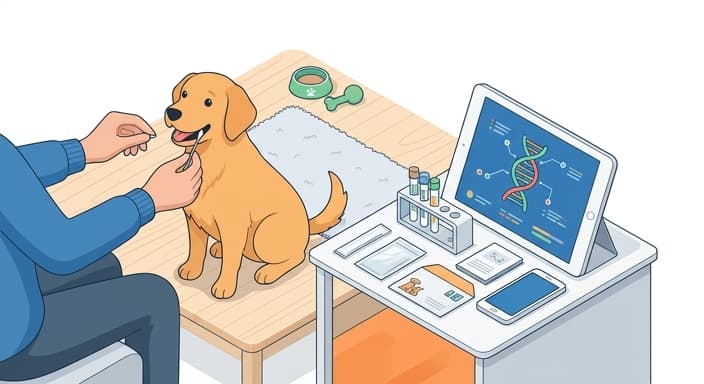
When you perform these tests at home, you capture your pet in their natural state, free from the "white coat hypertension" that can skew blood pressure and heart rate readings in a clinical setting. By logging these results over time, you build a longitudinal health record. If you ever do need to visit your veterinarian, bringing this data—a trend line of their pH levels or a clear picture of their microbiome—allows us to diagnose and treat your pet with significantly higher precision.
Integrating Data into Your Daily Care Routine
The true benefit of at-home testing is the confidence it gives you as a pet parent. It turns the nebulous worry of "is my pet okay?" into a tangible, actionable plan. However, a word of professional caution: these tests are tools, not replacements for a veterinary physical exam. They are designed to complement, not circumvent, professional care. Always share your results with your veterinarian; we are trained to interpret these data points within the context of your pet’s physical exam, medical history, and current environment.
Use the information to curate a lifestyle that supports your pet’s specific needs. If a test shows a sensitivity to certain proteins, you can adjust their diet. If it suggests a need for more fiber or specific vitamins, you can optimize their nutrition. By layering this data over a foundation of regular exercise, routine veterinary checkups, and a loving home, you are doing everything in your power to ensure your pet doesn't just live a long life, but a vibrant, pain-free one.
In conclusion, at-home pet health testing represents a new era of veterinary empowerment. By leveraging the insights provided by microbiome analysis, genetic screening, and routine wellness monitoring, you become a proactive guardian of your pet's well-being. These tests demystify the internal workings of your dog or cat, allowing you to address subtle imbalances before they become major health concerns. Remember, the goal of these diagnostics is not to create anxiety about potential risks, but to provide the clarity needed to optimize your pet's health and enhance the bond you share. Embrace the data, partner with your veterinarian, and enjoy the peace of mind that comes from knowing you are providing the best, most personalized care possible for your furry family member.
Common Questions
🤔
Frequently Asked Questions
What are at-home pet health tests and what do they measure?▼
At-home pet health tests allow you to collect samples in your living space and send them to a lab for analysis. They include DNA breed and health panels, microbiome sequencing, and urinalysis panels, among others. These tests create a biological baseline for your pet, helping vets interpret future changes more accurately. By comparing current results to your pet's normal range, you can catch subtle shifts long before illness becomes obvious.
How do at-home tests support proactive care?▼
They move care upstream from symptoms to data-driven wellness, giving you concrete information to share with your veterinarian. The resulting baseline and trends enable informed decisions about diet, lifestyle, and preventative supplements. With this data, you can act early to address risks and maintain long-term health, rather than waiting for a crisis to appear. It turns you into an active partner in your pet’s longevity.
What is microbiome testing and why does it matter?▼
Microbiome testing analyzes the gut’s bacterial, fungal, and viral communities to reveal imbalances that affect immune function, nutrient absorption, and even behavior. With a simple fecal sample, you receive a report on the diversity and balance of gut bacteria. The results guide targeted changes such as prebiotics, probiotics, or dietary adjustments to restore gut harmony and systemic health. This can help with chronic tummy troubles, itchy skin, or anxiety linked to gut health.
How can genetic screening inform pet care?▼
Genetic screening uncovers markers for hereditary diseases and breed-associated risks, giving owners information to act before problems arise. It’s especially valuable for mixed-breed pets where lineage is uncertain, providing context for predispositions. If a test shows a risk for joint issues or other conditions, you can start preventive measures—like supplements and appropriate exercise—while your pet is still young. This empowers tailored plans for lifelong wellness.