Blog4/22/2026
At-Home Dental Care for Pets: Simple Daily Tips for Owners
6 mins Read
The Briefing
Quick takeaways for the curious
At-home dental care is essential for pets, not optional, because periodontal disease is the most common condition in adult dogs and cats and daily maintenance helps prevent systemic health issues.
Plaque accumulates quickly and can mineralize into tartar within 24 to 48 hours, and if left unchecked it can lead to bacteria entering the bloodstream and affecting the heart, kidneys, and liver.
A low stress, desensitization approach makes dental care feasible for most pets, starting with gentle muzzle touches and treats, then gradual lip lifting to expose teeth, and using enzymatic toothpaste that pets can taste.
The best tool is the one your pet will actually use, and you should look for VOHC approved products; dental wipes or chews can be good alternatives if brushing is difficult, as long as they are used correctly.
Always use pet specific toothpaste and avoid human toothpaste, which can be toxic to pets due to xylitol and fluoride, and keep sessions short, positive, and consistent.
There is a persistent, outdated myth in the modern pet care community that dental hygiene is a strictly clinical concern—something that only requires attention during an annual veterinary check-up or when a pet’s breath becomes truly unbearable. As a veterinarian consultant, I frequently speak with devoted pet parents who view home dental care as an intimidating, secondary chore, failing to realize that periodontal disease is the most common clinical condition in adult dogs and cats, and that daily maintenance is the single most effective way to prevent systemic health issues that can shorten your pet’s lifespan. We are finally moving toward a more sophisticated, proactive standard of pet wellness that views at-home dental care not as an optional grooming task, but as a vital therapeutic intervention, effectively closing the gap between a pet who suffers in silence from oral pain and one who remains vibrant, comfortable, and healthy throughout their life.
The Physiology of Plaque: Why Oral Health is Systemic
To understand why at-home dental care represents a paradigm shift for our furry companions, we must first demystify the biomechanics of the feline and canine mouth. In the same way humans accumulate plaque—a sticky, bacteria-laden film—on our teeth, pets do the same. If this plaque is not mechanically removed, it mineralizes into tartar (calculus) within 24 to 48 hours, creating a rough surface that attracts even more bacteria. Unlike in humans, where we brush twice a day, a pet’s mouth is constantly exposed to food particles and grooming habits that accelerate this process.
When we neglect this accumulation, we are not just risking "dog breath." Bacteria from the gums can enter the bloodstream, potentially affecting the heart, kidneys, and liver. As a veterinarian, I often see patients with severe oral inflammation who seem to "age" overnight, losing their appetite or becoming lethargic. By managing oral health at home, we aren't just cleaning teeth; we are protecting the internal organs and ensuring our pets aren't living with chronic, low-grade pain that they are evolutionarily wired to mask.
Building a Routine: The "Low-Stress" Introduction
The biggest hurdle for most pet parents is the perceived impossibility of getting a cat or dog to cooperate with a toothbrush. If you try to force a brush into your pet’s mouth on day one, you are likely to trigger a negative association that will make future attempts nearly impossible. Instead, we must treat dental care like a desensitization training program.
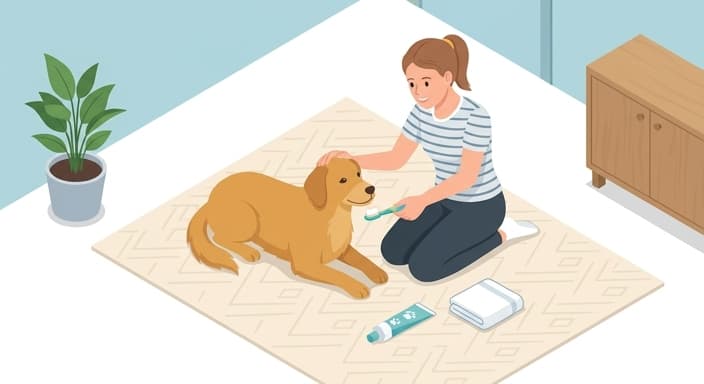
Start by simply touching your pet’s muzzle while they are relaxed, rewarding them with a high-value treat immediately after. Once they are comfortable with that, gently lift the lip to expose the teeth for a few seconds. Use a pet-specific, enzymatic toothpaste—human toothpaste is toxic to pets due to xylitol and fluoride—and let them taste it as a treat. The goal is to make the experience feel like a snack time, not a medical procedure. Once they accept the taste, introduce a soft-bristled finger brush or a piece of sterile gauze wrapped around your finger. By keeping sessions short, positive, and predictable, you can transform a stressful ordeal into a bonding ritual.
Choosing the Right Tools: Beyond the Standard Brush
Not every pet will tolerate a traditional toothbrush, and as an expert consultant, I encourage pet parents to embrace the "best tool is the one your pet will use" philosophy. The market is flooded with dental products, but it is essential to look for the Veterinary Oral Health Council (VOHC) seal of approval. This ensures that the product has been clinically proven to reduce plaque or tartar accumulation.
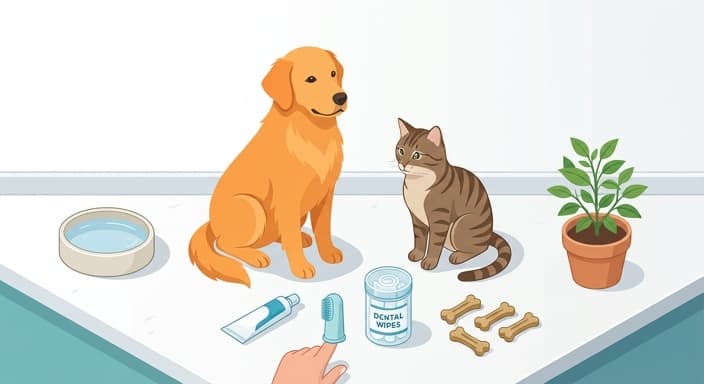
For those who struggle with brushing, dental wipes can be a fantastic alternative. These provide a textured surface to physically wipe away debris while delivering enzymatic agents that break down plaque. Similarly, dental chews—provided they are sized correctly to prevent choking—can act as a mechanical cleaner. However, be wary of chews that are too hard; I have treated far too many fractured carnassial teeth caused by aggressive chewing on real bones or excessively hard nylon toys. If you cannot indent the treat with your fingernail, it is likely too hard for your pet’s teeth.
The Role of Diet and Hydration in Oral Hygiene
While brushing is the gold standard, we can support oral health through the "back door" via nutrition and hydration. Water additives, which are essentially flavorless enzymatic solutions added to your pet's bowl, can help discourage the formation of plaque throughout the day. These are not replacements for mechanical cleaning, but they serve as an excellent adjunct therapy.
Furthermore, consider talking to your veterinarian about prescription dental diets. These kibbles are formulated with larger, fibrous shapes that actually require the pet to bite through the nugget, which cleans the tooth surface mechanically before the kibble fragments. It is a brilliant example of how we can leverage the animal's natural chewing behavior to promote health. Remember, however, that no amount of specialized diet can completely replace the need for physical cleaning. Think of it like this: eating a healthy diet doesn't negate the need for us to brush our own teeth, and the same logic applies to our pets.

Identifying Red Flags: When to See the Vet
Even with the most rigorous home care, some pets are genetically predisposed to dental disease, particularly small-breed dogs with crowded teeth. As a pet parent, your role is to be the primary monitor of their oral cavity. You should be checking your pet’s mouth at least once a week.
Look for the "Big Four" signs of trouble: persistent foul odor, red or bleeding gums, difficulty picking up food, or dropping food while chewing. If you notice a tooth that looks discolored or a localized swelling near the gumline, these are not things that can be "brushed away." These are signs of a potential abscess or advanced periodontal disease that requires immediate professional intervention. A professional dental cleaning under anesthesia allows us to take dental X-rays, which are crucial because the majority of periodontal disease happens beneath the gumline, where the naked eye cannot see. Early detection is the difference between a simple cleaning and the need for painful tooth extractions.
Consistency as the Key to Longevity
Ultimately, the commitment to at-home dental care is an act of long-term love. It requires patience, consistency, and a willingness to adapt your strategy to your pet's individual comfort levels. By integrating these practices into your daily life, you are doing more than just freshening your pet’s breath—you are actively extending their healthy years and ensuring that every meal they eat is a source of joy rather than a source of pain. Start small, stay positive, and remember that even a few minutes of effort each week can profoundly change the trajectory of your pet’s health. Your pet may not understand the science behind the toothbrush, but they will certainly appreciate the comfort of a healthy, pain-free mouth for years to come.
Common Questions
🤔
Frequently Asked Questions
Why is at-home dental care important for my pet?▼
Home dental care is crucial because periodontal disease is the most common oral health issue in adult dogs and cats, and daily maintenance is the most effective way to prevent painful disease and potential systemic health problems. Plaque forms quickly and can lead to tartar and inflammation if not removed. By keeping the mouth clean at home, you protect internal organs and improve overall quality of life.
How do I start a low-stress dental care routine with my pet?▼
Begin with desensitization: touch your pet's muzzle during calm moments and reward with a high-value treat. Then slowly lift the lip to expose the teeth for a few seconds, offer a taste of enzymatic toothpaste, and progress to a soft finger brush or gauze. Keep sessions short, positive, and snack-like to build a positive association with dental care.
What tools and products should I use for at-home dental care?▼
Look for the VOHC seal on products to ensure they are clinically proven to reduce plaque or tartar. Use pet-specific enzymatic toothpaste, not human toothpaste, to avoid toxins like xylitol and fluoride. If brushing is tough, consider dental wipes or dental chews sized appropriately to prevent choking, always prioritizing what your pet tolerates.
What signs indicate my pet may need veterinary dental attention?▼
Common indicators include persistent bad breath, reduced appetite or difficulty eating, lethargy, and visible oral inflammation or pain. These signs may reflect advanced dental disease that home care alone cannot manage, so consult your veterinarian for a professional assessment and guidance on ongoing home care.