Blog3/18/2026
AI Health Monitoring Wearables for Senior Pets: Sleep, Mobility
7 mins Read
The Briefing
Quick takeaways for the curious
AI wearables bridge the communication gap by continuously monitoring movement and rest patterns to reveal subtle changes in senior pets.
The Vital Five metrics—mobility, sleep quality, resting heart rate, respiratory rate, and scratching/licking behaviors—anchor AI health monitoring for aging pets.
Photoplethysmography sensors enable resting heart rate and heart rate variability tracking in a calm home setting, reducing stress and improving data accuracy.
Subtle declines in activity, such as a 15% drop over three months, can be flagged by AI as potential chronic pain or systemic disease before a crisis point.
Early detection of canine cognitive dysfunction and other ailments is enhanced by tracking sundowning, sleep-wake cycles, and anxiety patterns in wearables.
There is a poignant, quiet beauty in the graying muzzle of a senior pet, a testament to years of shared walks, sun-drenched naps, and unwavering loyalty. As a veterinarian, I often see the subtle shift in a client's eyes when their once-boisterous companion begins to slow down, replaced by a nagging worry that we are missing the "hidden" signs of discomfort or illness that our pets are biologically programmed to hide. The "golden years" are a delicate phase of life, but we are entering a new era of veterinary medicine where artificial intelligence and wearable technology are acting as a voice for the voiceless, allowing us to monitor the health of our aging companions with a level of precision that was unimaginable even a decade ago.
The Silent Signals: Bridging the Communication Gap with AI
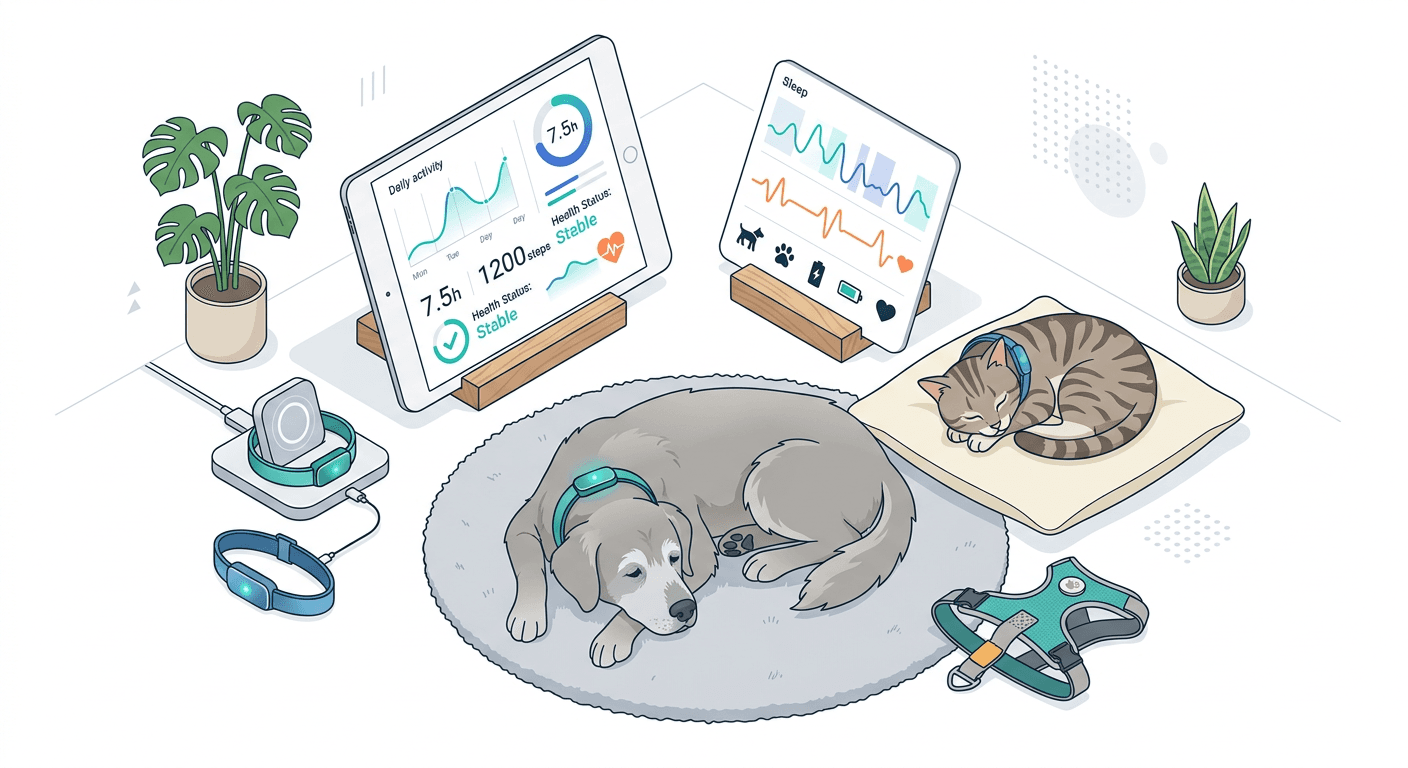
In the wild, showing signs of weakness or pain is a survival liability, and our domestic dogs and cats have inherited this stoic instinct. By the time a senior cat is noticeably limping or a senior dog is refusing a walk, the underlying condition—whether it be osteoarthritis, cognitive dysfunction, or metabolic disease—is often well-advanced. This is where AI health monitoring wearables, such as smart collars and harness-mounted sensors, become transformative. These devices utilize high-sensitivity 3D accelerometers and gyroscopes to track movement patterns 24/7, creating a baseline of "normal" behavior for your specific pet.
The true "intelligence" in these wearables lies in the machine-learning algorithms that analyze this data. Instead of simply counting steps, the AI distinguishes between a slow walk, a frantic scratch, a restless night of pacing, and deep REM sleep. For a senior pet, a gradual 15% decrease in overall activity over three months might be invisible to the human eye, but the AI flags it as a trend. In my clinical experience, these subtle downward trends are often the first indicators of chronic pain or the onset of systemic issues like kidney disease or heart failure. By catching these "silent signals" early, we can intervene with lifestyle changes or medications before the pet reaches a crisis point.
Tracking the "Vital Five": Mobility, Sleep, and Heart Health
When I consult with owners of senior pets, I focus on what I call the "Vital Five" metrics of aging: mobility, sleep quality, resting heart rate, respiratory rate, and scratching/licking behaviors. AI wearables excel at monitoring these without the "White Coat Syndrome" that often skews data in a clinical setting. For instance, a senior dog with worsening hip dysplasia will often show a marked change in their sleep hygiene. They may shift positions more frequently at night or take longer to settle down—behaviors the wearable logs as "restlessness."
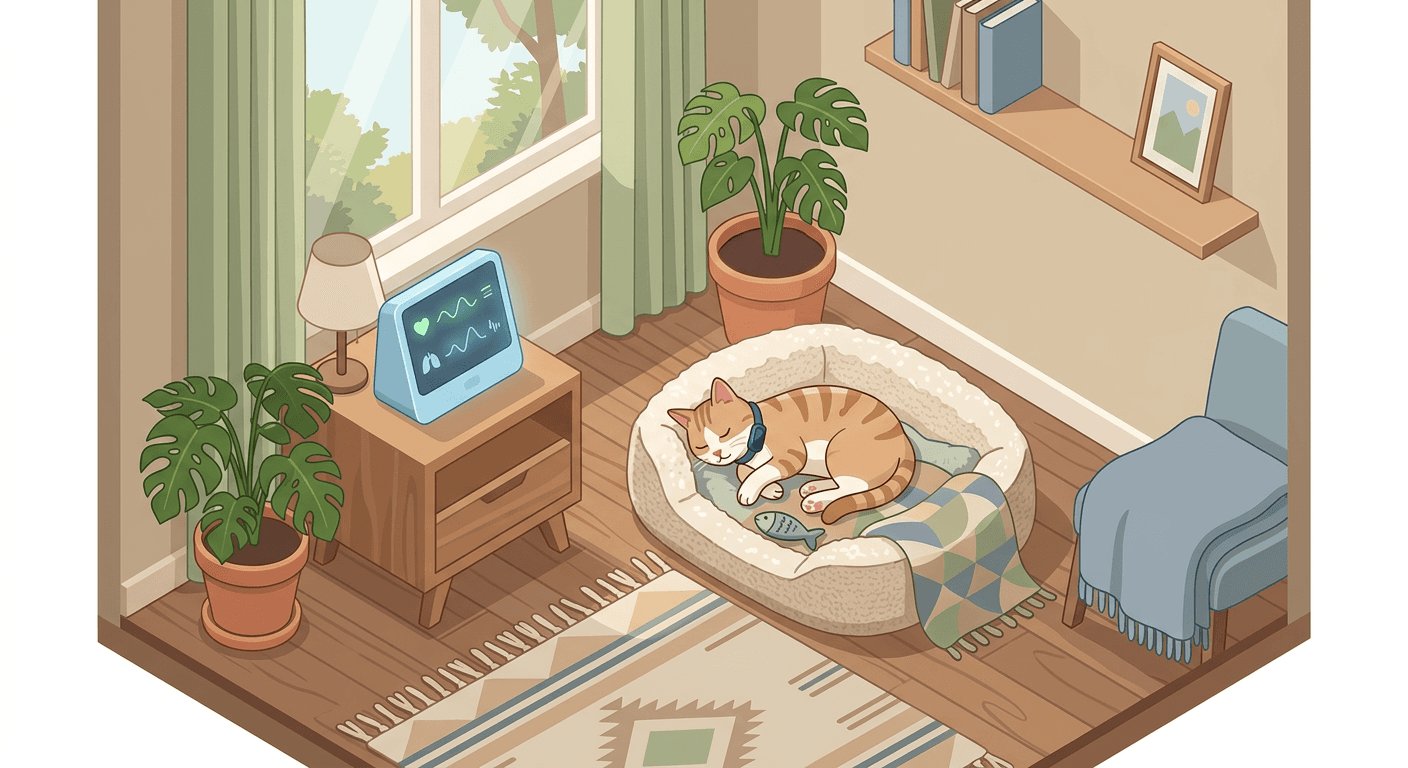
Furthermore, some advanced wearables now incorporate Photoplethysmography (PPG) sensors, similar to those in a human smartwatch, to monitor heart rate and even heart rate variability (HRV). For senior pets with mitral valve disease or dilated cardiomyopathy, monitoring the resting heart rate while the pet is in their own bed is far more accurate than a measurement taken in a stressful vet exam room. A rising trend in resting heart rate or an increased resting respiratory rate is a clinical "red flag" for congestive heart failure. Having this data allows us to adjust diuretics or ACE inhibitors in real-time, potentially adding months or even years of high-quality life to a pet’s journey.
Early Detection of "Invisible" Ailments: From Arthritis to Dementia
One of the most challenging aspects of senior pet care is diagnosing Canine Cognitive Dysfunction Syndrome (CDS), often referred to as "dog dementia." The symptoms—disorientation, changes in sleep-wake cycles, and increased anxiety—often emerge gradually. An AI wearable can be a diagnostic goldmine here; it can track the "sundowning" effect where a pet becomes hyperactive or paces during the night while sleeping excessively during the day. When an owner brings me a report showing a 40% increase in nighttime activity, it gives us a concrete starting point to discuss neuroprotective diets and environmental enrichment.
Similarly, these devices are revolutionizing how we manage feline osteoarthritis. Cats are the masters of disguise; they don't often limp, but they do stop jumping on high counters or spend less time grooming. Wearables designed for cats are now small enough to fit comfortably on a breakaway collar, tracking the intensity and frequency of jumps. If the AI notes that a cat has stopped jumping higher than 12 inches, it is a definitive sign of joint pain. This objective data removes the guesswork for the owner, making the decision to start joint supplements or monoclonal antibody treatments (like Solensia) much clearer and more confident.
Transforming the Veterinary Consultation: From Anecdote to Evidence
The most common phrase I hear in the exam room is, "I think he’s doing okay, but he’s just slowing down because he’s old." As a vet, I want to challenge the idea that "slowing down" is an inevitable, untreatable part of aging. When a client walks into my office with a PDF report from their pet’s wearable, the consultation shifts from subjective anecdotes to evidence-based medicine. We can look at the "Activity Score" together and see exactly when the decline started.
This data is also invaluable for monitoring the efficacy of a new treatment. If we start a senior dog on a new anti-inflammatory or a therapeutic diet for kidney health, we don't have to wait for the owner to "feel" like the dog is better. We can look at the wearable data two weeks later. Is the dog walking 500 more steps a day? Is the nighttime restlessness decreasing? Is the scratching—often a sign of stress or underlying allergy—trending downward? This feedback loop allows for a "personalized medicine" approach, where we can fine-tune dosages and therapies based on the pet’s actual biological response rather than a standard textbook recommendation.
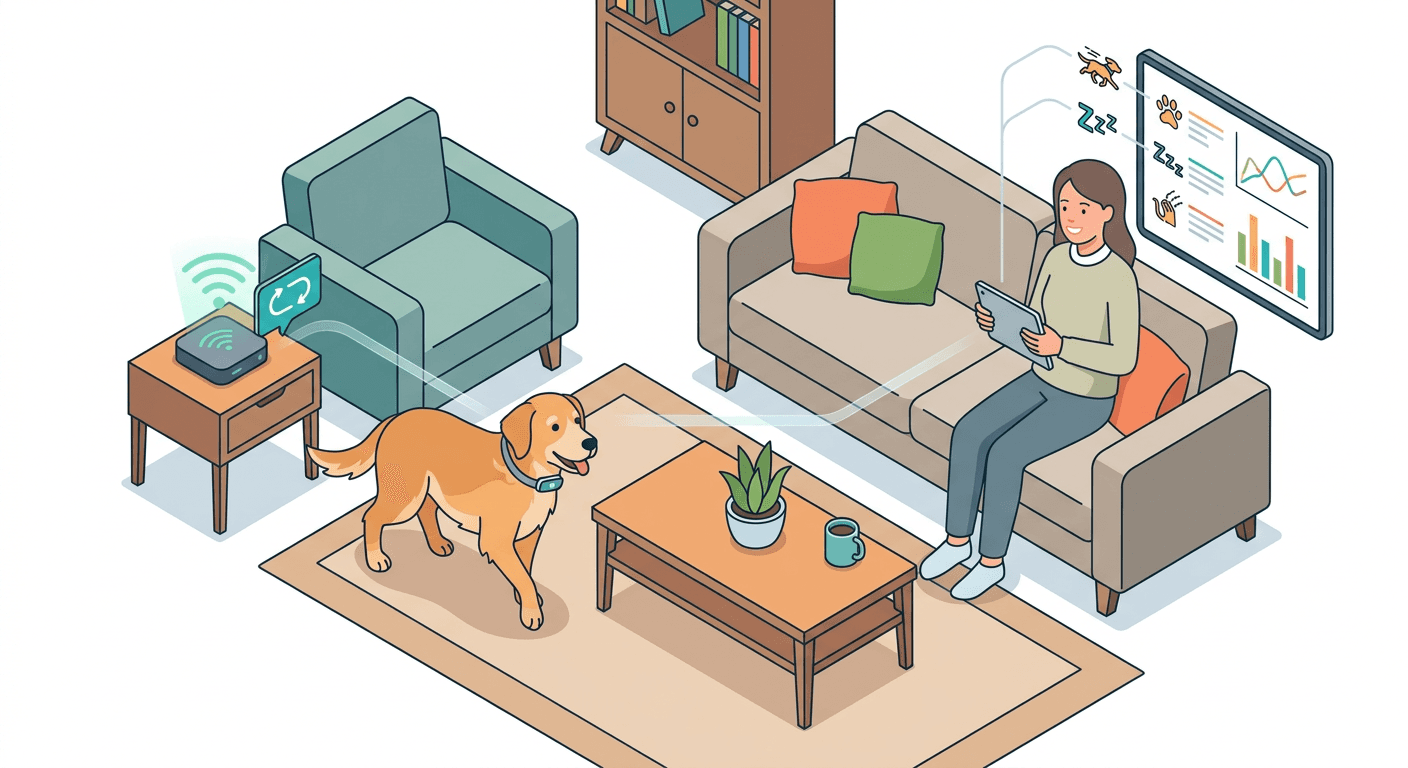
Selecting the Right Wearable for Your Senior Companion
Not all wearables are created equal, especially when it comes to the specific needs of a senior pet. When choosing a device, the first consideration should be the weight and form factor. A bulky tracker that was fine for a young, muscular Labrador might be too heavy for a frail, 14-year-old Beagle or a petite senior cat. Look for "ultra-light" models that integrate seamlessly with their existing collar to avoid neck strain. Battery life is also a critical factor; for senior monitoring, consistency is key, so a device that requires daily charging might lead to data gaps that obscure long-term trends.
Secondly, consider the "ecosystem" of the app. Does it allow you to share data directly with your veterinarian? Does it provide "Comparative Data," showing how your 12-year-old Golden Retriever compares to other Goldens of the same age? This benchmarking can help you understand if your pet's activity level is truly normal for their life stage. Finally, look for devices that offer specific "Senior Modes" or health alerts. Some AI platforms are now sophisticated enough to send a push notification to your phone if they detect a significant deviation from the pet’s 14-day rolling average of activity or sleep, acting as an early warning system that can save lives.
The Limits of Technology: Why Your Eyes and Hands Still Matter Most
While I am a firm advocate for the power of AI in veterinary medicine, it is vital to remember that a smart collar is a supplement to—not a replacement for—the human-animal bond. Technology can track the quantity of a pet's movement, but it cannot yet capture the "quality" of their spirit. It won't feel the new lump under the skin during a belly rub, notice the subtle change in the scent of their breath, or see the look of confusion in their eyes when they can't find their water bowl.
The most effective senior pet care happens at the intersection of high-tech data and high-touch parenting. Use the wearable to flag the trends you might miss, but continue your weekly "home physicals." Run your hands over their body, check their gums, and pay attention to their appetite. When the AI tells you that your dog’s activity is down, use that as a prompt to spend more time observing them. The data provides the "what," but your love and your veterinarian’s expertise provide the "why" and the "how" of the treatment plan.
By embracing these AI-driven tools, we are giving our senior pets a massive advantage. We are moving from a reactive "wait and see" model of care to a proactive, preventative approach. In the twilight of our pets' lives, time is the most precious commodity we have. AI health monitoring wearables give us the gift of more time—more time to manage pain, more time to treat disease in its infancy, and most importantly, more time to enjoy the quiet, beautiful company of our oldest and dearest friends.
Common Questions
🤔
Frequently Asked Questions
How do AI wearables detect subtle changes in senior pets?▼
AI wearables use high-sensitivity accelerometers and gyroscopes to monitor movement 24/7, creating a personalized baseline for each pet. They also track sleep, restlessness, and unusual behaviors, which are then analyzed by machine-learning models to identify deviations from the norm. When a gradual trend emerges—such as a 15% drop in activity over several weeks—the system flags it for veterinary review. This early warning enables proactive care before a crisis point.
What are the Vital Five metrics and why are they important?▼
The Vital Five are mobility, sleep quality, resting heart rate, respiratory rate, and scratching or licking behaviors. They capture the key domains of aging and can be monitored without clinical setting stress, yielding more natural data. Tracking these metrics helps differentiate benign aging from painful or systemic disease and reduces white coat syndrome effects. Clinicians can use trends in these metrics to tailor treatment plans and monitor response over time.
How can wearables help with heart disease management in senior pets?▼
Wearables with PPG sensors measure resting heart rate and heart rate variability in the pet’s own bed, avoiding stress from vet visits. Rising resting heart rate or resting respiratory rate can signal deterioration in conditions such as mitral valve disease or dilated cardiomyopathy. This data can inform treatment adjustments, such as medication titration, and guide decisions about when to seek veterinary care. Continual home monitoring often improves quality of life by catching issues earlier.
How do wearables aid in early detection of CDS and other ailments?▼
By tracking night-time activity, day-night sleep-wake cycles, and anxiety-driven behaviors, wearables can reveal the sundowning pattern associated with Canine Cognitive Dysfunction Syndrome. AI analyzes these patterns to flag potential CDS before dog shows overt signs in a clinic. Early alerts support timely veterinary evaluation and targeted interventions, such as environmental enrichment or medications. This approach helps preserve cognition and reduce distress for aging pets and their families.