Blog3/19/2026
Spring Allergy Relief for Itchy Pets: Simple Tips for Relief
7 mins Read
The Briefing
Quick takeaways for the curious
Spring allergy management for pets aims to restore the skin barrier and quiet the overactive immune system, not just stop scratching for a moment.
The itch-scratch cycle starts with allergens triggering skin inflammation; scratching damages the skin and allows more allergens and microbes to enter, worsening inflammation.
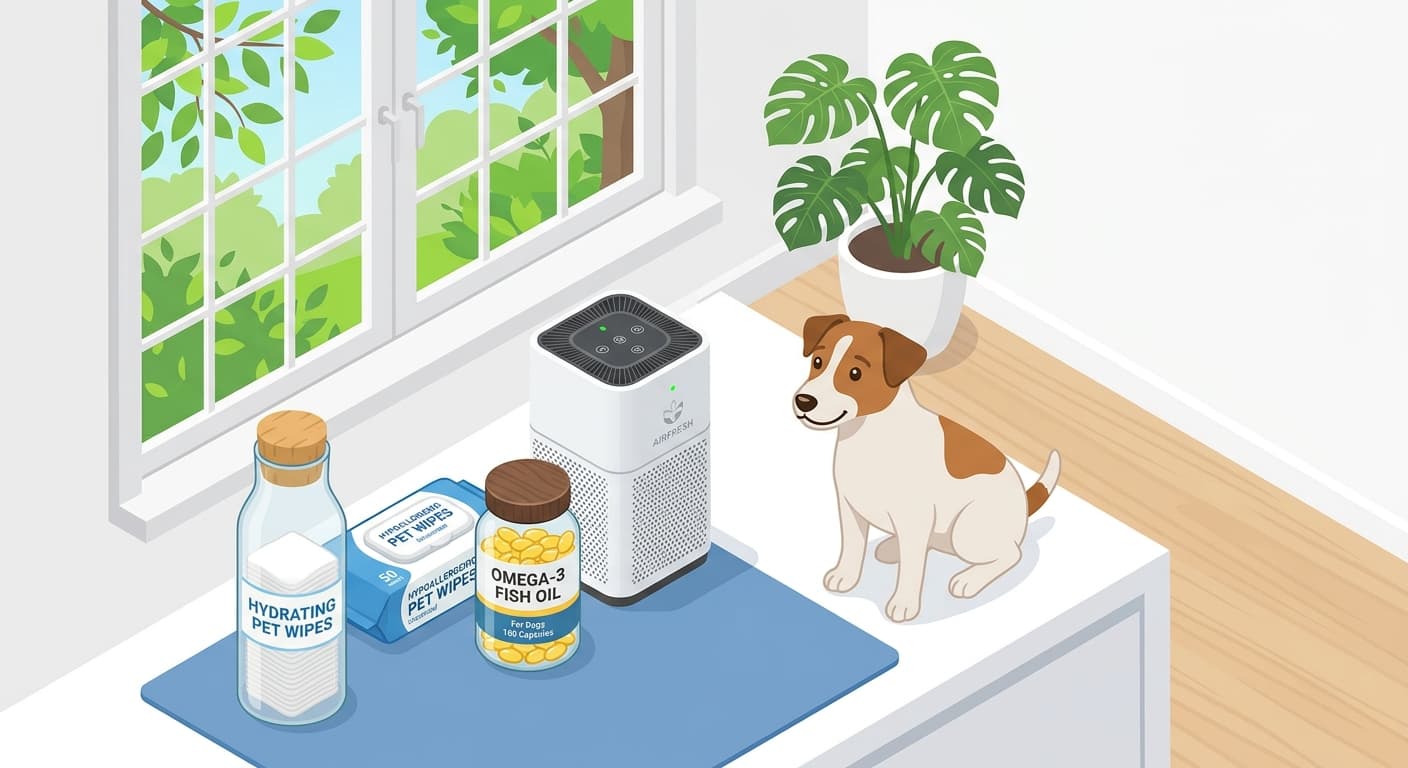
Reducing indoor allergen load through mechanical removal—such as paw-and-belly wipes after outdoor time—and using a HEPA air purifier can lower the pet's allergen exposure and reaction.
Strengthening the skin barrier, likened to rebuilding a brick wall with lipids and ceramides, helps reduce transepidermal water loss and keeps moisture in while blocking allergens.
Nutrition plays a pivotal role in supporting skin health, with omega-3 fatty acids contributing to anti-inflammatory effects and barrier support as part of a comprehensive plan.
There is a bittersweet irony in the arrival of spring—the way the world wakes up in a riot of color and scent, only for our beloved pets to descend into a frantic cycle of scratching, licking, and restless discomfort. As a veterinarian, I see the change in the seasons not just in the blooming cherry blossoms, but in the sudden influx of red paws, weepy eyes, and the rhythmic "thump-thump-thump" of a hind leg against a living room floor. The goal of seasonal allergy management isn't just to stop the scratching for a moment; it is to restore the integrity of the skin barrier and quiet the overactive immune system that sees a simple grain of pollen as a high-level threat.
The Biological Storm: Understanding the "Itch-Scratch Cycle"
To effectively treat spring allergies, we must first understand that what we see on the surface—the redness and the biting—is the final stage of a complex internal inflammatory cascade. In the veterinary world, we call this "atopic dermatitis," or atopy. It begins when a pet’s immune system becomes hypersensitized to environmental proteins like tree pollen, grass, or mold spores. Unlike humans, who primarily react to these allergens through the respiratory system (the classic "hay fever" sneezing and runny nose), dogs and cats primarily process these triggers through their skin.
When an allergen makes contact with a sensitive pet’s skin, it bypasses a weakened skin barrier and triggers the release of inflammatory mediators, most notably histamines and cytokines. These chemicals send an urgent "itch" signal to the brain. The pet responds by scratching or licking, which provides temporary neurological relief but physically damages the skin. This trauma creates microscopic tears, allowing more allergens and opportunistic bacteria or yeast to enter, which in turn causes more inflammation. This is the "itch-scratch cycle," and if we don't intervene early in the spring, it can quickly escalate from a mild annoyance into a full-blown secondary skin infection that requires aggressive antibiotic intervention.
Environmental Engineering: Reducing the Allergen Load
One of the most effective ways to manage spring allergies is also the most overlooked: mechanical removal. We often think of allergies as something that exists "in the air," but for a dog or cat, allergens are physical particles that cling to their fur like microscopic burrs. Every time your pet goes outside for a walk or a bathroom break, they are effectively acting as a "pollen magnet," collecting the very triggers that make them miserable.
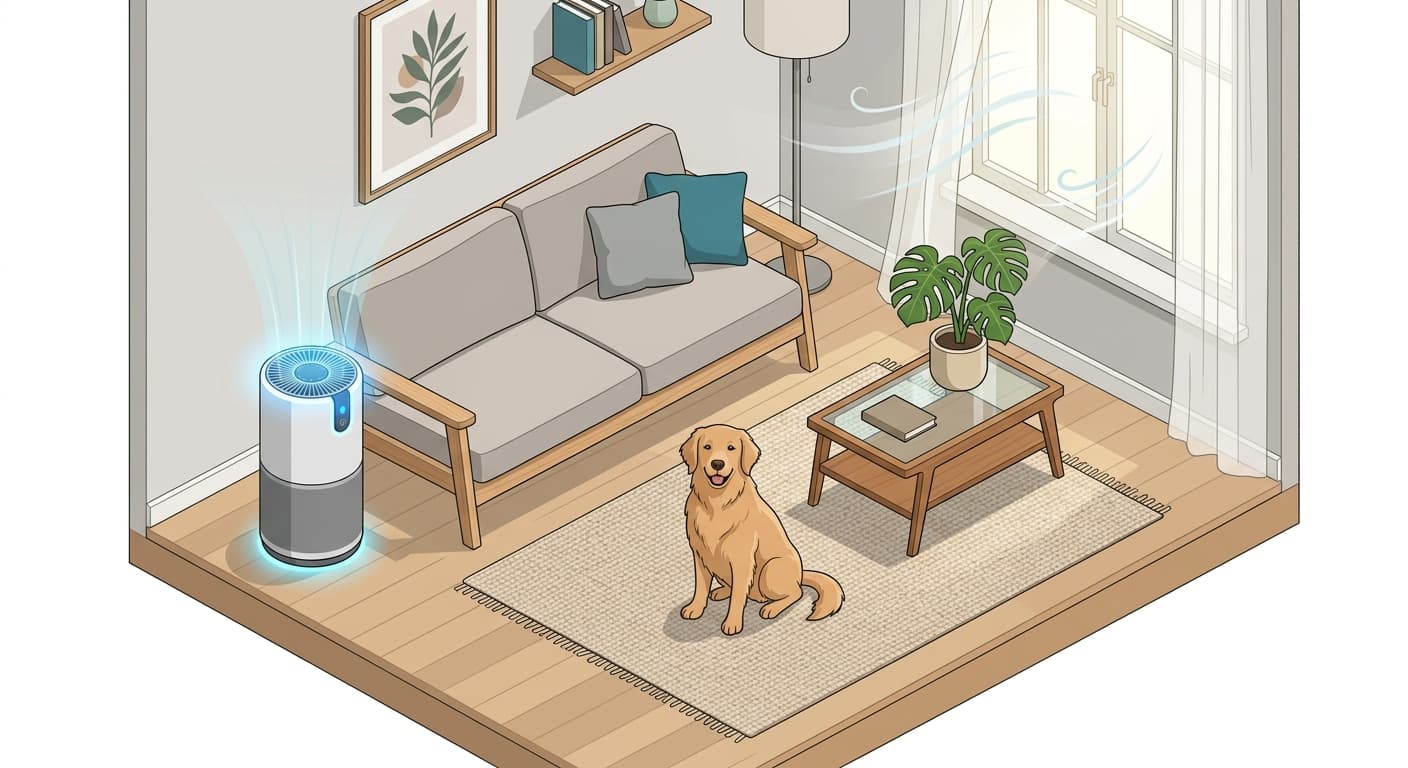
The first step in environmental management is the "paw-and-belly wipe." I recommend keeping a container of hypoallergenic, fragrance-free pet wipes (or even just a damp microfiber cloth) by the door. Upon returning from outside, focus on the areas that make the most contact with the ground: the paws, the webbing between the toes, the underarms, and the groin. By physically removing the pollen before the pet has a chance to groom it off (and ingest it) or rub it into their skin, you significantly lower the "threshold" of their allergic reaction. Furthermore, consider a high-quality HEPA air purifier for the rooms where your pet spends the most time. These filters can capture the fine particulate matter that drifts in through open windows, providing a "clean air sanctuary" for their immune system to rest.
The Skin Barrier: Strengthening the Body’s First Line of Defense
In my clinical practice, I often compare a pet’s skin to a brick wall. In a healthy pet, the "bricks" (skin cells) are held together by a rich "mortar" of lipids and ceramides that keep moisture in and allergens out. In an allergic pet, that mortar is thin, cracked, and leaky. This is known as Transepidermal Water Loss (TEWL). To provide long-term relief, we must move beyond just suppressing the itch and focus on "rebuilding the wall" from the inside out.
Nutrition plays a pivotal role here. High doses of Omega-3 fatty acids, specifically EPA and DHA derived from fish oil, act as natural anti-inflammatories. These fatty acids integrate into the cell membranes, making them more resilient and less prone to "leaking" inflammatory signals. Additionally, look for supplements or diets containing biotin, zinc, and polyphenols, which support skin cell turnover. We are also learning more every day about the "gut-skin axis." A significant portion of the immune system resides in the digestive tract; by using targeted probiotics (like Lactobacillus sakei or Bifidobacterium), we can help modulate the immune response, teaching it to be less reactive to the environment.
Strategic Bathing: Therapy in a Tub
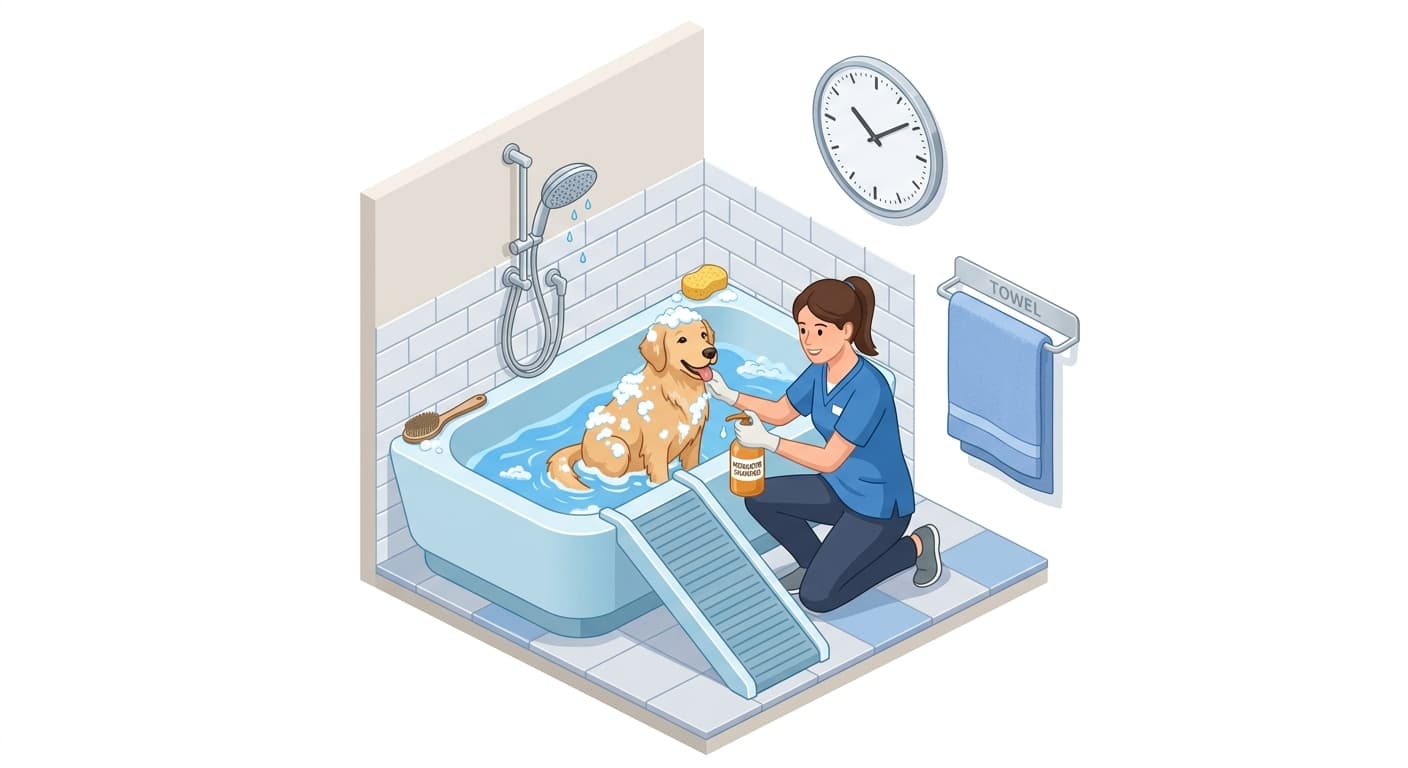
There is an old myth in the pet world that frequent bathing dries out the skin. From a modern veterinary perspective, we now know that for an allergic pet, frequent bathing is one of the most therapeutic things you can do—provided you use the right products. In the spring, I often prescribe "medicated baths" twice a week for my most itchy patients. The goal is two-fold: to physically wash away allergens and to deliver soothing ingredients directly to the inflamed tissue.
When selecting a shampoo, look for ingredients like colloidal oatmeal, which provides a protective film, or phytosphingosine, a pro-ceramide that helps restore the skin barrier. For pets with a history of yeast or bacterial overgrowth, a shampoo containing chlorhexidine or ketoconazole may be necessary. The secret to success, however, is the "contact time." Most owners rinse the shampoo off immediately, but to be effective, the active ingredients need to sit on the skin for at least 10 minutes. During this time, the cool water itself provides immediate relief by constricting the blood vessels and numbing the "itch" receptors.
Medical Interventions: When "Natural" Isn't Enough
Sometimes, despite our best environmental and nutritional efforts, a pet’s immune system enters a state of hyper-arousal that requires medical intervention. As a veterinarian, my goal is to find the "minimum effective dose" of medication to keep a pet comfortable while avoiding long-term side effects. In the past, we relied heavily on steroids like prednisone. While effective at stopping the itch, steroids act like a "sledgehammer" on the body, affecting the liver, kidneys, and behavior.
Today, we have much more targeted "scalpel-like" options. Monoclonal antibody therapies, such as Cytopoint, are a breakthrough in veterinary dermatology. These are injections given every 4 to 8 weeks that specifically target and neutralize the "itch signal" (IL-31) before it even reaches the brain. Because it is a protein and not a drug, it is processed by the body like any other protein and is safe for pets of all ages, even those with underlying kidney or liver issues. Another option is Apoquel, an oral medication that blocks the internal signaling pathways of inflammation. For pets with severe, year-round allergies, we may even recommend "allergy shots" (immunotherapy), which involves testing the pet to see exactly what they are allergic to and then giving them tiny, increasing doses of those allergens to "train" the immune system to ignore them.
Preventing the "Secondary Storm": Hot Spots and Yeast
The danger of an untreated spring allergy is rarely the allergy itself, but rather the secondary infections that follow. When a pet licks a paw incessantly, they create a warm, moist environment that is the perfect breeding ground for Malassezia (yeast) and Staphylococcus (bacteria). You may notice a "corn chip" or "musty" smell coming from your pet’s ears or paws—this is a hallmark sign of a yeast overgrowth.
If you see a "hot spot"—a red, weeping, hairless patch of skin that seems to appear overnight—it is important to act quickly. These are intensely painful and can spread rapidly. Keep the area dry, prevent the pet from licking it (the "cone of shame" is a necessary evil here), and consult your vet. By being proactive at the first sign of a "pink" paw or a "head shake," you can often avoid the need for systemic antibiotics, which is better for your pet's long-term health and helps prevent the growing global problem of antibiotic resistance.
A Holistic Approach to a Brighter Spring
Managing spring allergies is rarely about a single "magic pill." Instead, it is a multi-modal strategy—a combination of keeping the environment clean, nourishing the skin from within, and using targeted medical support when the inflammatory "fire" gets too hot. By starting these interventions early, ideally before the heavy pollen counts begin, you can shift the narrative of the season. Instead of a time of misery and scratching, spring can become what it was meant to be: a season of long walks, sunshine, and the simple, itch-free joy of being outdoors with your best friend.
Common Questions
🤔
Frequently Asked Questions
What is the itch-scratch cycle and why does it matter for pets with spring allergies?▼
The itch-scratch cycle begins when an allergen triggers skin inflammation, sending itch signals to the brain. The pet scratches or licks to relieve the itch, but this damages the skin and creates tiny tears. Those tears allow more allergens and microbes to enter, fueling further inflammation. If unchecked, the cycle can escalate to secondary skin infections that are harder to treat.
How can I reduce my pet's exposure to seasonal allergens at home?▼
Mechanical removal plays a key role: wipe the paws and belly with hypoallergenic wipes after outside time to remove pollen before it can be groomed or ingested. This lowers the amount of pollen that can trigger a reaction. Adding a high-quality HEPA air purifier in rooms where the pet spends time helps capture fine airborne particles. Together, these steps create a cleaner indoor environment that supports the pet's immune system.
What does TEWL have to do with allergic skin, and how do you strengthen the skin barrier?▼
TEWL stands for transepidermal water loss, which measures how well the skin barrier keeps moisture in and pollutants out. In allergic pets, the barrier is thinner and more permeable, which accelerates inflammation. Rebuilding the barrier involves supplying lipids and ceramides to reinforce the skin's mortar between cells and reduce water loss. A stronger barrier helps reduce itch triggers and supports longer-term relief.
What role does nutrition play in spring allergy relief for pets?▼
Nutrition is a supportive pillar for skin health, complementing environmental and medical strategies. Omega-3 fatty acids are noted for their anti-inflammatory effects and help maintain the skin's lipid barrier. A balanced approach combines nutritional support with environmental management to reduce symptoms. This interior strategy works alongside topical and environmental measures to promote relief.