Blog4/18/2026
Smart Water Fountains for Cat Hydration: A Proactive Guide
6 mins Read
The Briefing
Quick takeaways for the curious
Cat hydration is improved by moving water rather than stagnant bowls, and smart fountains provide a measured stream that entices frequent sipping.
Cats evolved to derive most moisture from prey, so moving water aligns with their biology and stimulates hydration.
Smart fountains convert hydration into a health metric by logging daily intake, enabling early detection of issues through data trends.
Design features like whisker-friendly basins and optimized flow reduce stress and encourage longer drinking sessions.
Filtration and purification improve taste and safety, making water more appealing to picky felines.
There is a persistent, outdated myth in the modern pet care community that feline hydration is a simple matter of keeping a ceramic bowl filled with tap water. As a veterinarian consultant, I frequently speak with devoted cat parents who believe their feline companions are drinking "enough" simply because the bowl is never bone-dry, failing to realize that cats are evolutionarily designed to be desert dwellers with a notoriously low thirst drive. We are finally moving toward a more sophisticated, proactive standard of feline wellness that leverages smart hydration technology not as a luxury gadget, but as a vital diagnostic tool, effectively closing the gap between a cat who masks the early signs of kidney decline and a cat whose daily intake is meticulously tracked.
The Biological Imperative: Why Cats Need More Than a Bowl
To understand why smart water fountains are a paradigm shift for feline health, we must first address the biology of the domestic cat. Descended from desert-dwelling ancestors, cats have evolved to derive the vast majority of their moisture from their prey. In a modern domestic setting, where many cats subsist on dry kibble containing less than 10% moisture, the standard water bowl often fails to meet their physiological requirements. Most cats are biologically hardwired to prefer moving water, which they instinctively perceive as safer and fresher than the stagnant, bacteria-prone water found in a stationary bowl.
When a cat does not consume enough water, the consequences are rarely immediate but are often cumulative. Chronic dehydration is a leading contributor to feline lower urinary tract disease (FLUTD), crystal formation, and long-term strain on the kidneys—the latter being the most common cause of morbidity in geriatric cats. A smart fountain does more than just provide a stream; it encourages the "micro-drinking" behavior that is natural for cats, enticing them to hydrate more frequently throughout the day and night.
The Philosophy of Data-Driven Hydration
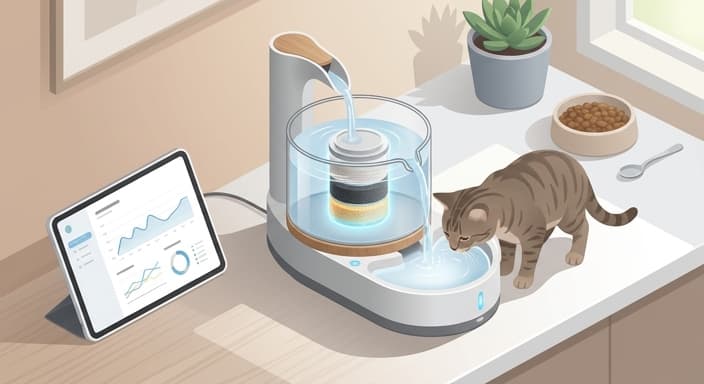
The true power of "smart" hydration lies in the transition from passive observation to active data collection. A standard fountain is an appliance; a smart fountain is a health monitor. By integrating sensors into the water reservoir, these devices can track exactly how many ounces your cat consumes in a 24-hour period. This is a game-changer for the proactive pet parent. If your cat’s drinking habits suddenly drop off or spike, you are alerted via an app long before clinical symptoms like weight loss or lethargy appear.
As a veterinarian, I often tell my clients that the most important diagnostic tool in the home is not a scale or a thermometer, but an awareness of baseline behaviors. When we have objective data—a digital record of exactly how many milliliters of water your cat drank on Tuesday versus Sunday—we can identify subtle deviations that might indicate the onset of hyperthyroidism, diabetes, or early-stage renal insufficiency. Smart fountains bridge the gap between "I think he’s drinking okay" and "I have empirical proof that his hydration is stable."
Enhancing Compliance Through Sensory Appeal
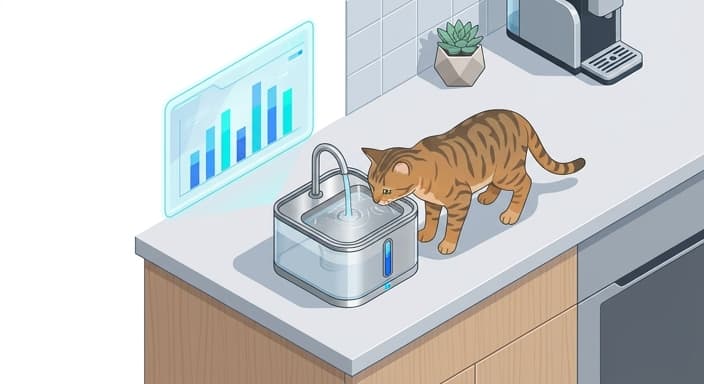
Beyond the data, we must consider the sensory experience of the cat. Cats are fastidious creatures; their whiskers are highly sensitive sensory organs, and the phenomenon of "whisker fatigue"—where a cat feels stress from their whiskers touching the sides of a narrow bowl—is a very real deterrent to hydration. Smart fountains are designed with this in mind, typically offering wide, shallow basins or elevated waterfall streams that allow the cat to drink comfortably without over-stimulating their whiskers.
Furthermore, the filtration systems in high-quality smart fountains serve a dual purpose. They remove the chlorine, heavy metals, and particulate matter that can alter the taste of tap water, which many cats find repulsive. Many smart models also incorporate UV-C sterilization or multi-stage carbon filtration, ensuring that the water is not only moving but is also biologically pristine. When the water tastes like a fresh mountain spring rather than a chemical-laden pool, the cat’s natural aversion to water consumption is significantly reduced.
Identifying the Right Features for Your Feline
Not all smart fountains are created equal, and as a consultant, I caution pet parents to look beyond aesthetic design. When choosing a fountain to support your cat’s health, prioritize these three non-negotiable features:
- Material Safety: Avoid cheap, porous plastics that can harbor biofilm and contribute to feline acne. Opt for medical-grade stainless steel or high-quality ceramic, which are far easier to sanitize and less likely to cause skin irritation.
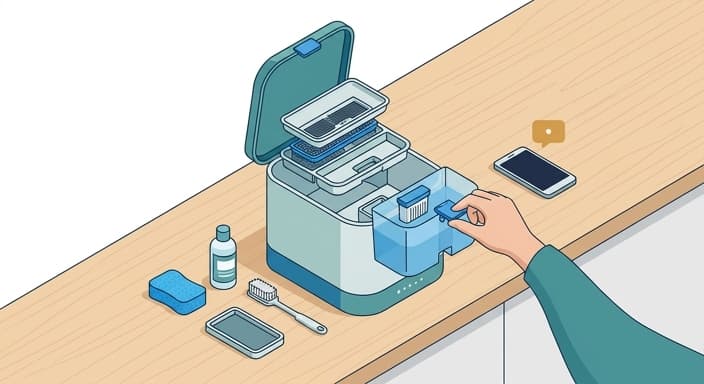
- Ease of Maintenance: If a fountain is difficult to disassemble and clean, you will eventually stop cleaning it as often as you should. Biofilm buildup is the enemy of hydration; choose a model that allows for quick, tool-free disassembly for weekly scrubbing.
- Connectivity and Alerts: Ensure the app interface is intuitive and provides push notifications for low water levels and filter replacements. A "smart" device is only useful if it effectively communicates with you.
Integrating Hydration into a Comprehensive Wellness Plan
It is important to remember that a smart fountain is one piece of a larger wellness puzzle. While it is a massive step forward in preventing dehydration-related conditions, it should be paired with a holistic approach to nutrition. I always advise my clients to combine the use of a smart fountain with a transition to high-moisture wet food whenever possible. The fountain acts as the "safety net," providing the necessary hydration buffer, while the diet provides the primary source of moisture.
Furthermore, keep the fountain in a "stress-free" zone. Even the most advanced fountain will be ignored if it is placed right next to the litter box or in a high-traffic area where the cat feels vulnerable. Cats prefer to drink in quiet, safe locations, ideally away from their food source—a vestigial behavior from their wild ancestors who knew that food kills could contaminate local water supplies. By pairing the right technology with an understanding of feline environmental psychology, you are doing more than just buying a product; you are creating a health-focused sanctuary for your cat.
Conclusion: The Future of Feline Care
Investing in a smart water fountain is an investment in your cat’s longevity. By moving away from the guesswork of the traditional water bowl and embracing the insights provided by modern technology, we can detect health issues earlier, encourage better physiological habits, and ensure our cats remain hydrated and healthy well into their golden years. Remember, the goal of modern pet ownership is not just to extend the life of our companions, but to improve the quality of their daily experience. Through the thoughtful application of smart technology, we can ensure that our cats are not just surviving, but thriving in the comfort of our homes.
Common Questions
🤔
Frequently Asked Questions
What is a smart water fountain and how does it differ from a regular water bowl?▼
A smart water fountain is an automated drinking station that includes a reservoir, pump, filtration, and connected sensors. It not only provides moving water but also logs how much your cat drinks each day. You can review this data in a companion app or dashboard and receive alerts if intake changes. While it still keeps water fresh, the device adds a health-monitoring layer that a traditional bowl cannot provide.
How can smart fountains help detect dehydration or early kidney issues?▼
Because you have a continuous record of daily water intake, you may notice gradual decreases long before clinical signs appear. Early dehydration or reduced kidney function often manifests as changes in drinking patterns rather than obvious symptoms. Alerts from the fountain prompt a veterinary checkup, allowing earlier diagnosis and treatment. The data is a supplementary tool and should be interpreted alongside weight, appetite, and lab results.
What design features maximize a cat's willingness to drink from a fountain?▼
Cats gravitate toward moving, consistently fresh-tasting water, so a gentle, circulating stream helps. Whisker-friendly designs use wide, shallow basins and avoid narrow channels that irritate whiskers. Multiple flow settings and stable, quiet operation reduce stress and encourage longer drinking sessions. High-quality filtration and optional UV sterilization improve taste by removing chlorine and other residues.
What maintenance should be expected, and is it worth the cost?▼
Most smart fountains require regular cleaning and filter replacement to maintain water quality and sensor accuracy. Plan for monthly filter changes and periodic deep cleaning, plus occasional calibration checks for the app. For cats with FLUTD risk or kidney concerns, the potential health benefits of precise hydration tracking can justify the investment. Ultimately, the value comes from consistent hydration, early problem detection, and fewer urinary issues over time.