Blog6/15/2026
Smart GPS Trackers for Pet Safety: Real-Time Location
6 mins Read

The Briefing
Quick takeaways for the curious
GPS trackers shift pet safety from reactive measures to proactive, real-time location tracking that can dramatically shorten search times when a pet escapes.
Geofencing lets you draw a virtual boundary and receive instant alerts if your pet leaves or enters the perimeter, which is especially valuable for escape-prone or prey-driven pets.
Many modern trackers double as health monitors, tracking daily activity, sleep, and even scratching, enabling early detection of issues before they become emergencies.
Reliability matters: prioritize long battery life, adjustable refresh rates, and strong cellular connectivity to ensure you’re always able to locate your pet when it matters.
While microchips remain essential for identification, GPS trackers provide active location data and peace of mind that complements traditional identification.
The sudden realization that your pet has slipped through a gate or bolted during a walk is a heart-stopping moment that every pet parent dreads. As a veterinarian consultant for MofuDaily, I have witnessed the immense relief that technology can provide when "lost" turns into "found" within minutes, transforming a potential tragedy into a manageable hiccup in your day.
The evolution of smart GPS trackers has shifted pet safety from a reactive measure—relying on microchips and physical tags—to a proactive, real-time safety net that keeps you connected to your companion’s location 24/7. While microchips remain the gold standard for identification, they are passive tools that require a scanner. GPS trackers, conversely, act as an active tether, providing peace of mind in an increasingly fast-paced world where a momentary distraction can lead to a long, frantic search.
The Technology Behind the Collar: How GPS Trackers Work
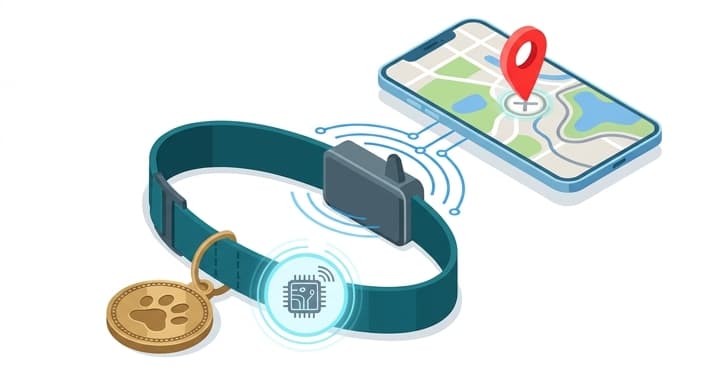
To understand why these devices are revolutionary, we must first distinguish between the various tracking technologies on the market. Most modern pet trackers utilize a combination of GPS (Global Positioning System), cellular networks, and sometimes Bluetooth or Wi-Fi to triangulate your pet’s position. The GPS satellite constellation provides the coordinates, while the cellular network transmits that data to your smartphone in real-time.
When selecting a device, it is vital to understand the difference between "geofencing" and simple tracking. A geofence allows you to draw a virtual perimeter around your home or yard on an app. If your pet wanders beyond this digital boundary, you receive an immediate alert on your phone. This proactive notification system is arguably the most valuable feature for owners of "escape artist" breeds or pets with high prey drives. By the time you realize your dog has slipped their collar or jumped the fence, the device has already alerted you, shaving precious minutes off your response time.
Beyond Location: The Rise of Health-Monitoring Trackers
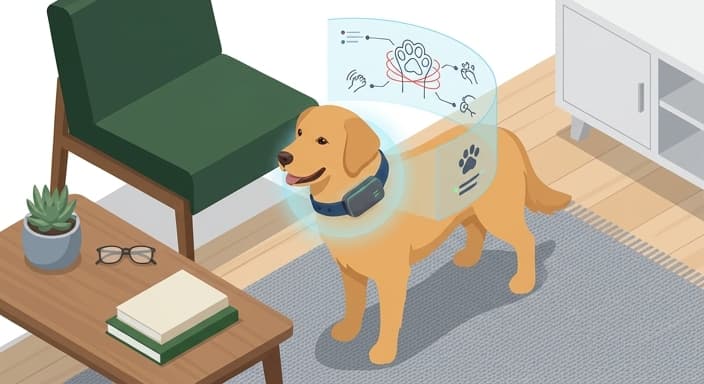
The next generation of smart trackers does more than just show a dot on a map; they act as wearable health monitors. As a vet, I am particularly enthusiastic about the integration of activity and wellness tracking. Many devices now monitor daily steps, active time, and even sleep patterns. By establishing a baseline for your pet’s "normal," these trackers can act as an early warning system for health issues before they become clinical emergencies.
For instance, if your dog suddenly becomes lethargic or spends significantly less time moving throughout the day, the app will notify you of a change in activity levels. This is often the first sign of pain, arthritis, or underlying metabolic issues. Furthermore, scratching and licking behaviors are now being monitored by some advanced trackers, providing data that can help your veterinarian diagnose dermatological conditions or anxiety-related behaviors. We are moving toward a future where our pets’ wearables provide us with the objective data needed to make informed decisions about their long-term health.
Evaluating Reliability: Battery Life, Connectivity, and Durability
Not all trackers are created equal, and as a consultant, I often advise clients to prioritize reliability over bells and whistles. The primary concern is battery life; a tracker is useless if it dies in the middle of a walk. High-quality devices generally offer several days of battery life, but this can vary significantly based on how often the device updates its location. I recommend choosing a device that allows you to adjust the "refresh rate"—using a slower ping rate for daily activity and a high-frequency "live tracking" mode only when an escape occurs.
Connectivity is the second major factor. Because these trackers rely on cellular networks to send data to your phone, you must ensure the device utilizes a network with strong coverage in your specific area. If you live in a rural location with spotty service, a tracker that relies solely on a network with limited coverage will prove frustrating. Additionally, consider the durability of the hardware. For the adventurous dog who loves mud, swimming, and thick brush, an IP67 or IP68 waterproof rating is non-negotiable. Ensure the attachment mechanism is secure enough that it won't be snagged or lost during rough play.
The Integration of Microchips and GPS
There is a common misconception that if a pet is microchipped, they do not need a GPS tracker. This is a dangerous oversight. A microchip is a permanent, passive identification tool that is essential for proving ownership if your pet is found and taken to a shelter or clinic. However, it does nothing to help you find them in the immediate aftermath of an escape.
Think of it this way: the GPS tracker is your tool for rapid retrieval, while the microchip is your safety net for permanent identification. I always advocate for a "layered" approach to pet safety. First, ensure your pet wears a collar with a physical ID tag containing your current phone number. Second, maintain up-to-date microchip registration with your current contact information. Finally, add the GPS tracker as your active monitoring layer. This combination covers every possible scenario, from a dead battery in your tracker to a neighbor finding your pet and checking for a chip.
Training and Acclimatization: Making the Tracker Part of the Routine
Investing in technology is only half the battle; the other half is ensuring your pet is comfortable wearing it. Some trackers can be bulky or heavy, which might be uncomfortable for smaller dogs or cats. Introduce the tracker slowly, allowing your pet to wear it for short periods inside the house while offering positive reinforcement like treats or playtime.
If your pet is sensitive to the weight, look for "lightweight" or "slim" models specifically designed for smaller breeds. It is also important to regularly check the fit of the collar to ensure it hasn't become too tight or too loose, as the added weight of a device can cause a collar to shift. By incorporating the tracker into your daily routine, it becomes a part of the gear your pet expects to wear, much like their leash or harness.
Final Thoughts on Responsible Ownership
Smart GPS trackers represent a significant leap forward in the standard of care we provide our animal companions. By providing real-time data, early health warnings, and the peace of mind that comes with knowing your pet's location, these devices empower us to be more present and responsive stewards of their safety. However, technology should never replace the fundamental pillars of responsible ownership: secure fencing, consistent training, and vigilant supervision. When used as a supplement to these core practices, a smart tracker is one of the most effective tools in your arsenal, ensuring that you can spend less time worrying about the "what-ifs" and more time enjoying the journey with your beloved pet.
Common Questions
🤔
Frequently Asked Questions
How do GPS pet trackers work and how do they differ from microchips?▼
GPS pet trackers combine GPS for location, cellular networks to transmit data to your phone, and often Bluetooth or Wi-Fi for proximity data. They provide real-time location updates and alerts, unlike microchips which are passive identifiers that require someone to scan your pet. Trackers require power and network coverage, and their usefulness depends on battery life and signal strength. Together, trackers and microchips offer layered safety: identification if found and proactive location tracking when your pet is missing.
What is geofencing and why is it valuable for pet safety?▼
Geofencing lets you draw a virtual boundary around a safe area like your home. If your pet crosses the boundary, you receive an immediate notification on your phone. This proactive alert can dramatically reduce the time needed to locate a wandering pet and helps prevent a full-blown search. It’s especially helpful for pets that tend to wander or jump fences.
What should I consider when choosing a GPS tracker for my pet?▼
Key factors include battery life, which determines how often you must recharge; the ability to adjust the refresh rate for continuous live tracking versus periodic updates; and overall durability for outdoor use. Check the coverage and reliability of the cellular network in your area, the app's usability, and whether the device supports geofencing and health monitoring features. Also consider price, data plan costs, and how easy it is to replace or upgrade components.
Can GPS trackers help monitor my pet’s health, and how should I use that data?▼
Yes, many trackers monitor activity levels, sleep, and sometimes scratching or other behaviors. This data helps establish a baseline for what’s normal and can alert you to changes that may indicate pain, illness, or anxiety. Use the data in collaboration with your veterinarian to inform care decisions, rather than relying on it as a diagnostic tool. Make sure you review privacy and data sharing settings to protect your pet’s information.