Blog6/15/2026
Personalized Nutrition Plans for Senior Pets: Tailored Wellness
6 mins Read
The Briefing
Quick takeaways for the curious
Senior pet nutrition should shift from 'less food' to precision nutrition tailored to metabolic changes, using diagnostics and body condition scoring to guide decisions.
Aging alters metabolism and digestive efficiency, making high-quality, highly digestible proteins and muscle-sparing strategies essential rather than blanket calorie restriction.
The aging gut microbiome can reduce nutrient absorption, so personalized plans often include probiotics, prebiotics, and bioavailable ingredients to maximize nutrition.
Clinical diagnostics and body condition scoring establish a baseline that informs diet choices, such as phosphorus restriction for CKD or omega-3 enrichment for inflammatory conditions.
Diet can act as medicine for senior pets, with targeted nutraceuticals like MCTs for cognitive support and joint-support blends; delivery method and palatability influence real-world effectiveness.
The golden years of a pet’s life are not merely a time for slowing down; they are a profound period of physiological transition that demands a shift from "maintenance" to "precision" care. As a veterinarian consultant for MofuDaily, I see firsthand that the nutritional needs of a senior dog or cat are as unique as their individual medical histories, requiring a departure from one-size-fits-all kibble toward highly personalized, science-backed dietary strategies.
We are moving away from the outdated notion that senior pets simply need "less food" to avoid obesity, and toward a nuanced understanding of "metabolic optimization." Aging is a complex process characterized by changes in digestive efficiency, muscle mass maintenance, and the inflammatory markers that drive chronic diseases like arthritis and cognitive decline. By integrating clinical diagnostics—such as blood panels and body condition scoring—with personalized nutrition, we can empower pet parents to serve as the architects of their pets’ longevity, ensuring that every meal serves as a targeted intervention for health and vitality.
The Metabolic Shift: Why Senior Nutrition is Different
When a pet reaches their "senior" milestone—typically around age seven, depending on breed and size—their metabolism undergoes a quiet but significant transformation. The ability to digest and absorb nutrients often declines, and the body’s requirement for high-quality, bioavailable proteins becomes paramount. Many commercial senior diets are formulated with lower protein levels to protect kidneys, but recent veterinary research suggests this may inadvertently contribute to sarcopenia, or age-related muscle wasting.
Instead of blanket restrictions, we must look at the quality of the intake. Senior pets require highly digestible proteins that provide a complete amino acid profile to support cardiac function and muscle retention. Furthermore, the gut microbiome changes as pets age, often leading to reduced nutrient absorption. Personalized plans take this into account by incorporating probiotics, prebiotics, and highly bioavailable ingredients that are gentle on the digestive tract while maximizing the nutritional yield of every bite.
Clinical Diagnostics: The Foundation of a Custom Diet
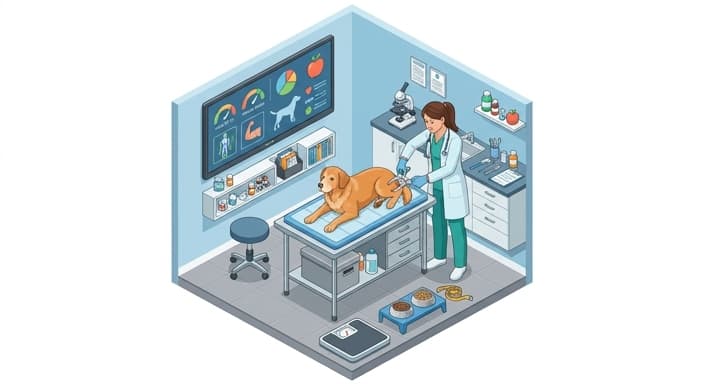
Before changing your pet’s dinner, we must establish a baseline. A "personalized" plan is not just about choosing a premium bag of food; it is about evidence-based nutrition. This starts with a comprehensive senior blood panel that evaluates kidney values, liver enzymes, and thyroid function. For instance, a cat with early-stage chronic kidney disease requires a restricted phosphorus intake, while a dog with osteoarthritis might benefit from a diet enriched with high levels of Omega-3 fatty acids, specifically EPA and DHA, to manage inflammation at the source.
Body Condition Scoring (BCS) is another non-negotiable tool. We don’t just look at a number on a scale; we assess muscle mass and fat distribution. A pet can be at their "ideal weight" but still suffer from significant muscle atrophy. By identifying these specific physical deficits, we can tailor caloric density and protein ratios to ensure your companion is maintaining lean body mass rather than just "staying thin."
Managing Chronic Conditions Through Targeted Nutrients
One of the most rewarding aspects of my role as a veterinarian is witnessing how diet can serve as medicine. For senior pets, we look at nutraceuticals and functional ingredients that address the "wear and tear" of aging. For example, if your pet is showing signs of cognitive dysfunction—a common issue in aging dogs—we might integrate medium-chain triglycerides (MCTs) into their diet. MCTs provide an alternative energy source for the brain, which can lead to increased alertness and improved sleep-wake cycles.
For joint health, the integration of glucosamine, chondroitin, and green-lipped mussel extract is standard, but the delivery method matters. In a personalized plan, we ensure these supplements are provided in therapeutic doses that are often higher than what is found in standard "joint support" kibbles. By bypassing the limitations of "all-in-one" products and focusing on high-potency, targeted supplementation, we can often reduce the reliance on systemic pain medications, thereby minimizing the side effects that come with long-term pharmaceutical use.
The Role of Hydration and Food Texture
As pets age, their thirst drive often diminishes, and dental issues—such as periodontal disease or tooth resorption—can make chewing hard kibble painful. Dehydration is a silent killer in senior pets, exacerbating kidney strain and constipation. A personalized nutrition plan frequently involves a transition to, or a combination of, wet and dry foods to boost daily water intake.
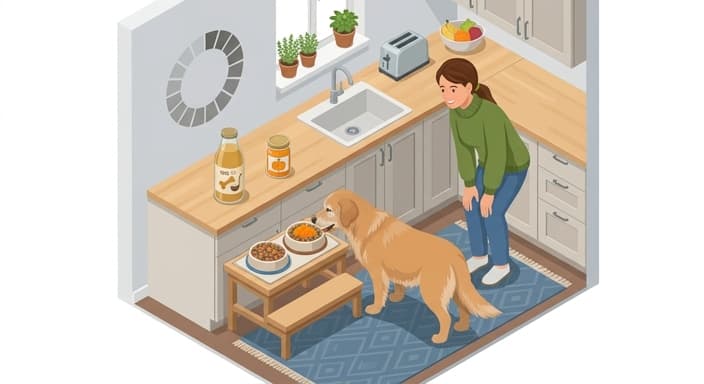
If your pet has dental pain, a therapeutic wet diet is often the most compassionate choice. We can also incorporate moisture-rich "toppers" like bone broth (ensuring it is free of onion and garlic) or pureed pumpkin to aid digestion and hydration simultaneously. By observing your pet’s eating behavior—are they dropping food? Are they hesitant to approach the bowl?—we can modify the physical form of their meals to ensure they are getting the calories they need without the physical discomfort that discourages eating.
Implementing a Personalized Plan at Home
Transitioning a senior pet to a new dietary regimen requires patience. Their digestive systems are more sensitive to change than those of younger pets. Always implement a "slow transition" strategy over 7 to 10 days, gradually mixing the new, personalized diet with the old to prevent gastrointestinal upset. Monitor their stool quality, energy levels, and coat condition during this period.
It is also vital to track your pet's "palatability index." A diet is only as good as what the pet will actually eat. If your senior pet is picky, we focus on aromatic, nutrient-dense options. Sometimes, warming the food slightly can release the natural aromas of the proteins, making the meal more enticing for a pet with a fading sense of smell. Keep a nutrition journal to record any changes in their daily habits, as this data will be invaluable during your next veterinary check-up.
The Architect of Longevity: Your Role as the Caretaker
Ultimately, a personalized nutrition plan is an evolving conversation between you, your pet, and your veterinarian. As your pet navigates their later years, their needs will shift, and their diet should be nimble enough to pivot with them. By moving away from generic senior formulas and embracing a strategy based on diagnostics and individual physiological requirements, you are doing more than just feeding your pet—you are providing them with the highest quality of life possible.
The goal of senior nutrition is not to reverse aging, but to optimize the time we have left together. Every meal is a chance to support a heart that has loved us unconditionally, joints that have walked miles by our side, and a mind that remains a vital part of our family. By becoming an active participant in your pet's nutritional journey, you ensure that their golden years are characterized by comfort, dignity, and the enduring vitality they deserve.
Common Questions
🤔
Frequently Asked Questions
What makes a senior pet nutrition plan 'personalized' rather than generic?▼
A personalized plan starts with an evidence-based assessment, including a senior blood panel to evaluate kidney, liver, and thyroid function, and a Body Condition Score to gauge muscle mass and fat distribution. It tailors protein quantity and quality, caloric density, and nutrient ratios to the individual’s physiology and medical history. The plan then uses ongoing monitoring to adjust dietary components as the pet’s needs evolve, rather than applying a one-size-fits-all solution.
Why is protein quality important for senior pets, and how does it affect muscle mass?▼
Senior pets benefit from highly digestible proteins with complete amino acid profiles to support heart and muscle function during aging. Inadequate high-quality protein can contribute to sarcopenia, even if weight is maintained, because lean mass may decline. Focusing on protein quality helps preserve lean body mass and metabolic health while supporting recovery and activity.
How do clinicians use blood panels and BCS to tailor diets for chronic conditions like CKD or osteoarthritis?▼
Blood panels reveal organ function and disease markers that guide dietary choices, such as restricting phosphorus for cats with early kidney disease or adjusting fat and omega-3 content for inflammatory conditions. Body Condition Scoring helps ensure calories and protein are balanced to maintain muscle without excessive fat gain. Together, these tools create a diet that targets disease processes while preserving quality of life.
What role do nutraceuticals and specific nutrients play in aging pets, and how should they be delivered?▼
Nutraceuticals and functional ingredients support aging processes by addressing cognitive decline, joint health, and inflammation. For example, MCTs can provide brain energy for cognitive function, and omega-3 fatty acids (EPA and DHA) help manage inflammation. Supplements like glucosamine, chondroitin, and green-lipped mussel extract are commonly used for joints, but timely and palatable delivery through veterinarian-guided plans improves adherence and effectiveness.