Blog6/14/2026
Personalized Nutrition Plans for Senior Pets: Precision Care
6 mins Read
The Briefing
Quick takeaways for the curious
Senior nutrition should move from a one-size-fits-all approach to precision feeding guided by clinical diagnostics and the individual pet's health history.
To preserve lean body mass, prioritize high-quality protein and key amino acids, and choose fats that are easy to digest, such as Omega-3 rich sources.
A thorough nutritional baseline, including blood work, body condition scores, kidney and liver markers, thyroid status, and blood pressure, places the diet on a data-driven track.
Managing inflammation and cognitive health with targeted nutrients like EPA and DHA can reduce stiffness, improve energy, and support mental acuity in aging pets.
Ultimately, treating each senior pet as a biological individual empowers owners to tailor meals for longevity, vitality, and quality of life.
The golden years of a pet’s life are not merely a time for slowing down; they are a profound period of physiological transition that demands a shift from "maintenance" to "precision" care. As a veterinarian consultant for MofuDaily, I see firsthand that the nutritional needs of a senior dog or cat are as unique as their individual medical histories, requiring a departure from one-size-fits-all kibble toward highly personalized, science-backed dietary strategies.
We are moving away from the outdated notion that senior pets simply need "less food" to avoid obesity, and toward a nuanced understanding of "metabolic optimization." Aging is a complex process characterized by changes in digestive efficiency, muscle mass maintenance, and the inflammatory markers that drive chronic diseases like arthritis and cognitive decline. By integrating clinical diagnostics—such as blood panels and body condition scoring—with personalized nutrition, we can empower pet parents to serve as the architects of their pets’ longevity, ensuring that every meal serves as a targeted intervention for health and vitality.
The Metabolic Shift: Why Senior Nutrition is Different
When a pet reaches their "senior" milestone—typically around age seven, depending on breed and size—their metabolism undergoes a quiet but significant transformation. The ability to digest and absorb nutrients often declines, and the body’s requirement for high-quality, bioavailable proteins becomes paramount. Many commercial senior diets are formulated with lower protein levels to protect kidney function in already compromised pets; however, for the healthy senior, this can inadvertently lead to sarcopenia, the age-related loss of muscle mass.
Muscle is the body’s metabolic engine. When a pet loses muscle, they lose the ability to regulate blood glucose, stabilize joints, and maintain an active immune system. Instead of simply restricting calories, we must focus on protein quality—incorporating amino acids like leucine and methionine—to preserve lean body mass while ensuring that fats are easily digestible, such as those rich in Omega-3 fatty acids. This phase of life requires a delicate balance: providing enough energy to prevent frailty without overloading an aging system with unnecessary additives or inflammatory fillers.
Clinical Diagnostics: The Foundation of Precision Feeding
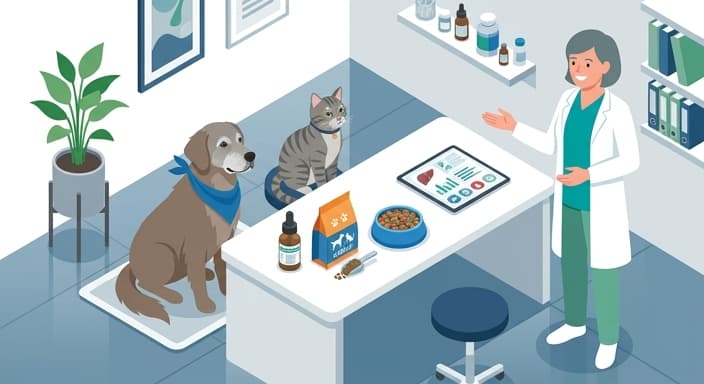
Personalized nutrition is not a guessing game; it is an evidence-based practice. Before transitioning your senior pet to a new dietary regimen, we must start with a "nutritional baseline." This involves more than just a weigh-in. At MofuDaily, I always encourage pet parents to advocate for a comprehensive senior blood panel, which includes organ function tests (kidney and liver markers), a complete blood count (CBC), and, crucially, a thyroid screening for cats and a blood pressure check for dogs.
Body Condition Scoring (BCS) and Muscle Condition Scoring (MCS) are the two most important tools in our arsenal. A pet can be at an "ideal weight" on the scale but have an poor Muscle Condition Score, indicating they are losing vital tissue. If your pet has a low MCS, we may need to increase the caloric density of their food or introduce supplements that support protein synthesis. If a blood panel reveals early-stage kidney stress, we shift to a phosphorus-restricted diet to slow disease progression. By using these diagnostics, we move from "feeding a senior" to "treating a biological individual."
Targeting Inflammation and Cognitive Health
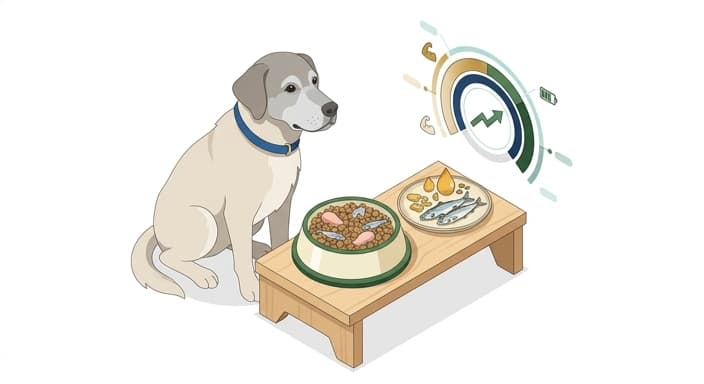
One of the most rewarding aspects of my work is seeing the "senior spark" return to a pet’s eyes through dietary intervention. Chronic inflammation is the silent thief of vitality in aging animals, manifesting as stiffness, lethargy, and even "canine cognitive dysfunction" or feline dementia. Nutrition serves as a potent anti-inflammatory tool. Diets enriched with EPA and DHA (Omega-3 fatty acids sourced from high-quality fish oil) are non-negotiable for senior pets. These fatty acids act as natural anti-inflammatories, lubricating stiff joints and supporting brain health by reducing neuro-inflammation.
Furthermore, we are seeing incredible results with antioxidants like Vitamin E, Vitamin C, L-carnitine, and botanical extracts such as turmeric (curcumin) or green tea extract. These compounds help combat oxidative stress—the cellular "rust" that accumulates over a lifetime. When we tailor a plan to include these specific micronutrients, we aren't just filling a bowl; we are providing the raw materials for cellular repair, helping to keep our seniors’ minds sharp and their bodies moving with comfort.
The Role of Hydration and Digestibility
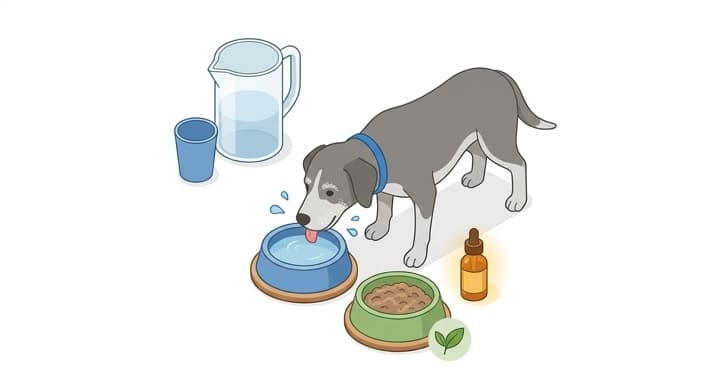
As pets age, their thirst drive can diminish, and their kidneys become less efficient at concentrating urine. Dehydration is a common, often overlooked issue in senior cats and dogs, which exacerbates constipation and kidney strain. Personalized nutrition must account for water intake. For many seniors, shifting toward wet food or adding moisture-rich toppers—like bone broth or warm water—is a simple, high-impact change.
Digestibility is equally critical. Aging pets often have lower levels of digestive enzymes. If you find your senior pet having frequent gas, loose stools, or "undigested" bits in their waste, their current diet may be too complex. We often recommend diets with single-source proteins or hydrolyzed proteins that are easier on the gastrointestinal tract. Probiotics and prebiotics can also be integrated into the personalized plan to maintain a healthy microbiome, which is now understood to be the cornerstone of a strong immune system. By easing the burden on the digestive system, we allow the body to dedicate its limited energy to healing and maintenance rather than digestion.
Partnering with Your Veterinarian for a Long-Term Plan
Personalized nutrition is a dynamic, not static, process. A plan that works for your pet at age seven may need to be adjusted at age ten. I recommend a "nutritional audit" every six months for senior pets. During these check-ups, we should be asking: Has the activity level changed? Is there a new medication that might interact with dietary supplements? Are there visible signs of dental pain that make chewing kibble difficult?
Do not be afraid to ask for a referral to a board-certified veterinary nutritionist if your pet has complex needs, such as a history of urinary stones, heart disease, or diabetes. These specialists can formulate home-cooked diets or identify therapeutic commercial options that a general practice veterinarian might not be as familiar with. Remember, you are the primary observer of your pet’s behavior. If you notice a change in their appetite, energy, or coat quality, bring that data to your vet. You are the architect of their health, and your observations are the blueprint for their care.
In conclusion, the goal of personalized nutrition for senior pets is to maximize their "healthspan"—the number of years they spend not just alive, but thriving. By moving away from generic senior kibble and toward a strategy defined by bloodwork, muscle condition, and targeted supplementation, we can significantly improve our companions' comfort and quality of life. Embrace the transition to precision care, observe your pet closely, and work hand-in-hand with your veterinary team to ensure their golden years are as vibrant and joyful as the years that came before.
Common Questions
🤔
Frequently Asked Questions
What is the nutritional baseline for senior pets, and how is it established?▼
A nutritional baseline is established through comprehensive diagnostics that go beyond a scale weight. It typically includes senior blood panels (kidney and liver markers), a CBC, thyroid screening for cats, and a blood pressure check for dogs. Body Condition Score and Muscle Condition Score help assess tissue health and guide dietary adjustments. These findings inform a personalized feeding plan rather than a generic senior diet.
How should I adjust my senior pet's diet if kidney function is a concern?▼
Kidney concerns often require phosphorus-restricted diets to slow progression. We also focus on protein quality, ensuring adequate but not excessive intake. Additionally, we adjust energy density to prevent weight loss or gain.
Why is muscle mass important in aging pets, and how can nutrition help?▼
Muscle mass influences metabolic rate, glucose regulation, joint health, and immune function. Preserving lean mass relies on high quality protein and essential amino acids like leucine and methionine. Diets may also include targeted strategies such as increased caloric density or specialized supplements if muscle condition is low.
How can I implement precision feeding at home?▼
Work with a veterinarian to establish a baseline and choose a nutritionally balanced, high quality diet. Monitor weight, body condition, and activity, and schedule periodic rechecks. Adjust feeding amounts as the pet ages and as their needs change.