Blog6/2/2026
Proactive Gut Health Supplements for Dogs: Microbiome Stewardship
7 mins Read
The Briefing
Quick takeaways for the curious
Gut health is not just stool quality; it is the gut barrier and immune defense that connects a dog to its external environment.
Traditional bland diets may firm stools but can starve beneficial microbes by lacking fermentable fibers and microbial diversity.
Synbiotics—the pairing of probiotics with prebiotics—improve bacterial colonization and support short-chain fatty acid production that nourishes the gut lining.
Proactive gut health is a long-term practice of microbiome stewardship rather than a reactive remedy for diarrhea.
Subtle systemic signs such as coat quality, energy level, and skin health can reflect gut dysbiosis and warrant proactive evaluation.
There is a pervasive misconception among many pet owners that gut health is merely a matter of stool consistency, often overlooking the biological reality that the canine gastrointestinal tract acts as the primary interface between a pet’s internal physiology and the external environment. As a veterinarian consultant, I frequently see owners who dismiss chronic gas, intermittent loose stools, or dull coats as "normal" quirks of their pet’s constitution, failing to realize that these clinical manifestations are often the direct result of a compromised gut barrier—a vital ecosystem that has been weakened by the sterile nature of ultra-processed diets and the cumulative oxidative stress of modern domestic life.
We are moving away from the outdated notion that gut health supplements are simply "digestive aids" to be used only during a bout of diarrhea, and toward a comprehensive understanding of "microbiome stewardship," where proactive supplementation serves as the cornerstone of systemic immune defense and metabolic efficiency. True vitality for a companion animal is not just about the absence of gastrointestinal distress; it is about recognizing that their ancestral physiology is designed to thrive on a complex, diverse population of commensal bacteria, and that actively cultivating this internal environment is one of the most impactful ways to align our daily care practices with the evolutionary needs of our pets.
The Microbiome Fallacy: Why "Sterile" Digestion is a Modern Myth
The most dangerous myth in canine nutrition is the idea that a "bland" or highly processed diet is the safest way to maintain a dog’s stomach. While these diets may produce firm stools, they often starve the gut of the fermentable fibers and diverse microbial inputs that dogs evolved to process. In the wild, canines were opportunistic scavengers, consuming not just muscle meat, but internal organs, bone marrow, and plant matter—all of which provided a rich tapestry of prebiotics and enzymes that trained the immune system.
When we feed a diet that lacks this diversity, we inadvertently create an environment where pathogenic bacteria can outcompete the beneficial ones. Proactive gut health is not just about adding a supplement; it is about providing the "fuel" (prebiotics) and the "workers" (probiotics) necessary to maintain a robust intestinal lining. When the gut barrier is healthy, it prevents "leaky gut," a condition where undigested food particles and toxins leak into the bloodstream, triggering chronic systemic inflammation, allergies, and fatigue.
The Power of Synbiotics: Bridging the Gap Between Probiotics and Prebiotics
Many owners make the mistake of purchasing a generic, single-strain probiotic and expecting miraculous results. However, modern veterinary science emphasizes the importance of synbiotics—the strategic pairing of probiotics (live beneficial bacteria) with prebiotics (the non-digestible fibers that feed those bacteria). Without the prebiotic "fertilizer," the probiotic supplement is often like trying to plant a garden in the middle of a desert; the bacteria simply cannot establish a foothold in the complex, acidic environment of the canine gut.
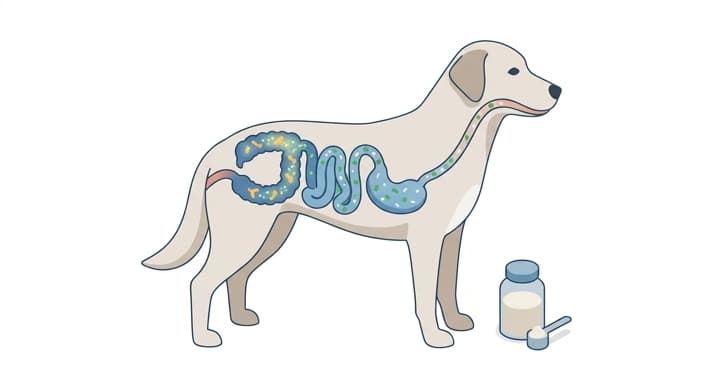
A high-quality proactive supplement should contain a diverse array of Lactobacillus, Bifidobacterium, and Enterococcus strains, paired with fibers like inulin or Fructooligosaccharides (FOS). These prebiotics pass through the small intestine largely undigested, reaching the colon where they are fermented by healthy bacteria into short-chain fatty acids (SCFAs) like butyrate. Butyrate is the primary energy source for the cells lining the colon, and it is essential for reducing inflammation and maintaining the structural integrity of the gut wall.
Recognizing the Invisible Signs of Gut Imbalance
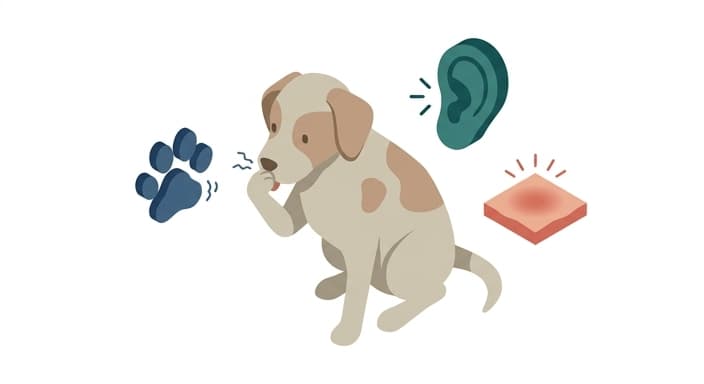
While owners are quick to notice diarrhea, they often miss the subtle, systemic cues that a dog’s gut health is failing. Chronic gut dysbiosis frequently manifests in ways that seem unrelated to the digestive tract. If your dog suffers from persistent paw licking, reoccurring ear infections, or unexplained skin rashes, you are likely looking at a "gut-skin axis" issue. The immune system is heavily concentrated in the gut; when the microbiome is unbalanced, the immune system becomes hyper-reactive, leading to the itchy, inflamed skin we see in so many allergic dogs.
Furthermore, we cannot ignore the "gut-brain axis." Serotonin, the neurotransmitter responsible for mood regulation and stress management, is largely produced in the intestines. A dog with an unhealthy gut is biologically predisposed to higher levels of anxiety, restlessness, and reactivity. When we support the gut, we are not just helping them digest their dinner; we are actively supporting their nervous system and their ability to handle the stresses of their environment.
Strategic Supplementation: What to Look for on the Label
Navigating the supplement aisle can be overwhelming, but as a veterinarian, I recommend prioritizing transparency and "clinical relevance." When evaluating a product, look for products that specify the exact CFU (colony-forming units) count at the time of expiration, not the time of manufacture. Probiotics are living organisms; if they are not stored correctly or if the packaging doesn't protect them from light and moisture, they will be dead long before they reach your pet's bowl.
Additionally, seek out supplements that incorporate digestive enzymes, such as amylase, protease, and lipase. These enzymes assist in the breakdown of complex macronutrients, reducing the workload on the pancreas and ensuring that the nutrients in your dog's food are actually being absorbed rather than fermented into gas. A well-formulated gut health protocol should be viewed as a daily "insurance policy" against the stressors of modern life, just as you would provide a joint supplement to prevent future mobility issues.
Implementing a Proactive Protocol for Life-Long Vitality
Transitioning to a proactive gut health protocol should be a gradual, intentional process. If your dog has a sensitive system, start with a lower dose of a high-quality synbiotic and monitor their stool quality for 7 to 10 days. During this time, look for changes not just in digestion, but in their energy levels, the luster of their coat, and their overall demeanor. Often, the most profound changes occur in the "invisible" markers—a brighter eye, a more consistent appetite, and a calmer response to environmental triggers.
It is also vital to understand that supplements are not a replacement for a species-appropriate diet. If you are feeding a diet laden with artificial preservatives, fillers, and excessive carbohydrates, no amount of supplementation will fully compensate for the biological mismatch. Proactive gut health is a partnership between the quality of the food you put in the bowl and the strategic, science-backed support you provide to ensure that food is effectively utilized by the body.
The Role of Consistency in Microbiome Stewardship
The final piece of the puzzle is consistency. The canine microbiome is highly responsive to change, and the benefits of supplementation are cumulative. Many owners stop the supplement once their dog’s stool looks "normal," only to find that the symptoms return weeks later. This is because the microbiome is constantly being challenged by diet, stress, and environmental exposure. Think of the gut like a garden; if you stop watering it, the weeds (pathogenic bacteria) will quickly take over.
By choosing to view gut health as a foundational pillar of longevity, you are taking a proactive stance against many of the chronic diseases that plague our pets today. We want our dogs to not just survive, but to thrive—to have the energy to run, the immunity to resist disease, and the metabolic efficiency to enjoy a long, vibrant life. As a veterinarian, I can say with certainty that there is no greater gift you can give your companion than a healthy, resilient gut, as it truly is the engine of their entire physical and emotional well-being.
In conclusion, prioritizing your dog’s gut health is perhaps the most significant shift you can make in your approach to their wellness. By moving away from reactive "quick fixes" and embracing a philosophy of microbiome stewardship, you provide your pet with the biological tools they need to navigate the modern world. Whether it is through the strategic use of synbiotics, the inclusion of digestive enzymes, or simply a commitment to a higher standard of daily nutrition, your efforts will pay dividends in your pet’s vitality for years to come. Remember, the journey to health begins in the gut, and it is a journey best taken with a proactive, science-forward mindset.
Common Questions
🤔
Frequently Asked Questions
What is microbiome stewardship and why does it matter for dogs?▼
Microbiome stewardship treats the gut as a living ecosystem that supports immune function and metabolic health. It emphasizes ongoing care through balanced diet, targeted prebiotics and probiotics, and avoidance of chronic ultra-processed foods that disrupt microbial diversity. By maintaining a healthy gut barrier, dogs are less prone to systemic inflammation and allergies. This proactive approach aligns daily care with canine evolutionary needs.
How are synbiotics different from probiotics alone, and what should I look for in a product?▼
Synbiotics combine live beneficial bacteria with prebiotic fibers that feed them, helping the probiotic strains establish in the gut. Look for products with multiple strains from Lactobacillus, Bifidobacterium, and Enterococcus, paired with prebiotics like inulin or FOS. Check that the product has quality controls, veterinary backing, and clear labeling of CFU counts and strains. Always discuss supplementation with your veterinarian before starting a new product.
What signs should prompt me to evaluate my dog’s gut health beyond diarrhea?▼
Beyond loose stools, watch for chronic flatulence, intermittent digestive irregularities, dull coat, low energy, or skin issues that persist. These signals may reflect dysbiosis or a leaky gut, indicating the need for a more comprehensive assessment. Early consultation with a veterinarian can help tailor a proactive plan that includes diet, prebiotics, and probiotics optimized for the individual dog.
Do diet changes alone fix gut health, or are supplements essential?▼
Diet diversity and limiting ultra-processed foods are foundational, but most dogs benefit from targeted supplementation to support the microbiome and gut barrier. Probiotics and prebiotics work best together (synbiotics) to enhance colonization and SCFA production. A proactive plan should be developed with a veterinarian, considering the dog’s age, breed, health status, and lifestyle.