Blog5/29/2026
Microbiome Testing for Personalized Pet Nutrition Today
6 mins Read
The Briefing
Quick takeaways for the curious
Microbiome testing shifts pet nutrition from a one-size-fits-all approach to personalized plans based on each pet's gut microbial fingerprint.
The gut microbiome acts as a metabolic organ that influences nutrient absorption, immune training, and gut-brain signaling, affecting overall health beyond calories.
Relying solely on complete and balanced labels ignores individual microbial imbalances (dysbiosis) that can cause inflammation or poor nutrient utilization.
Microbiome testing uses DNA sequencing (16S rRNA) to generate a microbial profile and the Dysbiosis Index to guide targeted probiotics and prebiotics.
Implementing microbiome-informed nutrition transforms a reactive treatment approach into proactive, precision dietary strategies tailored to the pet's biology.
There is a pervasive misconception among many pet owners that nutrition is a "one-size-fits-all" equation, where a generic bag of kibble provides the same level of wellness to every animal regardless of their unique internal biology. As a veterinarian consultant, I frequently see owners who struggle with their pet’s chronic skin issues, intermittent digestive upset, or unexplained lethargy, only to rotate through countless brands without ever addressing the root cause: the invisible, thriving, or struggling ecosystem residing within their pet’s gut.
We are moving away from the outdated notion that pet health is determined solely by caloric intake and macronutrient percentages, and toward a sophisticated understanding of the "microbiome-nutrition axis," where personalized testing serves as the cornerstone of preventative, precision medicine. True vitality for a companion animal is not just about filling a bowl; it is about recognizing that every dog and cat is a host to a unique microbial fingerprint that dictates how they process nutrients, fight off pathogens, and maintain systemic immunity. By leveraging modern microbiome testing, we can finally stop guessing and start nourishing our pets with the specific precision their bodies have been signaling for all along.
The Microbial Fallacy: Why "Complete and Balanced" is Not Enough
The most dangerous myth in modern pet nutrition is that a food labeled "complete and balanced" is inherently optimal for every individual animal. While these formulas meet the absolute minimum requirements set by AAFCO, they fail to account for the massive variability in the canine and feline gut microbiome. A dog with a robust population of Lactobacillus may thrive on a specific fiber source, while a dog with a microbial imbalance—known as dysbiosis—might experience chronic inflammation from that exact same ingredient.
When we rely on broad, standardized diets, we ignore the fact that the gut microbiome acts as a metabolic organ. It breaks down complex fibers, synthesizes B vitamins, regulates the gut-brain axis, and trains the immune system to distinguish between harmless food proteins and dangerous invaders. When the microbial community is out of balance, even the most expensive, high-quality food can lead to poor nutrient absorption and chronic low-grade inflammation. Microbiome testing allows us to peer into this internal ecosystem, identifying exactly which bacterial strains are present and, more importantly, which ones are missing or overrepresented. It is the difference between blindly guessing at a health strategy and using a roadmap tailored specifically to your pet's biological signature.
Deciphering the Gut: How Microbiome Testing Works
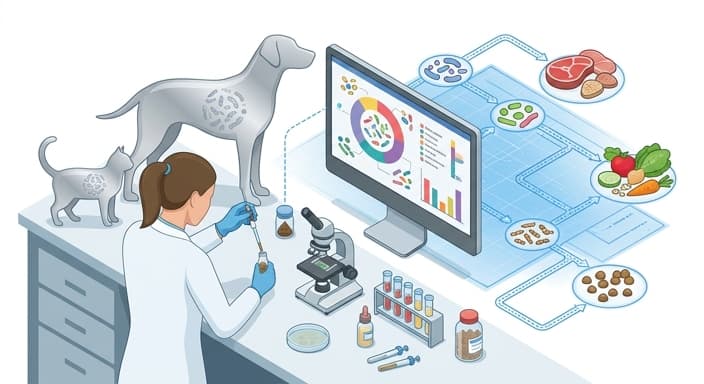
At its core, a microbiome test is a genetic snapshot of your pet’s gut health. By analyzing a small stool sample, laboratories use advanced DNA sequencing—specifically 16S rRNA gene sequencing—to identify the vast array of bacteria, fungi, and archaea living in the digestive tract. This process provides a detailed "microbial profile" that measures diversity, the presence of beneficial commensal bacteria, and the potential markers for opportunistic pathogens that shouldn't be flourishing in a healthy system.
As a veterinarian, the data I find most valuable in these reports isn’t just the presence of "bad" bacteria, but the "Dysbiosis Index." This score helps us understand the severity of an imbalance. For example, if a dog is experiencing recurring diarrhea, a microbiome test might reveal a massive depletion of Faecalibacterium prausnitzii, a key bacterium responsible for producing butyrate—a short-chain fatty acid that keeps the colon lining healthy and strong. Knowing this allows us to move beyond simple anti-diarrheal medications and implement targeted probiotic strains and specific prebiotics that feed that exact missing population. It transforms the way we approach nutrition from a reactive state to a proactive, bio-individual strategy.
Targeted Nutrition: Transitioning from Guesswork to Precision
Once we have the data from a microbiome test, the "personalized" part of pet nutrition finally becomes a reality. This isn’t just about choosing a "sensitive stomach" formula off the shelf; it is about selecting specific functional ingredients that act as fuel for the beneficial bacteria your pet currently lacks. If a test indicates that your cat’s gut lacks the microbial diversity needed to properly metabolize certain proteins, we can adjust the protein source or introduce specific fiber types—like psyllium husk or inulin—that act as "fertilizer" for the beneficial bacteria we want to encourage.
This precision approach is particularly transformative for pets with "leaky gut" syndrome or chronic allergies. Often, when the gut barrier is compromised, undigested food particles leak into the bloodstream, triggering an immune response that manifests as itchy skin or ear infections. By using microbiome testing to identify which bacterial metabolites are currently missing or elevated, we can create a dietary plan that effectively "seals" the gut lining. This might include adding specific omega-3 fatty acids, adjusting the ratio of soluble to insoluble fibers, or rotating novel proteins that are easier for that specific pet’s current microbial community to digest.

The Future of Veterinary Care: Why We Need Proactive Data
The traditional veterinary model is often limited by a "wait and see" approach, where we don't intervene until a pet shows clinical signs of distress. However, microbiome testing allows us to see the shift toward disease long before the pet stops eating or shows signs of discomfort. A declining microbiome diversity score is often the first indicator of systemic stress, whether it be from environmental toxins, aging, or dietary inadequacies.
By conducting microbiome tests annually or semi-annually, we can create a longitudinal health record for our pets. This allows us to see how a change in diet, the introduction of a new environment, or even a stressful life event (like a move or a new household addition) impacts their gut health. We can adjust their nutrition in real-time, preventing the "hidden" inflammation that leads to chronic conditions like inflammatory bowel disease (IBD), diabetes, and even certain types of cancer. Proactive microbiome management is not about chasing trends; it is about respecting the complex, microscopic ecology that dictates the long-term longevity and vitality of our pets.
Practical Tips for Integrating Microbiome Health into Your Routine
If you are interested in optimizing your pet's nutrition through microbiome testing, the process is straightforward but requires commitment. Start by discussing the option with your veterinarian. Even if they are not familiar with the specific kits available, they can help you interpret the results and ensure that any dietary changes are safe for your pet’s specific health history.
When selecting a test, look for companies that provide not just a list of bacteria, but actionable clinical insights and clear visualizations of the "Dysbiosis Index." Once you have your results, implement changes slowly. The gut microbiome is a delicate ecosystem; sudden shifts in diet can cause temporary "die-off" symptoms or digestive upset. Introduce new fibers or supplements one at a time, and monitor your pet’s stool quality, energy levels, and coat health for at least 3–4 weeks before making further adjustments. Finally, remember that nutrition is a holistic endeavor. A healthy microbiome is supported by clean water, regular exercise, and minimal exposure to unnecessary environmental chemicals, all of which work in tandem with the personalized dietary plan you have created based on your pet’s unique biological data.
In conclusion, the era of generalized, one-size-fits-all pet nutrition is coming to a close. By embracing microbiome testing, we are finally giving our pets the precision care they deserve, acknowledging that their health starts deep within the gut. When we align our feeding practices with the specific biological needs of our dogs and cats, we unlock a level of vitality that transcends mere survival, allowing them to thrive with the energy, resilience, and longevity that every pet owner hopes for. Investing in the health of your pet’s microbiome is quite possibly the most significant gift you can offer for their long-term well-being.
Common Questions
🤔
Frequently Asked Questions
What is microbiome testing and how does it work?▼
Microbiome testing is a genetic snapshot of your pet's gut health. By analyzing a small stool sample, laboratories use DNA sequencing, specifically 16S rRNA gene sequencing, to identify the bacteria, fungi, and archaea living in the digestive tract. This yields a detailed microbial profile that measures diversity, the presence of beneficial commensal bacteria, and the potential markers for opportunistic pathogens that shouldn't be flourishing in a healthy system. The Dysbiosis Index is a key part of the report, helping gauge the severity of imbalance and guiding targeted interventions.
Why isn't complete and balanced sufficient for every pet?▼
While complete and balanced diets meet minimum nutrient requirements, they overlook the variability of each animal's gut microbiome. Different microbial communities respond differently to the same ingredients, so the same food can help one pet and trigger inflammation in another. The microbiome acts as a metabolic organ, affecting how nutrients are processed and absorbed, so testing reveals why a one-size-fits-all diet may underperform. With microbiome data, we can move from guessing to precise dietary choices that support the pet's unique microbial ecology.
How can owners use microbiome test results in practice?▼
After testing, veterinarians interpret the Dysbiosis Index and microbial profile to select probiotic strains and prebiotics that support missing or underrepresented bacteria. They tailor fiber sources and nutrient composition to the pet's microbiome, and may adjust feeding strategies accordingly. The plan is monitored over time, with re-testing or follow-up assessments to track changes and refine the diet. This approach integrates with overall health management, not just digestion.
What is the role of a veterinarian in microbiome-guided nutrition?▼
Veterinarians interpret the test results and translate them into a precise dietary plan that fits the pet's health goals and lifestyle. They select evidence-based probiotic strains and prebiotics, adjust meal composition, and coordinate with owner care routines. They also monitor outcomes, manage safety considerations, and decide when re-testing is warranted. Ultimately, the vet guides the transition from reactive fixes to proactive, microbiome-informed nutrition.