Blog3/30/2026
Functional Probiotic Toppers for Pets' Gut Health Today
6 mins Read
The Briefing
Quick takeaways for the curious
Gut health is central to a pet's immune, cognitive, and emotional well-being, not just digestion.
The gut microbiome is a complex ecosystem; dysbiosis can show up as subtle signs like chronic inflammation, itchy skin, picky eating, or behavioral changes.
A functional probiotic topper should be strain-specific, high-potency, and protected by a delivery system to survive stomach acidity and reach the intestines.
Many shelf-stable probiotic products may be dead by the time they reach the bowl, so verify exact strains and clinically relevant CFU counts.
The gut-brain axis links the microbiome with neurotransmitter production, so gut-directed interventions can impact anxiety, sleep, and overall behavior.
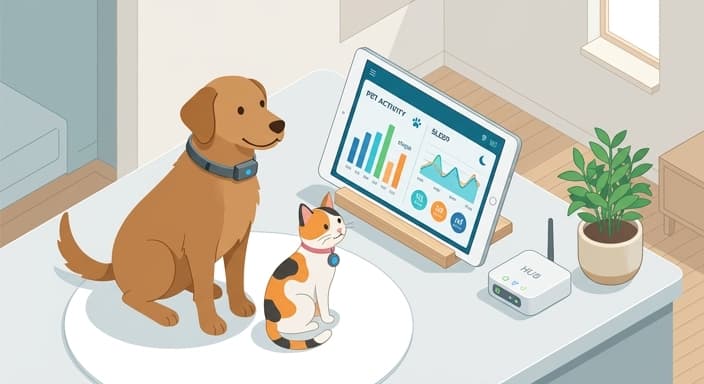
There is a persistent, outdated myth in the veterinary world that a pet’s digestive health is merely a matter of "what goes in, comes out," leaving many pet owners to assume that a standard, shelf-stable kibble is the only requirement for a thriving microbiome. As a veterinarian consultant, I frequently consult with devoted pet parents who are surprised to learn that the gut is not just a digestive organ, but the primary epicenter of their pet's immune system, cognitive function, and emotional stability. We are finally moving toward a more sophisticated, proactive standard of digestive care that prioritizes the health of the "second brain"—the gut microbiome—through functional probiotic toppers, effectively closing the gap between basic survival and optimal vitality.
The Hidden Ecosystem of the Canine and Feline Microbiome
To understand why a proactive, supplement-forward approach to gut health is so critical, we must look at the biological reality of our pets' gastrointestinal tracts. A pet’s gut is not merely a tube for processing nutrients; it is a complex, living ecosystem hosting trillions of microorganisms, including bacteria, fungi, and viruses. This community, known as the microbiome, functions as an internal chemical factory, synthesizing essential vitamins, fermenting dietary fibers into short-chain fatty acids (SCFAs), and acting as a physical barrier against opportunistic pathogens.
When the balance of this ecosystem is disrupted—a state we call dysbiosis—it is rarely as obvious as a bout of diarrhea. Often, the signs are subtle: chronic low-grade inflammation, persistent itchy skin, unexplained "picky" eating, or even behavioral changes like anxiety or lethargy. Because 70% of the immune system resides in the gut-associated lymphoid tissue (GALT), a compromised microbiome leaves the entire body vulnerable to systemic issues. By introducing functional probiotic toppers, we aren't just "helping digestion"; we are actively seeding the gut with beneficial bacteria that crowd out harmful microbes and strengthen the integrity of the intestinal lining.
Moving Beyond the "Generic" Supplement
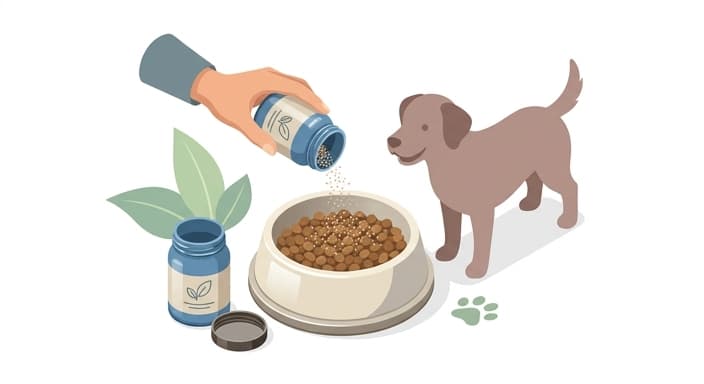
Not all probiotics are created equal, and this is where many pet parents fall into the trap of "marketing over medicine." A functional probiotic topper is fundamentally different from the generic powders found in low-quality treats. To be truly effective, a probiotic must be strain-specific, high-potency, and protected by a delivery system that ensures the bacteria survive the highly acidic environment of the stomach to reach the small and large intestines where they are needed most.
As a consultant, I often see owners frustrated that a "probiotic treat" did nothing for their pet’s chronic flatulence or stool quality. The reality is that many over-the-counter products are shelf-stable in name only, meaning the "live active cultures" listed on the label may be dead by the time they hit the bowl. When selecting a functional topper, look for products that specify the exact strain—such as Enterococcus faecium or Lactobacillus plantarum—and ensure the CFU (Colony Forming Unit) count is clinically relevant. A topper should be viewed as a living supplement, not just a flavor enhancer. It is the tactical application of beneficial biology to support the host’s systemic health.
The Gut-Brain Axis and Behavioral Wellness
One of the most exciting frontiers in veterinary medicine is the study of the gut-brain axis, a bidirectional communication highway between the central nervous system and the enteric nervous system of the gut. We now have robust evidence suggesting that the microbiome plays a significant role in the production of neurotransmitters like serotonin and dopamine. If your pet is suffering from generalized anxiety, reactivity, or sleep disturbances, the root cause may not be purely behavioral—it may be metabolic.
By utilizing functional probiotic toppers that include prebiotic fibers (the fuel for good bacteria), we can foster an environment that promotes the production of these "feel-good" chemicals. I have seen remarkable transformations in reactive dogs and nervous cats simply by stabilizing their gut health. When the gut is calm, the inflammatory signals sent to the brain are reduced, allowing the pet to exist in a more regulated, relaxed state. This is why I advocate for probiotic integration as a first-line support for pets undergoing stressful life changes, such as moving, the introduction of a new pet, or the onset of separation anxiety.
Practical Implementation: How to "Top" Your Pet’s Nutrition
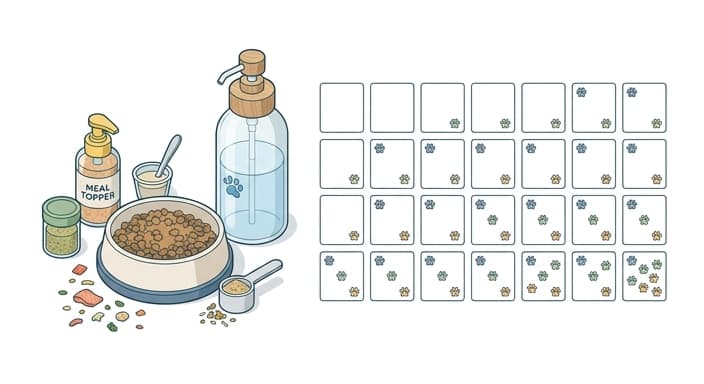
Integrating a probiotic topper into your pet’s daily routine requires a bit of strategy to maximize efficacy. First, consistency is paramount. The microbiome is resilient but slow to change; it takes approximately 2 to 4 weeks of daily supplementation to see a measurable shift in the microbial population. Do not be discouraged if you don't see a "miracle" within three days.
Second, consider the "matrix" of the topper. If your pet is on a raw or fresh food diet, liquid or powder-based probiotics are often easier to incorporate and provide better bioavailability. If you are feeding a kibble-based diet, a topper that provides both probiotics and prebiotics (synbiotics) is ideal, as the prebiotics help the new bacteria colonize the harsh environment of a kibble-fed gut.
Always start slowly. If you are introducing a potent topper, begin with a half-dose for the first week to allow the pet’s system to adjust. Rapid changes in the microbiome can sometimes cause temporary gas or loose stools as the "bad" bacteria are crowded out. Monitor your pet’s "output"—consistency, color, and frequency—as these are the most reliable indicators of how the gut is responding to the new supplement.
Debunking the "One-Size-Fits-All" Probiotic Myth
In the veterinary world, we often encounter the misconception that a probiotic intended for humans or a "general" pet probiotic will work for every animal. However, the microbial requirements of a carnivore (like a cat) are vastly different from those of an omnivore (like a dog). A cat’s gut is shorter and designed for rapid protein transit, requiring specific strains that can thrive in a high-protein, acidic environment. Conversely, a dog’s gut requires a diverse array of strains to manage the fermentation of complex carbohydrates and plant fibers.
When choosing a topper, look for formulations that are species-specific. Avoid products that are heavily sweetened with fillers or artificial flavors, as these can trigger the very inflammation you are trying to resolve. The best toppers are clean, focused, and backed by clinical research rather than just clever branding. As a pet parent, your role is to act as the gatekeeper of their gut health. By selecting high-quality functional toppers, you are providing your pet with the essential biological tools to fight off oxidative stress, maintain a robust immune response, and enjoy a higher quality of life well into their senior years.
The journey toward better health for our pets is rarely about a single "magic bullet," but rather the accumulation of small, intentional choices. By prioritizing the microbiome through high-quality, targeted probiotic toppers, you are doing more than just improving their digestion—you are investing in their long-term resilience. Whether your goal is to manage a chronic skin issue, soothe a sensitive tummy, or simply provide the best foundation for a long and vibrant life, the gut is the undeniable starting point. Start slow, stay consistent, and watch as your pet’s vitality begins to reflect the health of their internal ecosystem.
Common Questions
🤔
Frequently Asked Questions
What makes functional probiotic toppers different from generic supplements?▼
Functional probiotic toppers are strain-specific, high-potency formulations designed to reach the small and large intestine. They rely on a protective delivery system to ensure the bacteria survive stomach acidity and reach the gut alive. This makes them living, targeted contributors to gut and systemic health rather than generic, shelf-stable powders. Choosing toppers with clearly identified strains and clinically relevant CFU counts is essential.
How should you choose an effective probiotic topper for your pet?▼
Look for products that specify the exact strains and a clinically relevant CFU count. A good topper should have a delivery system that protects the bacteria through the stomach and delivers them to the gut. Avoid products that are merely shelf-stable with vague strain information. Prioritize transparency about strains such as Enterococcus faecium or Lactobacillus plantarum and verify the CFU count meets clinical expectations.
What signs might indicate gut health issues beyond diarrhea?▼
Dysbiosis can present as chronic low-grade inflammation, persistent itchy skin, and unexplained picky eating. Behavioral changes like anxiety or lethargy can also reflect gut imbalance. Since about 70% of the immune system resides in gut-associated lymphoid tissue, a compromised microbiome can impact systemic health. Functional toppers aim to seed beneficial bacteria and strengthen the intestinal barrier.
Why is the gut-brain axis relevant to pet behavior and mood, and how can toppers help?▼
The microbiome influences the production of neurotransmitters such as serotonin and dopamine, which can affect mood and anxiety. Therefore, gut-directed interventions may help with generalized anxiety, reactivity, and sleep disturbances. Including prebiotic fibers in toppers provides fuel for beneficial bacteria, supporting the gut-brain communication pathway and potentially improving behavioral wellness.