Blog5/29/2026
Functional Mushrooms for Pet Immunity: A Proactive Approach
6 mins Read
The Briefing
Quick takeaways for the curious
Functional mushrooms support pet immune health through modulation, not simple boosting.
Many commercial diets lack bioactive compounds like beta-glucans and triterpenoids that help balance immune responses.
Beta-glucans interact with gut immune receptors, and roughly 70% of a pet's immune system resides in the gut, making gut-immune communication central.
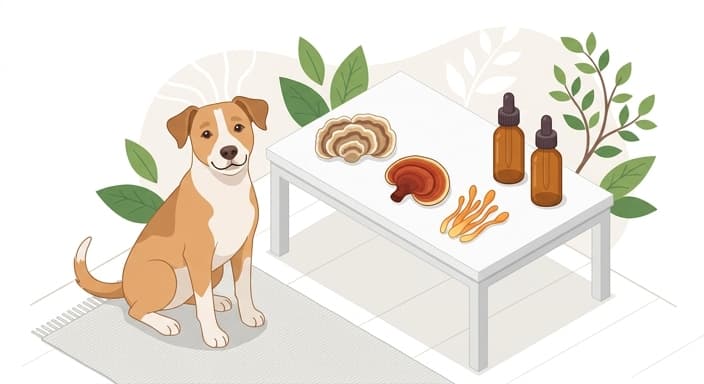
Different mushrooms offer targeted benefits: Turkey Tail for oncology support, Reishi for stress and allergies, and Cordyceps for athletic vitality.
A proactive immunomodulation approach aligns care with pets' evolutionary needs, aiming for immune homeostasis rather than chronic inflammation.
There is a pervasive misconception among many pet owners that the immune system is a static, binary feature—either it is working, or it is failing—often overlooking the biological reality that the immune system is a dynamic, complex network that requires constant, nutrient-dense support to function at its peak. As a veterinarian consultant, I frequently see owners who accept frequent minor infections, slow wound healing, and waning vitality in their pets as inevitable signs of aging, failing to realize that these clinical manifestations are often the direct result of a lack of immune-modulating nutrients that are missing from standard, modern pet diets.
We are moving away from the outdated notion that immune health is something we only address when a pet is already sick, and toward a comprehensive understanding of "proactive immunomodulation," where functional mushroom supplements serve as the cornerstone of preventative, whole-body wellness. True vitality for a companion animal is not just about staving off illness; it is about recognizing that their ancestral physiology is designed to thrive on complex phytonutrients found in the natural environment, and that integrating medicinal fungi into their daily regimen is one of the most impactful ways to align our care practices with the evolutionary needs of our pets.
The Mycelial Fallacy: Why Modern Diets Leave the Immune System Undernourished
The most dangerous myth in modern pet nutrition is that a standard, "complete and balanced" commercial diet provides everything a pet needs to maintain a robust, resilient immune system. While these diets may meet the basic caloric and macro-nutrient requirements to prevent overt clinical deficiencies, they are often entirely devoid of the bioactive compounds known as beta-glucans, polysaccharides, and triterpenoids. These compounds, which are naturally abundant in medicinal mushrooms, act as "biological response modifiers," essentially teaching the immune system how to distinguish between a harmless allergen and a genuine threat.
When we feed our pets a strictly processed, shelf-stable diet, we are essentially depriving their bodies of the complex botanical cues that have historically balanced their immune responses. This "nutritional void" leaves the pet’s immune system in a state of chronic sluggishness or, conversely, hyper-reactivity. Functional mushrooms do not simply "boost" the immune system—which could be dangerous for pets with autoimmune predispositions—but rather they "modulate" it, bringing the body back to a state of homeostasis where it can defend itself efficiently without the collateral damage of chronic inflammation.
The Power of Beta-Glucans: Understanding the Science of Fungi
At the heart of why functional mushrooms work so effectively for pets lies a group of complex sugars called beta-glucans. These are not the simple carbohydrates found in fillers like corn or wheat; they are structural components of the fungal cell wall that, when ingested, interact with the specialized immune receptors in the gut—the site where approximately 70% of a pet’s immune system resides. By engaging these receptors, beta-glucans effectively prime the innate immune system to be more vigilant and responsive to pathogens, effectively "training" the body’s white blood cells to act with greater precision.
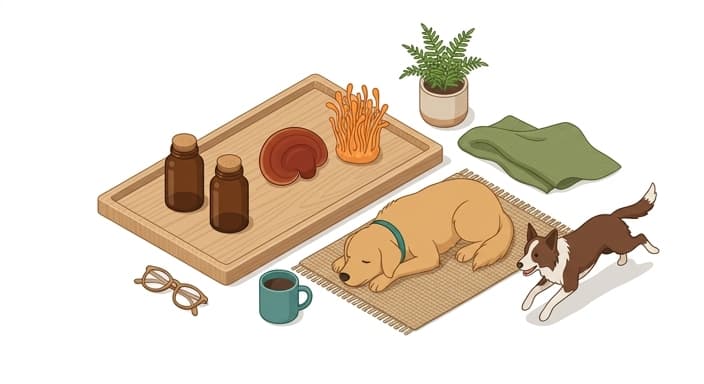
In my practice, I often recommend specific mushrooms based on the unique needs of the patient: Turkey Tail (Trametes versicolor) is the gold standard for its well-documented polysaccharopeptide content, which has shown immense promise in supporting pets dealing with oncological challenges. Reishi (Ganoderma lucidum), often referred to as the "mushroom of immortality," is my go-to for pets suffering from chronic stress or environmental allergies, as its triterpenoids help stabilize mast cells and modulate the release of histamine. Cordyceps (Cordyceps militaris), on the other hand, is excellent for the active canine athlete, as it supports cellular oxygen utilization and physical endurance.
Integrating Mushrooms into Your Pet’s Routine: A Veterinarian’s Protocol
When owners ask me how to start, the first thing I emphasize is quality. Not all mushroom products are created equal; in fact, the market is currently flooded with "mycelium-on-grain" products, which are essentially starch-heavy fillers that contain very little of the actual beneficial fungal compounds. To reap the therapeutic benefits, you must look for supplements that utilize the "fruiting body"—the actual mushroom cap—and ensure the product has been properly extracted. A hot-water extraction process is essential because the beneficial beta-glucans are locked inside a tough, indigestible cell wall made of chitin, which the feline and canine stomach simply cannot break down on its own.
Practical implementation should be gradual. Start with a conservative dose, particularly if your pet has a sensitive GI tract. I recommend mixing the powder or tincture into their wet food or a high-value topper like goat milk or bone broth. Because mushrooms have an earthy, umami flavor, most pets find them highly palatable, and they often enhance the flavor profile of their regular meal. For consistent results, consistency is key—think of mushrooms as a daily tonic rather than a quick-fix medication. It usually takes four to six weeks of daily administration to see a visible shift in coat quality, energy levels, or allergy symptoms.
Safety First: Navigating Contraindications and Quality Control
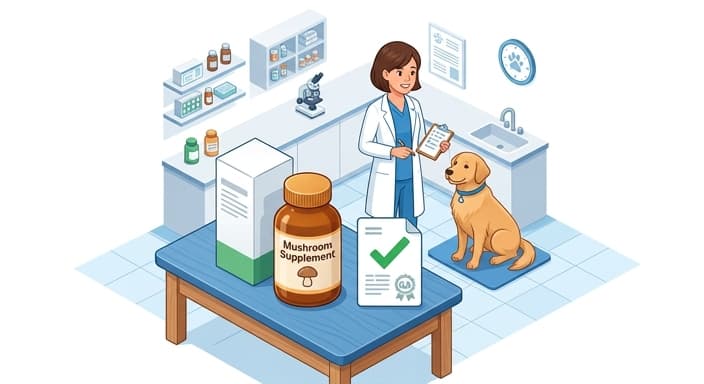
While functional mushrooms are generally safe and well-tolerated, they are not a substitute for veterinary care in the face of acute, life-threatening illness. As a veterinarian, I always perform a thorough review of a pet’s medical history and concurrent medications before recommending mushroom supplementation. For instance, because some mushrooms have mild blood-thinning properties, I advise pausing them two weeks prior to any planned surgical procedures. Similarly, for pets already on strong immunosuppressive drugs for autoimmune conditions, we must be careful to choose the right type of mushroom to ensure we are supporting the system rather than over-stimulating it.
Third-party testing is non-negotiable. Look for brands that provide a Certificate of Analysis (COA) verifying that the product is free from heavy metals, pesticides, and mold—all of which can concentrate in mushrooms during the growing process. By choosing reputable, transparent companies, you ensure that you are providing your pet with the healing potential of nature without the risk of unwanted contaminants.
The Future of Preventive Care: A Holistic Shift
We are witnessing a paradigm shift in veterinary medicine where the focus is moving away from reactive treatments—waiting for the body to break down—to a model of total-body support. Functional mushrooms represent the perfect intersection of ancient wisdom and modern science, providing a bridge that connects our pets to the nutrient-rich, diverse environments they evolved to inhabit. When we provide these compounds, we aren't just adding a supplement; we are providing the essential biological "software" that allows our pets to navigate the stressors of modern living with a more resilient and capable immune system.
If you are currently struggling with a pet who seems to catch every bug that goes around, or one whose skin is constantly inflamed, consider the role of the humble mushroom. By addressing the root of immune function, you are choosing a path that prioritizes long-term health over temporary suppression. It is a commitment to the idea that our pets deserve more than just survival—they deserve the vibrant, thriving health that comes from a body supported by the best of nature’s bounty. Start slow, choose quality, and watch as your companion discovers a renewed sense of vitality from the inside out.
Common Questions
🤔
Frequently Asked Questions
What is proactive immunomodulation and why does it matter for pets?▼
Proactive immunomodulation treats the immune system as a dynamic network that benefits from nutrient-rich support rather than a one-time boost or a passive acceptance of illness. This approach uses functional mushrooms as a foundational part of preventative, whole-body wellness. It emphasizes maintaining immune homeostasis to defend against threats while minimizing unnecessary inflammation. By supporting the system with the right bioactive compounds, pets can better withstand infections and recover vitality more quickly.
How do beta-glucans and other mushroom compounds affect a pet's immune system?▼
Beta-glucans are complex sugars from the fungal cell wall that interact with gut immune receptors, where most of a pet’s immune activity occurs. They help train the innate immune system to respond more precisely to real threats without triggering excessive inflammation. Other compounds like polysaccharopeptides and triterpenoids contribute to this modulatory effect, supporting balance rather than a simple 'boost'. This modulatory action reduces the risk of autoimmune-like overreactions while increasing resilience.
Which mushrooms are recommended and for what situations?▼
Turkey Tail (Trametes versicolor) is often recommended for oncology-related concerns due to its polysaccharopeptide content. Reishi (Ganoderma lucidum) is commonly used for chronic stress and environmental allergies because its triterpenoids help stabilize immune responses. Cordyceps (Cordyceps militaris) can be beneficial for active, athletic pets by supporting stamina and endurance. Individual needs vary, so a veterinarian should tailor choices and monitor responses.
Are functional mushroom supplements safe for all pets or are there safety considerations?▼
Functional mushrooms are not a universal cure and must be chosen and dosed carefully. Safety depends on product quality, proper formulation, and individual health status; avoid wild mushrooms, which can be toxic. Start with veterinary-grade supplements and monitor for any adverse reactions or interactions with medications. If your pet has an autoimmune condition or is on other treatments, consult a veterinarian before starting any mushroom-based supplement.