Blog5/30/2026
Functional Benefits of Freeze-Dried Pet Treats for Vitality
6 mins Read
The Briefing
Quick takeaways for the curious
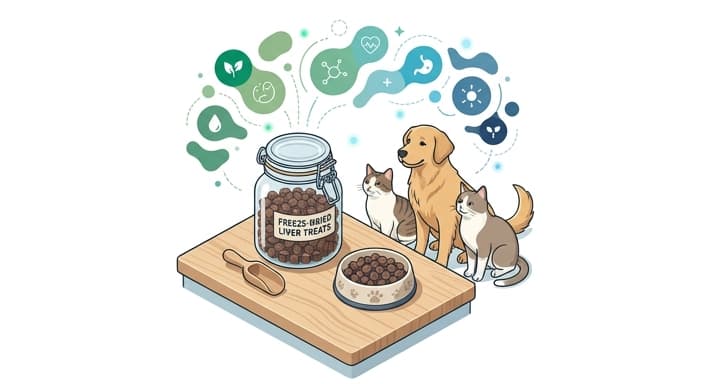
Freeze-dried pet treats offer a nutrient-dense, highly bio-available alternative to traditional snacks, turning a treat into a dietary supplement rather than empty calories.
Unlike high-heat extruded treats, freeze-drying preserves heat-sensitive vitamins, enzymes, and amino acids, helping support digestion and systemic health.
Conventional treats often contain artificial preservatives, colorings, and cheap fillers that can trigger inflammation, digestive distress, and poor stool quality; freeze-dried options reduce exposure to these additives.
The concept of functional snacking reframes treats as opportunities to deliver essential nutrients that support heart health, cognitive function, and metabolic efficiency.
For pets with sensitivities or picky appetites, single-ingredient freeze-dried options offer a practical, hypoallergenic approach that improves protein quality and reduces risk of adverse reactions.
There is a pervasive misconception among many pet owners that treats are merely "empty calories" used for training or behavior modification, failing to recognize that these small bites represent a significant portion of a pet’s daily caloric intake. As a veterinarian consultant, I frequently see owners who obsess over the quality of their pet’s main meal, only to sabotage that nutritional foundation with highly processed, synthetic-laden treats that trigger inflammation and digestive distress.
We are moving away from the outdated notion that treats are just a way to reward a pet, and toward a sophisticated understanding of "functional snacking," where freeze-dried treats serve as a concentrated, bio-available extension of a species-appropriate diet. True vitality for a companion animal is not just about the bowl; it is about recognizing that every morsel consumed is an opportunity to deliver essential enzymes, amino acids, and nutrients that support long-term systemic health rather than simply providing temporary flavor.
The Processing Fallacy: Why Conventional Treats Are Often Nutritional Pitfalls
The most dangerous myth in the pet industry is that treats do not need to meet the same quality standards as "complete and balanced" meals. In reality, most commercial treats on the market are subjected to high-heat extrusion, a process that utilizes massive pressure and temperatures to shape and preserve food. This thermal abuse destroys heat-sensitive vitamins, denatures delicate proteins, and renders natural enzymes—the biological catalysts essential for digestion—completely inert.
When we feed our pets these mass-produced, shelf-stable snacks, we are often introducing unwanted additives such as artificial preservatives (BHA/BHT), synthetic colorings, and cheap fillers like corn gluten or wheat starch. These ingredients are not only biologically inappropriate for carnivores but are also frequent culprits behind the chronic itching, ear infections, and inflammatory bowel issues I see in my clinic daily. By contrast, freeze-drying—a process that removes moisture through sublimation under a vacuum—bypasses the need for high-heat processing. It preserves the cellular structure and the integrity of the vitamins and minerals, effectively turning a "treat" into a potent, nutrient-dense supplement.
The Bio-Availability Advantage: Why Structure Matters
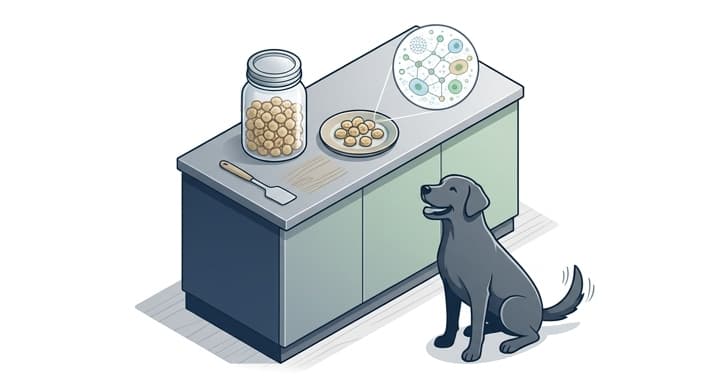
One of the most profound benefits of freeze-dried treats is the preservation of bio-availability. In a raw or freeze-dried state, the proteins and fats remain in their native conformation, which is much easier for a dog or cat’s gastrointestinal tract to break down and absorb. Conventional treats are often "locked" inside complex matrices of denatured starches, which can lead to incomplete digestion and the fermentation of undigested proteins in the hindgut—a primary cause of gas, bloating, and poor stool quality.
When you offer a freeze-dried liver, heart, or muscle meat treat, you are providing your pet with the exact amino acid profile their ancestors evolved to utilize. Because the moisture has been removed without heat, the nutrients remain "biologically active." This means your pet isn't just getting calories; they are getting highly absorbable taurine, B-vitamins, and essential fatty acids that support heart health, cognitive function, and metabolic efficiency. For the discerning pet parent, switching to freeze-dried treats is one of the simplest ways to increase the "nutrient density per calorie" ratio in your pet's daily regimen.
Therapeutic Utility: Managing Sensitivity and Weight
As a consultant, I am frequently asked how to manage pets with "picky" appetites or those struggling with severe food sensitivities. The answer often lies in the simplicity of freeze-dried ingredients. Most high-quality freeze-dried treats consist of a single ingredient—100% pure protein. This "single-source" approach is a game-changer for pets with suspected food allergies, as it allows owners to provide rewards without the risk of cross-contamination from common allergens found in multi-ingredient treats.
Furthermore, because freeze-dried treats are so intensely flavorful due to the concentration of natural juices and fats, they are an excellent tool for stimulating the appetite of a recovering or aging pet who may have lost interest in their kibble. They are also highly effective for weight management. Because these treats are so nutrient-dense, you can use smaller amounts to achieve the same "reward" effect as a larger, filler-heavy treat. By swapping out bulky, carb-heavy biscuits for a few pieces of freeze-dried salmon or venison, you keep your pet’s caloric intake within a healthy range while ensuring the calories they do consume are working to support their body.
The Preservation of Enzymes and Probiotic Potential
Beyond proteins and fats, freeze-drying is unique in its ability to protect the delicate enzymatic profile of raw food. Digestive enzymes are essential for breaking down food, reducing the workload on the pancreas, and maximizing nutrient absorption. While these enzymes are largely absent in cooked diets, they remain present in high-quality, cold-processed freeze-dried treats.
When you provide these treats, you are essentially providing a "digestive boost" that aids in the breakdown of the primary meal. Furthermore, because these products are shelf-stable yet retain the properties of raw food, they allow for a safe and convenient way to introduce variety into the diet without the logistics of a full raw-feeding program. For owners who are hesitant to commit to a full raw diet but want to provide the benefits of raw nutrition, freeze-dried treats act as the perfect bridge, allowing you to sprinkle high-quality, enzymatically active nutrients over a standard meal or provide them as a health-promoting snack.
Selecting the Right Treats: A Checklist for Quality
Not all freeze-dried products are created equal. When shopping for your pet, it is vital to look beyond the marketing on the front of the bag and examine the ingredient panel. Here are the three non-negotiables I look for:
- Single Ingredient Integrity: The label should list only the protein source (e.g., "100% Beef Liver"). Avoid products that list "natural flavors," "vegetable glycerin," or "mixed tocopherols" as these are often used to mask lower-quality proteins or add unnecessary bulk.
- Sourcing Transparency: Look for brands that clearly state where their ingredients are sourced. Ideally, you want proteins that are human-grade and sourced from regions with strict agricultural standards.
- No "Filler" Additives: If you see ingredients like pea protein, potato starch, or rice flour, move on. These are often used as "extenders" to keep production costs down, but they provide no functional health benefit and can lead to the very digestive issues you are trying to avoid.
The goal is to transition from viewing treats as a disposable commodity to viewing them as a vital, purposeful component of your pet's overall health strategy. By choosing freeze-dried, you are choosing to prioritize nutrient density, biological appropriateness, and the long-term metabolic health of your companion.
In conclusion, the shift toward freeze-dried treats represents a meaningful evolution in how we care for our pets, moving us away from empty, processed rewards and toward a diet that honors their biological heritage. By prioritizing bio-available, single-ingredient options, we provide our pets with more than just a snack—we provide the building blocks for a longer, more vibrant life, ensuring that every reward contributes to their vitality rather than depleting it.
Common Questions
🤔
Frequently Asked Questions
Why are freeze-dried treats considered more nutritious than typical treats?▼
Freeze-dried treats preserve the cellular structure and nutrients by avoiding high-heat processing, which means vitamins, amino acids, and enzymes stay intact and more bio-available. They are often single-ingredient, 100% protein sources, reducing the risk of unnecessary additives and fillers. This nutrient density can translate to real health benefits beyond fleeting flavor. However, it's still important to choose high-quality products and feed as part of a complete diet.
How does freeze-drying impact bio-availability and digestion?▼
Because moisture is removed without heat, the proteins and fats retain their native conformation, which dogs and cats' guts can digest more efficiently. With fewer hindgut fermentation issues, there is less gas and better stool quality compared to some conventional treats. This means nutrients like taurine, B-vitamins, and essential fatty acids are more readily absorbed when the treat is included appropriately. This is what makes freeze-dried treats a practical way to raise nutrient density per calorie.
Can freeze-dried treats help pets with sensitivities or allergies?▼
Yes, the single-source nature of many freeze-dried treats reduces exposure to common allergens and artificial additives. They allow owners to identify a specific protein without other ingredients complicating the reaction. Always start with a true single-ingredient product and introduce gradually to monitor tolerance. Consult with a veterinarian for a tailored elimination approach if food sensitivities are suspected.
What is the best way to incorporate freeze-dried treats into a weight management or feeding plan?▼
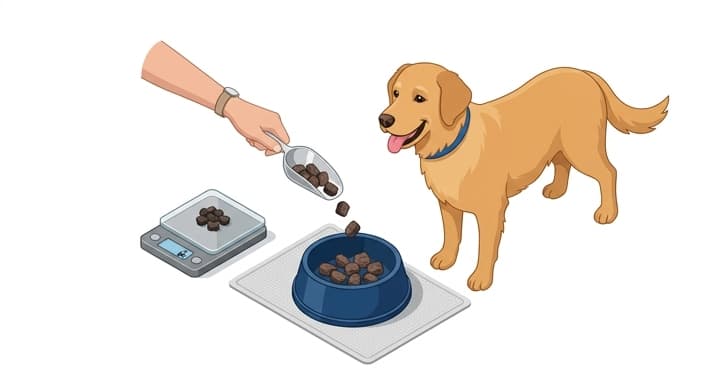
Treats, even nutrient-dense freeze-dried options, add calories and should be accounted for in daily intake. Use them strategically for training or enrichment while keeping total daily calories within target to avoid weight gain. Choose higher-protein, single-ingredient options and monitor portion sizes, adjusting meals as needed. Consult your veterinarian to tailor a plan that matches your pet's activity level, age, and health status.