Blog5/28/2026
Benefits of Freeze-Dried Raw Pet Food for Health and Vitality
6 mins Read
The Briefing
Quick takeaways for the curious
Freeze-dried raw pet food preserves enzymes, vitamins, and amino acids by avoiding high-heat processing that denatures nutrients in traditional kibble.
High-heat extrusion can degrade proteins and reduce nutrient bioavailability, making it harder for pets to utilize what they eat.
The freeze-drying process uses low-temperature sublimation to lock in nutrients, keeping proteins intact and enzymes active.
Because the food is closer to its natural raw state, freeze-dried diets often support easier digestion and better nutrient absorption.
Choosing freeze-dried raw aligns feeding with ancestral physiology, supporting immune health, energy, and overall vitality.
There is a pervasive misconception among many pet owners that highly processed, heat-extruded kibble is the gold standard for canine and feline nutrition, often overlooking the biological reality that the intense manufacturing processes used to create dry food strip away the delicate enzymes, vitamins, and phytonutrients that define a truly nourishing diet. As a veterinarian consultant, I frequently see owners who accept dull coats, low energy levels, and digestive sensitivities as "normal" parts of pet ownership, failing to realize that these clinical manifestations are often the direct result of a diet that has been rendered biologically inert by high-heat processing.
We are moving away from the outdated notion that convenience for the owner must come at the expense of the animal’s cellular health, and toward a comprehensive understanding of "bio-available nutrition," where freeze-dried raw food serves as the cornerstone of preventative, whole-body wellness. True vitality for a companion animal is not just about keeping them full; it is about recognizing that their ancestral physiology thrives on raw, nutrient-dense proteins and that choosing freeze-dried options is one of the most impactful ways to align our daily feeding practices with the evolutionary needs of our pets.
The Thermal Fallacy: Why High-Heat Processing Compromises Nutrient Integrity
The most dangerous myth in modern pet nutrition is that high-heat extrusion is a benign necessity for safety and shelf-stability. In reality, the thermal processing required to create shelf-stable kibble—often reaching temperatures well above 200°F—denatures delicate proteins, destroys essential amino acids, and renders synthetic vitamin additions less bio-available. When we feed our pets food that has been cooked until it is "dead," we essentially force their bodies to work harder to extract nutrients that are no longer in their most usable form.
Freeze-drying, by contrast, utilizes a low-temperature sublimation process that removes moisture without the use of heat. This preservation method effectively "locks in" the nutritional profile of the raw ingredients. The result is a product that retains the structural integrity of its proteins, the potency of its natural enzymes, and the richness of its vitamins. When your pet eats freeze-dried raw, they are consuming food that is chemically closer to what they would encounter in nature, requiring less energy for digestion and providing more energy for life.
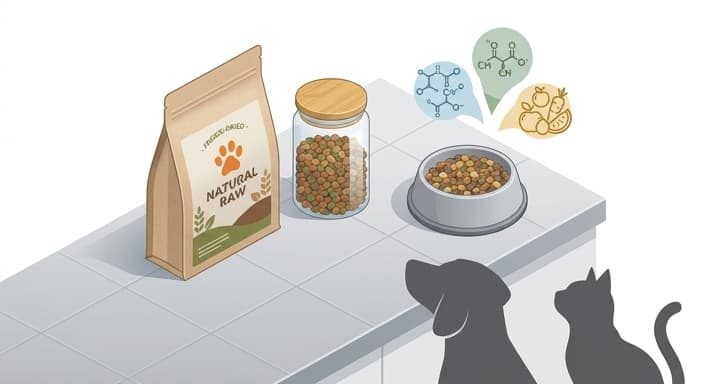
Bio-Availability and the Digestive Efficiency of Raw Nutrition
When discussing the benefits of freeze-dried diets, the conversation must center on bio-availability. A dog or cat’s digestive tract is significantly shorter and more acidic than a human’s, designed specifically to break down raw protein and fat with high efficiency. Kibble, which is often loaded with starch-heavy fillers like corn, wheat, or pea protein, requires a much more intensive digestive effort and often leaves behind significant waste.
Freeze-dried raw diets are composed primarily of high-quality animal proteins, organ meats, and bone—the exact building blocks required to maintain a healthy lean muscle mass and a robust immune system. Because these ingredients are in their raw, natural state, the body recognizes them immediately as fuel. Owners who switch to freeze-dried raw frequently report smaller, less odorous stools—a clear clinical indicator that more of the food is being absorbed and utilized by the body rather than passing through as undigested bulk. This increased digestive efficiency reduces the burden on the pancreas and gallbladder, supporting long-term metabolic health.
Protecting the Immune System: The Role of Natural Enzymes
A critical, yet often overlooked, advantage of a freeze-dried raw diet is the preservation of natural, food-based enzymes. Enzymes are the "spark plugs" of life; they facilitate every chemical reaction within the body, from immune cell production to the breakdown of toxins. In heat-processed diets, these enzymes are destroyed. Without these natural catalysts, the pet’s body is forced to produce its own enzymes, which draws resources away from other vital processes like immune surveillance and tissue repair.
By providing a diet rich in active enzymes, we essentially "outsource" some of the body’s metabolic heavy lifting. This is particularly beneficial for senior pets or those dealing with chronic inflammation. Many of my clients notice that within weeks of transitioning to a freeze-dried raw diet, their pets show increased playfulness, improved coat luster, and a noticeable reduction in the "doggy odor" that often stems from systemic inflammation and poor detoxification.
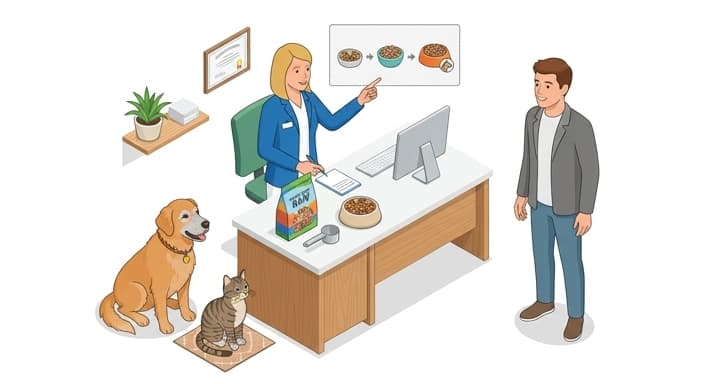
Transitioning Safely: A Veterinarian’s Practical Guide
Transitioning to a freeze-dried raw diet should never be a "cold turkey" approach. Even though the ingredients are superior, the sudden introduction of a nutrient-dense, high-protein diet can sometimes cause transient digestive upset if the gut microbiome is accustomed to a high-carbohydrate kibble. I recommend a gradual transition over a period of 7 to 10 days. Start by replacing 10% of the old food with the freeze-dried raw, slowly increasing the ratio while decreasing the kibble.
It is also important to consider hydration. While freeze-dried food is shelf-stable in its dry state, it is designed to be rehydrated. Adding warm water to the food not only brings it back to its "fresh" consistency, which most pets find highly palatable, but it also ensures your pet is getting the hydration they need to support kidney health and optimal circulation. If your pet is a picky eater, you can use the freeze-dried raw as a "topper" to start, slowly building up to a full meal replacement as they adapt to the change in texture and flavor.
Dispelling the "Pathogen" Myth: Safety Through Modern Technology
One of the most common hesitations I hear in the clinic involves the fear of bacteria, such as Salmonella or E. coli. It is vital for owners to understand that modern freeze-dried pet food manufacturers employ rigorous safety standards, including High-Pressure Processing (HPP) and stringent batch testing, to ensure the product is safe. In fact, many freeze-dried raw diets are held to higher safety standards than much of the human-grade meat found in supermarkets.
When handled with the same common-sense hygiene practices you use when preparing raw chicken for your own dinner—washing bowls after use, keeping the food in its original packaging, and washing your hands after handling—the risks are statistically negligible. By choosing reputable brands that prioritize transparency and third-party testing, you can provide your pet with the biological benefits of a raw diet without compromising the safety of your home environment.
A New Standard for Pet Longevity
The shift toward freeze-dried raw nutrition is more than just a passing trend; it is a fundamental return to the evolutionary roots of our pets. By moving away from the convenience-first mindset and embracing a diet that prioritizes moisture, bio-available protein, and enzymatic activity, we provide our companions with the best possible foundation for health. As we continue to learn more about the link between nutrition and longevity, it becomes increasingly clear that what we put in the bowl today is the greatest predictor of the health challenges we will—or won’t—face in the years to come. Investing in high-quality, freeze-dried raw nutrition is not merely an expense; it is a proactive commitment to the vitality, happiness, and long-term well-being of the pets we hold so dear.
Common Questions
🤔
Frequently Asked Questions
What makes freeze-dried raw food nutritionally different from traditional kibble?▼
Kibble is produced with high-heat processing and is often cereal or starch heavy, which can be harder to digest. Freeze-dried raw preserves natural proteins, enzymes, and vitamins by avoiding those high temperatures. This results in higher bioavailability, meaning pets can utilize more of the nutrients from each meal. Many pet owners report improved energy and coat condition after switching to freeze-dried diets.
How does the freeze-drying process affect nutrient integrity and enzymatic activity?▼
Freeze-drying removes moisture through sublimation at low temperatures, which helps protect delicate proteins and natural enzymes from heat damage. This preserves much of the food's original nutrient profile and enzymatic activity. As a result, nutrients are more readily absorbed by the digestive system compared with heavily processed kibble. The end product is nutritionally closer to raw ingredients.
Can freeze-dried raw diets improve digestion and stool quality?▼
Many owners notice smaller, less odorous stools when feeding freeze-dried raw, which is a sign of improved nutrient absorption. The digestive system works more efficiently when nutrients are readily available, reducing strain on the pancreas and gallbladder. Over time, this can contribute to more consistent energy levels and overall digestive comfort. However, individual responses can vary, and gradual transition is important.
How should pet owners introduce freeze-dried raw food and is it suitable for all pets?▼
Introduce the new diet gradually over 7-14 days by mixing increasing amounts of freeze-dried food with the current diet. Monitor for palatability, appetite, stool changes, and energy levels, adjusting portions as needed. Consult a veterinarian, particularly for growing puppies or kittens, senior pets, or those with medical conditions or special dietary needs. Rehydrating the food with water or broth can improve palatability and digestion for some pets.