Blog5/31/2026
Functional Mushroom Supplements for Pet Immunity and Wellness
6 mins Read
The Briefing
Quick takeaways for the curious
The immune system is a dynamic network that requires constant, nutrient-dense support rather than a simple on/off state.
Proactive immunomodulation with functional mushroom supplements is central to preventative, whole-body pet wellness.
Many commercial diets meet only minimum requirements and often lack the immune-modulating compounds needed under modern environmental stressors.
A lack of ancestral exposure to fungi can leave pets with immunological boredom, while beta-glucans and polysaccharides from medicinal mushrooms help keep immunity balanced.
Functional mushrooms act as immunomodulators with biphasic effects, able to upregulate immunity when needed and calm it when overactive, unlike conventional immune boosters.
There is a pervasive misconception among many pet owners that the immune system is a static, binary feature—either it is working or it is failing—often overlooking the biological reality that the immune system is a dynamic, complex network that requires constant, nutrient-dense support to function at its peak. As a veterinarian consultant, I frequently see owners who accept frequent minor infections, seasonal allergies, and waning vitality in their pets as inevitable signs of aging, failing to realize that these clinical manifestations are often the direct result of a lack of immune-modulating compounds missing from standard, modern pet diets.
We are moving away from the outdated notion that immune health is something we only address when a pet is already sick, and toward a comprehensive understanding of "proactive immunomodulation," where functional mushroom supplements serve as the cornerstone of preventative, whole-body wellness. True vitality for a companion animal is not just about staving off illness; it is about recognizing that their ancestral physiology is designed to thrive on complex phytonutrients found in the natural environment, and that integrating medicinal fungi into their daily regimen is one of the most impactful ways to align our care practices with the evolutionary needs of our pets.
The Mycelial Fallacy: Why Modern Diets Leave the Immune System Undernourished
The most dangerous myth in modern pet nutrition is that a standard, "complete and balanced" commercial diet provides everything a canine or feline body requires to maintain a robust immune response. While these diets meet the minimum regulatory requirements for survival, they are often devoid of the "biological scaffolding" necessary to modulate immune function in an era of environmental stressors, synthetic pollutants, and processed food.
In the wild, our pets’ ancestors would have naturally encountered soil-borne microbes, decaying organic matter, and various fungi that acted as biological triggers to "train" the immune system. Domesticated pets, largely removed from this ancestral exposure, suffer from what I call "immunological boredom." Without the complex beta-glucans and polysaccharides found in medicinal mushrooms, the immune system becomes either sluggish—failing to identify threats—or hyper-reactive, leading to the chronic inflammation and autoimmune-like symptoms we see so frequently in clinical practice today. Functional mushrooms are not merely "supplements"; they are essential botanical allies that provide the molecular signals required to keep the immune system sharp, balanced, and responsive.
Understanding Beta-Glucans: The Language of Immune Communication
If you are new to the world of medicinal fungi, the most important term to understand is "beta-glucans." These are complex polysaccharides—long chains of glucose molecules—found in the cell walls of functional mushrooms. When a pet consumes these compounds, they act like a master key, unlocking and activating the immune system’s first responders: the macrophages, natural killer cells, and T-lymphocytes.
Unlike synthetic immune boosters that can cause an over-stimulation of the immune system, functional mushrooms are true "immunomodulators." This means they have the unique, biphasic ability to upregulate the immune system when it is weak or suppress it when it is overactive. For a dog struggling with chronic skin allergies, this is a game-changer. By calming the hyper-responsive immune cells that trigger itching and inflammation, while simultaneously strengthening the innate defenses against pathogens, mushrooms provide a level of systemic balance that pharmaceuticals rarely achieve without significant side effects.

Key Fungi for Canine and Feline Vitality
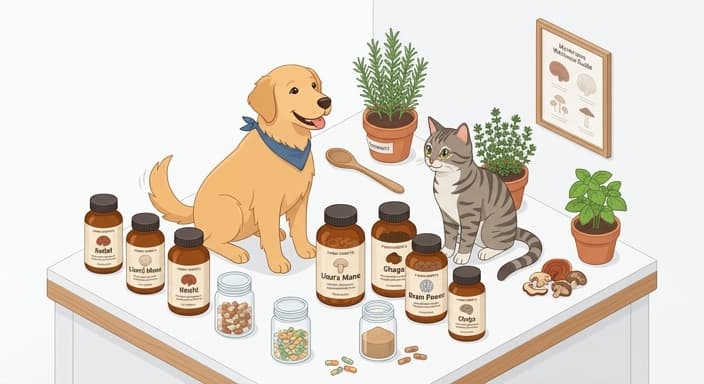
Not all mushrooms are created equal, and understanding the distinct "personality" of each species is vital for targeted supplementation. In my practice, I generally categorize functional mushrooms into three core pillars:
- Turkey Tail (Coriolus versicolor): Perhaps the most extensively researched mushroom in veterinary medicine, Turkey Tail is a powerhouse for cellular health. Its high concentration of PSK (polysaccharide-krestin) and PSP (polysaccharide-peptide) makes it an invaluable tool for supporting the immune system during recovery from illness or as a long-term preventative for aging pets.
- Reishi (Ganoderma lucidum): Known as the "mushroom of immortality," Reishi is primarily an adaptogen. It helps the body manage the physiological fallout of stress. If your pet is reactive, anxious, or suffers from chronic inflammation, Reishi acts as a nervous system sedative and immune balancer, promoting homeostasis.
- Chaga (Inonotus obliquus): Chaga is the premier antioxidant among fungi. It is incredibly effective at neutralizing free radicals that lead to premature cellular aging. For pets living in urban environments or those with high levels of oxidative stress, Chaga provides the systemic protection necessary to preserve organ function and energy levels.
- Cordyceps (Cordyceps militaris): Often favored for active or performance dogs, Cordyceps is renowned for its ability to improve oxygen utilization and cellular energy production (ATP). It is a fantastic choice for supporting respiratory health and exercise endurance in older pets.
Quality Control: Navigating the "Filler" Trap
As a veterinarian, the most frustrating obstacle I face is the prevalence of "mycelium-on-grain" products masquerading as high-quality mushroom supplements. To cut costs, many manufacturers grow mushroom mycelium on rice, oats, or sorghum, and then grind the entire mixture into a powder. The result is a product that is mostly starch and very little actual fungal material, which defeats the entire purpose of the supplement.
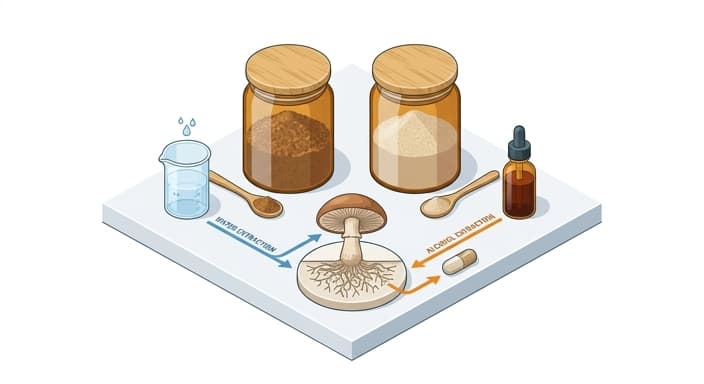
When shopping for your pet, you must look for the label to specify "fruiting body." The fruiting body is the actual mushroom structure—the part that contains the high density of beta-glucans and medicinal compounds. If the label says "full spectrum" or "mycelium," it is likely a low-potency product. Furthermore, look for "dual-extracted" formulations. Some of the most potent compounds in mushrooms are water-soluble, while others are alcohol-soluble. A dual-extraction process ensures that you are getting the full spectrum of bioavailable nutrients. If a product does not specify the extraction method or the fruiting body content, keep walking.
Integrating Mushrooms into Your Pet’s Routine
Consistency is the secret to efficacy. Mushrooms are not a "quick fix" drug that works in an hour; they are a nutritional intervention that builds systemic resilience over time. Start by introducing the supplement slowly to ensure digestive compatibility, especially in pets with sensitive stomachs. Most mushroom powders are flavor-neutral or have a mild, earthy taste that most dogs and cats accept readily when mixed into their wet food, bone broth, or goat milk.
For a healthy adult dog, a maintenance dose is often sufficient to keep the immune system "primed." For senior pets or those dealing with specific health challenges, I often recommend a therapeutic dosage. Always consult with your veterinarian before starting any new supplement, especially if your pet is currently on immunosuppressive medications or chemotherapy, as the potent immunomodulating effects of mushrooms can interact with these drugs.
Moving Toward Proactive Wellness
The goal of pet ownership is not merely to keep our companions alive, but to help them thrive throughout every stage of their lives. We have spent too long relying on reactive medicine, waiting for symptoms to appear before we intervene. By incorporating functional mushrooms into our pets’ daily regimen, we are choosing a different path—one rooted in the wisdom of nature and the precision of modern science.
These fungi offer a profound way to support the immune system’s intricate dance, providing our pets with the phytonutrients they need to handle the stresses of modern life with grace and vitality. Whether you are looking to boost your puppy's developing defenses or provide extra comfort for your aging companion, medicinal mushrooms offer a safe, evidence-based, and highly effective way to honor the evolutionary biology of our best friends. Remember, the healthiest pet is one whose internal ecosystem is consistently supported, and there is no better way to provide that support than with the gifts of the forest floor.
Common Questions
🤔
Frequently Asked Questions
What are beta-glucans and why are they important for pet immunity?▼
Beta-glucans are complex polysaccharides found in the cell walls of functional mushrooms. When consumed, they interact with the immune system to activate key responders such as macrophages, natural killer cells, and T-lymphocytes. They function as immunomodulators, providing balanced immune upregulation when needed and preventing overreaction. This balanced signaling can help pets manage conditions like allergies while supporting overall defenses.
How do functional mushrooms differ from synthetic immune boosters?▼
Functional mushrooms act as immunomodulators with a biphasic capacity to upregulate immune activity when defenses are weak and to suppress it when inflammation is excessive. This promotes systemic balance rather than indiscriminate stimulation. Unlike many synthetic boosters, they aim for a tempered, adaptive response with fewer side effects. For chronic conditions like dermatitis, this can translate into fewer flares and less immune-related drama.
What is the 'mycelial fallacy' and how does it relate to pet diets?▼
The mycelial fallacy is the belief that a complete and balanced diet provides everything an animal needs to maintain immune health. In reality, typical diets may meet survival needs but often lack the biological scaffolding—like beta-glucans and polysaccharides—that modulate immune function amidst modern stressors. Without this immune-supporting biology, pets can become under- or over-reactive. Functional mushroom ingredients help supply those essential signals absent from many standard diets.
Why is proactive immunomodulation important for a pet’s vitality?▼
Proactive immunomodulation shifts care from waiting for illness to building robust, balanced defenses ahead of time. It aligns care with the evolutionary needs of companion animals, whose physiology is tuned to a complex environment rich in phytonutrients and fungi. Incorporating medicinal mushrooms into daily regimens supports a more resilient immune system and overall vitality, reducing chronic inflammation and infection risk.