Blog5/10/2026
Using Functional Mushrooms for Pet Anxiety: A Vet Guide
6 mins Read
The Briefing
Quick takeaways for the curious
Functional mushrooms act as adaptogens that help pets cope with stress by modulating the HPA axis rather than simply sedating them.
Reishi and Lion's Mane are highlighted as primary mushrooms for canine and feline anxiety, addressing emotional regulation and cognitive support.
The gut-brain axis plays a central role in anxiety, with the digestive system influencing immune function and mood through neurotransmitter production.
Bioactive compounds like beta-glucans, triterpenes, and hericenones in these mushrooms help lower cortisol when elevated and support overall resilience.
Shifting toward a holistic approach to behavioral health, combining nutrition, gut health, and adaptogens, aims to restore homeostasis rather than merely silencing symptoms.
There is a pervasive misconception among modern pet owners that anxiety in our companions is an inevitable byproduct of aging or a permanent "personality quirk," often overlooking the biological reality that chronic stress is a physiological state of imbalance that can be effectively modulated through targeted, natural nutritional support. As a veterinarian consultant, I frequently see pets struggling with the physical manifestations of anxiety—from excessive grooming and digestive distress to heart-pounding reactivity—and I have found that the most promising frontier in integrative pet health is the judicious use of functional mushrooms.
We are moving away from the outdated notion that behavioral health is entirely separate from physical wellness, toward a more comprehensive understanding of the gut-brain axis and the neuro-protective capabilities of fungi. True wellness for an anxious pet is not just about silencing symptoms; it is about providing the botanical building blocks that help the body return to homeostasis, fostering resilience against environmental stressors rather than simply sedating the animal.
The Myco-Adaptogen Advantage: How Mushrooms Manage Stress
To understand why functional mushrooms are gaining traction in veterinary medicine, we must look at the concept of "adaptogens." Adaptogens are a unique class of natural substances that help the body adapt to stress and exert a normalizing effect upon physiological processes. Unlike traditional sedatives that "numb" the nervous system, adaptogenic mushrooms like Reishi and Lion’s Mane work by modulating the hypothalamic-pituitary-adrenal (HPA) axis, which is the body’s primary stress-response system.
When a pet is in a state of high anxiety, their body is perpetually flooded with cortisol. Over time, this leads to oxidative stress, immune system suppression, and cellular fatigue. Functional mushrooms contain bioactive compounds—specifically beta-glucans, triterpenes, and hericenones—that act as "biological thermostats." They help lower cortisol levels when they are too high and support the immune system, allowing the animal’s internal alarm system to stand down. By introducing these compounds, we are essentially helping the pet’s body "learn" how to stay in a state of calm more consistently.
Reishi and Lion’s Mane: The Primary Players in Canine and Feline Calm
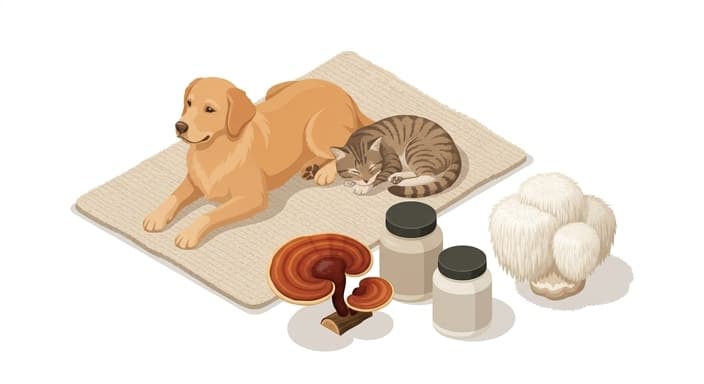
While there are many varieties of medicinal fungi, two stand out as the gold standard for anxiety-related support: Ganoderma lucidum (Reishi) and Hericium erinaceus (Lion’s Mane). Reishi is often referred to as the "mushroom of immortality" in traditional medicine, but in a clinical setting, we value it for its profound calming properties. Reishi has been shown to support the parasympathetic nervous system, effectively acting as a gentle "chill pill" that helps reduce irritability and restlessness.
Lion’s Mane, on the other hand, is the premier mushroom for cognitive health. Many pets experience anxiety because they are confused by their surroundings or suffer from age-related cognitive decline, which manifests as increased nighttime pacing or vocalization. Lion’s Mane promotes the production of Nerve Growth Factor (NGF), which supports neuronal health and brain plasticity. By pairing Reishi for emotional regulation and Lion’s Mane for cognitive support, we can address both the physiological symptoms of panic and the underlying mental fatigue that often triggers anxious behavior.
The Gut-Brain Connection: Why Digestion Dictates Mood
It is impossible to discuss anxiety without addressing the gut. We now know that over 70% of the immune system resides in the digestive tract, and the gut is often referred to as the "second brain" due to its complex network of neurons and its production of neurotransmitters like serotonin. An anxious pet is almost always a pet with an unhappy gut; the stress response often triggers inflammation in the intestinal lining, which in turn signals the brain to increase anxiety.
Functional mushrooms serve as potent prebiotics. The complex polysaccharides found in these fungi provide fuel for beneficial gut bacteria, restoring the microbiome’s balance. When the gut is healthy, the production of "feel-good" neurotransmitters is optimized, and systemic inflammation—which can contribute to physical discomfort and agitation—is reduced. By using mushrooms to heal the gut, we are addressing one of the most significant, yet often overlooked, root causes of behavioral anxiety in cats and dogs.
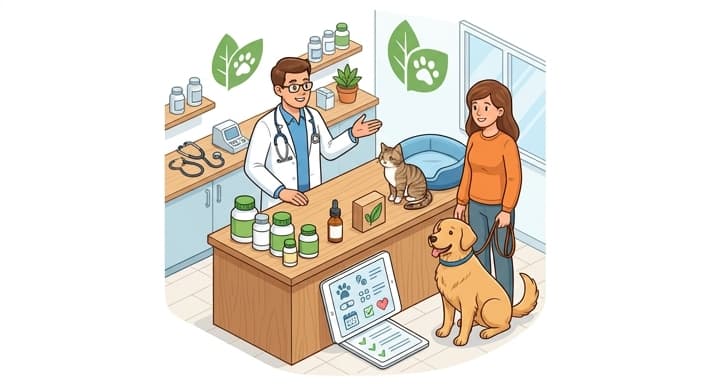
Implementing Mushroom Therapy Safely: A Veterinarian’s Guide
Integrating functional mushrooms into your pet’s routine is not a "one-size-fits-all" endeavor. Quality and sourcing are non-negotiable. Because mushrooms are bio-accumulators—meaning they absorb whatever is in the soil where they grow—it is vital to choose products that are certified organic and free from heavy metals, pesticides, and fillers. I always advise pet parents to look for "fruiting body only" extracts, as mycelium grown on grain (often found in cheaper supplements) contains high amounts of starch and very few of the therapeutic compounds we are looking for.
When starting your pet on a mushroom supplement, "low and slow" is the golden rule. Begin with 25% of the recommended dose to ensure your pet’s digestive system tolerates the addition. Monitor for any signs of gastrointestinal upset, such as loose stool or increased gas, though these are rare. Most pets find the earthy flavor of mushroom powders quite palatable, especially when mixed into a high-value wet food or a bit of plain yogurt. It typically takes three to four weeks of consistent daily supplementation to observe a noticeable shift in your pet’s baseline anxiety levels, as these compounds work by building systemic resilience rather than providing an immediate, fleeting effect.
Integrating Supplements into a Holistic Care Plan
It is essential to remember that supplements are a piece of the puzzle, not the entire picture. Functional mushrooms work best when paired with environmental modifications and consistent behavioral training. If your dog is anxious due to separation distress, for instance, mushrooms will help lower their "threshold" for panic, making them more receptive to counter-conditioning and desensitization exercises. They are a tool to expand the pet's window of tolerance.
Always consult with your primary veterinarian before adding any new supplement to your pet’s regimen, especially if they are already on prescription anti-anxiety medications. While mushrooms are generally safe and have very few contraindications, your vet needs to be aware of all active ingredients in your pet’s diet to ensure there are no interactions and to track any improvements in behavior accurately. By taking a proactive, science-backed approach to your pet's mental health, you are not just managing their anxiety—you are investing in a higher quality of life that allows them to experience the world with curiosity rather than fear.
Managing anxiety through functional mushrooms represents a compassionate, science-forward approach to pet care that respects the biological needs of our companions. By focusing on the gut-brain axis, supporting the nervous system with adaptogens, and ensuring high-quality supplementation, we can help our pets find the peace they deserve. Remember that patience is key; wellness is a journey, and with the right natural tools, you are giving your furry companion the best possible chance at a calm, confident, and joyful life.
Common Questions
🤔
Frequently Asked Questions
What are functional mushrooms and how do they help with pet anxiety?▼
Functional mushrooms are a class of medicinal fungi whose bioactive compounds help modulate the body's stress response via the HPA axis and support immune function. They act as adaptogens that aim to lower cortisol when it is high and promote resilience, rather than simply sedating the nervous system. By delivering compounds such as beta-glucans, triterpenes, and hericenones, these mushrooms address both the physiological symptoms of anxiety and the body's capacity to recover from stress.
Which mushrooms are considered primary for canine and feline anxiety and why?▼
The primary mushrooms are Reishi (Ganoderma lucidum) and Lion's Mane (Hericium erinaceus). Reishi calms the nervous system and supports the parasympathetic system, reducing irritability and restlessness. Lion's Mane supports cognitive health by promoting nerve growth factor (NGF), aiding brain plasticity and reducing confusion-driven anxiety.
How does the gut-brain connection influence anxiety in pets?▼
The gut is central to the immune system and mood, with the digestive tract housing a large portion of immune cells and producing neurotransmitters like serotonin. Stress can trigger inflammation in the intestinal lining, which signals the brain and can exacerbate anxiety. Maintaining gut health is therefore a key component of reducing anxious behavior in pets.
What should owners consider when integrating functional mushrooms into a pet's care plan?▼
Owners should pursue functional mushrooms as part of a holistic plan that includes diet, environment, and veterinary oversight. Begin under veterinary guidance and use high-quality, species-appropriate products, monitoring for adverse reactions or interactions with medications. The goal is to support homeostasis and resilience, not to replace behavioral therapy or medical treatment when needed.