Blog5/21/2026
Sustainable Pet Care: Eco-Friendly Habits for Healthy Pets
6 mins Read
The Briefing
Quick takeaways for the curious
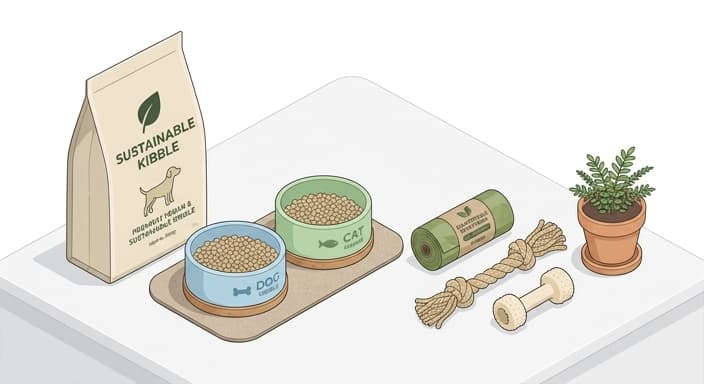
Adopting sustainable pet care is compatible with and can enhance your pet’s health rather than requiring a trade-off.
Conscious pet guardianship means evaluating every purchase—from kibble to waste bags—through its long-term environmental and metabolic impact.
The ecological cost of protein in pet food is driving a shift toward novel and circular proteins, such as insect-based ingredients and by-product components that reduce waste.
Biodegradable waste bags are not all created equal; choose bags with credible certifications (like BPI) or plant-based materials and dispose of waste properly to protect soil and groundwater.
Sustainable enrichment prioritizes quality and durability—opt for non-toxic, sustainable toys and materials and seek brands that minimize waste through durable design and responsible packaging.
There is a pervasive misconception among many pet owners that sustainable living and high-quality pet care are mutually exclusive, often overlooking the biological and environmental reality that the pet industry leaves a significant "pawprint" on our planet. As a veterinarian consultant, I frequently see owners who view their pet’s consumption habits as a static, unavoidable cost of companionship, failing to realize that the transition from a traditional, high-waste care model to a sustainable one can actually optimize their pet’s health while reducing their ecological burden.
We are moving away from the outdated notion that eco-friendly pet care is an expensive, fringe lifestyle, and toward a comprehensive understanding of "conscious pet guardianship," where every purchase—from kibble to waste bags—is viewed through the lens of long-term environmental and metabolic impact. True wellness for a companion animal is not just about clinical check-ups or organic grooming products; it is about recognizing that our pets are tethered to the same ecosystem we occupy and that our choices as stewards dictate the future health of both our companions and the world they roam.
The Ecological Cost of Protein: Rethinking Pet Nutrition
To understand why we emphasize sustainable nutrition, we must first confront the reality that pet food production is responsible for a staggering amount of greenhouse gas emissions. The high reliance on resource-intensive proteins like beef and lamb—which require vast amounts of water and land—is a major contributor to a pet's carbon footprint. From a clinical perspective, we have long held that high-quality protein is the foundation of canine and feline health, but we are now discovering that this does not necessitate the sole reliance on traditional livestock.
Sustainable pet nutrition is shifting toward "novel" and "circular" proteins. Insects—such as black soldier fly larvae—are emerging as a nutritional powerhouse, offering a complete amino acid profile while requiring a fraction of the land, water, and feed compared to conventional cattle. Furthermore, sustainable sourcing means prioritizing brands that utilize "by-product" ingredients that are perfectly nutritious but often rejected by the human supply chain, thereby reducing food waste. Transitioning your pet to these sources is not a compromise on health; it is a scientifically sound way to provide essential nutrients while drastically lowering your household's ecological toll. When shifting diets, always consult your veterinarian to ensure the transition is gradual and tailored to your pet's specific metabolic needs.
Biodegradable Waste Management: Beyond the Plastic Bag
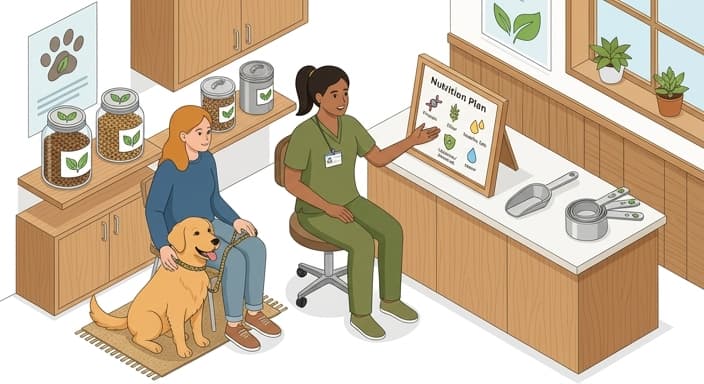
One of the most immediate ways a pet owner can exert a positive environmental impact is by reconsidering the "waste cycle." Every day, millions of plastic bags—which take hundreds of years to decompose—are discarded into landfills, where they often fail to degrade properly due to a lack of oxygen. While "biodegradable" or "compostable" bags have become popular, not all are created equal; many are made from bioplastics that still require industrial composting facilities to break down.
As a veterinarian, I encourage owners to look for bags certified by the BPI (Biodegradable Products Institute) or those made from plant-based materials like cornstarch, which genuinely degrade in home composting systems or certified facilities. However, we must also exercise caution: pet waste is a vector for pathogens like Giardia, Salmonella, and E. coli. It should never be added to a garden compost pile intended for food crops. The goal is to minimize the use of non-recyclable plastic and ensure that what we do use is handled in a way that protects local groundwater and soil quality from the runoff associated with improper waste disposal.
Sustainable Enrichment: Quality Over Convenience
The pet toy industry is rife with mass-produced, petroleum-based plastics that are often discarded after a few weeks of rough play. This "fast-fashion" approach to pet toys results in mountains of microplastics entering our ecosystems as our pets chew and tear through their playthings. When we select toys for our dogs and cats, we should prioritize durability and material integrity. Natural rubber, hemp, organic cotton, and untreated wood are not only safer for your pet—reducing the risk of ingesting harmful chemicals or synthetic fibers—but they are also significantly easier on the environment.
The most sustainable toy is one that lasts for years rather than days. Look for companies that offer "replace or repair" guarantees or those that utilize recycled materials. Additionally, consider the rise of "DIY enrichment," where everyday household items—like cardboard boxes, toilet paper rolls, or old t-shirts—can be fashioned into puzzle feeders or sensory dens. This approach keeps your pet’s mind stimulated without the need for constant, resource-heavy shopping trips. By focusing on high-quality, sustainable materials, you are essentially investing in your pet’s long-term mental health while simultaneously voting against the culture of single-use consumption.

The Clinical Perspective on Natural Grooming and Prevention
Many conventional pet grooming products are laden with synthetic fragrances, sulfates, and parabens, which are not only potential allergens for sensitive skin but also pollutants that wash directly into our water systems. As a clinician, I frequently treat dermatological issues that stem from harsh chemical exposure. Opting for grooming products that are biodegradable, sustainably sourced, and free from synthetic additives is a proactive step that protects your pet’s skin barrier and preserves the aquatic health of your local community.
Sustainability also extends to preventive healthcare. By focusing on preventative measures—such as maintaining a healthy weight, regular oral hygiene, and consistent exercise—we reduce the need for reactive, high-intervention medical care. A pet that is kept at a lean body condition score, for instance, is less likely to develop chronic inflammatory conditions like osteoarthritis, which require long-term, resource-intensive pharmaceuticals. In this sense, preventive medicine is the ultimate sustainable practice. By keeping your pet healthy through consistent, evidence-based wellness routines, you are minimizing the ecological footprint associated with chronic disease management, advanced diagnostic imaging, and long-term medication production.
Conscious Consumables: A Holistic Path Forward
The path toward eco-friendly pet care is not about achieving perfection, but about making intentional, evidence-based pivots in our daily routines. It is about understanding that the health of our pets is inextricably linked to the health of the environment they inhabit. By choosing sustainable, high-quality proteins, reducing plastic waste through mindful disposal, selecting durable enrichment tools, and focusing on preventive health to avoid chronic illness, we are doing more than just caring for an animal; we are fostering a more sustainable future.
As pet owners, we are in a unique position to influence the industry toward better standards. By demanding transparency in sourcing, advocating for sustainable packaging, and prioritizing products that align with our ecological values, we can drive positive change. The journey toward a smaller, more responsible "pawprint" is a rewarding one, ensuring that our companions live long, vibrant lives while we work to protect the beautiful, shared world that sustains us both. Remember that every small adjustment—whether it’s switching to a sustainable kibble or opting for a hemp-based toy—contributes to a larger movement of stewardship, proving that our love for our pets and our love for the planet can truly go hand-in-paw.
Common Questions
🤔
Frequently Asked Questions
How can I transition my pet to a sustainable diet without compromising health?▼
Begin with a gradual transition under veterinary guidance, mixing the new diet with the current one and increasing the new food slowly over 7–14 days. Monitor appetite, stool quality, energy levels, and any signs of intolerance throughout the transition. Choose brands that use novel or circular proteins and responsibly sourced by-products, ensuring the formulation is complete and balanced for your pet’s life stage and species. If any issues arise, pause the transition and consult your veterinarian for personalization.
What should I look for in biodegradable waste bags and disposal to ensure real eco-benefit?▼
Look for bags certified by the Biodegradable Products Institute (BPI) or bags made from plant-based materials that truly degrade in home or certified facilities. Be cautious of claims that require industrial composting only, as home systems may not reach the needed conditions. Always bag waste and dispose of it according to local guidelines to prevent environmental contamination and protect groundwater and soil health.
How can I reduce plastic waste in enrichment and toys?▼
Prioritize durable, non-toxic toys made from natural or recycled materials and rotate a smaller set of high-quality items to maintain engagement. Avoid petroleum-based plastics and hollow or breakable toys that shed small pieces. Consider upcycling or DIY options, support brands with sustainable packaging, and replace worn toys promptly to prevent injuries.
How can I evaluate sustainability claims on pet products?▼
Look for transparent sourcing, minimal and recyclable packaging, and third-party certifications that verify environmental claims. Favor brands that demonstrate life-cycle thinking, including reduced emissions, water use, and waste, and that use by-products or responsible farming/production practices. Verify certifications like BPI or other credible eco-labels and seek detailed explanations of supply chains and end-of-life disposal from manufacturers.