Blog5/11/2026
Sustainable Eco-Friendly Toys for Dogs: Safe, Green Fun
6 mins Read

The Briefing
Quick takeaways for the curious
Conventional dog toys often contain PVC, phthalates, and BPA, which pose hormonal and digestive risks for dogs and contribute to landfill waste.
Shifting to sustainable, non-toxic, biodegradable materials is essential for canine health and environmental responsibility.
Hemp fibers offer natural antimicrobial properties, high tensile strength, and dental-cleaning benefits, making them excellent for heavy chewers.
Natural rubber from Hevea brasiliensis provides durable, sustainable play and, when FSC-certified, supports forest conservation instead of deforestation and reduces reliance on petroleum-based materials.
Low-impact enrichment with biodegradable puzzles and toys helps reduce landfill debris while supporting cognitive health and natural predatory instincts.
There is a pervasive misconception among modern pet owners that the durability of a dog toy is synonymous with its value, often overlooking the biological and environmental reality that the pet industry’s reliance on virgin plastics and synthetic rubber contributes to a cycle of waste that ends up in both our landfills and our pets' digestive tracts. As a veterinarian consultant, I frequently see dogs presenting with foreign body obstructions caused by cheap, mass-produced plastic toys, and I have found that the most significant advancement in canine enrichment is the intentional shift toward sustainable, non-toxic, and biodegradable materials.
We are moving away from the outdated notion that a toy is merely a disposable distraction and toward a more comprehensive understanding of "conscious play," where the materials we provide our dogs reflect our responsibility toward both their long-term health and the health of the planet. True wellness for a canine companion is not just about keeping them occupied; it is about providing durable, natural, and safe tools that engage their senses without introducing endocrine-disrupting chemicals or microplastics into their environment.
The Hidden Costs of Conventional Play: Why Materials Matter
To understand why sustainable toys are a veterinary imperative, we must look at the composition of the average "bargain bin" toy found in big-box stores. Many conventional dog toys are manufactured using polyvinyl chloride (PVC), phthalates, and bisphenol A (BPA)—compounds that have been linked to hormonal imbalances and reproductive issues in both humans and animals. Furthermore, because dogs interact with their toys primarily through their mouths, they are effectively "chewing" on these chemical additives for hours at a time.
When a dog tears apart a synthetic plush toy filled with cheap polyester stuffing, they are not only creating a mess in your living room; they are at risk of ingesting synthetic fibers that can lead to gastrointestinal impaction. By transitioning to sustainable options, we reduce the chemical load on our dogs' endocrine systems and minimize the risk of mechanical injury from fragmented, brittle plastic. Sustainable toys, by contrast, utilize materials like organic cotton, natural hemp, and sustainably harvested rubber, which are not only safer if accidentally ingested in small quantities but are also produced with a significantly lower carbon footprint.
The Durability of Nature: Why Hemp and Natural Rubber Excel
The hallmark of a truly eco-friendly toy is its ability to withstand the rigors of canine play without sacrificing safety. Hemp fiber is perhaps the most underrated material in the pet industry; it is naturally antimicrobial, mold-resistant, and possesses a tensile strength that rivals many synthetic nylon blends. For heavy chewers, hemp ropes provide a superior tactile experience that helps clean teeth through natural friction, effectively acting as a form of "dental floss" during play.
Natural rubber, derived from the sap of the Hevea brasiliensis tree, is the gold standard for sustainable durability. Unlike synthetic rubber, which is derived from petroleum-based chemicals, natural rubber is biodegradable and free from the harmful dyes and softeners found in mass-market alternatives. When choosing a toy, look for certifications such as FSC-certified natural rubber, which ensures that the harvesting process supports forest conservation rather than deforestation. These materials offer the satisfying "give" that dogs crave, protecting their dental enamel while providing an outlet for their predatory drive.

The Cognitive Connection: Enrichment Through Biodegradable Puzzles
Enrichment is the cornerstone of canine behavioral health, yet many owners rely on plastic-heavy puzzle feeders that, once broken, become permanent pieces of landfill debris. As a veterinarian, I advocate for "low-impact enrichment"—using materials that can eventually return to the earth. Think of interactive feeders made from wood, untreated bamboo, or thick, braided organic fibers that require the dog to solve a problem to receive a reward.
The goal of these toys is to simulate the foraging behavior that dogs are genetically programmed to perform. When a dog works to extract a treat from a heavy-duty natural rubber base or a wooden sliding puzzle, they are engaging in complex problem-solving that releases dopamine and lowers cortisol levels. By choosing these sustainable alternatives, you are not just keeping your dog busy; you are fostering a state of calm, focused engagement that reduces common behavioral issues like separation anxiety and destructive chewing, all while ensuring that the toy’s lifespan is measured in years rather than weeks.
Curating a Sustainable Toy Chest: What to Look For
When shopping for your next dog toy, the "vet-approved" checklist is simple: transparency, material integrity, and end-of-life disposal. Avoid toys that have a strong "chemical" odor upon opening—this is often a sign of off-gassing from synthetic dyes or stabilizers. Instead, prioritize companies that provide clear sourcing information. Are the toys made from GOTS-certified (Global Organic Textile Standard) cotton? Is the leather ethically sourced and free from toxic chromium tanning agents?
Furthermore, consider the "life cycle" of the toy. If a toy reaches the end of its utility, can it be composted or recycled? Many sustainable companies now offer take-back programs or use materials that are fully compostable in a home or industrial setting. By curating a collection of high-quality, sustainable toys, you create a "curated play" environment that is safer for your pet and significantly less taxing on our environment. This shift in mindset moves us from being passive consumers of pet products to active stewards of our pets' health and the planet they inhabit.
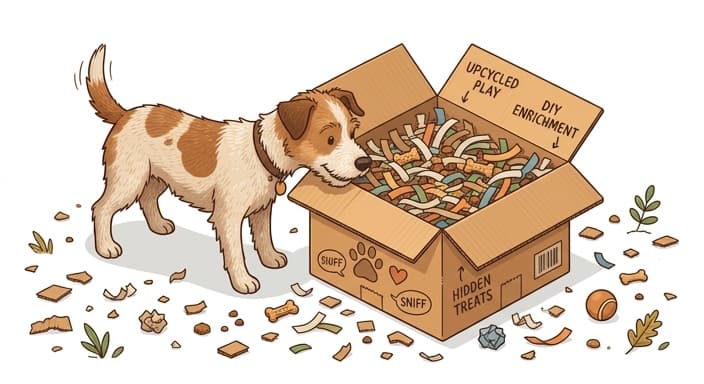
The Role of DIY Enrichment: Reducing Waste at the Source
Sometimes, the most sustainable and enriching toy is the one you create yourself from repurposed household items. As a veterinarian, I am a huge proponent of "upcycled play." A clean, empty cardboard box filled with paper scraps and hidden treats provides an incredible scent-work exercise for a dog, stimulating their olfactory bulb in ways a store-bought toy cannot. Similarly, a knotted piece of old, clean cotton clothing can serve as a tug-toy that is free, non-toxic, and easily compostable when it finally wears out.
However, safety remains the priority: always supervise these DIY sessions to ensure your dog is not consuming large quantities of cardboard or fabric. The objective is to encourage your dog to use their natural instincts—sniffing, shredding, and exploring—in a controlled manner. By integrating these simple, zero-waste activities into your dog's daily routine, you reinforce the bond between you and your pet while drastically reducing the need for new, resource-intensive products.
Moving Toward a Greener Future for Our Pets
The transition to sustainable, eco-friendly play is not merely a lifestyle trend; it is a profound commitment to the health of our canine companions and the world we share with them. By moving away from cheap, synthetic, and often toxic materials, we are making a conscious choice to prioritize the biological integrity of our dogs. Whether you choose to invest in high-quality, natural hemp and rubber toys or engage in low-waste, DIY enrichment, every decision you make contributes to a safer, more sustainable environment. As we continue to learn more about the environmental and physiological impacts of our consumer choices, let us ensure that our pets' playtime remains as natural, healthy, and enriching as the bond they provide us every single day.
Common Questions
🤔
Frequently Asked Questions
What defines a dog toy as eco-friendly and why should I care?▼
Eco-friendly dog toys prioritize non-toxic, biodegradable, and sustainably sourced materials over cheap, disposable plastics. They reduce the risk of chemical exposure that can affect a dog's endocrine system and intestinal health, and they lessen the environmental footprint of pet products. Choosing these toys aligns your dog's wellness with a broader commitment to planetary health.
Which materials are recommended for sustainable dog toys and why?▼
Recommended materials include organic cotton, natural hemp, and FSC-certified natural rubber. These materials are generally non-toxic, durable, and either biodegradable or forest-friendly, reducing chemical load in the dog and overall waste. Avoid PVC, phthalates, and BPA found in many bargain-bin toys, which can leach chemicals and contribute to hormonal disruption and environmental harm.
How can I assess durability and safety for heavy chewers?▼
Look for products designed for strong chewers with sturdy construction and minimal small parts that could break off and be swallowed. Check for material certifications and manufacturer transparency about fiber content and sourcing, such as FSC certification for rubber. Regularly inspect toys for wear, discard any pieces that start to shred, and supervise play to prevent choking or obstructions.
What does 'conscious play' mean and what are its benefits?▼
Conscious play means selecting toys and enrichment activities that support long-term health, mental stimulation, and planetary stewardship. It emphasizes safe, durable, and natural materials over disposable plastics, reducing exposure to toxins while decreasing waste. This approach enhances canine welfare by offering meaningful enrichment and aligns pet care with sustainable living principles.