Blog5/5/2026
Summer Heat Safety Tips for Pets: Protect Your Dogs and Cats
6 mins Read

The Briefing
Quick takeaways for the curious
Summer heat safety for pets should be proactive and science-based rather than relying on outdated assumptions.
Dogs and cats cool themselves poorly through sweating, making them vulnerable to rapid heat buildup that can progress from heat stress to heatstroke if their core temperature rises above 106 degrees Fahrenheit, potentially causing organ damage.
The Seven-Second Test helps determine if pavement is safe for paws: if the back of your hand cannot stay on the surface for seven seconds, it is too hot for paw pads.
Ground temperatures can be dangerously high even when the air is mild, so avoid midday walks and choose cooler surfaces or times.
Hydration and cooling require more than a bowl of water; use water-rich enrichment, multiple water stations, ice cubes, canned-food moisture, and cooling options like shallow pools to support your pet's comfort and safety.
There is a persistent, outdated myth in the modern pet care community that our dogs and cats are naturally equipped to handle the sweltering summer months with the same resilience as their ancestors, simply by finding a shady spot in the yard. As a veterinarian consultant, I frequently speak with well-meaning pet parents who are shocked to learn that their companion’s normal activity levels during a mild spring day can become life-threatening when the mercury climbs. We are finally moving toward a more sophisticated, holistic standard of seasonal pet wellness that views heat safety not as a matter of common sense, but as a proactive, science-based strategy to prevent heat-related illness before it begins.
The Physiology of Overheating: Understanding the Canine and Feline Threshold
To understand why our pets are so vulnerable to the summer heat, we must look at their unique biological thermoregulation systems. Unlike humans, who rely on an extensive network of sweat glands distributed across the entire body to dissipate heat, dogs and cats possess very limited sweating capabilities. Dogs primarily rely on panting—a process that moves air over the moist surfaces of the tongue and lungs—while cats utilize grooming to allow evaporation to cool their skin. When the ambient temperature rises and humidity levels spike, these mechanisms become significantly less efficient.
From a veterinary perspective, the danger lies in the rapid progression from mild heat stress to heat exhaustion, and finally, to heatstroke—a medical emergency where the body’s internal temperature exceeds the ability to regulate it. Once a pet’s core temperature rises above 106°F, internal organs, including the kidneys, liver, and brain, begin to suffer cellular damage. Recognizing the subtle signs of distress—such as heavy, frantic panting, dark red or purple gums, thick, sticky saliva, and lethargy—is the first line of defense in protecting your pet from the silent threat of the summer sun.
The Myth of the "Cool" Pavement: Protecting Paw Pad Integrity
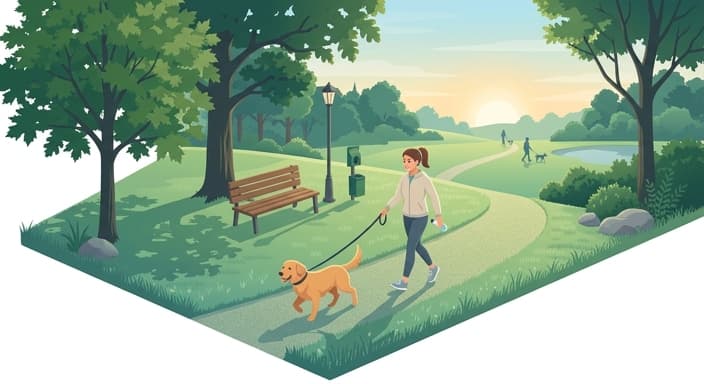
One of the most frequently overlooked hazards during the summer is the temperature of the ground beneath our pets' feet. Many pet parents assume that if the air temperature is in the mid-80s, the sidewalk is safe for a walk, but this is a dangerous misconception. Asphalt and concrete are exceptional at absorbing and retaining heat; when the air temperature is just 86°F, asphalt can reach a blistering 135°F. At this temperature, skin destruction can occur in as little as sixty seconds.
As a veterinarian, I recommend the "Seven-Second Test": place the back of your hand firmly against the pavement for seven seconds. If it feels too hot for your skin, it is undoubtedly too hot for your pet’s paw pads. This is not just a comfort issue; paw pad burns are painful, prone to infection, and require intensive veterinary care. Instead of midday excursions, shift your exercise routine to the early morning hours before the sun has had time to bake the surfaces, or opt for grassy paths where the earth remains cooler and more forgiving on the feet.
Hydration as a Therapeutic Tool: Beyond the Water Bowl
While fresh water is obviously essential, "hydration management" during the summer involves more than just filling a bowl. We must consider the quality and accessibility of water to encourage proper intake. Many pets, particularly those prone to urinary issues or those who are less motivated to drink, often become mildly dehydrated during the summer months simply because their water source is not appealing or is too far away.
To optimize hydration, I suggest incorporating "water-rich enrichment." This includes adding extra water to canned food to create a "soupy" consistency, offering ice cubes as a crunchy, cooling treat, or providing multiple water stations throughout the house. For dogs, a shallow kiddie pool filled with a few inches of cool water can serve as a fantastic "cooling station," allowing them to stand in the water and dissipate heat through their paws and belly. Remember that elevated temperatures increase the risk of bacterial growth in standing water; ensure that bowls are washed daily with soap and water to keep your pet’s hydration source clean and inviting.
Environmental Control: Creating a Micro-Climate of Safety
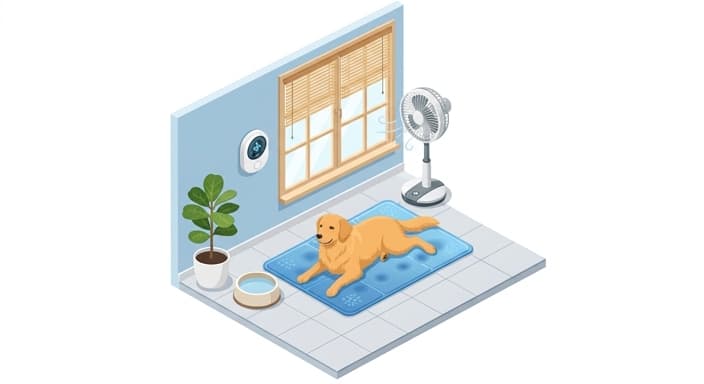
Even when we are at work, our pets are at the mercy of the indoor climate. Many pet parents make the mistake of turning off the air conditioning to save on energy costs, assuming that an indoor pet will be fine if they have a fan or a cool tile floor. However, when indoor temperatures rise above 80°F, especially in humid climates, the risk of heat stress remains significant. A fan alone does little to cool a pet because, unlike humans, they do not rely on sweat evaporation from the skin to cool down.
The goal is to create a climate-controlled "safe zone." If you are away, ensure that your pet has access to an air-conditioned room or an area with significant airflow and cross-ventilation. For pets that are particularly heat-sensitive—such as brachycephalic (flat-faced) breeds like Bulldogs, Pugs, or Persians, as well as senior pets or those with underlying cardiac conditions—keeping the environment under 75°F is the gold standard. Utilizing cooling mats, which use pressure-activated gel to draw heat away from the body, can be a game-changer for pets that struggle to settle in the heat.
The Danger of the "Quick Trip": Why Seconds Matter
Despite years of public awareness campaigns, the "quick trip" into the store with a pet left in the car remains one of the most common causes of preventable heatstroke. It is important to realize that the interior of a car acts like a greenhouse; even with the windows cracked, the temperature inside a vehicle can rise by nearly 20 degrees within ten minutes. On an 85°F day, your car can reach a lethal 102°F in just ten minutes, and 120°F in half an hour.
The risk is not just the temperature, but the lack of movement and the inability of the pet to escape the rising heat. If you are running errands, the safest place for your pet is at home, in a cool, dark room with plenty of fresh water and perhaps a puzzle toy to keep them mentally engaged. If you must travel with your pet, always have a second person in the car who can keep the air conditioning running while you step out, or ensure that you are strictly visiting pet-friendly establishments where your companion is welcome to join you inside.
Proactive Summer Planning: A Veterinarian’s Checklist
As we navigate the summer months, I encourage every pet parent to adopt a proactive, rather than reactive, mindset. This means scheduling your pet’s annual wellness exam before the peak heat of summer arrives, specifically to discuss their individual heat tolerance. If your pet is overweight, has a thick double coat, or has a history of respiratory issues, your veterinarian can provide a personalized safety plan tailored to their specific physiology.
Furthermore, keep an "Emergency Cooling Kit" on hand. This should include a bottle of water, a clean towel, and the contact information for your nearest 24-hour emergency veterinary clinic. By understanding the signs of heat stress, controlling the environment, and adjusting your daily routines to respect the power of the summer sun, you can ensure that the season remains a time for bonding and adventure rather than a period of medical crisis. Our pets rely on us to be their environmental advocates; with a bit of foresight and professional guidance, we can ensure they thrive safely until the cooling relief of autumn arrives.
Common Questions
🤔
Frequently Asked Questions
Why are pets more vulnerable to heat than humans?▼
Pets have limited sweating capabilities, with dogs relying mainly on panting and cats on grooming for evaporative cooling. This makes heat removal less efficient and allows heat to accumulate quickly. The danger can progress from mild heat stress to heatstroke when core temperature rises above 106 degrees Fahrenheit, risking organ damage. Early signs like heavy panting, red gums, lethargy, and drooling require prompt veterinary attention.
What is the Seven-Second Test and how do I use it?▼
Place the back of your hand on the pavement in the sun or shade for seven seconds. If it feels too hot to hold comfortably, it is too hot for your pet's paw pads. This quick check helps prevent paw pad burns and infections. When surfaces are hot, opt for grassy paths or walk during cooler parts of the day.
How can I keep my pet hydrated and cool beyond a water bowl?▼
Hydration management means more than just a bowl of water. Add moisture to canned food to create a soupy consistency, offer ice cubes as a cooling treat, and provide multiple water stations around the home. For dogs, a shallow kiddie pool or splash mat can offer a refreshing cooling option. Monitor intake and adjust access based on your pet's needs.
What should I do if I suspect heatstroke?▼
If you suspect heatstroke, move your pet to a cooler, shaded area and begin gentle cooling with lukewarm water while avoiding ice-cold baths. Offer small amounts of water if your pet is conscious and able to drink. Seek immediate veterinary care, as heatstroke can progress rapidly and cause organ damage.