Blog5/12/2026
Summer Heat Safety Tips for Pets: Proactive Environmental Care
6 mins Read
The Briefing
Quick takeaways for the curious
Pets cannot dissipate heat as efficiently as humans, making them vulnerable to heat-related illness during hot weather.
Dogs and cats rely primarily on panting and limited sweating through their paw pads, which can fail in humid or high-temperature conditions.
Brachycephalic breeds with short noses have restricted airways that hamper cooling, turning an ordinary summer day into a medical emergency.
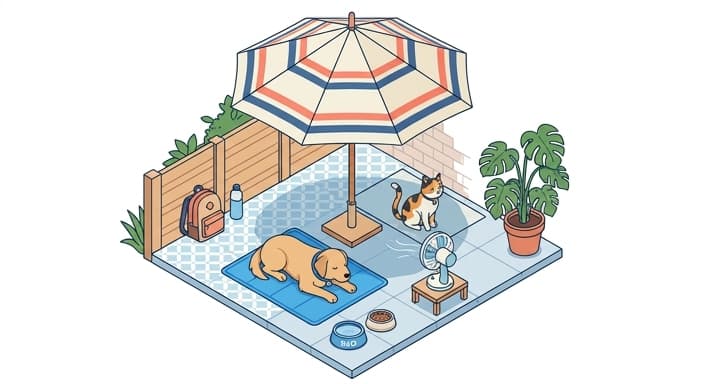
Effective heat safety means environmental stewardship: shade, airflow, water, and modified routines that respect an animal's physiological limits.
Early detection and prompt cooling—without using ice or freezing baths—can prevent progression to heat stroke and save lives.
There is a pervasive misconception among modern pet owners that a dog’s or cat’s natural resilience is enough to withstand the intensity of a summer afternoon, often overlooking the biological reality that our companions lack the efficient thermoregulatory mechanisms—specifically, the widespread sweat glands—that humans rely on to survive high-temperature environments. As a veterinarian consultant, I frequently see pets presenting with clinical heat-related pathologies, ranging from mild heat exhaustion and localized thermal pad burns to catastrophic, multi-organ system failures resulting from heatstroke, and I have found that the most significant advancement in seasonal pet care is the intentional shift toward proactive, science-backed environmental management.
We are moving away from the outdated notion that summer is merely a time for extended outdoor excursions and toward a more comprehensive understanding of "thermal stewardship," where the environment we curate for our pets reflects our responsibility toward their physiological limits. True wellness during the summer months is not just about keeping a bowl of water in the corner; it is about recognizing the subtle, often silent signs of overheating and modifying our daily routines to ensure that our pets’ internal body temperatures remain within a safe, homeostatic range despite the rising mercury.
The Physiology of Overheating: Why Pets Are More Vulnerable
To understand why summer heat safety is a veterinary imperative, we must first examine the canine and feline cooling system. Unlike humans, who sweat through pores across their entire body, dogs and cats rely primarily on panting—the evaporation of moisture from the tongue and upper respiratory tract—and minimal sweating through their paw pads to dissipate heat. When the ambient temperature rises, or humidity prevents that moisture from evaporating effectively, the pet’s internal cooling system begins to fail, leading to a rapid spike in core body temperature.
This is compounded by the fact that many of our pets are "brachycephalic" (short-nosed) breeds, such as French Bulldogs, Pugs, and Persian cats. Their anatomically compromised airways make efficient panting nearly impossible, turning a standard eighty-degree day into a potential medical emergency. As an owner, your role is to act as an external thermostat, recognizing that what feels like a "pleasant breeze" to you may be a dangerous, stifling environment for a four-legged companion trapped in a fur coat.
Recognizing the Red Flags: Clinical Signs of Heat Distress
Early intervention is the cornerstone of preventing heatstroke, yet many owners wait until a pet is lethargic or collapsing before realizing something is wrong. In my practice, I emphasize the "early-detection protocol." Watch for excessive, frantic panting that does not subside even when the pet is resting. Look for bright red or purple gums, which indicate that the body is shunting blood to the surface in a desperate attempt to cool down. Other critical signs include thick, ropey saliva, a glazed-over look in the eyes, uncoordinated movement (ataxia), and vomiting or diarrhea.
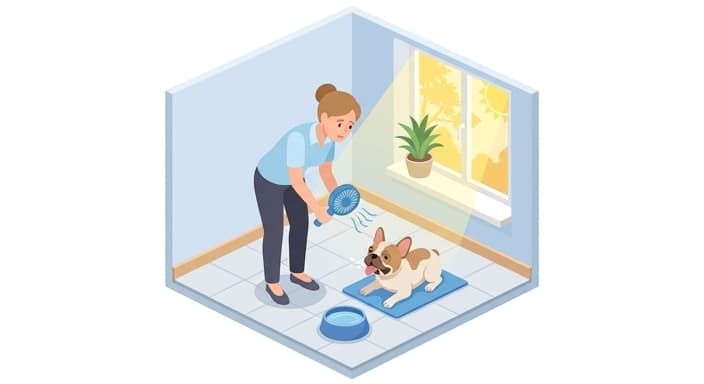
If you suspect your pet is overheating, time is of the essence. You do not necessarily need to reach a clinic immediately to start the cooling process, but you must be careful not to over-correct. Never use ice water or freezing cold baths, as this can cause peripheral vasoconstriction, effectively trapping heat in the core and causing the internal temperature to skyrocket. Instead, move the pet to a shaded or air-conditioned area, offer cool (not ice-cold) water, and apply damp, room-temperature towels to their paw pads, underarms, and inner thighs. Seek veterinary attention immediately if the animal does not show signs of recovery within minutes.
The "Asphalt Test" and Other Surface Dangers
One of the most frequent summer injuries I treat in the clinic is thermal contact burns on the footpads. We often forget that asphalt and concrete act as heat sinks, absorbing solar radiation and remaining dangerously hot long after the sun has begun to set. If the air temperature is eighty-five degrees, the asphalt can reach a staggering one hundred and thirty-five degrees—a temperature capable of causing second-degree burns in less than sixty seconds.
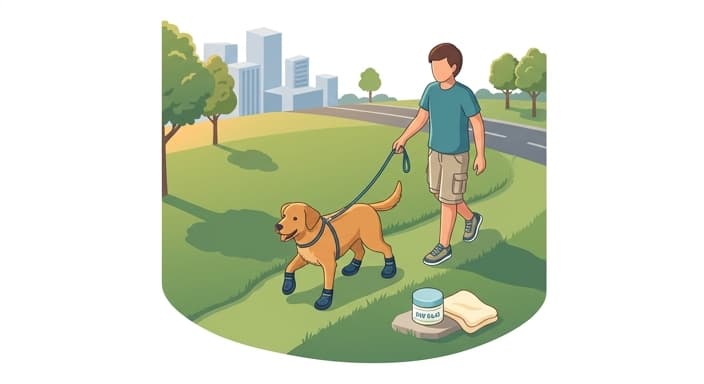
The rule of thumb is simple: The "Five-Second Test." Place the back of your hand against the pavement. If you cannot hold it there comfortably for five seconds, it is far too hot for your pet’s sensitive paw pads. During the summer, strictly limit walking to the early morning or late evening hours. If you must go out, stick to grassy paths or trails where the ground remains cooler. Additionally, consider protective wax balms or lightweight, breathable dog booties if you live in an urban environment where hot pavement is unavoidable.
Hydration and Environmental Enrichment: Keeping It Cool
Hydration is not merely about water intake; it is about electrolyte balance and accessibility. In the heat, pets lose moisture rapidly through respiration. Ensure that multiple water sources are available throughout the house and yard, preferably using ceramic or stainless steel bowls that keep the water temperature lower for longer. Adding a few ice cubes to their water bowl can provide both cooling and mental stimulation, acting as an enrichment activity that encourages them to engage with their hydration.
For those long summer afternoons, environmental enrichment should shift toward "low-exertion" activities. Instead of high-intensity games of fetch that encourage heart-rate spikes, focus on scent-based games, puzzle feeders, or indoor training sessions in a climate-controlled room. If your pet enjoys the outdoors, consider investing in a cooling mat, a raised "cot-style" bed that allows for airflow beneath their body, or even a shallow, pet-safe kiddie pool. Always ensure there is a clear, unobstructed path to shade, as even a ten-minute session in direct sunlight can be taxing for senior pets or those with underlying cardiac or respiratory issues.
The "Never Leave Them Alone" Rule: Understanding Vehicle Temperatures
It is a somber reality that we still see cases of heatstroke resulting from pets left in parked vehicles. Even with the windows "cracked," a car can reach life-threatening temperatures within minutes. The greenhouse effect is real and unforgiving; on an eighty-five-degree day, the interior of a car can surpass one hundred degrees in less than ten minutes. Because pets cannot regulate their body heat like we can, the internal organs begin to suffer damage well before the owner returns from a "quick errand."
If you are running errands, the safest place for your pet is at home in a cool, safe environment. If your pet must travel, ensure the vehicle is pre-cooled, and never leave them unattended, even for a moment. If you see a pet in a parked car on a hot day, look for the owner in nearby stores or alert local authorities immediately. This is not about being overly cautious; it is about acknowledging that a few minutes of convenience for us can mean a lifetime of consequences for them.
Summer is a season of vitality and outdoor connection, but as responsible pet guardians, we must temper our enthusiasm with a clinical awareness of our pets' limitations. By prioritizing shade, managing surface temperatures, and staying vigilant for the earliest signs of discomfort, we can ensure that our pets thrive during these warmer months. Ultimately, the best summer memories are the ones where our pets are safe, comfortable, and by our sides—not just for the season, but for years to come.
Common Questions
🤔
Frequently Asked Questions
Why are pets more vulnerable to heat than humans?▼
Dogs and cats rely primarily on panting and minimal sweating through their paw pads to dissipate heat, which can be overwhelmed by heat and humidity. When ambient temperatures rise, an animal's cooling mechanisms can fail and core temperature climbs rapidly. Brachycephalic breeds with short noses are especially vulnerable because their airways impede efficient panting. Owners must act as an external thermostat by creating a cooler environment and adjusting activities.
What signs indicate overheating in a pet?▼
Look for excessive, frantic panting that persists at rest, bright red or purple gums, thick ropey saliva, a glazed look in the eyes, uncoordinated movement, and vomiting or diarrhea. These signs suggest the body is struggling to cool down and may progress to heat stroke if not addressed promptly. Early recognition is key to preventing a medical emergency.
What should I do if I suspect heat distress at home?▼
Move the pet to a shaded or air-conditioned area and offer cool, not ice-cold, water. Apply damp, room-temperature towels to the paw pads, underarms, and inner thighs to help with cooling. Do not use ice water or freezing baths, as these can trap heat in the core. Seek veterinary attention immediately if the pet does not rapidly improve.
What are common surface dangers in summer, and how can I protect my pet's paws?▼
Thermal burns on paw pads from hot sidewalks and asphalt are a frequent summer injury. Check pavement temperatures and avoid outdoor activity during peak heat; walk when surfaces are cooler or choose grassy routes. Consider protective booties or shorter sessions on hot days, and contact a veterinarian promptly if there are signs of burns or limping.