Blog5/13/2026
Summer Heat Safety for Pets: Practical Prevention Tips
6 mins Read
The Briefing
Quick takeaways for the curious
Pets rely primarily on panting for cooling, and high humidity can significantly reduce evaporative cooling, making heat danger more acute.
Brachycephalic breeds face higher heatstroke risk due to airway restrictions, so extra supervision and avoidance of hot outdoor exposure are essential.
Early signs of heat stress are subtle but include frantic panting, bright red or purple gums, and thick, sticky saliva, along with lethargy or disorientation as symptoms progress.
Pavement can reach temperatures 40 to 60 degrees Fahrenheit hotter than the surrounding air, so the seven-second rule helps determine paw safety before walks.
A proactive, home-based cooling strategy—accessible cooling spaces, shaded outdoor time, fresh water, and adjusted routines—forms the cornerstone of safe summer pet care.
There is a pervasive misconception among modern pet owners that a dog’s or cat’s natural resilience is enough to withstand the intensity of a summer afternoon, often overlooking the biological reality that our companions lack the efficient thermoregulatory mechanisms—specifically, the widespread sweat glands—that humans rely on to survive high-temperature environments. As a veterinarian consultant, I frequently see pets presenting with clinical heat-related pathologies, ranging from mild heat exhaustion and localized thermal pad burns to catastrophic, multi-organ system failures resulting from heatstroke, and I have found that the most significant advancement in seasonal pet care is the intentional shift toward proactive, science-backed environmental management.
We are moving away from the outdated notion that summer is merely a time for extended outdoor excursions and toward a more comprehensive understanding of "thermal stewardship," where the environment we curate for our pets reflects our responsibility toward their physiological limits. True wellness during the summer months is not just about keeping a bowl of water in the corner; it is about recognizing the subtle, often silent signs of overheating and modifying our daily routines to ensure that our pets’ internal body temperatures remain within a safe, homeostatic range despite the rising mercury.
The Physiology of Overheating: Why Pets Are More Vulnerable
To understand why summer heat safety is a veterinary imperative, we must first dispel the myth that a pet’s fur coat provides adequate protection against extreme ambient heat. In reality, a pet’s primary cooling mechanism is panting—the process of moving cool air over the moist surfaces of the tongue and respiratory tract to facilitate evaporative cooling. Unlike humans, who can sweat across the surface area of their entire bodies, dogs and cats rely on limited areas like paw pads and nasal passages for minimal moisture release.
When the ambient humidity is high, this evaporative cooling becomes significantly less efficient, causing the pet’s core temperature to climb rapidly. Brachycephalic breeds—those with shortened snouts such as Pugs, Bulldogs, and Persians—are at an even higher risk due to anatomical airway restrictions that make efficient panting physically difficult. For these animals, heatstroke is not just a risk; it is a constant, looming threat whenever they step outdoors. As owners, we must recognize that a pet’s internal "thermostat" is far more delicate than our own, and their inability to articulate physical distress until they are already in a state of crisis makes constant, proactive supervision mandatory.
Identifying the Silent Warning Signs of Heat Stress
Recognizing the onset of heat exhaustion is often a game of seconds. Because our pets cannot verbalize their discomfort, we must rely on observational cues that indicate their body's compensation mechanisms are failing. Initial signs are often subtle: excessive, frantic panting, bright red or purple-tinged gums, and a thick, sticky saliva are early indicators that the body is struggling. If you notice your pet becoming unusually lethargic, stumbling, or appearing disoriented, you are witnessing the transition from heat exhaustion to heatstroke.
One of the most overlooked danger zones is the pavement. Many owners fail to realize that asphalt absorbs heat at an alarming rate, often reaching temperatures 40 to 60 degrees Fahrenheit higher than the ambient air. A simple test is the "seven-second rule": place the back of your hand against the pavement. If you cannot hold it there comfortably for seven seconds, it is too hot for your pet’s paw pads. Prolonged contact with hot surfaces can cause third-degree burns, which are notoriously painful and prone to infection.
Creating a Proactive Cooling Strategy for the Home
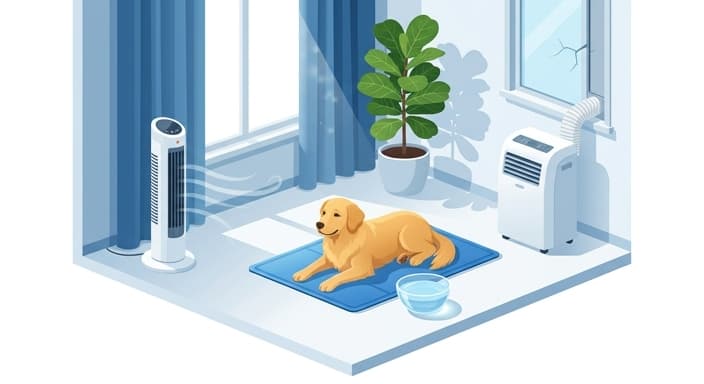
True thermal stewardship involves optimizing the indoor environment to serve as a sanctuary during peak heat hours. While air conditioning is the gold standard, there are several ways to support your pet’s comfort even without centralized cooling. Fans, while helpful for humans, are largely ineffective for pets because they do not sweat; however, they can assist in air circulation if paired with cool surfaces. Consider investing in elevated cooling beds that allow for airflow underneath the body, or placing damp, room-temperature towels in shaded areas for your pet to lie on.
Hydration is equally critical, yet it requires more than just a full bowl. During hot weather, ensure your pet has access to multiple water sources throughout the home. I recommend adding a few ice cubes to their water to encourage interest and help drop the water temperature slightly. For cats, who are notoriously poor drinkers, the addition of a pet-safe water fountain can increase their intake, as the moving water triggers their instinct to hydrate. Furthermore, keeping blinds closed during the hottest part of the day prevents the "greenhouse effect," keeping indoor temperatures significantly lower than the external environment.
Adjusting Exercise Protocols for the "Golden Hours"
The most significant modification a responsible owner can make is the total overhaul of the exercise schedule. During the summer, the traditional midday walk is a relic of the past that we must discard. Instead, shift all physical activity to the "golden hours"—the early morning before 8:00 AM or the late evening after 7:00 PM. Even during these times, it is vital to monitor the humidity index rather than just the temperature, as high humidity effectively traps heat against your pet’s body.
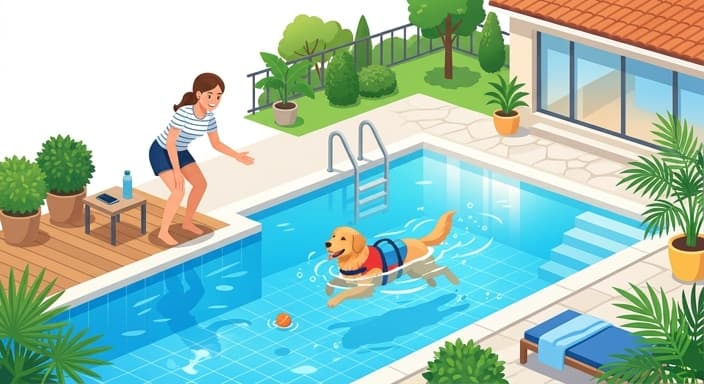
If you must go outside during the day, keep sessions short and focus on "mental exercise" rather than physical exertion. Snuffle mats, puzzle toys, and indoor scent-work games provide the same cognitive stimulation as a long walk without the cardiovascular strain of heat exposure. If you find your pet becoming restless due to cabin fever, consider low-impact aquatic activities. Swimming is an excellent way to dissipate heat, provided the water is clean and you supervise your pet closely to prevent fatigue or accidental ingestion of stagnant water.
Emergency Response: What to Do When Seconds Count
In the unfortunate event that you suspect your pet is suffering from heatstroke, immediate intervention is the single greatest factor in their survival. First, move the animal to a shaded, air-conditioned environment immediately. Offer water, but do not force them to drink, as this can lead to aspiration. The goal is to cool the body gradually; avoid using ice-cold water or ice packs, as this can cause peripheral vasoconstriction, which traps heat inside the core and worsens the condition.
Instead, apply cool (not freezing) water to the pet’s paw pads, ears, and underbelly. If you have a fan, position it so that it blows over the dampened areas to encourage evaporative cooling. Most importantly, contact your veterinarian or the nearest emergency clinic while you are performing these measures. Heatstroke can cause internal damage—such as clotting disorders or kidney failure—that may not be immediately visible but can become fatal within hours of the initial incident. A veterinary exam is non-negotiable, even if your pet appears to "bounce back" after cooling down.
Cultivating a Mindful Summer Routine
As we move through the summer months, our commitment to our pets’ safety should be as consistent as our love for them. By treating temperature regulation as a foundational element of pet health—much like nutrition or preventative medicine—we ensure that our companions remain vital, comfortable, and protected from the hidden dangers of the sun. The goal is to create a lifestyle that balances the joy of seasonal exploration with the scientific reality of our pets’ physical needs. Through proactive environmental management, careful observation, and a willingness to adjust our own routines, we provide our pets with the safest, most comfortable experience possible, allowing us both to enjoy the warmth of the season without compromising their long-term wellness.
Common Questions
🤔
Frequently Asked Questions
What are the early signs of heat stress I should watch for in my pet?▼
Early heat stress signs include frantic panting, bright red or purple gums, and thick, sticky saliva. You may also see sudden lethargy, disorientation, or reluctance to move. If you notice these signs, move your pet to a cooler area, offer water if they are alert, and seek veterinary care promptly if symptoms worsen.
How can I safely test outdoor surface temperatures for paw safety?▼
Use the seven-second rule on asphalt, concrete, and other surfaces: if you cannot hold the back of your hand against the surface for seven seconds, it’s too hot for paws. Check multiple areas in the outdoor space and avoid extended outdoor activity during peak heat. When in doubt, opt for shaded routes, grass, or indoor play to protect paws.
What steps should I take if my pet shows signs of heatstroke?▼
Move immediately to a cooler, shaded area and begin gradual cooling with cool (not ice-cold) water on the fur and body, especially the chest and neck. If possible, monitor core body temperature and seek urgent veterinary care as soon as possible; heatstroke can progress rapidly and require medical treatment. Do not rely on cold water alone to bring down core temperature without professional guidance.
What long-term strategies can create a safer summer environment at home?▼
Create climate-controlled spaces with reliable cooling and plenty of fresh water available at all times. Schedule outdoor activity for cooler times—early morning or late evening—and provide shaded, well-ventilated outdoor areas or indoor play areas on hot days. Regularly inspect surfaces and cooling mats to ensure pets have safe options to rest and cool down.