Blog5/25/2026
Seasonal Allergy Relief Tips for Dogs: Integrated Care
6 mins Read
The Briefing
Quick takeaways for the curious
Seasonal allergies in dogs are not just a seasonal nuisance; they represent an ongoing immune reaction to environmental proteins and can degrade the skin barrier if ignored.
Integrated allergy management emphasizes strengthening the skin barrier and modulating the immune system through a multi-modal approach that includes topical care, environmental control, and proactive routines.
Regular therapeutic bathing with hypoallergenic shampoos helps remove allergens from the coat and reduces inflammatory load, while paw-wipe protocols limit indoor allergen introduction.
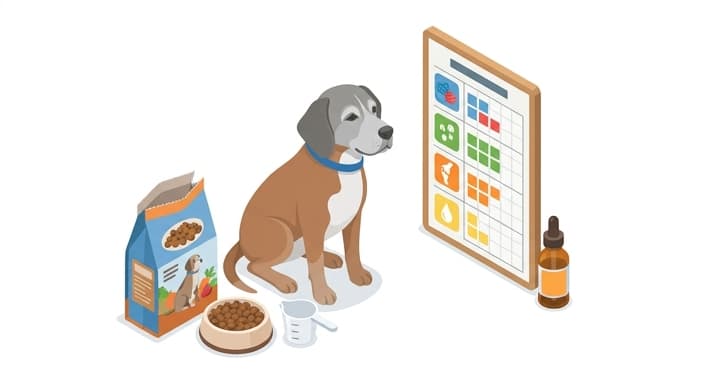
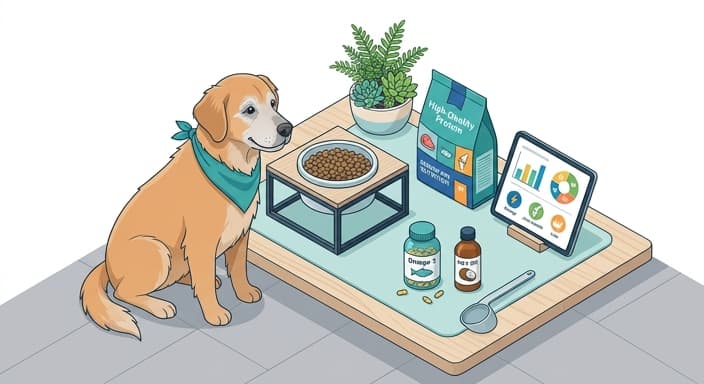
Nutrition, especially omega-3 fatty acids, supports skin health and immune regulation, working alongside topical and environmental strategies to modulate responses.
Early recognition of chronic itching and persistent symptoms is crucial; delaying intervention can allow inflammation and secondary infections to become more severe.
There is a pervasive misconception among many pet owners that seasonal allergies are simply an unavoidable price of admission for living in a changing climate, often overlooking the biological reality that chronic itching, licking, and inflammation are not just "seasonal quirks" but signals of an overactive immune system in distress. As a veterinarian consultant, I frequently see owners who treat their dog’s persistent scratching or ear infections as isolated inconveniences, failing to realize that these clinical manifestations are often the result of an inflammatory cascade triggered by environmental allergens like pollens, molds, and dust mites.
We are moving away from the outdated notion that seasonal allergies are a temporary nuisance to be managed with short-term sedatives or harsh chemicals, and toward a comprehensive understanding of "integrated allergy management," where our goal is to strengthen the skin barrier and modulate the immune response before the symptoms become chronic. True wellness for a companion animal is not just about stopping the itch; it is about recognizing that their skin is their largest organ and that proactive, multi-modal care is one of the most impactful ways to align our clinical support with the unique biological requirements of our pets.
The Allergy Fallacy: Why "It’s Just Seasonal" is a Dangerous Misdiagnosis
The most dangerous myth in modern canine dermatology is that a pet’s seasonal itch is merely a superficial problem that will resolve once the seasons change. In reality, what we perceive as "seasonal allergies"—or canine atopic dermatitis—is a complex, systemic immune response where the body mistakenly identifies harmless environmental proteins as dangerous invaders. When a dog inhales or absorbs these allergens through their skin, the immune system releases a flood of histamines and inflammatory cytokines.
This cycle is not just uncomfortable; it is physically exhausting for the animal and creates a "leaky" skin barrier. When the skin barrier is compromised, it becomes a literal open door for secondary bacterial and yeast infections. I often remind clients that if your dog is chewing their paws or shaking their head constantly, they aren't just "being annoying"—they are experiencing a chronic inflammatory state that can lead to permanent skin thickening, scarring, and profound behavioral changes due to the constant, unrelenting discomfort.
The Power of Topical Stewardship: Restoring the Protective Barrier
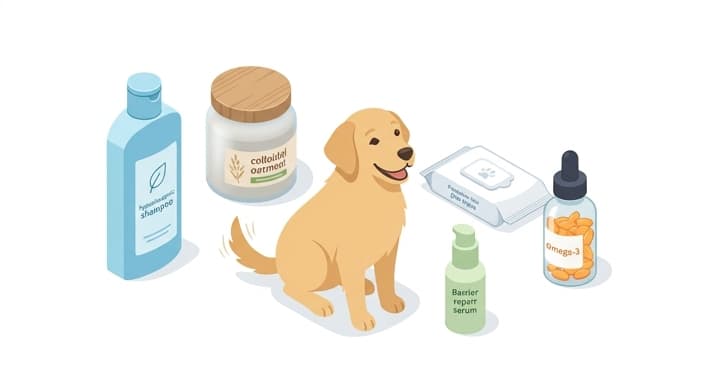
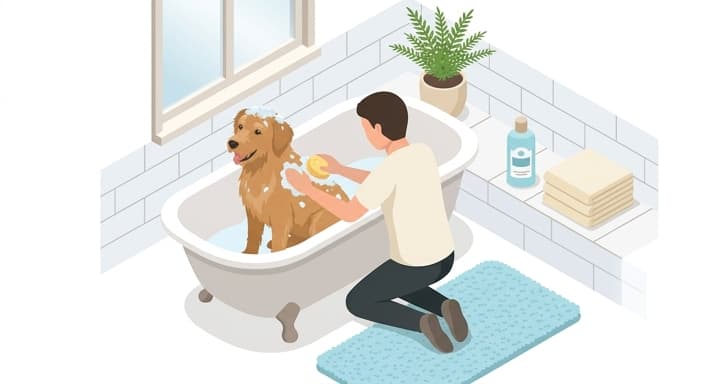
If we want to manage seasonal allergies effectively, we must stop viewing the skin as an impenetrable shield and start viewing it as a delicate interface that requires constant maintenance. The most effective, non-pharmaceutical intervention I recommend is regular, therapeutic bathing. During high-pollen seasons, your dog is essentially a walking duster, collecting microscopic irritants in their coat every time they step outside. By utilizing hypoallergenic, soap-free shampoos with soothing agents like colloidal oatmeal or phytosphingosine, we aren't just cleaning the fur; we are physically removing the allergens before they have a chance to penetrate the dermal layers.
Beyond bathing, the use of targeted topical barrier repair serums can be transformative. Many owners forget that the paws are the primary point of contact for grass pollens. Implementing a "paw-wipe" protocol after every outdoor excursion—using a gentle, fragrance-free wipe—can drastically reduce the total allergen load your dog brings into your home. Think of this as a daily reset for their immune system, preventing the "allergen bucket" from overflowing and triggering a systemic flare-up.
Nutritional Modulation: Feeding the Immune System from Within
While topical care addresses the external environment, what we feed our pets serves as the internal foundation for how they react to the outside world. There is a growing body of evidence supporting the role of omega-3 fatty acids—specifically EPA and DHA derived from cold-water fish—in calming the inflammatory response. These essential fatty acids act as natural anti-inflammatories, helping to stabilize the cell membranes and reduce the production of pro-inflammatory prostaglandins.
However, nutrition for allergy-prone dogs isn't just about adding supplements; it's about identifying potential dietary synergists. If a dog is already struggling with environmental allergens, their immune system is working at 110% capacity. Feeding a diet that is highly digestible, rich in antioxidants, and free from common "hidden" inflammatory fillers can provide the immune system with the breathing room it needs to handle the seasonal challenge. When I consult with owners, I often suggest looking for diets that support the gut-skin axis, as a healthy microbiome is essential for modulating the immune system's sensitivity to environmental triggers.
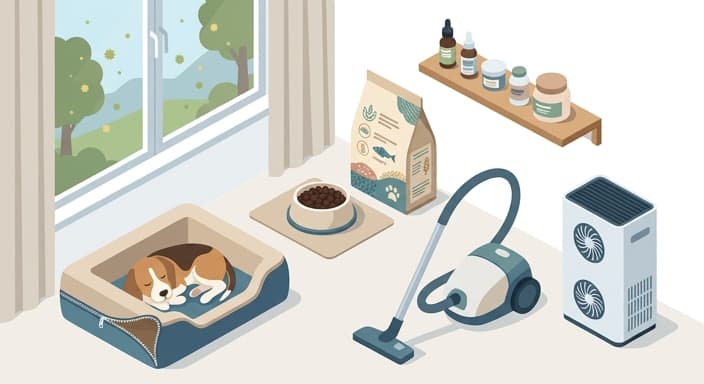
Creating an Allergen-Aware Home Environment
It is a mistake to assume that "outside allergens" stay outside. Dust mites, mold spores, and tracked-in pollens can accumulate in carpets, upholstery, and pet bedding, creating a perpetual allergy loop that keeps your dog in a state of constant, low-grade agitation. To truly support an allergic pet, we must manage their indoor environment with the same rigor we use for our own health.
Frequent washing of pet bedding in hot, fragrance-free cycles is non-negotiable. Furthermore, investing in a high-quality HEPA air purifier can make a world of difference, particularly in the rooms where your dog spends the most time. These devices are exceptionally efficient at capturing the microscopic particles that trigger sneezing and skin irritation. I also advise clients to be mindful of indoor humidity levels. Mold thrives in damp, stagnant air, and for a dog with an already overactive immune system, these spores can be a massive catalyst for secondary infections. Keeping your home’s humidity between 30% and 50% can inhibit mold growth and create a much more comfortable environment for your companion.
When to Seek Professional Veterinary Intervention
While home management strategies are the bedrock of comfort, there is a point where the physical damage to the skin and the psychological impact on the dog require professional veterinary intervention. You should schedule a consultation if you notice signs of secondary infection, such as a "fusty" or yeasty odor, crusting, hair loss, or if your dog’s scratching is preventing them from sleeping or eating.
Modern veterinary medicine has moved toward highly targeted, safe, and effective therapies—such as monoclonal antibody injections or JAK inhibitors—that specifically block the "itch signal" at the molecular level without the systemic side effects associated with older steroid-based treatments. My role as a consultant is to help you build a bridge between home-based, lifestyle-focused care and these advanced clinical solutions. Remember, there is no "one-size-fits-all" approach to allergies; the most successful outcomes are achieved when we combine the science of immunology with the consistency of daily home care.
In conclusion, managing seasonal allergies is a marathon, not a sprint. By shifting our perspective from reacting to symptoms to proactively managing the skin barrier, nutritional intake, and environmental exposure, we can significantly improve our dogs' quality of life. Your dog relies on you to be their advocate and their shield against the invisible irritants of the season. With a structured approach and a keen eye for subtle changes in their behavior or skin health, you can ensure that their time outdoors remains a source of joy rather than a catalyst for discomfort. Through intentional care and the right professional guidance, we can help our companions thrive, no matter the season.
Common Questions
🤔
Frequently Asked Questions
What is the difference between seasonal allergies and canine atopic dermatitis?▼
Seasonal allergies in dogs are not just a seasonal nuisance; they represent an ongoing immune reaction to everyday environmental proteins like pollen, molds, and dust mites. This reaction can damage the skin barrier and lead to itching, licking, and infections if left untreated. Canine atopic dermatitis is a broader, often chronic condition that may flare beyond a single season and requires multi-modal management. Recognizing this helps owners pursue comprehensive care rather than quick fixes.
How can topical care and bathing help manage seasonal allergies in dogs?▼
Bathing with hypoallergenic shampoos removes irritants from the coat and reduces allergen load. Therapeutic baths support the skin barrier and can include soothing ingredients like colloidal oatmeal or ceramides; these help calm inflammation. Regular care is about more than cleaning; it's about barrier repair and reducing exposure to triggering proteins. This approach complements other strategies, not replace them.
What role do paw-wipes and outdoor routines have in reducing allergen load?▼
Paw wipes after outdoor activities help remove pollen and dust from paw pads, preventing reintroduction of allergens into the home. A simple wipe routine reduces the total allergen burden that the immune system must manage. Combined with careful monitoring of outdoor exposure during high pollen days, it supports a proactive, preventive approach.
How does omega-3 fatty acids or nutrition contribute to allergy management?▼
Omega-3 fatty acids support skin barrier function and help modulate inflammatory pathways, complementing topical and environmental therapies. A balanced diet with high-quality proteins and essential fatty acids can improve skin health and reduce itching over time. Nutrition should be tailored to the dog's needs and used as part of a broader plan under veterinary guidance. It's not a standalone fix but a foundational support.