Blog5/20/2026
Safe Indoor Plants for Curious Cats: Vet-Approved Guide
6 mins Read
The Briefing
Quick takeaways for the curious
A curated indoor plant collection can satisfy a cat's curiosity and sensory needs without compromising safety when you choose non-toxic species.
Vetting and referencing toxicity databases help ensure the greenery you bring home is a sanctuary rather than a hidden risk.
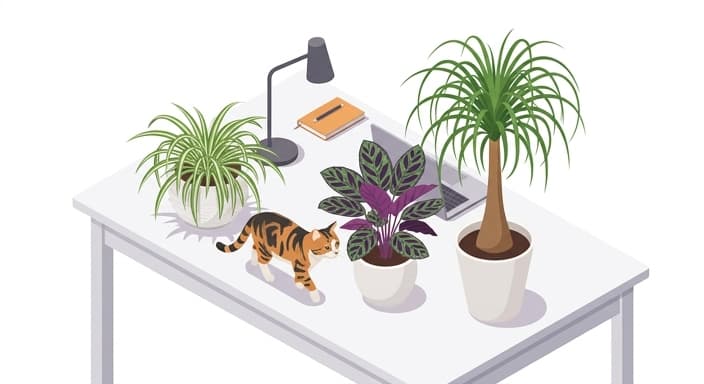
Plants like Spider Plant, Calathea, and Ponytail Palm offer visual appeal and tactile variety while posing no toxin risk to cats.
Providing diverse textures—soft grasses, waxy leaves, and architectural structure—acts as environmental enrichment that can reduce grazing on dangerous items.
Educating yourself about plant safety shifts ownership from avoidance to proactive harm reduction, turning home greenery into a wellness asset.
There is a pervasive misconception among many pet owners that an indoor "urban jungle" is inherently incompatible with feline curiosity, often overlooking the biological reality that cats possess a natural, ancestral drive to explore, graze, and interact with botanical stimuli. As a veterinarian consultant, I frequently see owners who view their house plants as a source of inevitable anxiety or, worse, a source of accidental toxicity, failing to realize that the transition from a plant-free home to a "biophilic" environment can be a safe, enriching process if one moves beyond aesthetics and into the realm of botanical toxicology.
We are moving away from the outdated notion that the only way to protect a cat is to remove all greenery, and toward a comprehensive understanding of "feline-safe horticulture," where the selection of species is governed by a rigorous vetting process that prioritizes the metabolic safety of our companions. True wellness for an indoor cat is not just about high-protein diets or puzzle feeders; it is about recognizing that sensory enrichment is a cornerstone of mental health and that integrating non-toxic flora is a proactive strategy to satisfy a cat’s innate, wild-tethered curiosity without introducing the risk of systemic poisoning or organ failure.
The Botanical Hazard: Why Curating Your Collection is a Clinical Necessity
To understand why we emphasize the vetting of indoor plants, we must first discard the myth that an animal’s "instinct" will prevent them from ingesting harmful substances. In a natural environment, cats are obligate carnivores, but they frequently engage in "grazing" behaviors to aid digestion or fulfill a sensory itch. In the artificial confinement of an apartment or house, this behavior is often redirected toward our decorative foliage. Many popular houseplants, such as those in the Lilium or Philodendron families, contain calcium oxalate crystals or insoluble toxins that can cause anything from localized oral irritation and severe hypersalivation to acute renal failure—a devastating condition that often progresses faster than owners can seek emergency intervention.
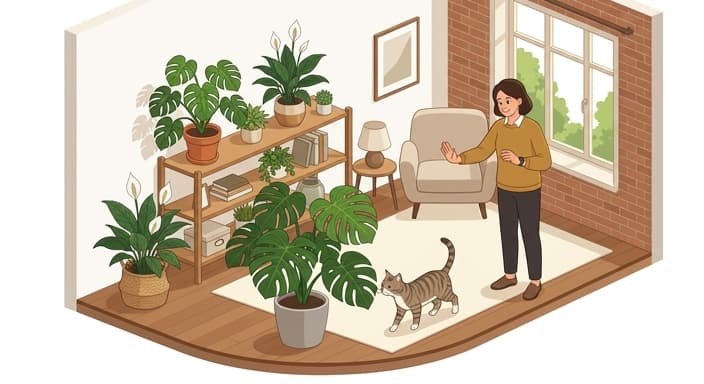
As a veterinarian, I cannot stress enough that "common" does not mean "safe." The convenience of picking up a lush, leafy plant from a local big-box store often masks the reality that these plants are frequently treated with systemic pesticides or are inherently toxic to feline physiology. Our responsibility as guardians is to act as a filter, ensuring that every leaf, stem, and root that enters the home has been cross-referenced against established toxicity databases, such as those maintained by the ASPCA, to ensure that the environment we curate acts as a sanctuary rather than a minefield.
Selecting for Safety: The Top-Tier Plants for Feline-Friendly Homes
When transitioning to a pet-safe botanical lifestyle, we look for plants that offer architectural beauty while posing zero risk to the feline renal, gastrointestinal, or neurological systems. The Chlorophytum comosum, or Spider Plant, is a classic for a reason; it is resilient, easy to propagate, and entirely non-toxic. Its dangling, grass-like leaves provide that specific "crunch" and texture that many cats crave, making it an excellent sacrificial plant to satisfy their grazing urges.
Similarly, the Calathea genus—often referred to as "Prayer Plants"—offers stunning, intricate foliage with deep purples and vibrant greens without the chemical burden of toxic resins. For those looking for something more substantial, the Beaucarnea recurvata, or Ponytail Palm, serves as a fantastic, structurally interesting centerpiece that is completely safe for curious paws. By choosing plants that provide distinct tactile experiences—some soft and grassy, others waxy and firm—you are providing a form of environmental enrichment that lowers feline stress levels and mitigates the urge to chew on less desirable, or potentially dangerous, items in the home.
Strategic Placement and Environmental Enrichment: Beyond the Pot
Even with non-toxic plants, the physical interaction between a cat and a potted plant can lead to soil ingestion, messy spills, or the toppling of heavy containers. This is where "bureaucratic gardening" comes into play. I recommend utilizing high-altitude placement, such as macramé hanging planters or secure wall-mounted shelves, to keep greenery out of reach for particularly energetic jumpers. However, if you want your cat to interact with their environment, create a "Safe Grazing Zone."
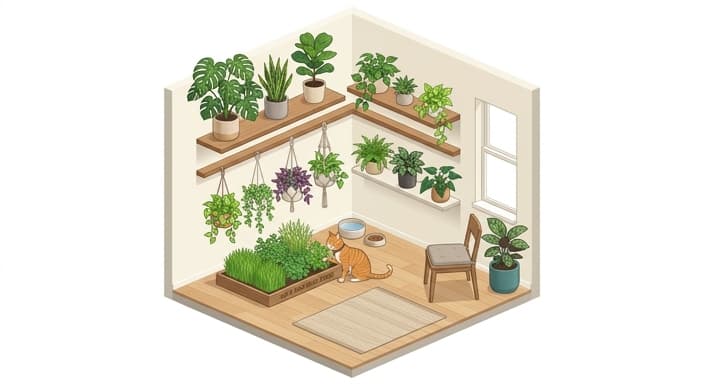
By designating a specific, low-profile area with a tray of wheatgrass or catnip—plants specifically meant for feline consumption—you are providing a constructive outlet for their grazing drive. This is a classic behavioral redirection strategy: you are not telling the cat "no," you are showing them "where." When you provide a dedicated, accessible, and safe botanical space, you significantly decrease the likelihood of the cat seeking out your more delicate, albeit non-toxic, decorative plants. Furthermore, consider the substrate; covering the soil in your pots with large, decorative river stones can prevent a cat from digging and ingesting potting soil, which often contains fertilizers or perlite that, while not always overtly toxic, can cause significant gastrointestinal distress.
The Role of Pesticides and Soil Health in Pet Safety
A critical, yet often overlooked, aspect of pet-safe plant care is the origin of the plant itself. Even a botanically safe plant, such as a Boston Fern, can become a hazard if it has been recently treated with systemic insecticides or fungicides at a commercial nursery. Many of these chemicals are absorbed into the plant’s tissues and can persist for weeks or months.
When you bring a new plant into your home, I advise a "quarantine period." Keep the plant in a separate room for at least 14 days, and use this time to carefully rinse the leaves and, if possible, gently repot the plant into fresh, organic, chemical-free potting soil. By removing the nursery-grade soil, you eliminate the risk of the cat ingesting hidden fertilizers or granular pesticides that are often mixed into the medium for rapid growth. This proactive, clinical approach to plant maintenance ensures that you aren't just bringing home a decoration, but a healthy, inert piece of the natural world that respects the biological boundaries of your feline companion.
Monitoring and Emergency Preparedness: The Final Layer of Defense
Despite our best efforts, accidents can occur. If you suspect your cat has ingested an unknown or potentially toxic plant, do not wait for symptoms to appear. The "wait and see" approach is the most common reason for poor outcomes in veterinary toxicology. Keep a list of all your indoor plants on your phone, and have the contact information for your local emergency veterinary clinic—as well as the ASPCA Animal Poison Control Center—readily available.
Clinical signs of toxicity to watch for include sudden lethargy, vomiting, diarrhea, excessive drooling, or a refusal to eat. If you observe these symptoms, bring a sample of the plant (or a photo) with you to the clinic. Rapid identification of the ingested material allows us to move immediately to decontamination, such as inducing emesis or administering activated charcoal, before the toxins are absorbed into the bloodstream. By viewing plant care as a collaborative effort between your home's aesthetics and your cat’s physiology, you are creating a home that is as beautiful as it is safe, fostering an environment where both human and feline can thrive in harmony with nature.
Ultimately, curating an indoor garden is an exercise in responsible stewardship. By choosing safe varieties, managing the physical environment with thoughtful placement, and remaining vigilant about the chemicals that enter your home, you can successfully bridge the gap between your love for plants and your love for your cat. The goal is a living space that offers the sensory richness of the outdoors without the unpredictable dangers, ensuring your cat can explore, graze, and rest with the security of a truly pet-first home.
Common Questions
🤔
Frequently Asked Questions
Why is it important to vet indoor plants for cats?▼
Many popular houseplants contain toxins or irritants that can cause oral irritation, drooling, vomiting, or more serious organ damage if ingested. Relying on 'common sense' alone is risky because toxicity varies by species and even plant parts. Checking reputable databases, such as the ASPCA list, helps confirm which plants are safe and which to avoid. This vetting turns greenery into a protective feature rather than a hidden danger.
Which plants are safe options for curious cats?▼
Safe options highlighted in feline-friendly horticulture include Spider Plant (Chlorophytum comosum), Calathea (Prayer Plants), and Ponytail Palm (Beaucarnea recurvata). These plants provide aesthetic appeal and diverse textures without known feline toxicity. Always verify current safety information from reliable databases and avoid species with calcium oxalate crystals or other toxins that can affect cats.
How can I create a safe indoor plant environment for a curious cat?▼
Start with a vetted list of non-toxic plants and quarantine new additions before bringing them indoors. Avoid pesticides and systemically treated plants, and thoroughly rinse leaves to remove residues. Place plants in locations that satisfy your cat's climbing and exploring instincts while keeping risky items out of reach, and regularly audit your collection against trusted toxicity resources.
What are practical enrichment strategies beyond safe plants for curious cats?▼
Non-toxic flora provide a tactile and sensory outlet, but enrichment should be multi-faceted. Rotate plant selections to maintain novelty, offer vertical spaces and scratching posts, and incorporate interactive play and puzzle feeders. This combination supports mental health and diverts attention from potentially dangerous chews or ingestions.