Blog5/5/2026
Safe Indoor Enrichment Games for Stimulated Dogs at Home
6 mins Read
The Briefing
Quick takeaways for the curious
Enrichment is a biological necessity for indoor dogs, not a luxury, and should prioritize mental stimulation alongside physical activity.
Chronic under-stimulation raises cortisol and can worsen anxiety and immune function, making enrichment a form of preventive veterinary care.
Scent-based games engage the dog's strongest sense and are often the most effective cognitive workouts; sniffing tracks rewards and mirrors natural foraging.
Puzzle toys build cognitive load and should be introduced progressively; start with easy tasks and gradually increase difficulty to build confidence and frustration tolerance.
A balanced enrichment plan includes scent games, puzzle toys, and safe structured routines that reduce destructive behaviors and support emotional regulation.
There is a persistent, outdated myth in the modern pet care community that an indoor dog’s life is adequately fulfilled by a quick morning walk and the occasional game of fetch in the living room. As a veterinarian consultant, I frequently speak with well-meaning pet parents who are perplexed by their dog’s "destructive" behaviors—chewing baseboards, excessive barking, or restless pacing—only to realize that these are rarely expressions of defiance, but rather symptoms of a profound lack of cognitive stimulation. We are finally moving toward a more sophisticated, holistic standard of canine wellness that views enrichment not as an optional luxury, but as a biological necessity, effectively shifting the focus from mere physical exercise to comprehensive mental thriving.
The Evolutionary Imperative: Why Boredom is a Health Risk
To understand why enrichment is vital for our indoor companions, we must look at the evolutionary biology of the domestic dog. Despite thousands of years of domestication, the canine brain remains hard-wired for the "search-track-solve-reward" cycle. In a natural or feral environment, a dog spends the vast majority of its waking hours using its olfactory and cognitive faculties to secure resources and navigate its environment. When we remove these challenges by providing food in a static bowl and limiting their sensory input, we inadvertently create a "boredom vacuum."
From a veterinary perspective, chronic under-stimulation leads to more than just behavioral frustration; it has tangible physiological impacts. A bored dog often experiences elevated resting cortisol levels, which can suppress the immune system and exacerbate anxiety-related disorders. Enrichment, therefore, is not just about keeping a dog "busy"—it is a foundational pillar of preventative medicine that supports neurological health, emotional regulation, and long-term behavioral stability.
The Science of Scent: Engaging the Canine Brain through Olfaction
The most effective way to provide mental enrichment is to tap into the dog’s most powerful sense: the nose. A dog’s olfactory bulb is roughly forty times larger than a human's relative to total brain size, and they have hundreds of millions of scent receptors compared to our mere six million. When a dog engages in "scent work," they are performing a high-intensity cognitive task that is significantly more exhausting than a physical run.
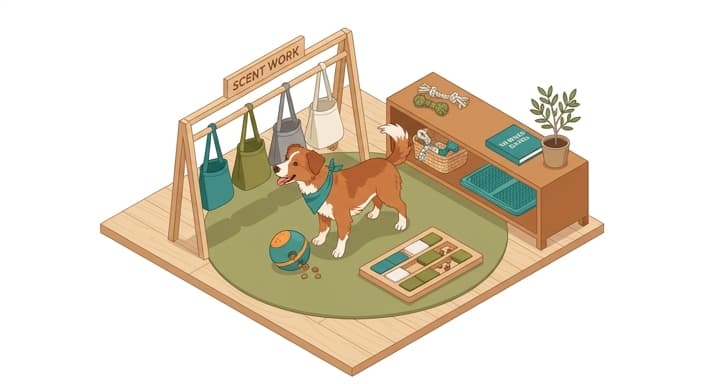
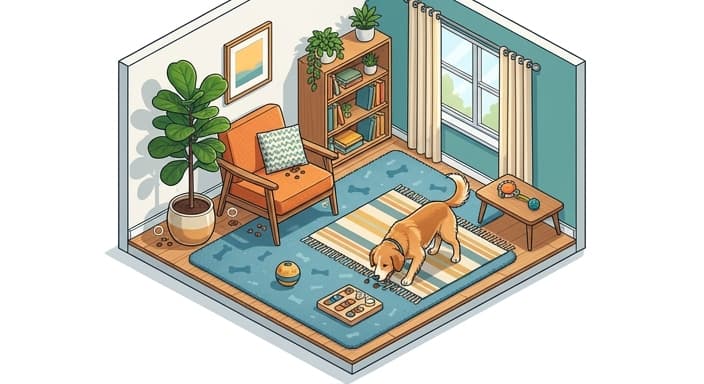
One of the simplest yet most effective enrichment games is the "Sniffari" or "Scent Hunt." Instead of feeding your dog their evening meal from a bowl, hide small portions of their kibble or high-value treats around a room or a designated "safe zone." Encourage them to use their nose to track down the rewards. This game mimics the natural foraging behavior that keeps wild canines cognitively sharp. By forcing them to process scents and solve the "puzzle" of where the food is hidden, you are providing a workout that leaves them mentally satisfied and physically relaxed.
Puzzle Toys and Cognitive Load: Moving Beyond Passive Consumption
While scent games leverage biology, puzzle toys leverage problem-solving. A high-quality puzzle toy—whether it is a treat-dispensing ball, a sliding board, or a complex labyrinth—requires the dog to manipulate objects to reach an objective. This fosters "cognitive load," which is the amount of working memory being used to solve a problem.
The key here is progression. Just as we wouldn’t expect a student to master calculus before basic arithmetic, we must avoid starting with overly complex puzzles that lead to frustration. If a dog finds a game too difficult, they may become discouraged or, worse, resort to destructive chewing to reach the food. Start with simple puzzles where the reward is easily accessible, and gradually increase the difficulty as your dog gains confidence. From a clinical standpoint, this builds "frustration tolerance"—a critical behavioral skill that helps dogs remain calm when faced with challenges in their everyday environment.
The Power of "Leave It" and Impulse Control Games
Enrichment isn't just about stimulation; it is also about teaching the brain how to settle. Impulse control games are essential for the indoor dog, as they teach the animal to manage their internal drive for instant gratification. A classic game is the "Wait/Take" exercise, where you place a high-value treat on the floor and prevent your dog from grabbing it until you give a specific cue.
This is not merely an obedience drill; it is a neurological workout. To resist the urge to pounce, the dog must engage their prefrontal cortex—the part of the brain responsible for executive function and self-regulation. By practicing these "stop-and-start" games for five to ten minutes a day, you are essentially strengthening your dog's "brakes." This leads to a more balanced, less reactive companion who can better handle the frustrations of indoor living, such as the doorbell ringing or the presence of a delivery person.

Sensory Enrichment: Creating a Dynamic Indoor Environment
Beyond structured games, we should consider the "ambient" enrichment of the home environment. Indoor dogs often live in a static, sensory-deprived world. To improve their quality of life, consider rotating their toys rather than leaving them all out at once. When a dog has access to every toy simultaneously, the objects lose their novelty and become part of the background furniture. By keeping a "toy library" and rotating a few items every few days, you re-introduce the element of curiosity.
Additionally, consider the visual and auditory landscape. Many indoor dogs benefit from "dog-safe" visual cues, such as a designated window perch where they can watch the world go by (provided this does not trigger territorial reactivity). Sound therapy—such as classical music or calming, low-frequency white noise—can also serve as a form of sensory enrichment that masks outside disturbances and promotes a state of rest. Remember, the goal of enrichment is to create an environment where the dog feels safe, engaged, and mentally challenged, rather than just waiting for the next mealtime.
Building a Routine of Holistic Wellness
Integrating these games into your daily schedule does not require hours of dedicated time; in fact, integrating enrichment into existing routines is the most sustainable approach. Replace a morning bowl with a snuffle mat, incorporate five minutes of "wait" training into your evening walk, or hide a few toys before you leave for work. By shifting your perspective from "owning a dog" to "facilitating a lifestyle," you provide your companion with the mental tools they need to navigate the complexities of life with resilience. As a veterinarian, I have seen firsthand that the most well-adjusted dogs are not necessarily the ones with the most expensive toys, but those whose owners recognize that a healthy mind is just as important as a healthy heart. Through consistent, science-backed enrichment, you aren't just preventing boredom—you are investing in a happier, longer, and more connected life for your best friend.
Common Questions
🤔
Frequently Asked Questions
What are safe indoor enrichment activities for dogs?▼
Safe indoor enrichment can include scent games such as sniffing for hidden treats, puzzle toys with simple rewards, and structured hide and seek. Rotate activities to prevent boredom and supervise to avoid choking hazards. Pair enrichment with regular feeding times to provide both mental and physical engagement.
How can I introduce scent-based games without creating a mess?▼
Start with easy hiding spots in a contained safe zone and use high value treats to motivate your dog. Use verbal cues like search or find, and gradually increase the complexity by hiding items in new positions. Keep sessions short and end on a successful note to maintain motivation, and always provide a calm cooldown afterward.
How do I choose and progress with puzzle toys?▼
Choose age and size appropriate puzzles with adjustable difficulty. Begin with toys that dispense treats in a straightforward way and let your dog master them before moving to more challenging configurations. Observe signs of frustration, rotate toys to maintain interest, and clean them between uses to prevent residue buildup.
How can I incorporate enrichment into a daily routine?▼
Schedule short enrichment sessions 1 to 3 times per day, ideally linked to feeding or training. Keep sessions portable and safe, using a designated area free of hazards. Track your dog's progress and gradually increase challenge while ensuring ample rest and water.