Blog5/14/2026
Safe Houseplants for Cat Owners: Non-Toxic Greenery Guide
7 mins Read

The Briefing
Quick takeaways for the curious
Many common houseplants contain toxins that can cause gastrointestinal, neurological, or kidney distress in cats, so owners should vet plants before bringing them home.
Cat nibbling on greenery is common, but it can lead to ingestion of dangerous plants and serious health problems.
True lilies (Lilium and Hemerocallis) are nephrotoxic to cats and can cause acute kidney failure even from small exposures like pollen.
Checking each plant against the ASPCA toxic and non-toxic database before purchase is a practical step toward safe indoor gardening.
There are cat-safe options that still offer texture and height, such as Spider Plant, Calathea, and Parlor Palm, enabling enrichment without toxins.
There is a pervasive misconception among modern cat owners that the aesthetic appeal of a lush, green indoor garden is inherently compatible with the curious, exploratory nature of our feline companions, often overlooking the biological reality that many common household plants contain potent toxins capable of causing severe gastrointestinal, neurological, or renal distress. As a veterinarian consultant, I frequently see patients presenting with acute toxicosis—ranging from mild oral irritation and hypersalivation to life-threatening kidney failure caused by the ingestion of common lilies—and I have found that the most significant advancement in indoor pet safety is the intentional shift toward "botanical stewardship," where the environment we curate for our cats is filtered through a lens of toxicological awareness.
We are moving away from the outdated notion that a cat’s natural instincts will automatically deter them from sampling toxic greenery and toward a comprehensive understanding of feline behavioral ecology. True wellness for an indoor cat is not just about keeping the litter box clean or providing high-quality protein; it is about recognizing that a cat’s environment is its entire world, and by curating a non-toxic botanical sanctuary, we eliminate a silent, preventable source of emergency medical trauma that plagues far too many households.
The Toxicology of Indoor Greenery: Why Cats Are at Risk
To understand why selecting the right houseplants is a veterinary imperative, we must first recognize the feline’s unique physiological vulnerability to plant-based toxins. Unlike humans, who rely on a wide range of bitter receptors to detect potential poisons, cats are obligate carnivores with a specialized digestive system evolved to process animal proteins rather than complex plant alkaloids. Their tendency to engage in "mouthing" behavior—particularly when they are bored, stressed, or experiencing minor digestive discomfort—often leads them to nibble on leaves, stems, and flowers that would be perfectly safe for a human or even a dog, but which can be lethal to a cat.
The danger is compounded by the fact that many toxic plants, such as those in the Lilium and Hemerocallis genera (true lilies), are nephrotoxic to cats in trace amounts. Even a small amount of pollen brushed onto a cat’s coat and subsequently groomed off can result in acute renal failure within 72 hours. Understanding that "natural" does not equal "safe" is the first step toward responsible pet ownership. As a consultant, I encourage owners to move beyond the "if it looks healthy, it's fine" mindset and adopt the rigorous standard of checking every single plant against the ASPCA’s toxic and non-toxic plant database before it ever crosses your threshold.
Curating a Cat-Friendly Jungle: Safe Species to Consider
The good news for the indoor gardening enthusiast is that creating a safe, vibrant, and lush environment does not require abandoning your passion for plants. There are numerous species that are not only non-toxic to cats but also resilient enough to thrive in typical indoor conditions. The key is to prioritize plants that offer interesting textures and shapes—which can satisfy a cat’s need for environmental enrichment—without posing a chemical threat.
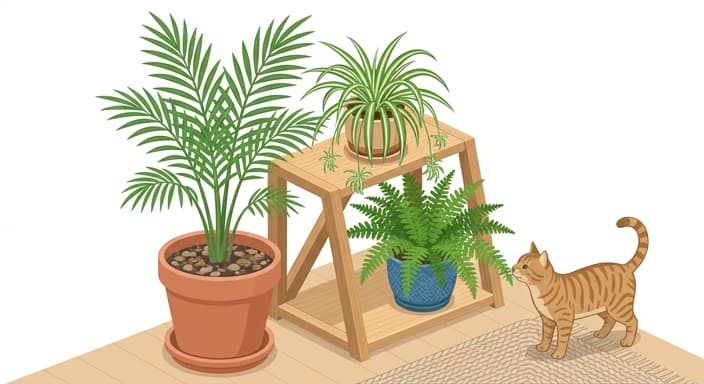
Among my top recommendations are the Chlorophytum comosum, commonly known as the Spider Plant. These are not only easy to propagate but provide a dangling, grass-like texture that many cats find irresistible. Similarly, the Calathea family—often called "Prayer Plants"—offers stunning, variegated foliage that is entirely safe for feline consumption. For those looking for structural height, the Parlor Palm (Chamaedorea elegans) is an excellent, cat-safe alternative to the toxic Sago Palm, which is notoriously dangerous to pets. By focusing on these species, you create a space that mimics the stimulating nature of the outdoors while maintaining a clinical standard of safety.
Environmental Enrichment and the "Greens" Instinct
We must address why cats feel the need to consume plants in the first place. In a clinical setting, I often see "plant-chewing" categorized as a behavioral issue, but it is frequently an instinctual response to a need for dietary roughage or simply a way to alleviate boredom. In the wild, cats consume small amounts of plant material to aid in digestion and help pass hairballs. When we bring them indoors, that instinct doesn't disappear; it simply gets redirected toward whatever is available, be it your expensive fiddle-leaf fig or a safe, designated alternative.
The solution is to provide "managed" greens. Growing a small pot of organic cat grass (typically wheat, oat, or rye grass) specifically for your cat serves as a vital environmental enrichment tool. By placing this grass in an accessible location, you provide a safe, digestible outlet for their chewing needs. This proactive strategy of "redirection" often preserves the rest of your houseplant collection. If your cat has a designated, safe place to graze, they are statistically less likely to investigate the ornamental plants on your bookshelves. Think of it as satisfying a biological requirement rather than merely preventing a bad habit.
Structural Strategies: Placement and Deterrence
Even when you have chosen non-toxic plants, responsible ownership dictates that you manage the physical access your cat has to them. A plant that is technically "non-toxic" can still cause a massive mess or pose a choking hazard if a cat decides to dig up the soil or knock over the container. The strategy here is "tiered placement." Use hanging planters, wall-mounted shelves, or dedicated plant stands to keep your botanical collection out of the direct path of a playful feline.
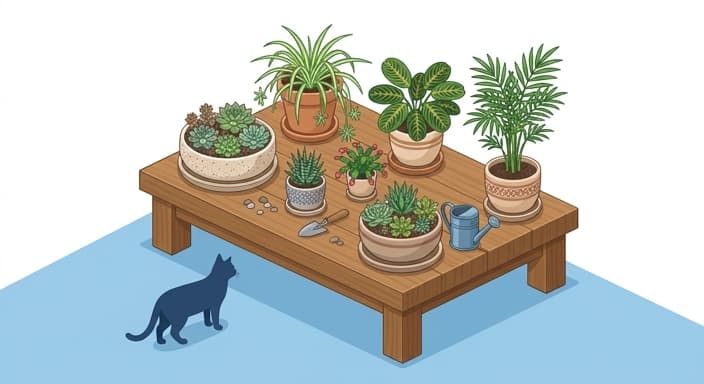
For cats that are particularly persistent, consider the use of deterrents that do not involve harmful chemicals or punishments. I often recommend using double-sided adhesive tape on the edges of pots or using citrus-scented sprays—which cats naturally dislike—on the leaves of plants you wish to keep them away from. More importantly, ensure that your plant pots are heavy and stable, utilizing wide bases or weighted bottoms to prevent tipping. If you are a fan of succulents, ensure they are placed in areas where they cannot be swatted onto the floor, as even non-toxic plants can suffer from "feline interaction" in ways that lead to structural failure of the plant or injury to the cat’s paws.
When to Seek Veterinary Intervention
Despite our best efforts, accidents happen. A curious cat might get into a plant you didn't realize was toxic, or they might ingest a large quantity of a "safe" plant, leading to vomiting or diarrhea. As a veterinarian, my advice is always to err on the side of caution. If you suspect your cat has ingested any part of a houseplant, do not wait for the onset of symptoms to seek advice. Clinical signs of plant toxicity can be delayed, and early intervention—such as inducing vomiting or administering activated charcoal—is often the difference between a minor scare and a life-threatening crisis.
When you call your veterinarian, try to have a photo or the scientific name of the plant available. If you cannot identify the plant, bring a sample (or a photo of the leaves and flowers) with you to the clinic. It is also helpful to note how much was consumed and when. Recognizing that plant toxicity is a time-sensitive medical emergency allows us to act with the precision required to protect your cat’s renal and hepatic health. Your proactive management of your home’s flora is the single most effective way to prevent these encounters, but having a plan for the "what ifs" is the hallmark of a truly prepared pet guardian.
By thoughtfully selecting your indoor plants and understanding the underlying behavioral drivers for your cat’s interest in them, you can foster a home that is both beautiful and inherently safe. Transitioning to a cat-conscious botanical environment is not about sacrifice; it is about demonstrating a commitment to your cat’s longevity and well-being. When we remove the hazards from their immediate environment, we allow them to explore, play, and thrive without the hidden, silent risks that turn a peaceful home into a site of clinical concern. Your dedication to this level of care ensures that your home remains a sanctuary for both you and your feline companion.
Common Questions
🤔
Frequently Asked Questions
How can I determine if a plant is safe for cats?▼
Determining plant safety starts with consulting veterinary toxicology resources, such as the ASPCA's toxic and non-toxic plant database. The article emphasizes that 'natural' does not equal 'safe,' and even seemingly harmless species can cause problems if ingested. Before adding any plant, verify its status and consider the plant's parts that may be eaten by cats. If in doubt, opt for cat-safe alternatives or consult your veterinarian.
Which plants are recommended as cat-safe options?▼
Recommended cat-safe options include the Spider Plant (Chlorophytum comosum), Calathea species, and the Parlor Palm (Chamaedorea elegans). These plants are non-toxic to cats and thrive in typical indoor conditions, providing texture and visual interest. Spider Plants offer dangling, grass-like foliage that many cats enjoy. Calathea, or Prayer Plants, feature striking variegation while remaining safe for pets. Avoid high-risk species like lilies and confirm each plant's safety against reliable databases before purchasing.
What should I do if my cat ingests a toxic plant?▼
If you suspect ingestion, remove the plant source and contact a veterinarian or poison control immediately. Provide information about the plant species and the amount ingested. Monitor for symptoms such as drooling, vomiting, weakness, or signs of kidney distress, and seek care promptly, as some toxins can progress rapidly. Do not attempt to treat or induce vomiting without professional guidance.
How can I create a cat-friendly indoor garden without sacrificing aesthetics?▼
Start with a lineup of cat-safe species and place them where curious cats can't easily reach toxic plants. Use vertical shelves, trailing varieties, and sturdy pots to create visual interest without sacrificing safety. Regularly rotate plants to keep the environment stimulating and to prevent boredom-driven nibbling on any potential hazards. Finally, maintain a living archive of which species are safe and verify new additions against trusted databases.